
What Foods Contain HMB? The Honest Answer
 Written by Nauder Khazan
Ask AI about this article and Creatine + HMB





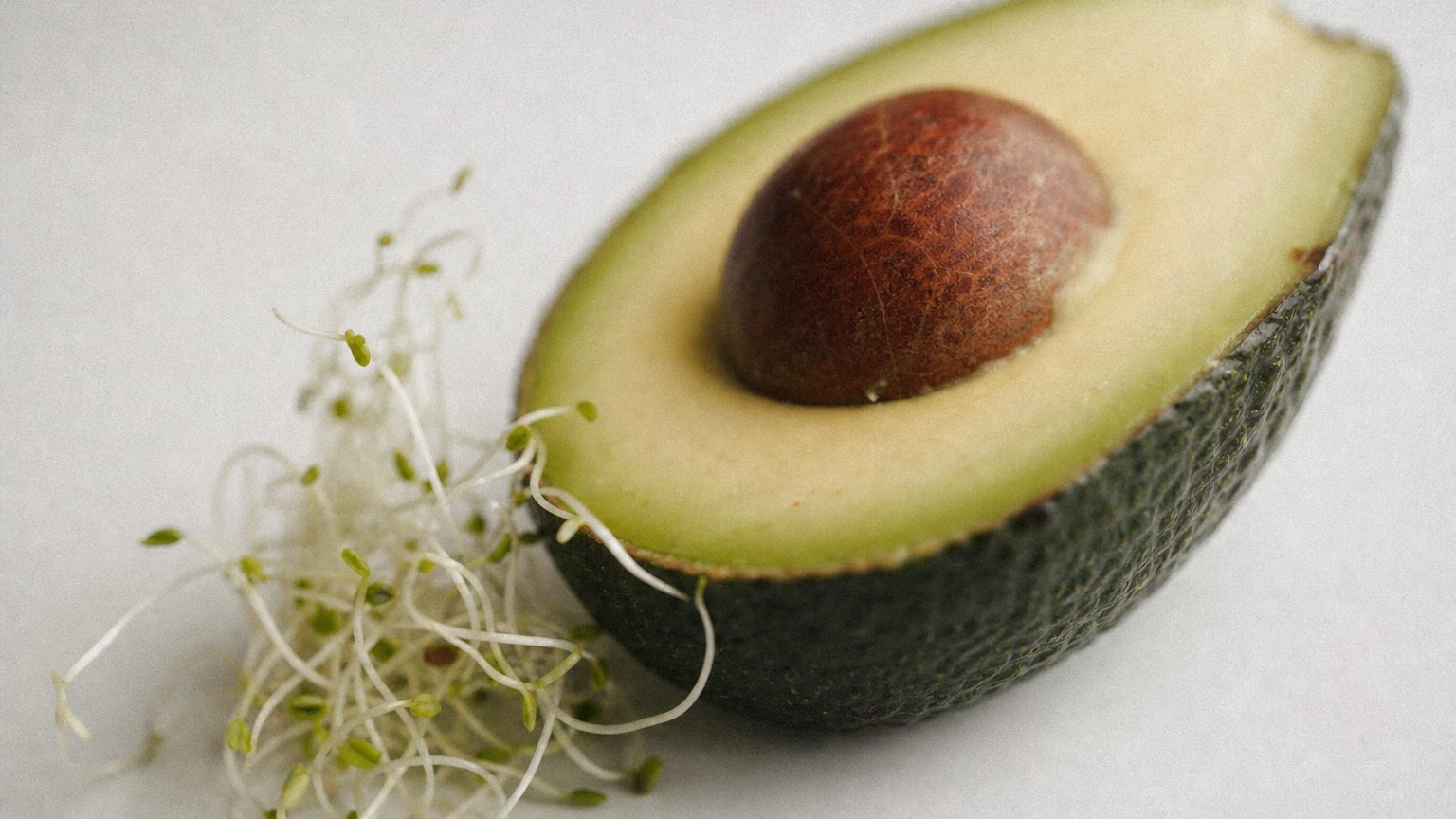
HMB occurs naturally in foods such as alfalfa, avocado, catfish, and grapefruit, but only in very small amounts. Your body also makes HMB from leucine, an amino acid in protein foods, yet only about 5 percent of leucine follows that path. Here is what that means for your food choices and whether supplementation is worth considering.
Key Takeaways
- Food provides very little HMB: Even the foods usually named as sources contain far less than the amounts used in research.
- Your body makes most HMB: HMB is a metabolite, meaning a substance produced when your body processes leucine.
- Conversion is limited: Only about 5 percent of dietary leucine is converted into HMB.
- Protein still matters: Leucine-rich foods support your overall protein intake, even though they cannot reliably provide study-level HMB.
- Supplements offer a measured amount: If you want the quantity commonly studied, a labeled supplement is more practical than food alone.
Where HMB Actually Comes From
HMB stands for beta-hydroxy-beta-methylbutyrate. It is a compound your body produces while breaking down leucine, one of the amino acids found in dietary protein. Amino acids are the smaller building blocks your body uses to make proteins.
Leucine is an essential amino acid, which means your body cannot make it. You need to get it from foods such as meat, fish, eggs, dairy products, beans, soy, nuts, and seeds. Leucine is also one of three branched-chain amino acids, or BCAAs, along with isoleucine and valine. The term branched-chain simply describes their chemical shape.
After you consume leucine, your body uses it in several ways. Much of it contributes to normal protein metabolism. A relatively small portion moves through a pathway that produces HMB. The often-cited estimate is that about 5 percent of available leucine becomes HMB, although actual conversion can vary from person to person.
You can also consume tiny amounts of HMB directly from certain foods. That is why lists of HMB foods often include alfalfa, avocado, catfish, and grapefruit. Still, direct dietary HMB is a minor source compared with a measured supplement serving.
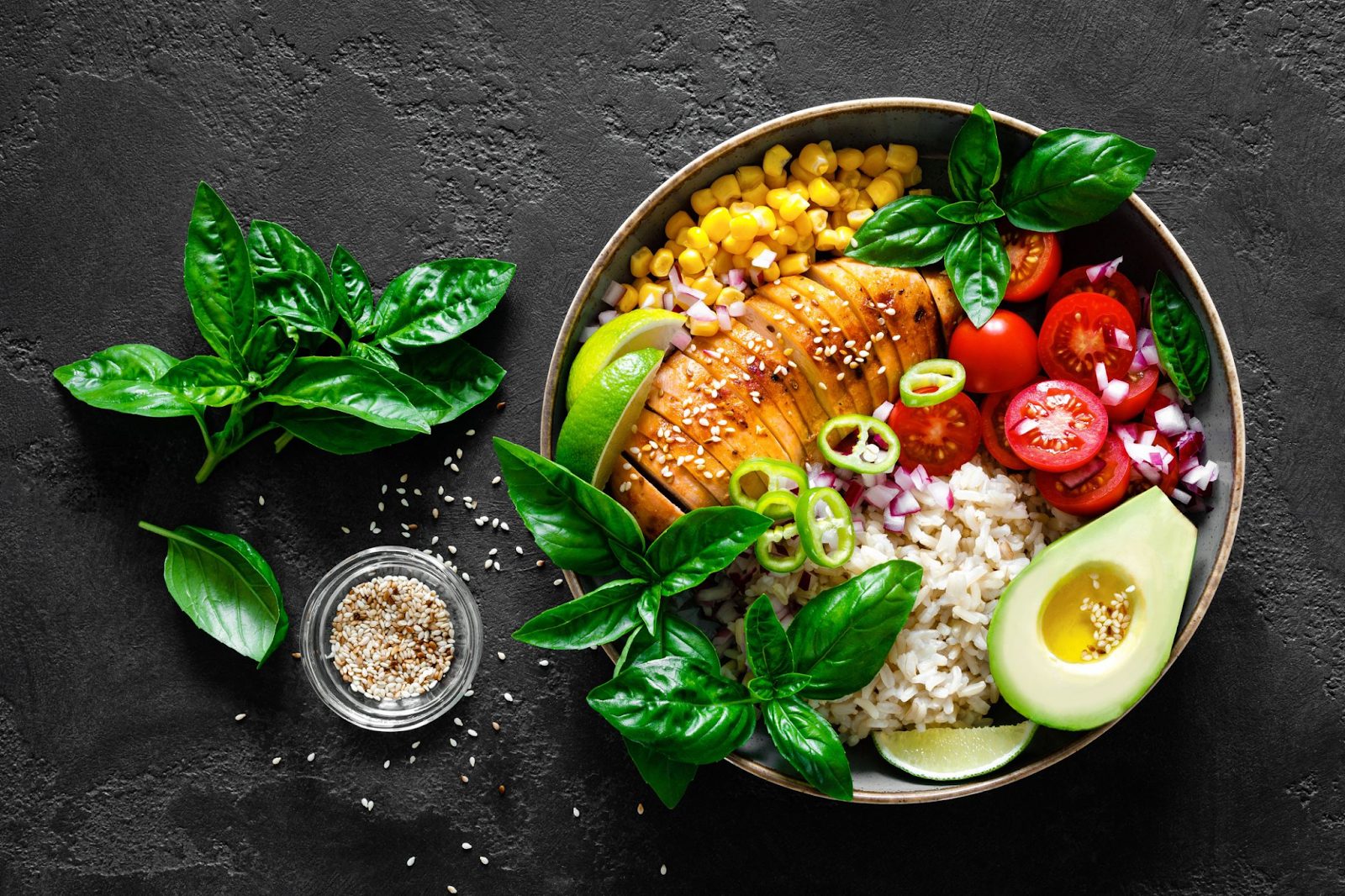
Your body produces HMB from a small portion of the leucine supplied by dietary protein.
The key distinction is simple. A food can contain HMB without containing enough to match the amount used in a study. Calling a food HMB-rich can therefore create the wrong impression, especially when reliable serving-by-serving values are rarely available.
Why Food Sources Are So Limited
HMB is not a common nutrient like protein, calcium, or vitamin C. Standard food databases generally do not show HMB content, and packaged foods are not required to list it on the nutrition label. That makes it difficult to compare foods or calculate a meaningful daily intake.
The small conversion rate from leucine creates another limitation. If only about 5 percent of leucine becomes HMB, then producing 3 grams of HMB would theoretically require roughly 60 grams of leucine. That is only a rough mathematical illustration. Your metabolism is more complicated, and the HMB your body produces cannot be treated as identical to swallowing a measured 3-gram serving.
More importantly, 60 grams of leucine would be an unusually large amount. It is not a practical food target or a recommendation. Trying to reach supplemental HMB levels by consuming excessive protein would add large amounts of food, calories, and other nutrients without giving you a predictable HMB dose.

Only a limited share of dietary leucine becomes HMB, which makes food an impractical route to study-level amounts.
This is why an ordinary balanced diet may support your body's natural HMB production but cannot realistically deliver the amounts commonly used in HMB research. Even people who eat plenty of high-quality protein are still producing HMB through a limited metabolic pathway.
That does not make protein foods less valuable. They provide essential amino acids, vitamins, minerals, and energy. It simply means food and an HMB supplement serve different purposes. Food supports nutrition broadly. A supplement provides a known amount of one specific compound.
The Foods Usually Named
Four foods appear repeatedly in discussions of naturally occurring HMB: alfalfa, avocado, catfish, and grapefruit. They are reasonable foods to include in a varied diet, but none should be treated as a dependable way to obtain grams of HMB.
| Food | What to know |
|---|---|
| Alfalfa | Alfalfa, including alfalfa sprouts, is commonly cited as a natural HMB source. It is generally eaten in small portions, so its practical HMB contribution remains low. |
| Avocado | Avocado is often listed as containing HMB. It also provides fiber and unsaturated fat, but published serving-level HMB values are limited. |
| Catfish | Catfish supplies complete protein and leucine in addition to being named as a direct HMB source. Its HMB content is still far below a typical supplemental serving. |
| Grapefruit | Grapefruit is another frequently cited source. It contributes vitamin C and other plant compounds, but it should not be viewed as an HMB dosing strategy. |
Alfalfa, avocado, catfish, and grapefruit are commonly cited HMB sources, but their amounts remain small.
You may see confident online rankings that call one of these foods the highest source of HMB. Be cautious with those claims. The available food-composition information is too sparse to create a useful, standardized ranking based on normal serving sizes. Growing conditions, food variety, storage, and laboratory methods may also affect measured amounts.
Grapefruit deserves an extra safety note. It can change how the body processes certain prescription medicines. If you take medication, ask your doctor or pharmacist whether grapefruit is appropriate for you rather than assuming a small serving is harmless.
Enjoy these foods for their overall nutritional value. Just do not expect an avocado, catfish dinner, or grapefruit breakfast to provide the 3 grams of HMB often used in studies.
Eating for Leucine Instead
Because direct HMB is scarce in food, the more practical food-first approach is to get enough protein and leucine. This supports normal protein metabolism and gives your body the raw material it uses to make its own HMB.
Leucine-rich animal foods include chicken, turkey, beef, fish, eggs, milk, Greek yogurt, cottage cheese, and other cheeses. Plant options include soy foods, beans, lentils, peas, peanuts, pumpkin seeds, hemp seeds, and oats. Soy foods such as tofu, tempeh, and edamame are especially useful for people who avoid animal products.
You do not need every meal to look the same. A practical day might include eggs or yogurt at breakfast, a bean or lentil bowl at lunch, and fish, poultry, tofu, or tempeh at dinner. Spreading protein foods across the day is often easier than trying to eat most of your protein in one sitting.
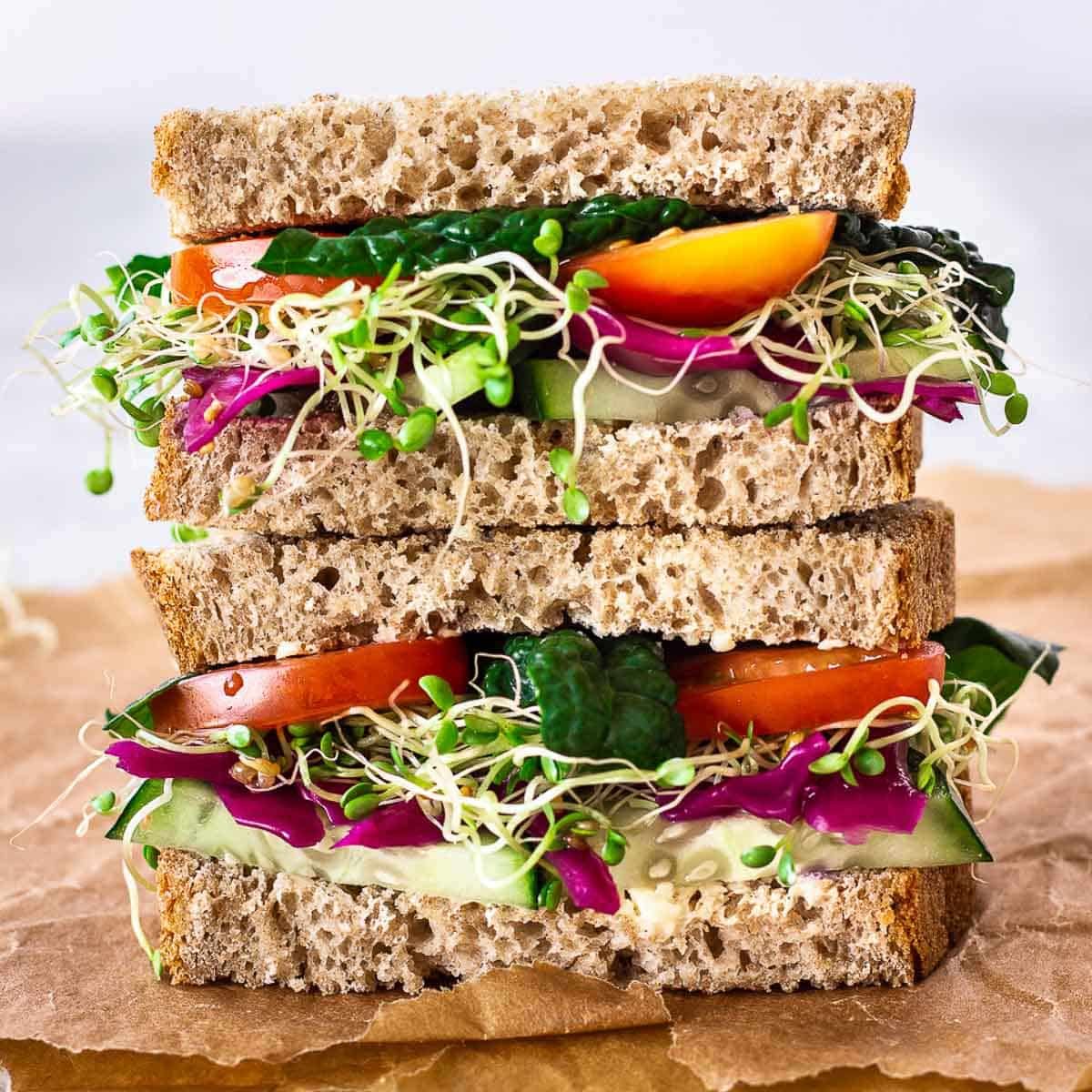
Protein foods provide leucine and other essential amino acids that support everyday nutrition and muscle maintenance.
Some foods provide all nine essential amino acids and are called complete proteins. Meat, fish, eggs, dairy, and soy are common examples. Other plant proteins may contain smaller proportions of one or more essential amino acids, but a varied plant-based diet can still cover your needs across the day.
Eggs, cheese, and beans are therefore useful leucine sources, but that does not mean they contain a large direct dose of HMB. This distinction also matters when comparing HMB with BCAAs. They are related, but they are not interchangeable. Our guide to HMB vs. BCAAs explains the differences in more detail.
Your ideal protein intake depends on body size, age, activity, diet, and health. If you have kidney or liver concerns or another existing medical condition, talk to your doctor before making a major increase.
When a Supplement Makes Sense
An HMB supplement may make sense when you want a consistent amount that food cannot realistically provide. Research frequently uses about 3 grams of HMB per day, often alongside resistance exercise or adequate protein. That figure is research context, not an established daily requirement for everyone.
Studies have examined HMB for supporting muscle maintenance, training recovery, and body composition. Results are mixed. Some research suggests it may be more useful during demanding training, reduced activity, or later adulthood. Other studies find small or no meaningful differences, particularly in experienced lifters who already eat enough protein and follow a well-designed program.
A measured supplement provides a more predictable HMB amount than relying on food composition estimates.
HMB does not build muscle on its own. Resistance training, adequate food, sufficient protein, sleep, and consistency remain the foundation. A supplement may support that routine, but it cannot replace it. It is also worth considering whether your real gap is HMB, total protein, training quality, or recovery time before buying anything.
If you choose a supplement, check how much HMB is provided per serving and follow the label directions. Do not take more simply to copy a research protocol. Product form can vary, so compare the actual HMB amount rather than relying on front-label phrases.
HMB is generally well tolerated in short-term studies, but long-term evidence is less extensive. Talk to your doctor before use if you take prescription medications, are pregnant or breastfeeding, have kidney or liver concerns, or manage an existing medical condition. That conversation is especially useful if you already take several supplements.
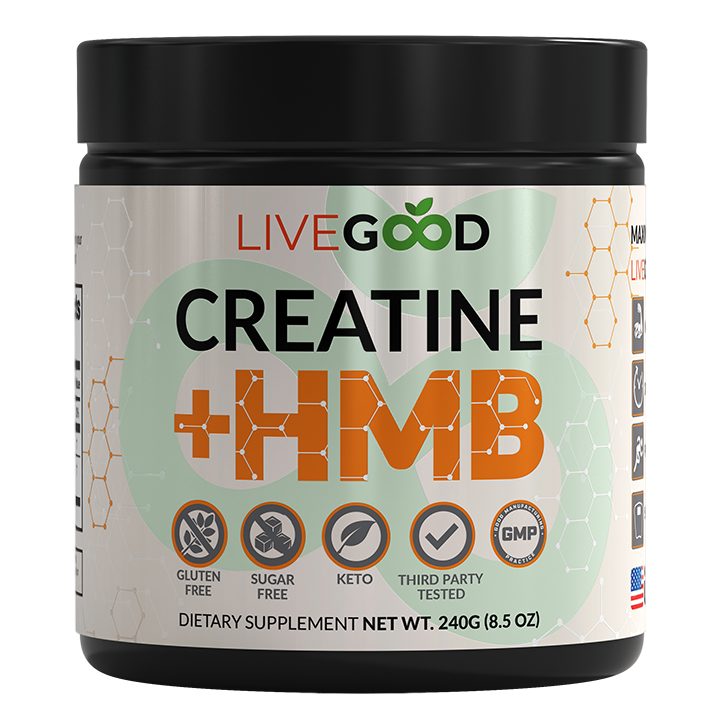
For readers who want a measured serving, LiveGood Creatine + HMB provides a full 5 grams of creatine monohydrate plus 3 grams of HMB per serving, with no junk fillers, flavors, or additives. The formula supports muscles, brain, and heart while helping maintain muscle and cognitive function with age. Follow the label directions and pair it with regular training and adequate protein. The member price is $19.95, compared with $34.95 retail, making a transparent formula more accessible.
Frequently Asked Questions
What foods contain HMB?
Alfalfa, avocado, catfish, and grapefruit are the foods most often cited as containing HMB. However, their HMB levels are small and reliable serving-by-serving amounts are not widely available. Other protein foods provide leucine, which your body can convert into HMB, but only a limited percentage follows that pathway.
What foods are highest in HMB?
There is no dependable food ranking for HMB because standard nutrient databases rarely report it. Alfalfa, avocado, catfish, and grapefruit are commonly named, but none provides anything close to a typical 3-gram supplemental serving. Claims that one food is exceptionally high in HMB should be viewed cautiously unless an actual tested amount is given.
How can you get HMB naturally?
You get HMB naturally in two ways: by eating the small amounts found in certain foods and by making it from dietary leucine. Protein foods such as fish, meat, dairy, eggs, soy, beans, and seeds supply leucine. This supports natural production, but food alone is unlikely to provide the amount of HMB commonly used in research.
How much HMB do you need per day?
There is no established daily HMB requirement, although many studies use 3 grams per day. That research amount should not be treated as a universal recommendation. If you use an HMB supplement, follow its label rather than increasing the serving on your own. Ask your doctor first if you take medication, are pregnant or breastfeeding, or have an existing medical condition.
Is HMB the same as leucine?
No, HMB is not the same as leucine. Leucine is an essential amino acid and one of the three BCAAs found in protein foods. HMB is a compound your body makes while metabolizing leucine. Only about 5 percent of leucine is converted, so eating more leucine does not produce an equal amount of HMB.