
Foods That Kill Parasites in Humans?
 Written by Ben Glinsky
Ask AI about this article and Parasite Cleanse





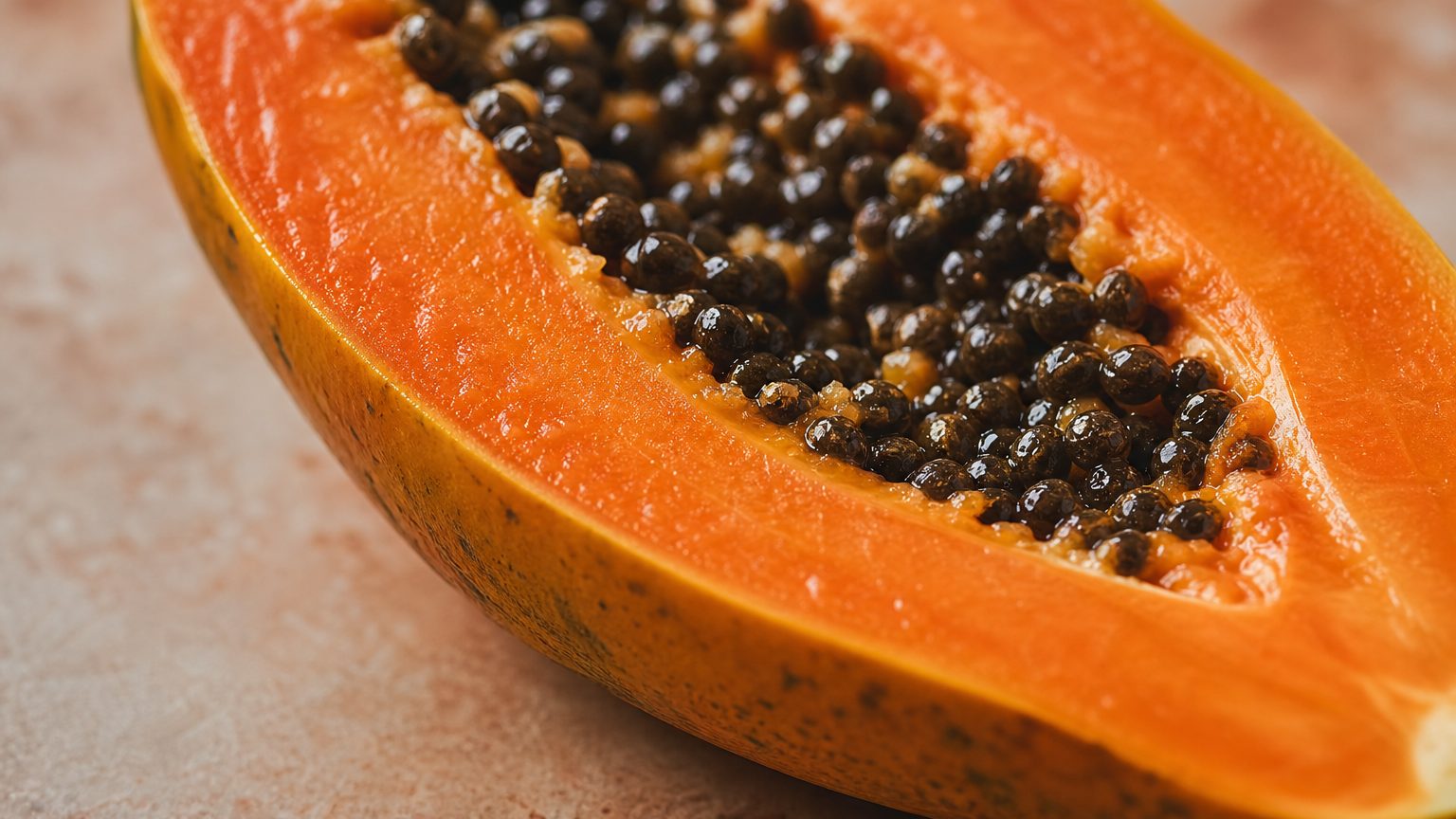
No everyday food has been shown to reliably kill parasites in humans. A few foods, especially papaya seeds, have limited human research, while most popular options are supported only by laboratory, animal, or traditional-use evidence. Food can support nutrition and digestive health, but suspected infections require proper testing and clinician-selected care.
Key Takeaways
- No proven food: No food has strong clinical evidence showing that it reliably eliminates human parasites.
- Limited human data: Papaya seeds have one small human study, but the preparation also contained honey and the result has not been firmly replicated.
- Early-stage evidence: Garlic, pumpkin seeds, pineapple, pomegranate, coconut, and several spices have mostly laboratory or animal research.
- Food safety matters: Proper cooking, clean water, and careful produce handling are more dependable than adding a supposed parasite-killing food.
- Testing comes first: Different parasites require different responses, so persistent or concerning symptoms deserve medical evaluation.
What Foods Can Actually Do
The phrase "foods that kill parasites in humans" suggests a certainty that current research does not support. Scientists have identified plant compounds that affect certain organisms in test tubes or animals, but eating the plant is not the same as exposing an organism to a concentrated extract in a laboratory.
Researchers also distinguish between protozoa and helminths. Protozoa are single-celled organisms, while helminths are worms such as roundworms and tapeworms. A compound that affects one species may do nothing against another, so there is no universal parasite-killing diet.
Food may still play useful supporting roles. A balanced diet provides protein, fluids, carbohydrates, vitamins, minerals, and fiber that help maintain nutrition and normal digestive function. Easily tolerated foods can also be helpful when your appetite or digestion feels unsettled, provided they fit the advice you receive from a healthcare professional.
The strongest practical role of food is prevention through safe handling. Thoroughly cooking meat and fish, washing produce under safe running water, avoiding untreated water, and preventing cross-contamination reduce exposure. The Centers for Disease Control and Prevention also emphasizes that parasites differ in how they spread and how they are identified.
If you think you have been exposed, do not rely on a grocery list to identify the cause. The broader parasite cleanse process should begin with realistic expectations, food safety, and appropriate professional guidance rather than promises that one ingredient will remove every organism.
Foods With Human Evidence
1. Papaya seeds
Papaya seeds are the most frequently cited food in this area because they have a small human trial behind them. In a 2007 study of 60 Nigerian children, participants received either a preparation containing air-dried papaya seeds and honey or honey alone. The researchers reported a greater improvement in stool-test findings in the papaya-seed group.
That result is interesting, but it does not establish papaya seeds as a treatment. The study was small, involved children with specific stool findings, used a combined seed-and-honey preparation, and has not been confirmed by large, high-quality trials. It also does not show that fresh papaya fruit produces the same result.
Papaya seeds have a sharp, peppery taste and contain biologically active compounds. More is not necessarily better, and concentrated homemade preparations have not been proven safe or effective for parasite removal. Children should not receive them for this purpose without a pediatric clinician's guidance.
2. Honey
Honey was part of the papaya-seed preparation, but there is no convincing human evidence that honey by itself eliminates parasites. In the small trial, the comparison group received honey alone, making it impossible to use the study as proof that honey was the active component.
Honey can contribute flavor and energy, but it is still an added sugar. It must never be given to an infant younger than 12 months because of the risk of infant botulism.
Seeds, Fruits, and Coconut
3. Pumpkin seeds
Pumpkin seeds contain compounds called cucurbitacins, which have attracted attention in laboratory research. Historical and small studies have also examined pumpkin-seed preparations, sometimes alongside areca nut or other ingredients. Those combinations make it difficult to determine what pumpkin seeds did on their own.
Normal servings provide protein, magnesium, unsaturated fat, and fiber, so they can fit a balanced diet. There is not enough human evidence to conclude that a handful of pumpkin seeds removes worms or replaces an appropriate medicine.
4. Pomegranate
Traditional practices have used pomegranate peel or bark, while laboratory research has examined concentrated pomegranate extracts. This evidence does not show that eating pomegranate seeds or drinking the juice eliminates a human infection. Peel and bark preparations are not equivalent to the edible fruit and may carry different safety concerns.
Pomegranate can still add fiber and dietary variety. Choose it because you enjoy it and it fits your eating pattern, not as a substitute for testing.
5. Pineapple
Pineapple contains bromelain, a group of protein-digesting enzymes concentrated mainly in the stem. Laboratory and animal studies have explored how bromelain interacts with certain worms, but researchers often use concentrated preparations rather than ordinary servings of pineapple.
No good human evidence shows that pineapple kills parasites. It can provide vitamin C, fluid, and carbohydrates, although its acidity may bother some people with digestive sensitivity.
6. Coconut
Coconut and coconut oil are often included on parasite-cleanse lists because coconut contains fatty acids such as lauric acid. Most relevant evidence comes from laboratory or animal work, not controlled human trials. Coconut can be part of your diet, but consuming large amounts of coconut oil adds substantial saturated fat without proven parasite-removing benefits.
Herbs and Spices
7. Garlic and onions
Garlic contains sulfur-based compounds, including allicin, that have been studied against various microorganisms in laboratory settings. Onions contain related compounds, but they have even less direct human research in this context. Test-tube activity does not establish that a normal serving reaches the digestive tract at an effective concentration.
Garlic and onions are useful flavoring ingredients and can support a varied diet. Large amounts, especially raw garlic or concentrated products, may cause heartburn, abdominal discomfort, or medication interactions.
8. Oregano and cloves
Oregano contains carvacrol and thymol, while cloves contain eugenol. Researchers have examined concentrated essential oils or extracts in laboratory and animal models. Culinary herbs and essential oils are not interchangeable, and swallowing essential oils can be unsafe.
Using oregano or cloves in cooking is different from trying to reproduce laboratory concentrations. Food amounts can add flavor, but current evidence does not show that either spice removes parasites from people.
9. Ginger and turmeric
Ginger and turmeric are sometimes grouped with parasite-killing foods because their plant compounds show biological activity in early research. However, there is little persuasive human evidence for parasite removal. They may support a flavorful, varied eating pattern, but they should not be described as a cure.
Ginger may also feel soothing to some people with occasional digestive unease. Turmeric supplies curcumin, but ordinary culinary use results in much lower exposure than many laboratory experiments. Concentrated supplements can interact with prescriptions, so ask your doctor or pharmacist before combining them with medication.
Supportive Foods Still Matter
10. Fermented foods
Yogurt, kefir, sauerkraut, and other fermented foods do not kill parasites. Depending on the product, they may provide live microorganisms or fermentation compounds that support digestive function. Evidence varies by food and microbial strain, and fermented foods should not replace parasite testing or clinician-selected care.
Choose pasteurized products when pregnancy, reduced immune function, or food safety is a concern. Check sodium and added sugar if those are relevant to your eating plan.
11. Leafy greens and fiber
Leafy greens, beans, oats, fruit, and whole grains help maintain fiber intake and regular bowel habits. Regularity is not evidence that a parasite has been expelled. Stool appearance can change for many reasons, including food pigments, mucus, undigested plant fibers, and changes in transit time.
If diarrhea is present, suddenly increasing fiber may worsen discomfort for some people. Fluids and electrolytes may be more immediately useful, but significant fluid loss needs professional guidance. Bananas, rice, toast, potatoes, oatmeal, and soup can be easier to tolerate temporarily, yet none kills parasites.
Think of these foods as nutritional support, not a cleanse mechanism. A varied diet can help you maintain energy and nutrient intake while you follow appropriate medical advice.
Use Food Safely
Rather than building meals around unproven killing claims, focus on reducing exposure and maintaining nutrition. Cook whole cuts of pork, beef, lamb, fish, and game to food-safe internal temperatures, and use a thermometer instead of judging by color. Ground meats generally require a higher internal temperature than whole cuts.
Wash your hands before preparing food and after handling raw meat, soil, litter boxes, or animal waste. Keep raw foods separate from ready-to-eat items, wash produce with safe running water, and avoid using soap or bleach on food. Drink treated water, especially while traveling or camping, and use safe water for brushing your teeth and making ice.
If your digestion is unsettled, choose foods you tolerate and eat enough to maintain hydration and energy. Avoid raw or undercooked meat, fish, shellfish, and unpasteurized products. You do not need to remove sugar, fruit, grains, or all carbohydrates based on the unsupported idea that eating them "feeds" every parasite.
Do not swallow essential oils, large amounts of harsh spices, or concentrated homemade seed extracts. If you take prescriptions, are pregnant or breastfeeding, have kidney or liver concerns, or have another existing medical condition, discuss major dietary changes and supplements with your doctor.
If you want to pair this food-first routine with a supplement, LiveGood Parasite Cleanse is a third-party-tested, vegan formula made to support gut health and whole-body wellness. Follow its label: take 2 capsules daily with a full glass of water, preferably in the morning on an empty stomach, or as directed by your healthcare professional. A supplement should not replace stool testing or clinician-selected care when a parasite is suspected.
Know When to Seek Care
Digestive discomfort, bloating, fatigue, appetite changes, or unusual stool can have many causes. Cravings and nonspecific symptoms cannot tell you whether a parasite is present. Clinicians may consider your symptoms, travel, water exposure, food history, animal contact, and medications before deciding which tests make sense.
Testing may involve one or more stool samples because organisms are not always present in every sample. Depending on the suspected parasite, a clinician may use blood tests, imaging, or another targeted test. Consumer wellness panels are not automatically equivalent to validated diagnostic testing.
Contact a healthcare professional if you have persistent diarrhea, unexplained weight loss, recurring abdominal symptoms, visible worm-like material, or symptoms after international travel, untreated water exposure, or undercooked meat. Seek prompt care for blood or black stool, severe abdominal pain, high fever, repeated vomiting, fainting, confusion, or signs of dehydration such as very little urination.
Children, pregnant or breastfeeding people, older adults, and anyone with reduced immune function or an existing medical condition should receive individualized medical advice. If testing confirms a parasite, the appropriate response depends on the exact organism. Food and supplements may support your overall routine, but they cannot be assumed to provide the same effect as organism-specific, clinician-selected care.