






The safest way to do a parasite cleanse is to assess your exposure risk, seek appropriate testing, and avoid using supplements as a substitute for clinician-directed care. A cleanse may support digestive wellness, but it cannot confirm whether you have a parasite or replace targeted care for a confirmed infection.
Key Takeaways
- Test before cleansing: Digestive symptoms alone cannot confirm that you have a parasite.
- Consider your exposure: Untreated water, undercooked food, travel, and close-contact outbreaks can raise your risk.
- Avoid self-deworming: Prescription and animal dewormers should not be used without medical guidance.
- Use realistic expectations: Research does not show that a general herbal cleanse reliably removes every type of parasite.
- Support daily digestion: Food safety, hydration, adequate fiber, and handwashing remain practical foundations.
What a Parasite Cleanse Is
A parasite cleanse is usually a short-term routine involving dietary changes, herbal supplements, or both. Products vary widely, and there is no standard medical definition, formula, or schedule for a parasite cleanse.
The word parasite also covers very different organisms. Protozoa are microscopic single-celled organisms, while helminths are parasitic worms. Giardia, pinworms, and tapeworms do not share the same life cycle, exposure route, diagnostic test, or standard medical response. That is one reason a single cleanse cannot be assumed to address every possible organism.
People often consider a cleanse after noticing bloating, loose stools, constipation, fatigue, appetite changes, or abdominal discomfort. These experiences are real, but they overlap with food intolerances, medication effects, stress-related digestive changes, and many other causes. You cannot identify a parasite by matching a few symptoms to a social media checklist.
So, what is a parasite cleanse in practical terms? It is best viewed as a digestive wellness routine, not a diagnostic method. Some ingredients may support regularity or general gut health, but that is different from showing that they remove an identified organism from the body.
This distinction matters because delaying testing can prolong uncertainty. If you suspect an infection, establish what you are dealing with before deciding how to respond. Our overview of whether parasite cleanses work examines the evidence in more detail.
Check Risk Before Symptoms
Your exposure history usually provides more useful information than a broad symptom list. A clinician will often ask what changed before your symptoms began, where you traveled, what you ate and drank, and whether anyone around you has similar concerns.
Relevant exposures may include drinking untreated water, swallowing water while swimming, eating raw or undercooked meat or seafood, or consuming produce washed with unsafe water. International travel can matter, but exposure can also happen close to home. Childcare settings, household contact, and certain animal or soil exposures may be relevant depending on the organism.
Timing also helps narrow the possibilities. Note when symptoms started, whether they come and go, recent travel dates, unusual meals, water exposures, and whether household members are affected. Bring this timeline to your appointment rather than trying several products first. Starting a cleanse can change bowel patterns and make the original timeline harder to interpret.
Some experiences deserve closer attention, including persistent diarrhea, unexplained weight change, visible worm-like material, intense nighttime anal itching, fever, vomiting, or ongoing abdominal pain. None confirms a parasite on its own. Photographs and detailed notes may help a clinician, but online images are not a reliable diagnostic tool because mucus and undigested food can resemble organisms.
For a broader comparison of exposures and possible warning signs, see parasite symptoms in humans. Keep in mind that having no symptoms does not prove either the presence or absence of an infection.
Get the Right Testing
Testing should match the suspected organism rather than rely on one universal parasite panel. A healthcare professional can use your symptoms and exposure history to decide which test makes sense.
Stool testing may look for parasite antigens, genetic material, eggs, or organisms under a microscope. An antigen is a substance associated with an organism that a laboratory test can detect. Because some organisms or eggs are not present in every bowel movement, a clinician may request samples collected on separate days. One negative sample does not always answer every question.
Pinworms may require a tape test taken from the skin around the anus, usually at a specific time. Other suspected infections may call for blood tests or imaging. At-home microscopy and visual stool inspection are less dependable because fibers, mucus, and food particles are easy to misidentify.
Ask what the test covers, how to collect the sample, and whether any current supplement or medication could affect the process. Do not stop prescription medication unless the prescribing professional tells you to do so. If you already started a cleanse, tell the clinician what you used and when.
A confirmed result allows care to be matched to the organism. If testing does not support a parasite diagnosis, that result is still useful. It gives you and your clinician a reason to consider other digestive factors rather than repeating cleanses indefinitely. Testing is not perfect, but a targeted plan offers more information than judging success by stool appearance or temporary changes in bloating.
Follow a Safe Action Plan
If you are asking how to parasite cleanse, start with a sequence rather than a strong product. First, write down your symptoms, timeline, travel, food, water, household, and animal exposures. Seek medical guidance when those details suggest a possible infection or symptoms persist.
Second, complete any recommended testing before introducing several new herbs, laxatives, or restrictive dietary changes. If an infection is confirmed, follow the clinician-directed plan for that specific organism. Do not share medication, use leftover prescriptions, or take veterinary dewormers.
If no infection is identified and you still choose a digestive wellness supplement, use only one clearly labeled product at a time. Follow label directions, drink adequate water, and avoid assuming that discomfort proves parasites are dying. The popular idea of a die-off reaction is not a reliable way to confirm that a cleanse is working. New symptoms may instead reflect the product, a dietary change, or another health issue.
Track what you take and how you feel without repeatedly inspecting your stool for proof. Stop using the product and contact a healthcare professional if you develop a concerning reaction. Discuss supplements first if you take prescriptions, are pregnant or breastfeeding, have kidney or liver conditions, or have another existing medical condition. Anything involving children or pets should go directly to their appropriate healthcare professional.
If you choose any supplement, follow its label instead of creating a more intensive schedule. LiveGood Parasite Cleanse is made to support gut health and whole-body wellness. Its directions are to take 2 capsules daily with a full glass of water, preferably in the morning on an empty stomach, or as directed by your healthcare professional. It is Third Party Tested, Vegan, Non GMO, and Gluten Free. Use it consistently, but not in place of testing or clinician-directed care.
Support Digestion With Basics
A supportive routine does not need to be extreme. Regular meals, sufficient fluids, and appropriate fiber can help maintain normal digestive function. Increase fiber gradually if your usual intake is low, since a sudden change can temporarily increase gas or bloating.
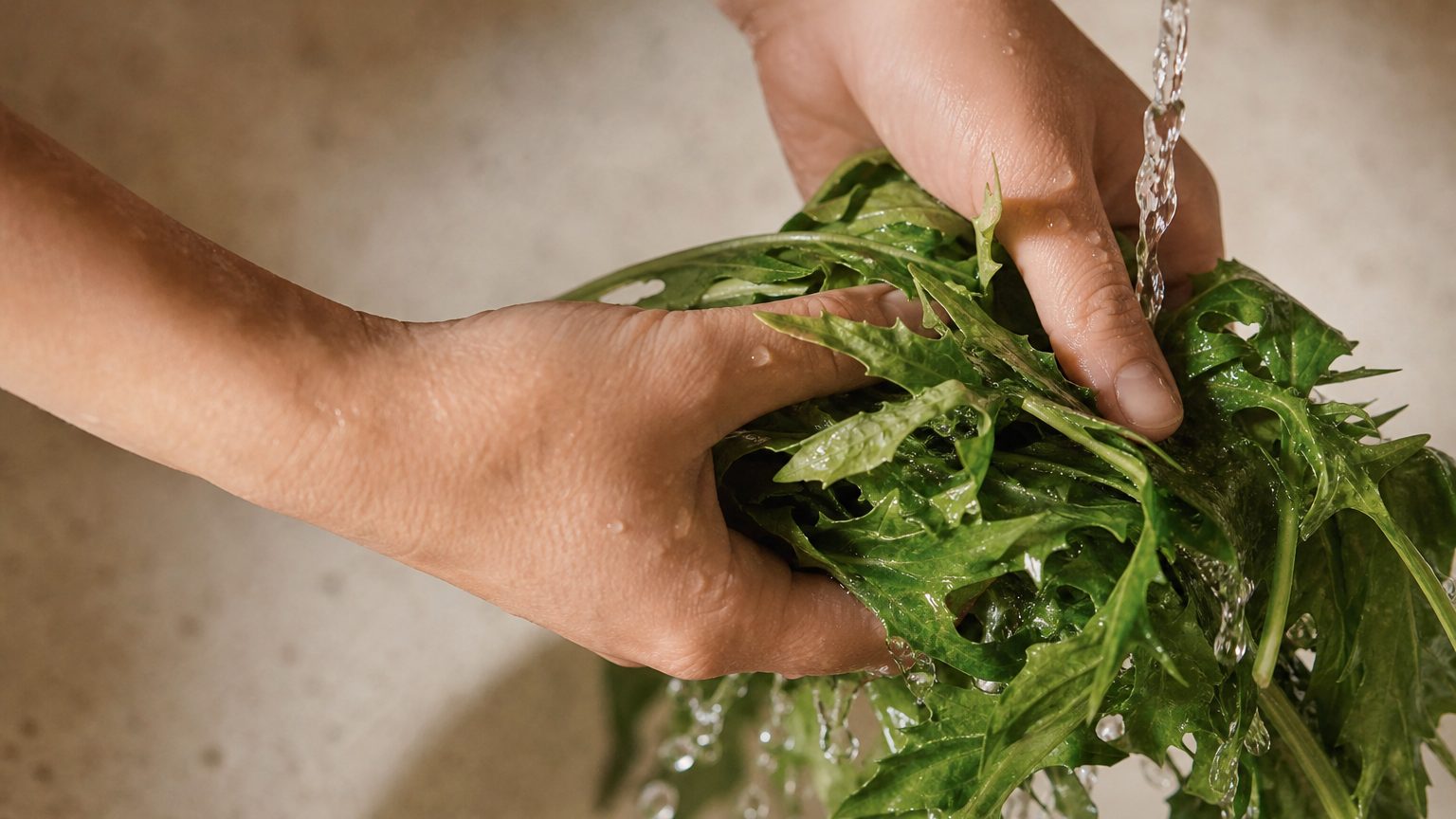
Food safety also matters. Wash your hands before preparing food and after using the bathroom, changing diapers, handling soil, or cleaning up after animals. Rinse produce under safe running water, keep raw animal foods separate from ready-to-eat foods, and cook meat and seafood to appropriate food-safety temperatures. Use treated water when local guidance says tap or outdoor water may be unsafe.
These steps help reduce exposure and household spread, but they are not a cleanse. They also do not replace evaluation after a meaningful exposure. If one household member receives a diagnosis, ask the clinician whether anyone else needs testing or specific hygiene steps. Do not give everyone the same supplement or medication automatically.
Be skeptical of claims that fasting, juice-only plans, coffee enemas, or aggressive laxative routines can flush out an unknown organism. These approaches can disrupt hydration and bowel function without identifying the cause of your symptoms. Seeing stringy material afterward does not prove that parasites were removed.
No ordinary food has been shown to act as a universal dewormer in humans. Garlic, papaya seeds, pumpkin seeds, and other foods may appear in traditional practices or early research, but laboratory findings do not establish a dependable human protocol. Read more about the limits behind foods claimed to kill parasites while keeping a balanced diet at the center of your routine.
Understand Evidence and Limits
Research on parasite cleanse ingredients is mixed and often preliminary. Some plant compounds show activity against certain organisms in laboratory dishes or animal studies. Those findings can help researchers identify promising compounds, but they do not show that a retail supplement reliably produces the same outcome in people.
Human evidence may involve small studies, a specific extract, or participants with a laboratory-confirmed organism. Results cannot automatically be extended to a different herb, dose, product, or unidentified digestive complaint. Formulation matters because two products with the same plant name may use different plant parts, extraction methods, and concentrations.
You should also separate digestive support from parasite removal. An ingredient that promotes regular bowel movements may make you feel less constipated, but that change does not confirm that an organism was present or removed. Likewise, temporary appetite changes, fatigue, loose stools, or unusual material in the toilet do not prove a cleanse is working.
This is why there is no evidence-based answer to what is the best parasite cleanse for everyone. The appropriate response depends on whether an organism is actually present and, if so, which one. For a confirmed infection, targeted clinician-directed care has a clearer role than a general cleanse. Without confirmation, focus on digestive support while investigating persistent symptoms.
Give routine changes enough time to judge tolerability, but do not create an arbitrary cleanse cycle or keep increasing the amount. More is not necessarily more effective, and combining several concentrated ingredients makes it difficult to identify what caused a reaction. Follow the product label and reassess with a healthcare professional if your original concern remains.
Know the Safety Boundaries
Parasite cleanses can cause unwanted effects even when their ingredients are natural. Depending on the formula, possible concerns may include nausea, cramping, diarrhea, constipation, dehydration, or interactions with medication. Concentrated herbal ingredients do not have the same safety profile as ordinary culinary amounts.
Check the full ingredient list rather than relying on front-label phrases. Avoid combining several cleanse products, especially if they contain overlapping herbs, stimulant laxatives, or high amounts of the same nutrient. Our guide to parasite cleanse safety explains common risk factors without assuming that every formula is identical.
Contact a healthcare professional promptly for severe or worsening abdominal pain, repeated vomiting, blood or black material in the stool, signs of dehydration, high fever, confusion, or persistent diarrhea. These signs do not automatically mean you have a parasite, but they should not be managed by extending a cleanse.
Seek professional guidance before use if you take prescription medication, are pregnant or breastfeeding, have kidney or liver conditions, or live with any existing medical condition. Children need pediatric guidance because adult products and schedules may not be appropriate for them. Pets should be evaluated by a veterinarian rather than given human supplements.
Finally, avoid treating a cleanse as a routine requirement for everyone. Repeated cleansing without a clear reason may distract from other causes of digestive symptoms. A safer approach combines exposure awareness, appropriate testing, ordinary food-safety habits, and a consistent wellness routine. Supplements can support that routine, but they cannot tell you whether an infection is present.