
Garlic and Joint Comfort: Dose and Evidence
 Written by Nauder Khazan
Ask AI about this article and Factor4 - Advanced Inflammation Management





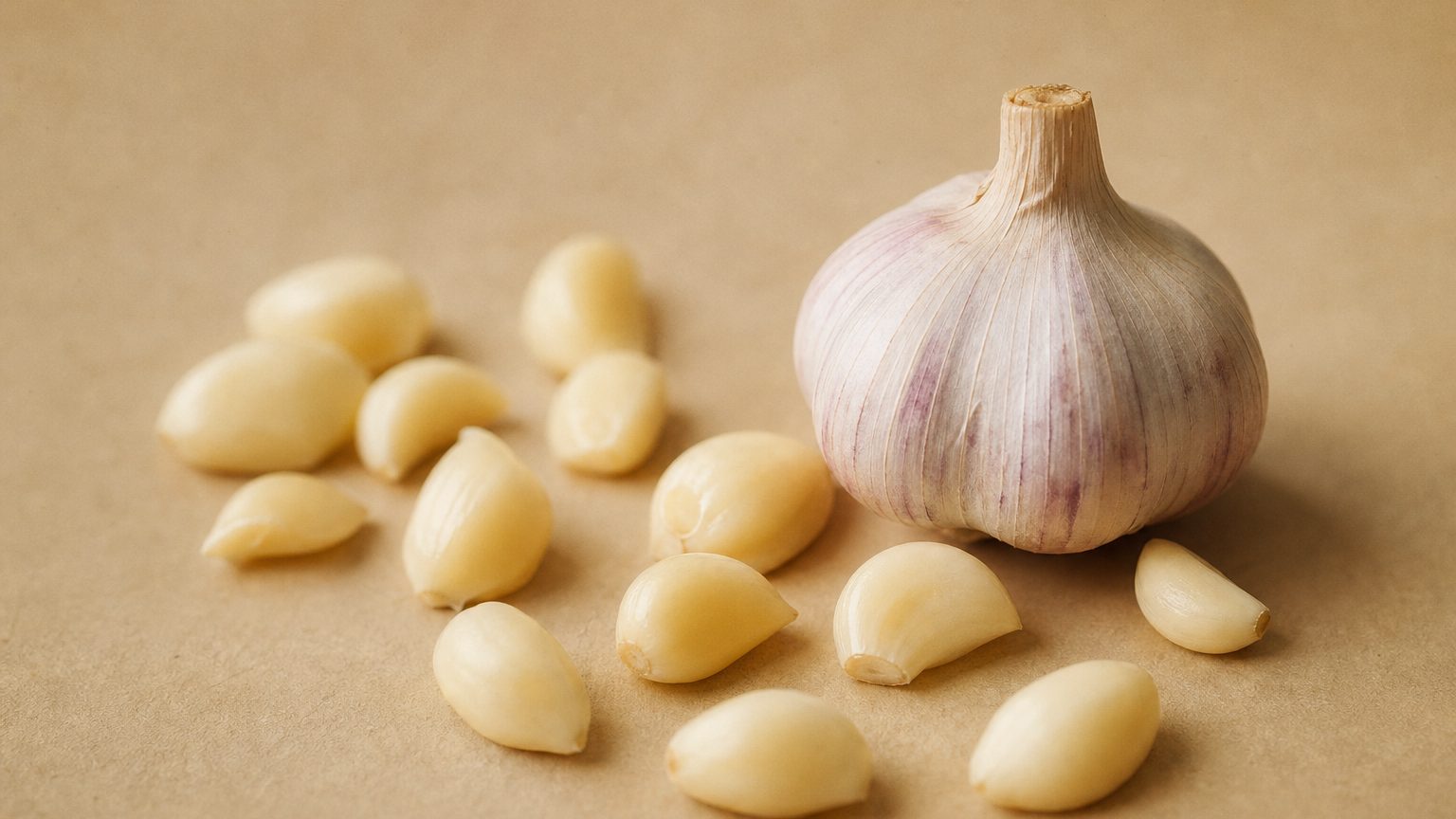
Garlic may support joint comfort, but the human evidence is limited and comes mainly from small studies involving specific forms and doses. Raw, cooked, aged, powdered, and oil-based garlic are not interchangeable because their active compounds differ. Here is what the research covers, what study doses mean, and how to use garlic safely.
Key Takeaways
- Evidence remains limited: A few small trials reported encouraging joint-comfort findings, but garlic is not a proven treatment for arthritis or unexplained joint pain.
- Preparation changes the chemistry: Allicin forms when raw garlic is chopped or crushed, then breaks down quickly.
- Forms are not interchangeable: Aged extract, powder, oil, raw cloves, and cooked garlic provide different sulfur compounds.
- Study doses need context: Some joint studies used 1,000 mg of garlic powder tablets daily, but that does not establish a standard personal dose.
- Interactions deserve attention: Concentrated garlic may increase bleeding risk and interact with anticoagulants and certain HIV medications.
What the Joint Research Actually Covers
Most claims about garlic for joint pain reach beyond the available human evidence. Laboratory and animal studies show that garlic sulfur compounds interact with oxidative and inflammatory pathways. These pathways are part of how cells respond to stress. That biological activity is interesting, but it does not automatically mean eating garlic will relieve painful joints.
Human research is small. In a 12-week randomized trial involving 80 women with knee osteoarthritis, participants received either 1,000 mg of garlic tablets per day or a placebo. The garlic group reported a modest difference in pain, while stiffness and physical function did not clearly improve. Researchers also measured resistin, a signaling protein associated with inflammatory activity. You can review the study through PubMed. A single small trial cannot establish that garlic works for everyone.
Small studies have also examined garlic preparations in people with rheumatoid arthritis. Some reported changes in symptoms or laboratory markers, but the studies were short and involved narrow groups of participants. They do not show that garlic treats rheumatoid arthritis or replaces medical care.

Human studies of garlic and joint comfort are small, so their results should be viewed as preliminary rather than conclusive.
Arthritis includes more than 100 diagnosed conditions. Osteoarthritis, rheumatoid arthritis, gout, injuries, and infections do not have the same cause. Talk to your doctor if pain is persistent, recurring, swollen, or limiting movement. There is also no solid clinical evidence that rubbing garlic or homemade garlic oil on a painful knee provides meaningful relief.
Allicin and Why Preparation Matters
Allicin gets much of the attention, but an intact garlic clove contains very little allicin. Instead, it stores a sulfur compound called alliin separately from an enzyme called alliinase. An enzyme is a protein that helps a chemical reaction happen. Crushing or chopping the clove brings alliin and alliinase together, allowing allicin to form.
This reaction starts quickly, but allicin is unstable. It soon changes into other sulfur compounds. Heat can also deactivate alliinase before much allicin forms. That is why swallowing a cooked clove is chemically different from taking a tablet designed to release compounds that can produce allicin.
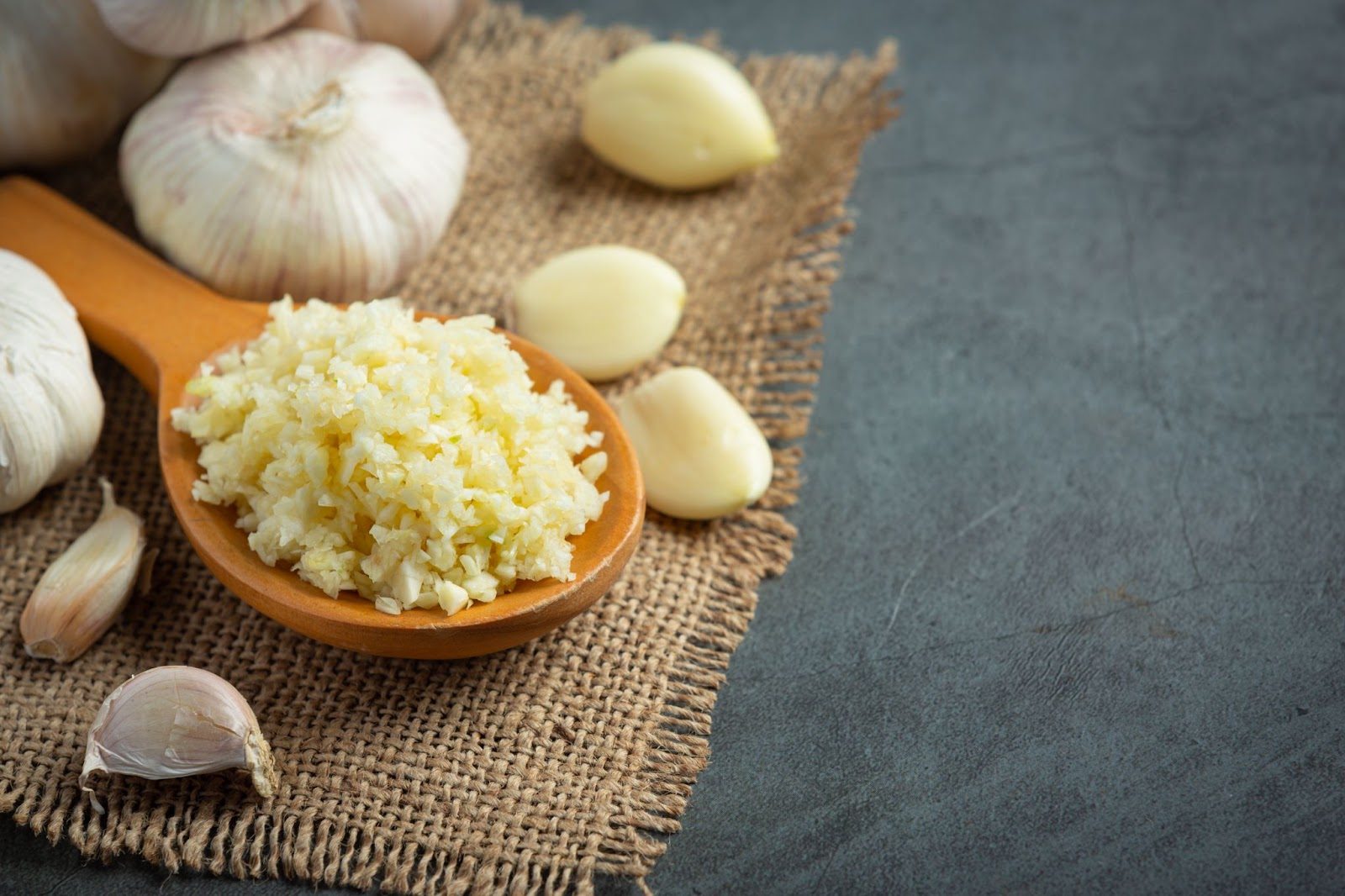
Crushing raw garlic allows alliin and alliinase to react, briefly forming unstable allicin.
If you cook with fresh garlic, crushing it and letting it rest for about 10 minutes before heating may give the enzyme more time to work. This is a practical food-preparation method, not a clinically established joint-pain treatment. Long cooking, high temperatures, and immediate heating generally leave less opportunity for allicin formation.
Supplement labels may list "allicin potential" rather than actual allicin. This estimates how much allicin a powder could produce under controlled conditions. It does not guarantee the same amount will form in your digestive tract. Stomach acid can deactivate alliinase, which is why some garlic powder tablets use an enteric coating that delays opening until the tablet reaches the intestine.
Garlic is often described as anti-inflammatory because its compounds affect inflammatory signaling in laboratory experiments. That description should not be confused with proof that raw garlic relieves arthritis or that more allicin is always better.
Aged Extract, Powder and Oil
The form matters as much as the milligram number. Processing changes which garlic compounds remain, so two products labeled "garlic" can have very different chemical profiles.
Garlic powder is made from dehydrated cloves. Carefully processed powder may preserve alliin and alliinase, giving it measurable allicin potential when moisture is added. Heat exposure, storage, tablet coatings, and digestion can all affect the result. If a label discusses allicin, look for a standardized allicin potential or yield rather than relying only on total powder weight.
Aged garlic extract is produced by storing sliced garlic in an alcohol and water solution for an extended period. During aging, harsh and unstable compounds change into more stable, water-soluble compounds such as S-allyl cysteine. Aged extract generally provides little meaningful allicin. Its advantages are more consistent standardization, less odor, and often better digestive tolerance. Research on aged extract cannot be applied directly to raw cloves or ordinary garlic oil.

Garlic powder, aged extract, and garlic oil contain different mixtures of sulfur compounds and cannot be compared by milligrams alone.
Garlic oil is usually made by steam distillation or by soaking garlic in another oil. It contains oil-soluble sulfur compounds but little or no allicin. Oil macerates, essential oil, and culinary garlic-infused oil are also different products. Do not use homemade garlic oil as a topical remedy. Concentrated garlic can irritate skin and has caused chemical burns.
Cooked garlic remains a flavorful food and provides nutrients and sulfur compounds. It simply should not be treated as equivalent to a standardized preparation from a clinical study. Garlic pills are mainly useful for delivering a defined form conveniently, not because every pill has the same effects.
Doses Used in Studies
There is no established garlic dose for joint pain. The figure most often associated with joint research is 1,000 mg of garlic powder tablets per day, used for about 8 to 12 weeks in small trials. In at least one knee osteoarthritis trial, that total was provided as tablets rather than as fresh cloves. This is research context, not a recommendation to copy the dose.
A fresh clove may weigh roughly 3 grams, but its weight does not tell you how much allicin will form. Variety, age, crushing, resting time, cooking, and digestion all matter. One gram of garlic powder is also not equivalent to one gram of aged extract. Garlic oil is even less comparable because it supplies a different group of compounds.
For a supplement, follow the label directions. Do not combine multiple garlic products just to reach a number used in a study. Taking a capsule with food may help if it causes nausea or heartburn, unless its label gives different instructions. Give any routine enough time to evaluate consistently, and track pain, stiffness, swelling, activity, sleep, and medication changes rather than judging one day.
If you have diagnosed arthritis or another medical condition, ask your doctor before trying a concentrated product. Your treatment plan matters more than matching a study dose. Food amounts of garlic can still be part of a balanced eating pattern. For activity-specific considerations, see our guide to garlic for runners.
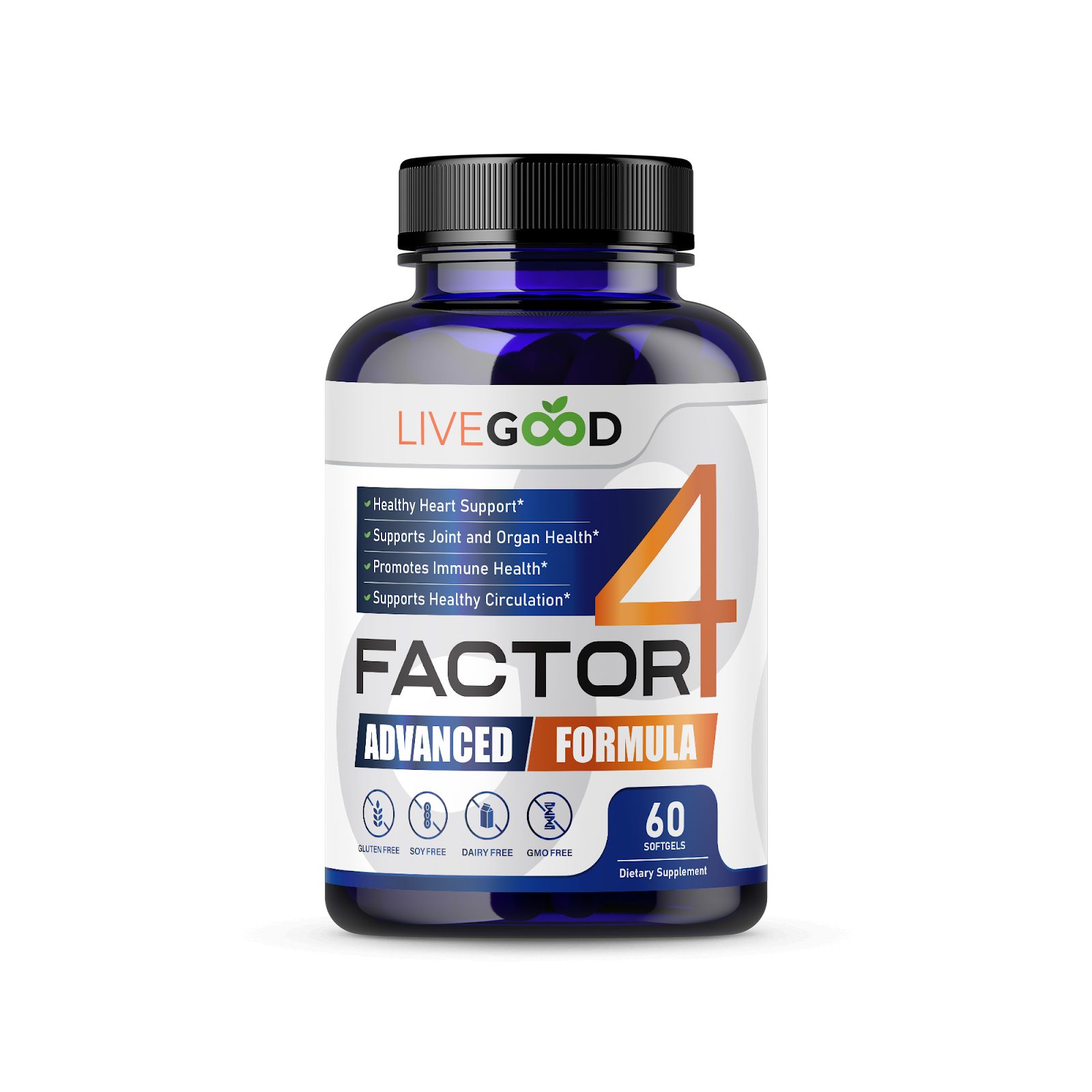
Factor4 - Advanced Inflammation Management is LiveGood's number two seller and was formulated by one of the world's top immunologists. It is the first and only inflammation management supplement combining fish oil, turmeric, Coenzyme Q10, and garlic in one bottle, four widely researched ingredients selected to support a healthy inflammatory response. Follow the label directions. Members pay $19.95 versus $29.95 retail, supporting LiveGood's mission to "Provide the highest quality supplements in the world, at the lowest prices possible."
Side Effects and Interactions
Garlic in normal food amounts is generally well tolerated. Raw garlic and concentrated supplements can cause breath or body odor, heartburn, reflux, nausea, gas, abdominal discomfort, or diarrhea. Raw cloves may be especially harsh on an empty stomach. An allergy is uncommon but possible. Stop using a product and seek care for hives, facial swelling, wheezing, or trouble breathing.
The most important concern is bleeding. Garlic supplements can affect platelet activity, which is part of how blood forms clots. This may add to the effects of anticoagulants and antiplatelet medicines, including warfarin, apixaban, rivaroxaban, clopidogrel, and aspirin. Talk to your doctor or pharmacist before taking concentrated garlic with any prescription medication. Tell your surgical or dental team about it well before a procedure.
Concentrated garlic can affect bleeding and interact with medications, making a safety check essential.
Garlic supplements may also interact with some HIV medications. A documented concern involves saquinavir because garlic preparations may change how much medication remains in the body. Do not combine garlic supplements with HIV treatment unless the prescribing clinician approves it.
Talk to your doctor before use if you are pregnant or breastfeeding, have a bleeding disorder, have kidney or liver disease, take prescription medicines, or live with another medical condition. Food use and concentrated supplementation are not the same level of exposure.
Garlic is not known as a typical cause of joint pain. However, stop a new supplement and seek medical advice if a symptom appears soon after starting it. Get prompt care for sudden severe pain, a hot or very swollen joint, fever, inability to bear weight, or pain following an injury. Those signs need assessment rather than a home remedy.
Frequently Asked Questions
Does garlic help with joint pain?
Garlic may support joint comfort for some people, but the clinical evidence is limited. Small studies using specific garlic tablets have reported modest differences in pain or inflammatory markers, while other measures did not clearly improve. Garlic should not replace an arthritis evaluation or treatment plan. Persistent, swollen, or unexplained joint pain belongs with your doctor.
How much garlic should you take?
There is no established garlic dose for joint pain. Some small studies used 1,000 mg of garlic powder tablets daily for 8 to 12 weeks, but that amount cannot be translated directly into raw cloves, aged extract, or oil. Follow your product's label and ask your doctor before use if you take medication or have a medical condition.
Is aged garlic extract better?
Aged garlic extract is not automatically better, but it is more stable and may be easier to tolerate. It contains compounds such as S-allyl cysteine rather than meaningful amounts of allicin. Choose it when you want that specific standardized form, not as a substitute for the garlic powder used in a different study. Joint-specific evidence remains limited for every form.
Does cooking destroy garlic's active compounds?
Cooking can sharply reduce allicin formation, especially when an intact or freshly chopped clove is heated immediately. Crushing garlic and waiting about 10 minutes before cooking gives alliinase time to form allicin. Heat does not remove every useful garlic compound, but cooked garlic is chemically different from raw crushed garlic or a standardized supplement.
Who should avoid garlic supplements?
People with bleeding disorders or relevant medication interactions should avoid garlic supplements unless their doctor approves them. Extra caution is needed with anticoagulants, antiplatelet drugs, some HIV medications, and upcoming surgery. Talk to your doctor during pregnancy or breastfeeding, or if you have kidney disease, liver disease, another medical condition, or take any prescription medicine.