
Grape Seed Extract and Brain Health
 Written by Ben Glinsky
Ask AI about this article and Organic Super Reds





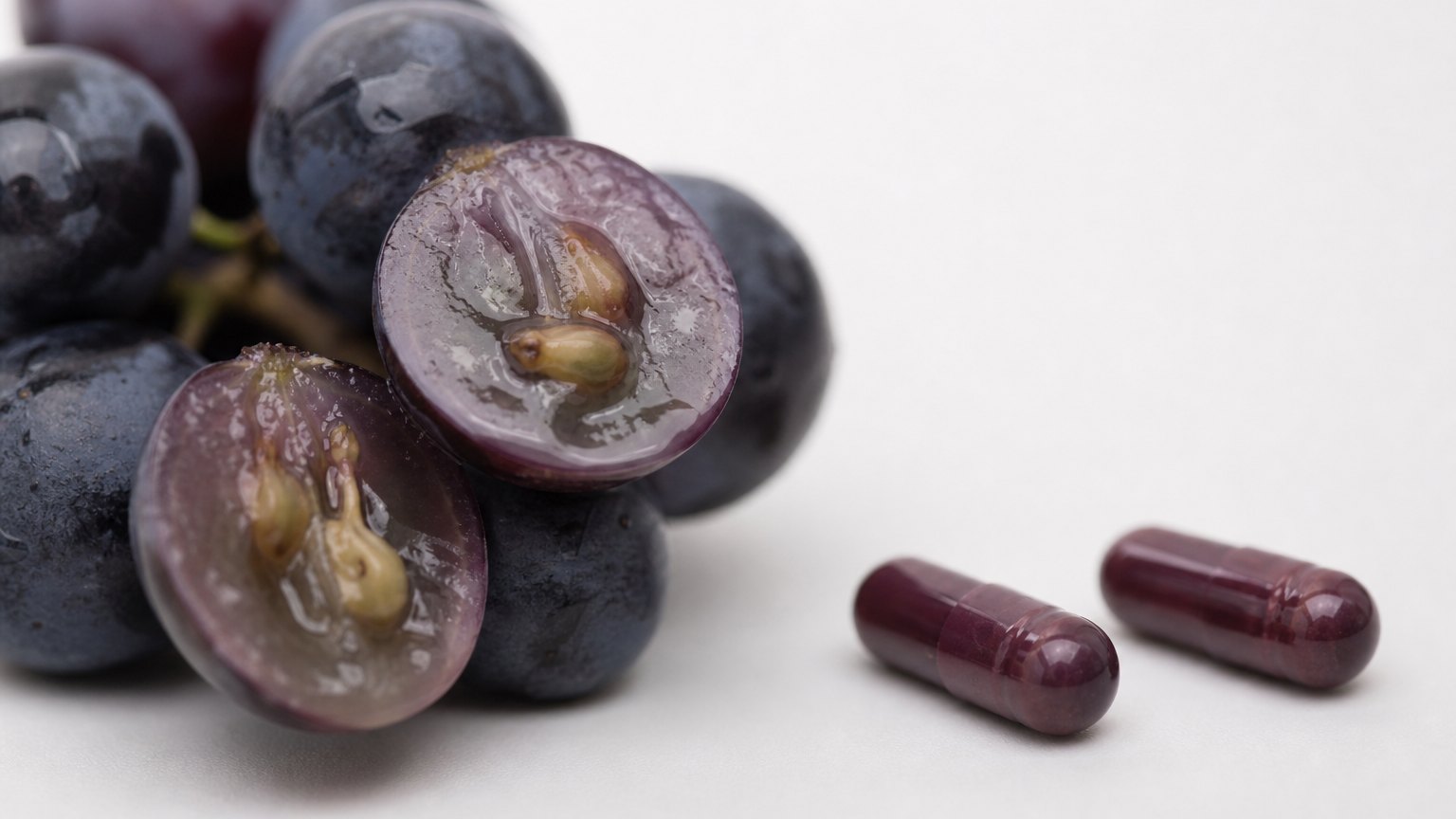
Grape seed extract may support cognitive function through its effects on blood vessel health and circulation, but direct evidence for a brain benefit remains limited. The most defensible explanation involves endothelial function and cerebral blood flow, not claims that the extract directly protects brain cells. Here is what the research can and cannot tell you.
Key Takeaways
- The vascular pathway matters: Grape seed compounds may support the inner lining of blood vessels and healthy blood flow.
- Brain evidence is preliminary: Direct research on grape seed extract and cerebral blood flow is much smaller than the broader circulation literature.
- Cognitive findings are mixed: Small trials have measured memory, attention, and processing speed, with inconsistent results.
- Prevention claims go too far: Grape seed extract has not been shown to prevent or treat dementia, Alzheimer's disease, or cognitive decline.
- Medication interactions matter: The extract may increase bleeding risk and add to the effects of blood pressure medication.
What Grape Seed Extract Contains
Grape seed extract is made by concentrating compounds found inside grape seeds. Its best-known components are polyphenols, a broad family of plant chemicals. Polyphenols include proanthocyanidins, which are sometimes called oligomeric proanthocyanidin complexes, or OPCs.
Proanthocyanidins can interact with unstable molecules called free radicals. Free radicals are produced during normal metabolism and in response to factors such as pollution, smoking, and ultraviolet light. Antioxidants help manage these molecules, but that does not mean an antioxidant supplement automatically improves memory or protects the brain. The body uses a complex network of antioxidant systems, and laboratory activity does not always translate into a meaningful human outcome.
Grape seed extract can also contain smaller amounts of other phenolic compounds. The exact composition depends on the grape variety, extraction method, and degree of standardization. A label that lists only total milligrams may not tell you how much proanthocyanidin material the serving provides.
Whole grapes, grape juice, grape skin extract, and grape seed extract are not interchangeable. They contain different amounts and combinations of fiber, sugar, anthocyanins, resveratrol, and proanthocyanidins. This matters when you compare products or read a study. Results from one specific standardized extract cannot automatically be applied to every grape-derived powder or blend.
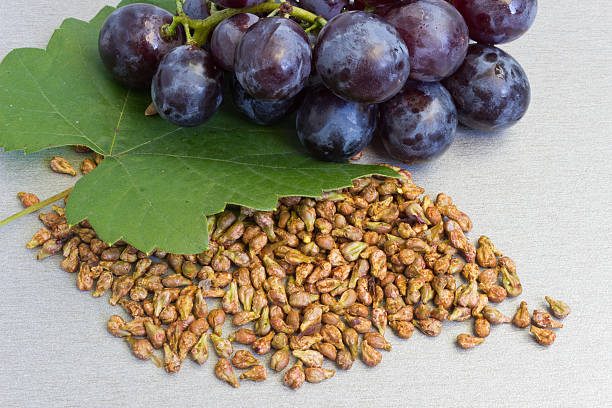
Grape seeds contain proanthocyanidins, but extract composition and concentration can vary by product.
The Vascular Mechanism
The strongest case for a connection between grape seed extract and cognitive function starts with the vascular system. Vascular refers to the heart and blood vessels. Your brain requires a steady supply of oxygen and glucose, and both arrive through the bloodstream.
The endothelium is the thin layer of cells lining the inside of your blood vessels. A healthy endothelium helps vessels widen or narrow as needed. One molecule involved in that process is nitric oxide. Nitric oxide signals the smooth muscle around a blood vessel to relax, which supports normal circulation.
Proanthocyanidins may influence this pathway by helping maintain nitric oxide availability and supporting the body's response to oxidative stress. Human research has examined grape seed extracts in relation to peripheral circulation, meaning blood flow outside the brain. Some findings suggest an effect on measures of endothelial function, although results vary with the extract, dose, study population, and testing method.
This vascular framing is more cautious than saying grape seed extract directly protects neurons. A healthier blood vessel response could, in theory, support the delivery of oxygen and nutrients during mental activity. That is a plausible mechanism, not proof of better thinking or memory.
Blood pressure and blood flow are related, but they are not the same measurement. You can read more about that distinction in our guide to grape seed extract and blood pressure. Research on an ingredient also should not be treated as evidence that every supplement containing it will produce the same response.

The proposed cognitive pathway begins with endothelial function, nitric oxide availability, and healthy circulation.
Cerebral Blood Flow Research
Cerebral blood flow means the movement of blood through the brain. The brain regulates this supply closely, increasing flow to active areas while maintaining enough pressure to keep tissue supplied. Researchers sometimes call this neurovascular coupling, which simply means that brain activity and local blood flow change together.
Scientists can study cerebral circulation in several ways. Near-infrared spectroscopy estimates changes in oxygenated blood near the surface of the brain. Transcranial Doppler ultrasound measures blood velocity in larger brain arteries. Magnetic resonance imaging can estimate perfusion, or how much blood reaches brain tissue. These methods do not measure exactly the same thing, so their results cannot always be compared directly.
Direct human research connecting grape seed extract with cerebral blood flow is sparse. The broader evidence that grape polyphenols can affect vascular responses makes the idea worth studying, but an improvement in arm blood flow or another peripheral measure does not prove that more blood reaches the brain. It also does not establish that a change in cerebral circulation improves day-to-day cognition.
Timing creates another challenge. An acute study may test blood flow a few hours after one serving. A longer trial may examine vascular adaptation after weeks of use. Those designs answer different questions. Researchers also need to control for caffeine, meals, exercise, sleep, and usual polyphenol intake because each can influence circulation or mental performance.
For now, cerebral blood flow should be viewed as a possible bridge between grape seed compounds and cognition. It is not a confirmed brain-boosting effect.

Cerebral blood flow can be measured in several ways, and each method captures a different part of the vascular response.
What Human Cognitive Trials Measured
Human cognitive trials do not measure a single quality called brain function. They usually divide cognition into specific skills and use timed tasks or questionnaires to test each one. Common outcomes include working memory, attention, reaction time, processing speed, and executive function. Executive function covers skills such as planning, switching between tasks, and resisting distractions.
Some small grape seed extract trials have reported changes in selected cognitive test scores. Other measures within the same study may show no meaningful difference. That pattern matters. If researchers test many outcomes, one or two positive findings can appear even when the overall effect is uncertain. A result on one computerized task also may not translate into a noticeable improvement at work, school, or home.
Participants differ across trials. A study in healthy young adults cannot answer the same question as a study in older adults. Baseline diet, sleep quality, medication use, cardiovascular health, and starting cognitive ability may all affect the result. Extracts also vary in their proanthocyanidin content, making dose comparisons difficult.
Short trials can detect temporary changes in test performance, but they cannot establish lasting brain benefits. Repeating the same task can create a practice effect, where participants improve because the test has become familiar. Well-designed trials use a placebo and blinding to reduce bias, but small groups can still produce unstable estimates.
The fair conclusion is that early human findings justify more research. They do not show that everyone taking grape seed extract will experience sharper focus, faster thinking, or better memory.

Cognitive trials often test memory, attention, reaction time, and executive function as separate outcomes.
Why the Evidence Is Still Thin
The main weakness is scale. Human grape seed extract studies involving cognition tend to include relatively few participants and run for short periods. Small studies can miss a genuine effect, but they can also make a chance finding look larger than it really is. Results need to be repeated by independent research teams in larger groups.
Product variation is another problem. One trial may use a standardized extract with a defined proanthocyanidin content. Another may use a grape beverage, a mixed polyphenol product, or a different extraction process. Even when two labels list the same milligram amount, they may not deliver the same compounds.
Researchers also need to separate vascular outcomes from cognitive outcomes. A measurable change in endothelial function is a useful biological signal, but it is a surrogate outcome. A surrogate is an indirect marker used in place of the result people actually care about. Better circulation does not automatically mean better memory.
Long-term evidence is especially limited. Short changes in attention or blood flow cannot tell us whether an extract influences brain health years later. There is no sound basis for claiming that grape seed extract prevents or treats dementia, Alzheimer's disease, or cognitive decline. Animal and laboratory findings about plaques, inflammation, or brain cells do not establish those outcomes in people.
This is why honest supplement education separates a reasonable mechanism from a proven benefit. Consistent sleep, physical activity, a varied diet, social connection, and management of existing health conditions have a much stronger practical role in supporting cognitive health. A supplement can support a routine, but it is not a substitute for those foundations.
Interactions and Cautions
Grape seed extract is generally tolerated by many adults when used according to label directions, but side effects can occur. Reported concerns include stomach discomfort, nausea, headache, dizziness, or changes in bowel habits. Stop using it and seek medical help if you develop signs of an allergic reaction, such as swelling, hives, or trouble breathing.
Bleeding risk requires special attention. Grape seed extract may affect platelet activity or blood clotting. Combining it with anticoagulants, sometimes called blood thinners, or antiplatelet drugs could increase the chance of bruising or bleeding. Examples include warfarin, apixaban, rivaroxaban, clopidogrel, and daily aspirin. Talk to your doctor or pharmacist before combining grape seed extract with any of these medications. You should also ask how far in advance to stop supplements before surgery or a dental procedure.
Grape seed extract may also have additive effects with blood pressure medication. Additive means the effects could combine, potentially making your blood pressure lower than intended or causing dizziness. Do not change a prescription dose based on a supplement reading or home measurement without medical guidance.
Talk to your doctor before use if you are pregnant or breastfeeding, have a kidney or liver condition, have an existing medical condition, or take prescription medication. Children should use supplements only under professional guidance. There is no established grape seed extract dose for cognitive function, so follow the product label rather than trying to copy a study dose. More is not necessarily better, especially when extracts have different concentrations.
Check medication interactions and follow label directions before adding a concentrated grape seed extract to your routine.
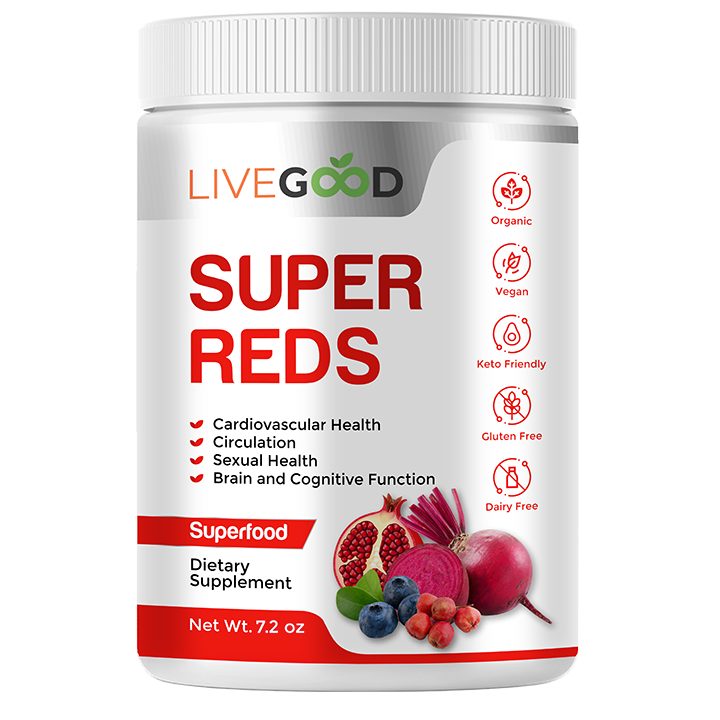
For a convenient circulation-supporting routine, LiveGood Organic Super Reds is a great-tasting red fruit and vegetable extract powder formulated to support the body's nitric oxide production and healthy blood circulation. It contains grape seed among other ingredients, so it is not a concentrated grape seed extract supplement or comparable dose for dose with trials. Mix it with water or a smoothie before a workout or as an afternoon pick-me-up. It is $19.95 for members versus $34.95 retail, helping make everyday wellness more accessible.
Frequently Asked Questions
Does grape seed extract help brain function?
Grape seed extract may support aspects of brain function through vascular health, but a clear cognitive benefit has not been established. Small human trials have measured memory, attention, and processing speed, with mixed or selective findings. It should not be used or promoted as a way to prevent or treat dementia, Alzheimer's disease, or cognitive decline.
How does grape seed extract affect blood flow?
Grape seed extract may support blood flow by influencing the endothelium, the cell layer lining blood vessels, and nitric oxide availability. Nitric oxide helps vessels relax normally. Most supportive human evidence concerns general or peripheral vascular measures, however. Direct evidence that grape seed extract meaningfully increases cerebral blood flow is limited.
How much grape seed extract per day?
There is no established daily grape seed extract dose for cognitive function. Research has used different extracts, concentrations, and serving amounts, so copying a study's milligram dose may not produce the same exposure. Follow the directions on your product label, and do not increase the serving to pursue a brain effect. Ask your doctor if you need individualized guidance.
Can grape seed extract interact with medication?
Yes, grape seed extract can potentially interact with medication. It may increase bleeding risk when combined with anticoagulants or antiplatelet drugs, and it may have additive effects with blood pressure medication. If you take any prescription medicine, talk to your doctor or pharmacist before using it rather than adjusting either the supplement or medication yourself.
Is grape seed extract safe?
Grape seed extract appears to be tolerated by many adults when taken as directed, but it is not risk-free. Possible side effects include digestive discomfort, headache, nausea, or dizziness. Talk to your doctor before use if you are pregnant or breastfeeding, have kidney or liver concerns, live with an existing medical condition, or take prescription medication.