
What Is the Best NAD Supplement?
 Written by Nauder Khazan
Ask AI about this article and NAD+ Dissolvable Strips





The best NAD supplement is a clearly labeled product that fits your routine, budget, and preferred form while setting realistic expectations about the evidence. Research supports some NAD-related ingredients for raising NAD+ biomarkers, but it has not established one universally superior supplement or proved that higher blood NAD+ automatically produces noticeable benefits.
Key Takeaways
- No universal winner: The best NAD supplement depends on its ingredient form, label transparency, quality controls, cost, and convenience.
- Forms differ: Direct NAD+, nicotinamide riboside, and nicotinamide mononucleotide follow different paths in the body and do not have equivalent evidence.
- Biomarkers are limited: Raising NAD+ in blood shows biological activity, but it does not guarantee more energy, sharper focus, or longer life.
- Labels matter: Look for exact ingredient forms, amounts per serving, clear directions, and meaningful quality information.
- Consistency comes first: Choose a format you can use according to label directions without expecting an immediate sensation or quick fix.
Define Best Before Comparing
A NAD supplement is a product containing nicotinamide adenine dinucleotide, usually shortened to NAD+, or an ingredient the body can use to make it. These ingredients are often called NAD+ precursors. If you want a fuller explanation of the molecule's role, start with what NAD+ is in the body.
The phrase "what is the best NAD supplement" sounds like it should produce one brand or ingredient. Current research does not support such a simple ranking. A product can increase an NAD-related blood marker without improving every outcome that matters to you, and two products with similar front-label claims may contain completely different ingredients.
Define what "best" means before shopping. You might prioritize human research, a simple formula, a dissolvable format, third-party testing, vegan ingredients, or a manageable cost per daily serving. Those priorities can point to different products.
Be cautious with lists naming the best NAD+ supplement on the market based mainly on popularity, celebrity use, or a proprietary scoring system. A responsible comparison should explain why a form was selected, whether the cited research involved that exact ingredient, and whether the study measured a laboratory biomarker or a practical outcome.
Age and sex usually do not create separate definitions of quality. Products marketed as the best NAD+ supplement for men, women, or adults over 50 still need the same basic evaluation: a transparent formula, relevant evidence, reliable manufacturing, and realistic claims.
Compare the Available Forms
Direct NAD+ supplies the complete molecule. NAD+ is large and participates in cellular reactions, so researchers continue to examine how effectively different oral and dissolvable formats deliver it. Claims that a strip or liquid must absorb better than every capsule require direct human comparisons. Convenience alone does not establish superior absorption.
Nicotinamide riboside, shortened to NR, is a form of vitamin B3 that the body can convert into NAD+. NR has several controlled human trials showing changes in blood NAD-related metabolites. That makes it one of the more studied precursor forms, although study results for physical performance, cognition, and other practical outcomes remain mixed.
Nicotinamide mononucleotide, shortened to NMN, is another NAD+ precursor. Small, generally short human trials have examined its absorption, tolerability, NAD-related biomarkers, and selected measures of metabolic or physical function. The evidence base is growing, but differences in study populations, formulations, and endpoints make broad conclusions difficult.
Niacin and nicotinamide are established vitamin B3 forms that also contribute to NAD+ production. They are not interchangeable with NR or NMN. Niacin can cause flushing, while large supplemental amounts of either form may create safety concerns. Do not assume that taking more vitamin B3 will keep raising NAD+ or produce better results.
NADH is the reduced form of NAD+, meaning it carries electrons used in cellular energy reactions. It belongs to the same biochemical pair, but a product labeled NADH should not be treated as identical to NAD+.
No form can currently claim universal superiority. Compare evidence for the exact ingredient and delivery format rather than grouping every NAD-related product together.
Read Human Evidence Carefully
The strongest ingredient evidence answers a narrow question: Did researchers test this specific form in people, and what did they measure? A randomized controlled trial, where participants are assigned to an ingredient or comparison group, generally provides more useful evidence than testimonials or laboratory studies alone.
For example, a controlled human study of nicotinamide riboside reported increased NAD-related measures in healthy middle-aged and older adults. That finding supports the biological activity of NR. It does not prove that every NR product produces the same change or that everyone will feel more energetic.
Research on NMN has also reported changes in NAD-related biomarkers and selected functional measures. However, many trials include relatively few participants and last weeks or months rather than years. Results from one age group or formulation may not transfer to another.
Direct oral or dissolvable NAD+ has less extensive comparative human research than major precursor categories. That does not establish that direct NAD+ cannot be useful. It means shoppers should be skeptical of precise absorption percentages or claims of superiority unless a company provides relevant research on the same ingredient, dose, and delivery method.
Separate three levels of evidence as you read:
- The ingredient changes a blood or tissue biomarker.
- The ingredient supports a meaningful measure such as perceived energy or physical function.
- The finished product delivers the same result.
These levels are not interchangeable. Research on an ingredient can inform your choice, but it is not proof that a particular branded supplement will reproduce the study outcome.
Use a Label-First Checklist
Start with the Supplement Facts panel rather than the front of the package. It should identify the exact form, such as NAD+, NR, NMN, NADH, niacin, or nicotinamide. "NAD support blend" without specific ingredient amounts makes research comparisons and cost calculations difficult.
Use this checklist before buying:
- Exact form: Confirm which NAD-related ingredient the product contains.
- Amount per serving: Check the listed quantity and number of servings rather than relying on a large front-label number.
- Label directions: Select a routine you can follow consistently without exceeding the directions.
- Added ingredients: Review sweeteners, flavors, allergens, and supporting compounds that may matter to you.
- Quality evidence: Look for lot-specific third-party testing or a certificate of analysis when available.
- Storage needs: Follow temperature, moisture, and light instructions because stability can vary by format.
- Daily cost: Divide the price by the number of labeled daily servings, not simply the number of capsules or strips.
- Claim quality: Avoid products promising to reverse aging, guarantee mental clarity, or produce immediate results.
Good Manufacturing Practice, or GMP, relates to manufacturing and quality-control processes. It does not prove that a supplement is effective. Similarly, an FDA Registered Facility is not the same as FDA approval of the product.
A label-first method works across supplement categories. You can see the same principles applied when choosing an HMB supplement or comparing collagen supplements: identify the form, connect evidence to that form, and compare the actual daily serving.
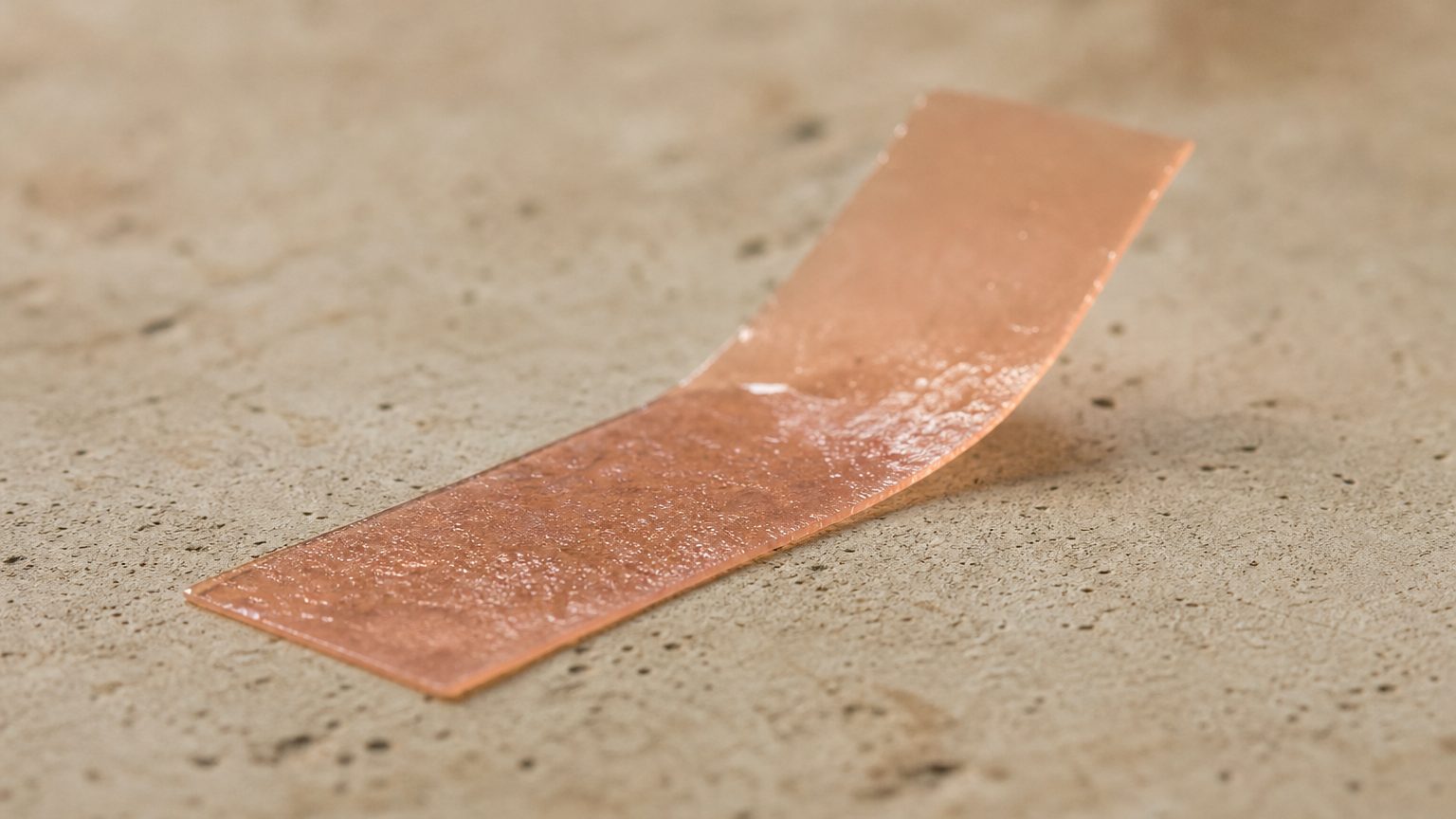
If dissolvable strips fit your routine, LiveGood NAD+ Dissolvable Strips are designed to help support healthy NAD+ levels and cost $14.95 for members versus $29.95 retail. Use them consistently according to label directions rather than changing the serving based on how you feel that day. They are listed as Cruelty Free, Gluten Free, GMP Certified, Non GMO, Vegan, Made in USA, and produced in an FDA Registered Facility.
Match the Format to You
The most effective format in practice may be the one you can use consistently. Capsules are familiar and easy to count. Powders can offer flexible serving formats but require measuring. Dissolvable strips may suit people who prefer not to swallow capsules. Convenience supports adherence, but it does not prove that one delivery system creates a larger biological effect.
Timing claims also deserve caution. NAD+ metabolism follows daily biological rhythms, but human supplement studies have not established one best time for every form and person. Unless the label says otherwise, choose a repeatable time and follow its directions. Taking a product with or without food may depend on the ingredient and your digestive comfort.
Combination formulas require extra scrutiny. Resveratrol often appears alongside NAD+ precursors because both are discussed in healthy-aging research. That pairing does not automatically create a proven synergistic effect, which means an effect greater than the ingredients would produce separately. Multi-ingredient products can also make it harder to identify which compound caused a benefit or side effect.
Do not choose based on the highest number alone. Milligrams of NR, NMN, and direct NAD+ cannot be compared as if they were the same ingredient. More is not automatically better, and an unusually large serving does not compensate for poor testing or unclear labeling.
Finally, decide what outcome you will realistically monitor. A consistent routine, digestive tolerance, cost, and ease of use are observable. Vague promises about feeling younger are not. If you notice no meaningful reason to continue after a reasonable trial following the label, reassess the product rather than continually increasing the amount.
Set Safe, Realistic Expectations
NAD-related supplements may support cellular energy processes, but they do not replace sleep, balanced nutrition, exercise, or medical care. Some people report a subjective change in energy, while others notice nothing. An immediate sensation is not required for an ingredient to affect a biomarker, and a noticeable sensation does not prove that NAD+ levels changed.
Side effects vary by ingredient and serving amount. Human studies of NR and NMN have generally reported reasonable short-term tolerability, but possible digestive discomfort, headache, or other unwanted effects can occur. Niacin can cause flushing. Long-term evidence, especially for newer formulations and combinations, remains more limited than short-term evidence.
Talk with your doctor before using a NAD-related supplement if you take prescription medication, are pregnant or breastfeeding, have kidney or liver conditions, or have any existing medical condition. A clinician can help you consider ingredient-specific risks and whether a supplement may affect your treatment plan. Products for adults should not be given to children or pets without guidance from an appropriate healthcare professional or veterinarian.
Healthy-aging marketing can also stretch beyond the evidence. Raising an NAD-related biomarker does not demonstrate that a supplement reverses aging or extends lifespan in humans. Animal and cell research helps scientists form hypotheses, but it cannot establish those outcomes for people.
The most defensible answer to "what is the best NAD+ supplement on the market" is therefore not a permanent brand ranking. It is a product with a clearly identified form, transparent serving information, credible quality controls, a practical format, and claims that match the limits of human research.