
Is Garlic Anti-Inflammatory? What Research Shows
 Written by Nauder Khazan
Ask AI about this article and Factor4 - Advanced Inflammation Management





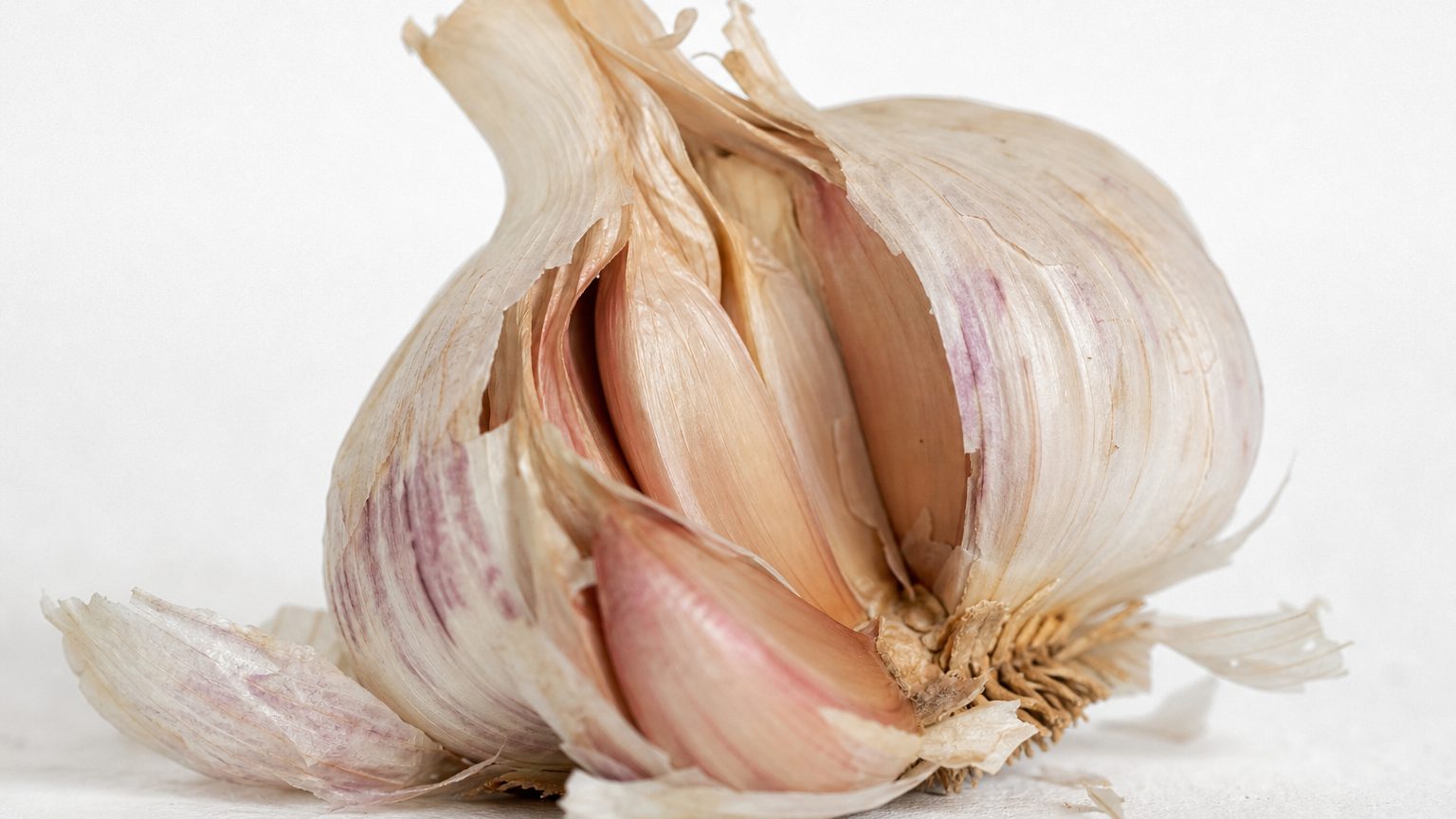
Garlic may support a healthy inflammatory response, and nothing suggests it worsens inflammation for most people. Research interest centers on sulfur compounds such as allicin, but the human studies are generally small and focused on blood markers, not cures or dramatic symptom relief. Preparation also matters because crushing and heat change which compounds you actually get.
Key Takeaways
- Garlic is not generally inflammatory: Most people can include it in a balanced diet without concern that it will worsen systemic inflammation.
- Human evidence is promising but limited: Small trials have reported changes in markers such as CRP, IL-6, and TNF-alpha, but results are not uniform.
- Crushing changes the chemistry: Chopping or crushing raw garlic activates an enzyme needed to form allicin.
- Heat reduces allicin formation: Letting crushed garlic rest before cooking may preserve more allicin-producing activity.
- Supplements require extra care: Concentrated garlic can affect bleeding risk and interact with anticoagulants and some HIV medications.
Where the Good-or-Bad Question Comes From
Inflammation is part of your immune system's normal response to injury, infection, and other stress. Short-term inflammation helps the body respond to a problem. Long-lasting inflammation is different. It can accompany many health conditions, which is why foods are often labeled either inflammatory or anti-inflammatory online.
Garlic does not fit neatly into that good-or-bad framing. It contains organosulfur compounds, meaning natural compounds that contain sulfur. These include allicin and several related substances that researchers study for their effects on cell signaling, antioxidant defenses, and inflammatory markers.
For most people, garlic is not considered an inflammatory food. There is no meaningful evidence that ordinary food amounts increase body-wide inflammation. In fact, most research interest points in the opposite direction, toward possible support for a balanced inflammatory response.
That does not mean garlic agrees with everyone. Garlic is high in fructans, a type of fermentable carbohydrate. People with irritable bowel syndrome or sensitivity to high-FODMAP foods may experience gas, bloating, cramping, or diarrhea after eating it. Those digestive symptoms can feel like an inflammatory reaction, but they do not necessarily mean garlic is increasing systemic inflammation.
Allergy is another, much less common possibility. If garlic causes hives, swelling, wheezing, or other signs of an allergic reaction, seek medical help. The practical answer is that garlic is generally a nutritious food, but your individual tolerance still matters.
What the Marker Studies Show
Human research usually does not measure inflammation as one single thing. Instead, researchers track biomarkers, which are measurable substances in the blood. Common examples include C-reactive protein, or CRP, and signaling proteins called cytokines. IL-6 and TNF-alpha are two cytokines involved in coordinating immune activity.
A systematic review and meta-analysis of randomized trials pooled results from studies testing different garlic preparations. Across the pooled groups, garlic interventions were associated with lower average levels of some inflammatory markers. However, the studies varied in participant health, duration, dose, and garlic form. Some individual results were not statistically clear.
That matters because a marker change is not the same as proving that garlic relieves pain, treats an inflammatory disease, or produces a noticeable benefit. A blood test can move without you feeling different. Small trials can also overestimate an effect, especially when researchers test different products and populations.
Laboratory studies provide possible explanations. Garlic sulfur compounds appear to interact with pathways that regulate cytokines and antioxidant enzymes. Antioxidant enzymes help cells manage reactive molecules produced during normal metabolism. A review of garlic's bioactive compounds discusses these pathways, but much of the mechanistic evidence comes from cells or animals rather than large human trials.
So, is garlic good for inflammation? The evidence suggests it may help support a healthy inflammatory response, but it should be viewed as one part of an overall eating pattern. It is not a replacement for medical evaluation or treatment.
Allicin, Crushing and Heat
An intact garlic clove contains very little allicin. Instead, it stores alliin, a sulfur-containing compound, separately from an enzyme called alliinase. An enzyme is a substance that helps a chemical reaction happen. When you chop, mince, chew, or crush the clove, its cells break open. Alliin and alliinase meet, and allicin begins to form.
This reaction explains the familiar 10-minute garlic rule. After crushing raw garlic, let it rest for about 10 minutes before heating it. The resting period gives alliinase time to work. This does not guarantee a specific allicin dose, but it may preserve more allicin-producing activity than immediately dropping an intact or freshly chopped clove into a hot pan.
Heat complicates the picture. Alliinase is sensitive to high temperatures, so prolonged cooking can inactivate much of the enzyme before it produces allicin. If allicin is your priority, crush garlic first, wait briefly, and add it later in cooking. You can also mix a small amount of raw crushed garlic into dressings, dips, or finished dishes.
Raw garlic is not automatically better for everyone. It can cause burning in the mouth, reflux, nausea, or digestive discomfort. Cooked garlic still contributes flavor, nutrients, and sulfur compounds, even though its allicin potential is lower. Pickled garlic is also variable because processing time, acidity, and heat affect its chemistry.
Preparation is therefore more useful than a simple raw-versus-cooked rule. Choose a form you tolerate and can use consistently. If you want more practical guidance, see our overview of garlic for joint pain, dosage, benefits, and side effects.
Supplement Forms Compared
Garlic supplements are not interchangeable. The amount listed on the front of a bottle may refer to garlic powder, extract, oil, or an equivalent amount of fresh garlic. It does not necessarily tell you how much allicin will become available after you take it.
| Form | What it provides | Practical limitation |
|---|---|---|
| Garlic powder | Dried whole garlic with alliin and potentially active alliinase | Processing and storage can change allicin potential |
| Aged garlic extract | Stable compounds such as S-allyl cysteine | Contains little or no allicin and should not be compared directly with raw garlic |
| Garlic oil | Oil-soluble sulfur compounds | Usually provides minimal allicin |
| Allicin-potential tablets | Ingredients designed to form allicin after swallowing | Actual yield depends on manufacturing and digestion |
| Fresh garlic | Alliin, alliinase, and other food components | Amounts vary by clove, storage, and preparation |
Allicin itself is unstable, so labels often describe allicin yield or allicin potential rather than listing stored allicin. If allicin is your reason for choosing a supplement, look for clear standardization and follow the label directions. More milligrams do not automatically mean a stronger or better product.
Research doses vary widely. Trials have used amounts ranging from several hundred milligrams to a few thousand milligrams of garlic powder or extract per day. Those numbers cannot be converted cleanly into cloves because products differ in concentration and chemistry. Do not increase a serving simply to imitate a study.
Consistency matters more than chasing a quick result. Garlic supplements may support a wellness routine, but they do not replace a varied diet, appropriate medical care, sleep, movement, or prescribed treatment.
LiveGood's number two seller, Factor4 - Advanced Inflammation Management, is formulated by one of the world's top immunologists and is the first and only inflammation management supplement combining fish oil, turmeric, Coenzyme Q10, and garlic. These four widely researched ingredients support a healthy inflammatory response. Follow the label directions and use it consistently. It is $19.95 for members versus $29.95 retail, reflecting LiveGood's mission to "Provide the highest quality supplements in the world, at the lowest prices possible."
Who Should Be Careful With Garlic
Garlic used in normal food amounts is generally well tolerated. Concentrated supplements are more likely to cause side effects or interact with medication, so they deserve a separate safety check.
Garlic can affect platelet activity. Platelets are blood cells that help form clots. This means concentrated garlic may increase bleeding risk, especially when combined with anticoagulants or antiplatelet medicines. These include prescription blood thinners and medicines such as aspirin or clopidogrel. Talk to your doctor or pharmacist before using a garlic supplement if you take any medication that affects bleeding.
Garlic supplements can also interact with some HIV medications. A well-known concern involves saquinavir, since garlic preparations may change how much medication remains in the bloodstream. Anyone taking HIV medication should ask the prescribing clinician before using concentrated garlic.
Tell your medical team about garlic supplements before surgery or a dental procedure. Do not decide when to stop a prescribed medicine or supplement on your own. Your clinician can give instructions based on the procedure and your health history.
Digestive tolerance is another consideration. Because garlic is high in fructans, it can aggravate symptoms in some people with irritable bowel syndrome or other digestive conditions. Capsules may still cause heartburn, nausea, gas, or diarrhea. Stop using the product and seek guidance if symptoms are persistent or severe.
Talk to your doctor before using garlic supplements during pregnancy or breastfeeding, or if you have kidney disease, liver disease, a bleeding disorder, or another existing medical condition. Avoid applying raw garlic directly to the skin because it can cause irritation and chemical burns. Food use and concentrated supplementation are not the same exposure.
Frequently Asked Questions
Is garlic anti-inflammatory?
Yes, garlic contains sulfur compounds that may support a healthy inflammatory response. Small human trials have reported differences in blood markers such as CRP, IL-6, and TNF-alpha, but the evidence is not strong enough to treat garlic as a medical therapy. It is most reasonable to use garlic as part of a balanced eating pattern rather than expecting a dramatic effect.
Can garlic make inflammation worse?
For most people, garlic is not known to worsen systemic inflammation. However, it is rich in fructans and can trigger gas, bloating, cramps, or diarrhea in people with certain digestive conditions. Garlic allergy is also possible but uncommon. Digestive discomfort does not automatically mean body-wide inflammation has increased, though it is still a valid reason to limit or avoid garlic.
Is raw garlic better than cooked?
Raw crushed garlic generally has greater allicin potential than thoroughly cooked garlic. Crushing activates alliinase, the enzyme needed to form allicin, while high heat can deactivate it. Letting crushed garlic sit for about 10 minutes before cooking may help. Cooked garlic still offers nutrients and other sulfur compounds, and it may be easier to tolerate.
How much garlic do studies use?
There is no single research dose that applies to every garlic form. Human trials have used anything from food amounts to several hundred or a few thousand milligrams of garlic powder or extract daily. These products differ in concentration and allicin potential, so their doses are not directly comparable. Follow supplement label directions rather than trying to copy a study dose.
Who should avoid garlic supplements?
People taking anticoagulants, antiplatelet drugs, or some HIV medications should not start garlic supplements without talking to their doctor. The same caution applies before surgery and during pregnancy or breastfeeding. Ask for medical guidance if you have kidney disease, liver disease, a bleeding disorder, digestive sensitivity, or another existing condition. Ordinary food amounts may carry less risk than concentrated products.