
Is Grape Seed Extract Good for Cholesterol?
 Written by Nauder Khazan
Ask AI about this article and Organic Super Reds





Grape seed extract may have a small effect on certain cholesterol markers, but the research is inconsistent and less convincing than the evidence for blood pressure. It is not a substitute for statins, other prescribed medication, or a cholesterol care plan. Here is what the studies measured, why the findings vary, and what deserves priority.
Key Takeaways
- Expect modest results: Some trials reported small changes in LDL, total cholesterol, or triglycerides, while others found little or no effect.
- Keep the evidence in perspective: Findings for lipid markers are generally less consistent than those reported in blood pressure research.
- Do not replace medication: Grape seed extract cannot substitute for a statin or another treatment prescribed for high cholesterol.
- Check for interactions: Grape seed extract may affect bleeding, especially when combined with anticoagulant or antiplatelet medication.
- Focus on proven steps: Diet, activity, weight management when appropriate, and prescribed medication have a much larger role in cholesterol care.
What Grape Seed Extract Contains
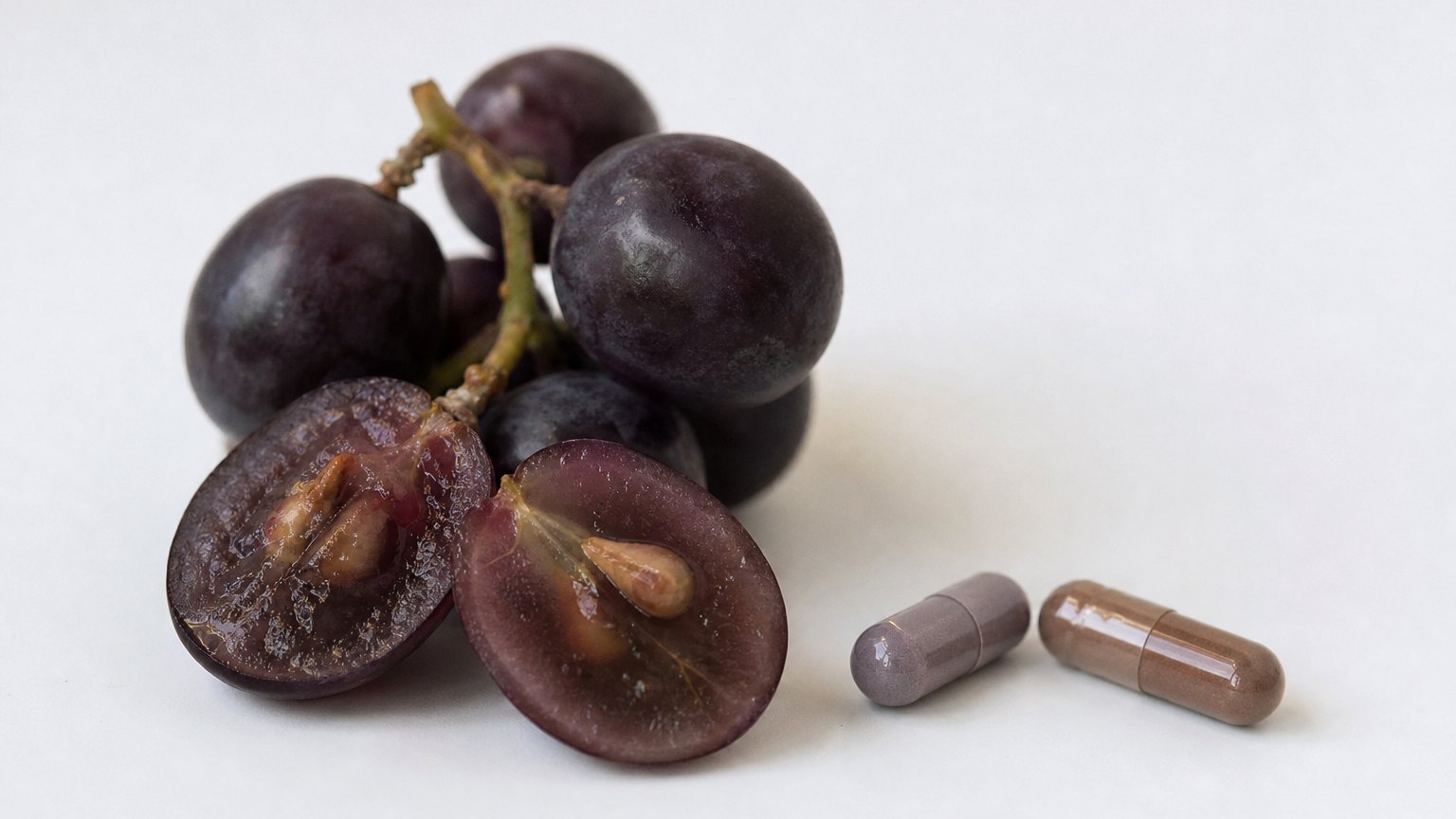
Grape seed extract is made from the seeds of wine grapes, usually Vitis vinifera. Manufacturers dry the seeds and concentrate some of their naturally occurring plant compounds. This makes an extract different from eating grapes or using a red fruit powder that includes grape seed among several ingredients.
The best-known compounds in grape seeds are proanthocyanidins. These belong to a large family of plant chemicals called polyphenols. They can act as antioxidants in laboratory experiments, meaning they can interact with unstable molecules that may damage cells.
You may also see the term OPC on a label. It stands for oligomeric proanthocyanidin complex, a group of relatively small proanthocyanidin molecules. Products do not always use the same extraction method or report the same level of standardization. Two capsules labeled as grape seed extract may therefore contain different amounts and profiles of these compounds.
Antioxidant activity in a test tube does not automatically translate into a meaningful health result in people. Human digestion, dose, product quality, medication use, and overall diet can all change the response. Grape seed extract is also different from grapefruit seed extract, even though both are sometimes shortened to GSE.

Grape seeds contain proanthocyanidins, although their concentration varies between finished extracts.
What the Lipid Research Found
Researchers have tested grape seed extracts and grape seed proanthocyanidins against several lipid markers. Lipids are fats carried in your blood. The main markers include LDL cholesterol, HDL cholesterol, total cholesterol, and triglycerides.
LDL is often called "bad" cholesterol because high levels can contribute to plaque formation in arteries. HDL helps carry cholesterol back toward the liver. Triglycerides are another type of blood fat. Each marker tells your clinician something different, so a small change in one number does not automatically mean overall cardiovascular risk has changed.
A systematic review and meta-analysis of 11 randomized trials combined results from 536 participants. The pooled analysis reported modest average changes in LDL, total cholesterol, and triglycerides, but no clear improvement in HDL. Individual studies did not all agree, and results varied across participant groups and trial designs.
That distinction matters. A statistically significant result means the average difference was unlikely to be random under the study's assumptions. It does not necessarily mean the difference was large enough to change treatment decisions or reduce heart attacks and strokes.
Some small studies have also measured oxidized LDL, a chemically altered form of LDL studied in artery health. Those findings do not show that grape seed extract removes arterial plaque. No supplement has been shown to "flush" cholesterol from the body.
Overall, lipid findings are small and inconsistent. Research on grape seed extract and blood pressure has generally produced a clearer signal, although it still does not replace medical care.
Clinical trials measure LDL, HDL, total cholesterol, and triglycerides as separate lipid markers.
Why the Effects Are Small and Inconsistent
There is no single grape seed extract formula used across all trials. Studies have used different extraction methods, proanthocyanidin concentrations, serving sizes, and treatment periods. Some investigated grape seed alone. Others studied broader grape products or combined ingredients, which makes it harder to identify what caused a result.
The participants also differed. A trial involving healthy adults may not match one involving people with elevated cholesterol, diabetes, obesity, or metabolic syndrome. Starting cholesterol levels matter because someone with a higher baseline value has more room for a measurable change.
Diet and medication can further blur the picture. If participants change their food intake, begin exercising, lose weight, or take lipid medication during a study, those factors can affect the same blood markers. Small trials may not be large enough to separate these influences reliably.
Duration matters too. Many supplement trials last only several weeks. Cholesterol numbers can move during that period, but the studies generally do not follow enough people for long enough to answer the most important question: Does the ingredient reduce heart attacks, strokes, or other cardiovascular events?
Finally, a pooled average can hide mixed responses. A meta-analysis combines several trials to estimate an overall result, but its conclusion is only as reliable as the included studies. When trials are small and use unlike products, the average should be treated as a clue, not a guarantee.
This is why honest supplement education separates an interesting laboratory or blood-test finding from a proven medical outcome. Consistency matters more than quick-fix expectations.
Cholesterol Is Managed Medically
High cholesterol is diagnosed through blood testing and evaluated in the context of your total health. Your clinician may look at LDL, HDL, triglycerides, and non-HDL cholesterol. In some cases, they may also order apolipoprotein B, often shortened to ApoB, which estimates the number of potentially artery-forming particles.
The right target depends on more than one number. Age, blood pressure, smoking, diabetes, kidney disease, family history, and previous cardiovascular events all influence risk. Someone who has already had a heart attack may need a much lower LDL target than someone with a low overall risk.
Statins are among the most studied cholesterol medications. They reduce the liver's cholesterol production and have strong evidence for lowering the risk of heart attacks and strokes in appropriate patients. Other treatments include ezetimibe, PCSK9 inhibitors, bempedoic acid, and triglyceride-focused therapies. A clinician chooses among them based on your risk, laboratory results, medical history, and response.
Never reduce, skip, or stop a statin or another lipid medication because you are taking grape seed extract. A supplement has not been shown to provide equivalent protection. If you have muscle symptoms or another concern about your medication, speak with the prescriber rather than changing the dose yourself. There may be another dose, schedule, or medication that fits you better.
Very high LDL can sometimes reflect familial hypercholesterolemia, an inherited condition that often requires early and ongoing treatment. Supplements are not an adequate response to that diagnosis.

A clinician can interpret your cholesterol results alongside medication use, family history, and overall cardiovascular risk.
Interactions Worth Knowing
Grape seed extract appears reasonably well tolerated in short studies, but "natural" does not mean interaction-free. Reported side effects can include headache, dizziness, nausea, stomach discomfort, or an itchy scalp. Long-term safety data are more limited than short-term data.
The main concern is bleeding. Grape seed compounds may influence platelet activity. Platelets are blood cells that help form clots. Combining grape seed extract with an anticoagulant, sometimes called a blood thinner, could increase bruising or bleeding risk. Examples include warfarin, apixaban, rivaroxaban, dabigatran, and heparin.
The same caution applies to antiplatelet medicines such as clopidogrel and aspirin. Regular use of nonsteroidal anti-inflammatory drugs, including ibuprofen and naproxen, may add to bleeding risk. This does not mean an interaction will happen, but it is a reason to ask your doctor or pharmacist before combining them.
Tell your medical team about supplements before surgery or a dental procedure. Do not make your own changes to prescription medication. Your clinician can advise whether and when a supplement should be paused.
Talk to your doctor before using grape seed extract if you are pregnant or breastfeeding, have a bleeding disorder, have kidney or liver disease, or live with another diagnosed condition. The same advice applies if you take any prescription medication. Supplement labels should provide serving directions, but there is no medically established grape seed extract dose for treating high cholesterol.
What Actually Moves Cholesterol
If your goal is to improve a cholesterol panel, start with steps that have stronger and more predictable evidence. Your plan should still reflect your personal risk and your clinician's advice.
Replace some saturated fats with unsaturated fats. Saturated fat is found in foods such as butter, fatty meats, full-fat dairy, coconut oil, and many baked goods. Unsaturated fats come from foods including olive oil, nuts, seeds, avocado, and fish. The replacement matters. Simply adding olive oil without adjusting the rest of your diet may add calories without producing the intended change.
Eat more soluble fiber. This type of fiber forms a gel in the digestive tract and can reduce the amount of cholesterol absorbed. Oats, barley, beans, lentils, apples, citrus fruit, and psyllium are practical sources. Increase fiber gradually and drink enough water to limit digestive discomfort.
Regular physical activity can help improve triglycerides and support HDL. It also supports blood sugar, blood pressure, sleep, and weight management. Aim for a routine you can repeat, such as brisk walking, cycling, swimming, and resistance training. If you have symptoms or a medical condition, ask your doctor what level is appropriate.
Weight loss can improve lipid markers for people who are above a healthy weight, but crash diets are not needed. Sustainable food and activity changes matter more. Avoiding tobacco and limiting alcohol also support cardiovascular health, especially when triglycerides are elevated.
Most importantly, complete follow-up testing and take prescribed medication as directed. Cholesterol often causes no symptoms, so how you feel is not a reliable measure of whether a plan is working.
Fiber-rich foods, unsaturated fats, regular movement, and prescribed care have stronger evidence for improving cholesterol risk.
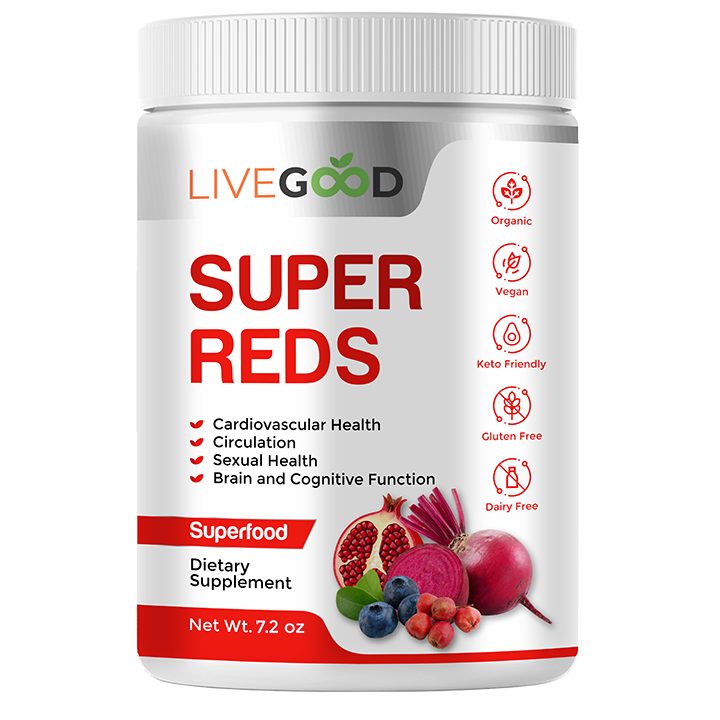
LiveGood Organic Super Reds is a great-tasting red fruit and vegetable extract powder that supports the body's nitric oxide production and healthy circulation. Grape seed is one ingredient, but this is not a concentrated grape seed extract or a cholesterol treatment. Mix it with water or a smoothie as a pre-workout option or afternoon pick-me-up. It is $19.95 for members versus $34.95 retail, helping make daily wellness more accessible. Highest Quality. Lowest Prices. Every Day.
Frequently Asked Questions
Does grape seed extract lower cholesterol?
Some randomized trials have reported modest reductions in LDL, total cholesterol, or triglycerides, but the findings are not consistent across studies. Researchers measured blood markers, not proof that the extract prevents heart attacks or removes plaque. Grape seed extract should not replace a statin, another prescribed treatment, or the diet and activity plan recommended by your clinician.
How much grape seed extract was used in studies?
Study amounts varied, with many trials using a few hundred milligrams per day and others testing different concentrations or schedules. The products were not interchangeable because their proanthocyanidin content and extraction methods differed. There is no established grape seed extract dose for treating high cholesterol. Follow the product label and ask your doctor before use, especially if you take medication.
Can you take it with a statin?
You should ask your doctor or pharmacist before combining grape seed extract with a statin. A major interaction is not well established, but supplement formulas vary and your other medications or conditions may change the risk. Never reduce or stop a statin to use grape seed extract. Your prescriber can review the full combination and arrange follow-up cholesterol testing when needed.
Is grape seed extract safe?
Grape seed extract appears generally well tolerated during short-term use, but it can cause headache, dizziness, nausea, stomach discomfort, or itching in some people. It may also increase bleeding risk, particularly with anticoagulants, antiplatelet drugs, or frequent NSAID use. Ask your doctor before use if you take prescriptions, are pregnant or breastfeeding, or have kidney, liver, or bleeding conditions.
What actually lowers cholesterol?
The strongest plan usually combines a diet lower in saturated fat, more soluble fiber, regular physical activity, weight management when appropriate, and prescribed medication based on your risk. Statins and several other medicines have much stronger evidence than grape seed extract for reducing cardiovascular events. Your clinician can set an appropriate target and repeat blood tests to see whether the plan is working.