
Comparing Joint and Inflammation Supplements
 Written by Ben Glinsky
Ask AI about this article and Factor4 - Advanced Inflammation Management





To compare inflammation supplements, start with the active ingredients and their doses, not the brand names on the front. Then check whether the ingredient form matches the research, how many servings you need, and what the product costs per day. This method helps you compare different formulas without assuming they are interchangeable.
Key Takeaways
- Compare active ingredients first: Two joint or inflammation supplements may use entirely different nutritional approaches.
- Check the amount per serving: Compare disclosed doses with amounts used in human studies, while remembering that research doses are not personal recommendations.
- Look beyond turmeric milligrams: Curcumin content and absorption technology can matter more than the total weight of turmeric powder.
- Add EPA and DHA together: Fish oil weight does not tell you how much of its key omega-3 fatty acids a serving provides.
- Calculate the daily cost: Bottle price can be misleading when serving sizes and servings per container differ.
Different Ingredients, Not Just Different Brands
Supplements sold for joint support or a healthy inflammatory response do not follow one standard formula. One may center on omega-3 fatty acids. Another may use turmeric or a concentrated curcumin extract. Other formulas combine several ingredients, such as Coenzyme Q10, garlic, collagen-related nutrients, or botanical extracts.
That makes a simple brand-versus-brand verdict less useful than it appears. If two products contain different active ingredients, you are not comparing two versions of the same thing. You are comparing different nutritional strategies, each with its own research, dose range, absorption questions, and safety considerations.
Start by deciding what you actually want from the supplement. Your goal might be general support for a healthy inflammatory response, everyday joint comfort, mobility support, or a convenient way to combine nutrients you already planned to take. No dietary supplement should be treated as an immediate solution or a replacement for medical care, movement, sleep, and a balanced diet.

A fair supplement comparison begins with the current official labels and the wellness goal each formula is designed to support.
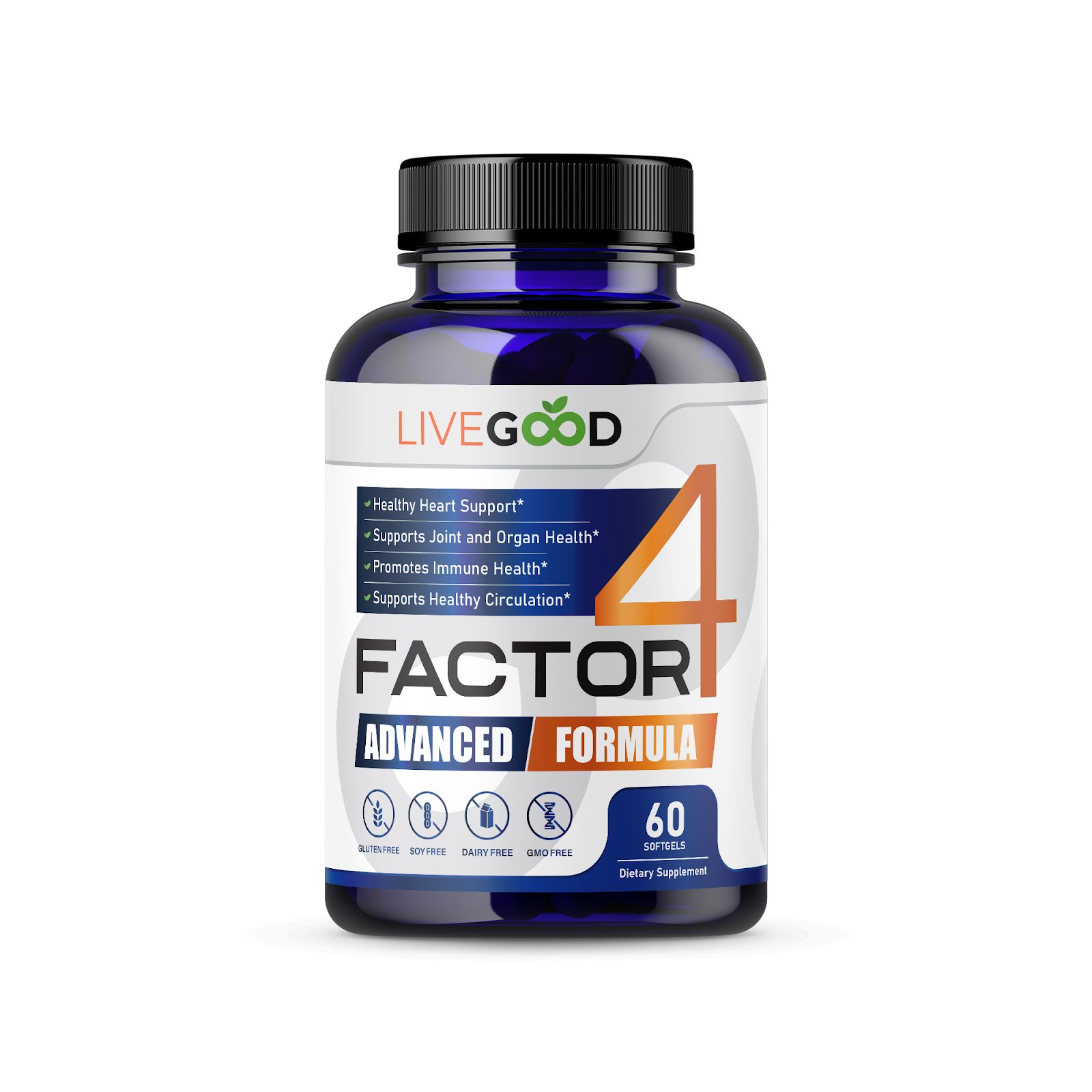
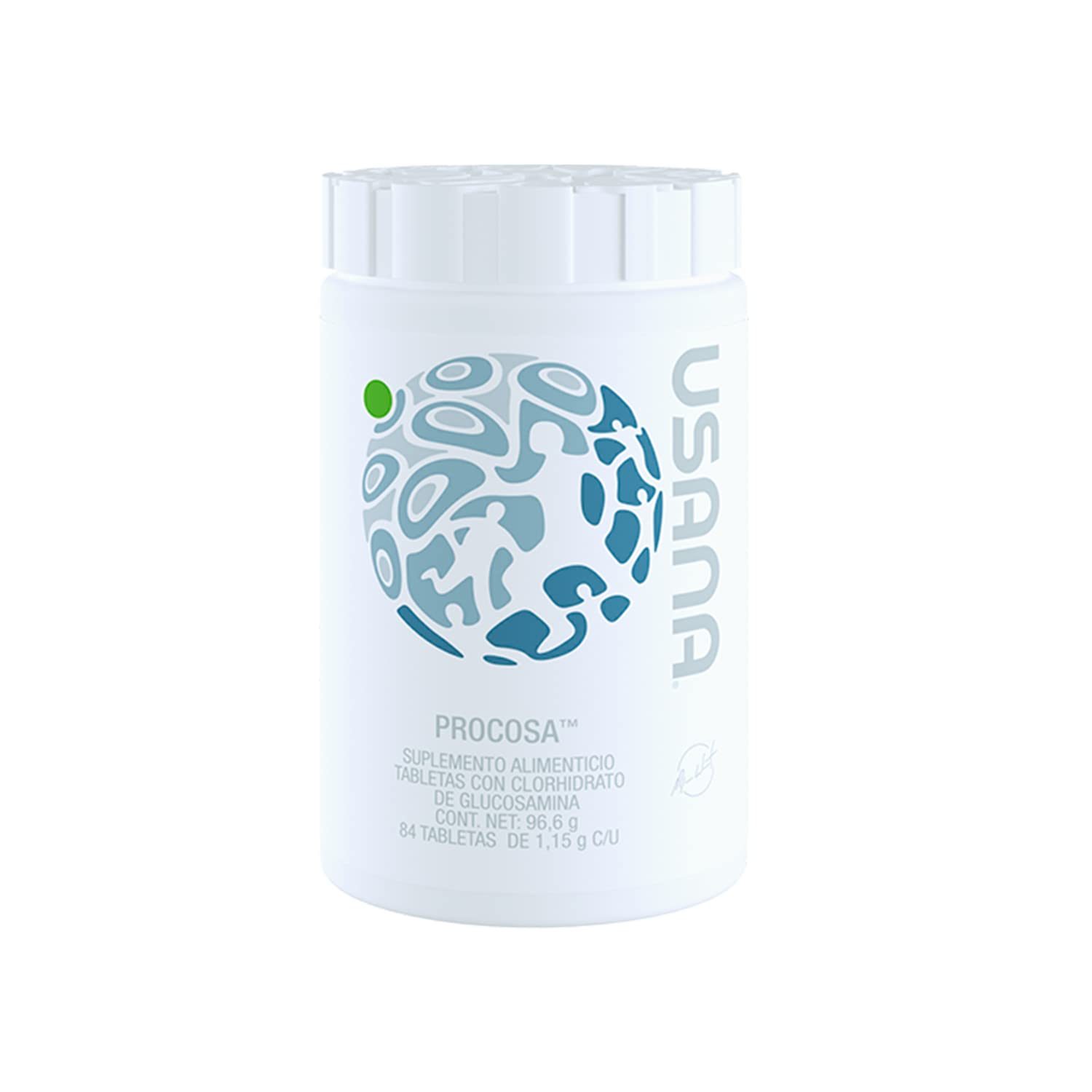
When comparing LiveGood with USANA, check each company's current official label directly. Formulations, serving sizes, and directions can change. Do not rely on an old review, marketplace listing, or social media image. Record the current active ingredients, amounts per serving, suggested serving, and servings per bottle. This gives you a neutral starting point without assuming either formula is automatically better.
Compare by Ingredient and Dose
Once you have the current labels, create one line for every active ingredient. Write down the ingredient name, its form, the amount per serving, and the number of servings suggested each day. Keep inactive ingredients separate. Capsule materials, flavors, and flow agents can matter for personal preferences, but they should not be counted as active doses.
Next, compare each disclosed amount with the range used in relevant human research. Be precise about what was measured. A study may examine joint comfort, mobility, exercise recovery, or laboratory markers related to inflammatory activity. Those outcomes are not interchangeable, and research on an ingredient does not prove that every product containing it will produce the same result.
Watch for these common label traps:
- Turmeric powder is not the same as a standardized curcumin extract.
- Total fish oil is not the same as combined EPA and DHA.
- A blend's total weight does not reveal each ingredient's amount.
- One capsule may not equal one serving.
- A research dose is context, not a reason to exceed label directions.
Record each active ingredient, form, serving amount, and daily schedule before comparing formulas.
Also check how long the studies lasted. Ingredients used consistently for several weeks should not be judged by whether you feel something after one capsule. Evidence can be mixed even when a dose looks similar, because study populations, formulations, diets, and outcomes differ.
Follow the product label rather than trying to recreate a trial on your own. Talk to your doctor before use if you take prescription medication, are pregnant or breastfeeding, have a kidney or liver condition, or manage another existing medical condition. This is especially relevant when a formula combines several active ingredients.
Curcumin Absorption and Why Form Matters
Curcumin is one of the main naturally occurring compounds in turmeric. It is widely researched, but ordinary curcumin is poorly absorbed. In plain terms, only a small portion may reach circulation after you swallow it. The body also breaks it down and removes it relatively quickly.
This is why two labels showing the same number of curcumin milligrams may not be equivalent. Manufacturers use several approaches to improve bioavailability, which means the amount that becomes available for the body to use. These approaches may pair curcumin with phospholipids, place it in a lipid-based carrier, use very small particles, or combine it with piperine from black pepper.
When reading a label, ask four questions:
- Does it list turmeric powder, turmeric extract, curcumin, or total curcuminoids?
- Is the extract standardized to a stated percentage of curcuminoids?
- Does the label identify an enhanced-absorption form or carrier?
- Is the stated amount for the whole ingredient or the active curcuminoids?
Many human studies use roughly 500 to 1,500 mg of curcuminoids per day, although amounts vary widely. Some enhanced formulations are studied at lower doses because their delivery systems differ. That range is research context, not personal dosing guidance.
Curcumin form and delivery technology can be as relevant as the number of milligrams shown on the label.
Do not assume that more milligrams always means better absorption or stronger results. The form, standardization, serving schedule, and study design all matter. Piperine can also affect how the body processes certain medicines, so talk to your doctor if you take prescription medication. For more background, see this overview of natural ingredients studied for inflammatory response support.
Omega-3s: EPA and DHA, Not Fish Oil Weight
A fish oil label often displays a large number on the front, such as the total milligrams of fish oil in a serving. That number includes more than the omega-3 fatty acids most commonly examined in research. For a useful comparison, find the amounts of EPA and DHA in the Supplement Facts panel and add them together.
EPA stands for eicosapentaenoic acid, and DHA stands for docosahexaenoic acid. Both are long-chain omega-3 fatty acids. If one serving contains 300 mg of EPA and 200 mg of DHA, it provides 500 mg combined EPA and DHA, regardless of the larger total fish oil weight.
This calculation lets you compare concentration. A product that requires several softgels may provide a similar combined amount to a more concentrated formula requiring fewer. Neither format is automatically superior. Convenience, capsule size, freshness, dietary preferences, and cost per useful serving can all affect your choice.
There is no single EPA and DHA amount that fits every goal or every person. Human studies range from a few hundred milligrams to several grams per day depending on what researchers are measuring. Higher research amounts should not be copied without medical guidance. Follow label directions and talk to your doctor before using omega-3 supplements if you take prescription medication, have an existing medical condition, or are preparing for a procedure.
Also check the serving unit carefully. If the label lists EPA and DHA for two softgels, do not compare that total with another product's one-softgel amount. Convert both to the actual suggested daily serving before drawing conclusions.
Working Out Cost Per Day
Bottle price is only useful when serving sizes match. A $20 bottle lasting 20 days costs more per day than a $25 bottle lasting 30 days. To make a fair comparison, divide the current purchase price by the number of days the bottle lasts when used according to its label.
Use this simple process:
- Find the servings per container.
- Check how many servings the label suggests each day.
- Divide servings per container by daily servings to find days per bottle.
- Divide the bottle price by days per bottle.
For example, a bottle with 30 servings taken once daily lasts 30 days. At $24, that is $0.80 per day. If a 30-serving bottle is used twice daily, it lasts 15 days. At the same price, it costs $1.60 per day.

Dividing the current price by the number of days per bottle reveals the practical daily cost.
For a more detailed comparison, calculate cost per meaningful amount. With fish oil, you might compare cost per 500 mg of combined EPA and DHA. With curcumin, compare products only after accounting for curcuminoid content and delivery form. Do not treat one milligram of conventional powder as equivalent to one milligram in a studied enhanced-absorption system.
Include membership prices, shipping, taxes, subscriptions, and required quantities where relevant. Use the current official USANA label and price because both can change. Apply the same standard to LiveGood and every other option.
LiveGood's mission is to "Provide the highest quality supplements in the world, at the lowest prices possible." Its membership model is intended to improve access by reducing traditional retail markups. Price still should not replace label review. The useful question is whether the formula, disclosed amounts, serving schedule, and daily cost fit your needs and routine.
Factor4 - Advanced Inflammation Management is LiveGood's number two seller and was formulated by one of the world's top immunologists. LiveGood identifies it as the first and only inflammation management supplement combining fish oil, turmeric, Coenzyme Q10, and garlic in one bottle to support a healthy inflammatory response. It costs $19.95 for members or $29.95 retail. Review its current label, serving directions, and ingredient details using the same comparison method described above.
Frequently Asked Questions
How do you compare inflammation supplements?
Compare inflammation supplements by listing each active ingredient, its form, the amount per serving, and the suggested daily serving. Check those details against relevant human research, while treating study doses as context rather than personal instructions. For curcumin, review absorption technology. For fish oil, total EPA and DHA. Finally, calculate cost per day and confirm the current official label.
What dose of curcumin is used in studies?
Many human studies use about 500 to 1,500 mg of curcuminoids daily, but the range varies by formulation and research goal. Enhanced-absorption products may be studied at lower amounts than conventional extracts. Turmeric powder weight also cannot be treated as curcuminoid content. Do not increase your serving to match a study. Follow the label and discuss individual use with your doctor.
Why is curcumin poorly absorbed?
Curcumin is poorly absorbed because it dissolves poorly in water, passes through the digestive tract inefficiently, and is broken down and removed relatively quickly. Some formulations use fats, phospholipids, small particles, or piperine to increase bioavailability. These delivery systems differ, so equal milligram amounts do not necessarily provide equal exposure. Piperine may interact with medications and warrants extra care.
How much EPA and DHA do you need?
There is no universal EPA and DHA amount for every person or wellness goal. Research uses amounts ranging from a few hundred milligrams to several grams daily, depending on the outcome studied. Add the EPA and DHA listed on the label rather than relying on total fish oil weight. Follow label directions and ask your doctor about higher amounts or medication interactions.
Are combination supplements better than single ingredients?
Combination supplements are not automatically better than single-ingredient products. They can make a routine simpler and may cost less than several separate bottles, but each ingredient may be present at a lower amount. Single-ingredient products offer more control over form and dose. Compare disclosed amounts, serving convenience, research relevance, safety, and daily cost instead of judging by the number of ingredients.