
How to Lose Fat Without Losing Muscle
 Written by Ben Glinsky
Ask AI about this article and LEAN - Body Composition Improvement Formula





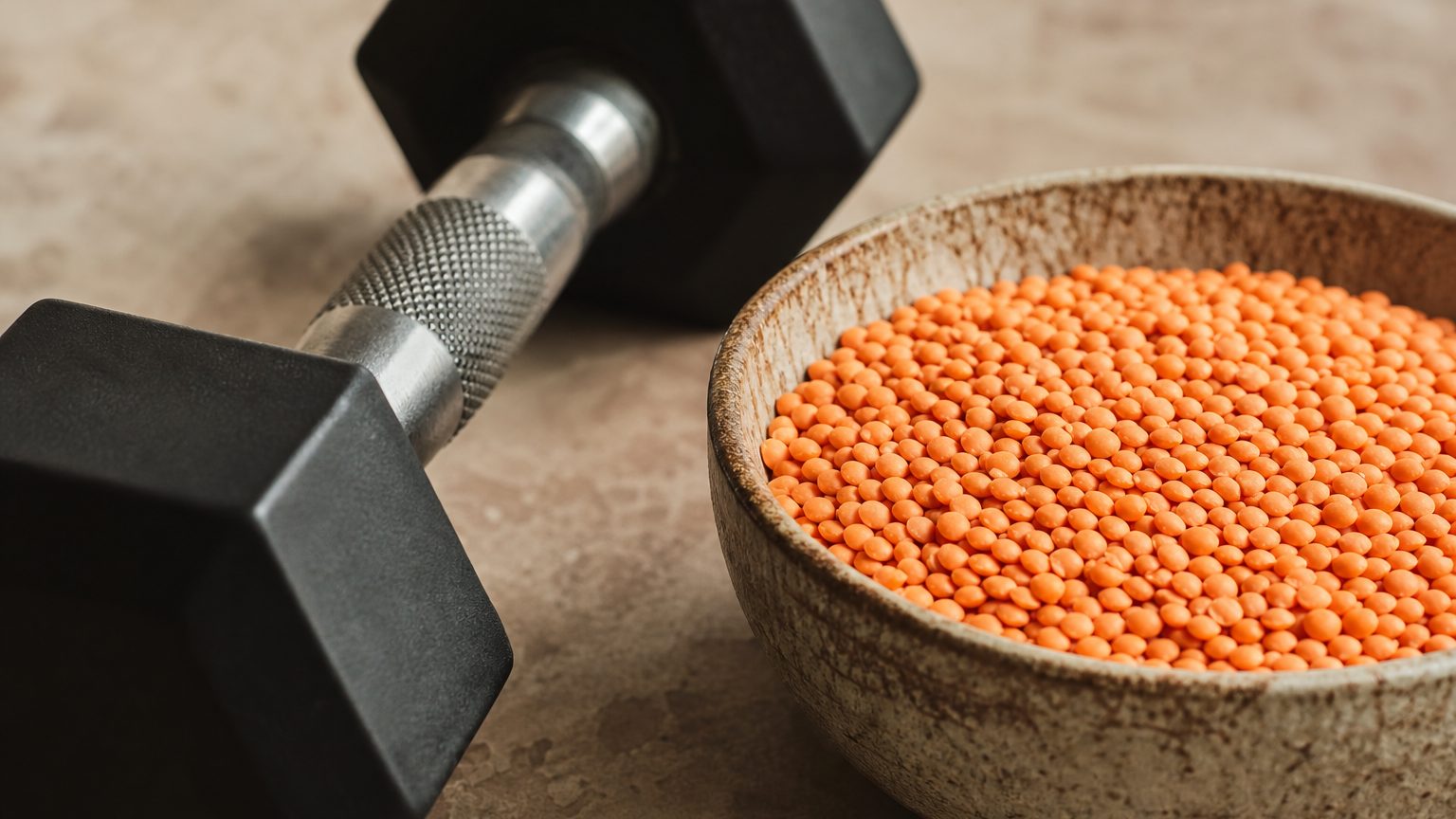
To lose fat without losing muscle, use a moderate calorie deficit, eat enough protein, continue resistance training, and recover consistently. The goal is not simply to make the scale drop, but to encourage fat loss while giving your body strong reasons to maintain muscle.
Key Takeaways
- Use moderation: A smaller calorie deficit is generally more muscle-friendly than aggressive restriction.
- Prioritize protein: Adequate protein gives your body the amino acids needed to maintain muscle tissue.
- Keep lifting: Resistance training signals that your existing muscle is still useful and should be maintained.
- Manage cardio: Cardio can increase energy expenditure, but excessive volume may interfere with lifting and recovery.
- Track multiple signals: Strength, measurements, photos, and longer-term weight trends reveal more than one scale reading.
Understand What You Are Losing
Weight loss and fat loss are not interchangeable. Body weight includes fat, muscle, water, bone, organs, and stored carbohydrate. A lower scale number can reflect changes in any combination of these components.
Researchers often report fat-free mass, meaning everything in the body that is not fat. Fat-free mass is not an exact synonym for muscle because it also includes water, bone, and organs. This distinction matters because short-term changes in hydration or stored carbohydrate can look like lost lean tissue during a body composition scan.
Your body stores carbohydrate as glycogen in the muscles and liver. Glycogen binds water, so eating fewer carbohydrates can cause a quick decline in scale weight without representing equivalent fat loss. Restoring carbohydrate intake may then increase weight without indicating fat gain.
Actual muscle loss becomes more likely when a calorie deficit is large, protein intake is inadequate, resistance training stops, or recovery remains poor. The risk can also rise as you become leaner because less stored energy is available. Older adults may need to pay particular attention to protein and resistance exercise because maintaining muscle becomes more challenging with age.
You cannot direct fat loss only to your abdomen, hips, or another chosen area. Your genetics, hormones, and current body composition influence where fat comes off first. The practical target is gradual overall fat loss while maintaining strength and training quality.
Create a Moderate Calorie Deficit
A calorie deficit means you consume less energy than your body uses over time. Some deficit is necessary for fat loss, but a larger deficit is not automatically better. Severe restriction can make training harder, increase fatigue, and leave fewer dietary resources for protein and nutrient-rich foods.
Research involving athletes often uses weekly rates of weight change rather than one universal calorie target. A commonly discussed range is roughly 0.5% to 1% of body weight per week, with leaner or highly trained people generally favoring the slower end. This is research context, not a guaranteed target. Your appropriate pace depends on your starting point, activity, training experience, and health.
Instead of reacting to one weigh-in, compare average body weight across several weeks. Daily changes can come from sodium, menstrual cycle shifts, bowel contents, carbohydrate intake, and hydration. If the trend is moving quickly while your strength, mood, and training performance are declining, your deficit may be too aggressive.
Start by making modest changes you can repeat, such as adjusting portions, replacing some energy-dense foods with filling whole foods, or adding manageable activity. Avoid repeatedly cutting food whenever the scale pauses for a few days. Fat loss is rarely linear, and a short plateau may simply reflect temporary water retention.
If you have an existing medical condition, take prescription medication, are pregnant or breastfeeding, or have kidney or liver concerns, ask your doctor before making a significant dietary change.
Eat Enough Protein
Protein supplies amino acids, the building blocks your body uses to maintain and repair muscle. During a calorie deficit, getting enough protein becomes especially useful because you are asking your body to maintain tissue while less total energy is available.
A large meta-analysis of resistance training research found that gains in fat-free mass tended to level off around 1.6 grams of protein per kilogram of body weight per day, although individual needs varied. Research involving lean, resistance-trained people during energy restriction has sometimes used higher intakes. That does not mean everyone needs the highest amount studied.
For practical planning, include a meaningful protein source at each meal rather than saving nearly all your protein for dinner. Eggs, dairy foods, fish, poultry, lean meat, tofu, tempeh, beans, lentils, and suitable protein powders can all contribute. Distributing protein across three or four meals gives you repeated opportunities to support muscle protein synthesis, the process of building new muscle proteins.
Protein does not replace total diet quality. Fruits, vegetables, whole grains, legumes, nuts, seeds, and other minimally processed foods provide fiber and micronutrients while helping meals feel substantial. Carbohydrates can also support demanding workouts, so removing them completely is not required for fat loss.
People with kidney or liver conditions should discuss major protein changes with their doctor. A clinician or registered dietitian can also help personalize intake if standard body-weight formulas are not appropriate for you.
Train to Maintain Muscle
Resistance training is the clearest exercise signal that your muscle is still needed. Keep movements such as squats, hinges, presses, rows, pull-downs, lunges, and loaded carries in your routine. Machines, free weights, resistance bands, and challenging body-weight exercises can all work.
Your goal during a deficit is not necessarily to set a personal record every week. Aim to maintain useful training intensity, technique, and as much performance as reasonably possible. If recovery declines, reducing a small amount of training volume is often more sensible than making every set much easier. Volume is the total amount of work performed, while intensity usually refers to how heavy or difficult that work is.
Cardio supports fitness and increases energy expenditure, but it should complement rather than overwhelm your lifting. Walking, cycling, swimming, and similar activities can help create a manageable deficit without requiring all of it to come from food restriction. If hard cardio sessions reduce lower-body strength or leave you persistently sore, separate them from demanding lifting sessions or reduce their frequency.
Sleep and rest are also part of the plan. Adults generally benefit from seven or more hours of sleep, although individual needs vary. A few poor nights do not erase progress, but chronically inadequate recovery can reduce training quality and make appetite harder to manage.
During each week, schedule two or more full-body resistance sessions, add cardio you can recover from, and retain at least one lower-demand day. Consistency matters more than an elaborate routine that you cannot sustain.
Build Your Weekly Plan
Begin with habits you can observe and adjust. Plan several resistance sessions, choose protein sources for each meal, and decide where walking or moderate cardio fits. Keep this structure steady for at least a couple of weeks before changing multiple variables.
A simple day might include protein at breakfast, a balanced lunch, resistance training later in the day, and a dinner containing protein, vegetables, and a carbohydrate source. Meal timing can follow your schedule. There is no narrow fat-burning window that determines success, although eating around training may help you perform and recover comfortably.
Prepare for common obstacles. Keep convenient protein foods available, schedule workouts like appointments, and use shorter sessions when time is limited. A 30-minute workout you complete is more useful than a perfect 90-minute plan you repeatedly skip.
Supplements are optional. They cannot compensate for a severe deficit, low protein intake, inconsistent training, or insufficient recovery. Some ingredients have more research than others, so review evidence, label directions, and safety rather than relying on claims about rapid transformation. Our overview of supplements for body recomposition explains where commonly used options may fit.
Review your plan every two to four weeks. If weight and measurements are stable but your training is progressing, you may be changing body composition slowly. If every measure is unchanged, make one modest adjustment to food intake or activity rather than rebuilding the entire plan.
If you want to include a supplement, LEAN - Body Composition Improvement Formula can support a consistent weight-management routine. Follow the label directions: take 2 capsules by mouth 30 to 45 minutes before meals. It is best taken every day, and the label states that for maximum results, take two capsules three times per day. Keep protein, resistance training, balanced meals, and recovery at the center of your plan. LEAN is third-party tested.
Measure the Right Signals
No single measurement can confirm that every pound lost came from fat. Use several indicators and look for agreement over time. A useful check-in can include average weekly weight, waist or other circumference measurements, progress photos taken under similar conditions, workout performance, and how your clothes fit.
Strength is informative but not perfect. Maintaining similar loads and repetitions is reassuring, yet temporary performance declines can result from reduced glycogen, stress, poor sleep, or training fatigue. Conversely, a beginner may gain strength through improved technique and nervous system adaptation even without adding much muscle.
Home body-fat scales can be strongly affected by hydration. Dual-energy X-ray absorptiometry, usually shortened to DXA, is more sophisticated but still has measurement variability and can classify water changes as shifts in lean mass. If you use either method, repeat it under similar conditions and focus on longer-term trends rather than small differences.
Possible warning signs that your plan is too aggressive include persistent loss of strength, unusual fatigue, worsening recovery, constant hunger, and a weight trend that is dropping faster than intended. These signs do not prove muscle loss, but they justify reviewing your calorie deficit, protein intake, training load, and sleep.
The best outcome is not always the fastest change. A slower approach that preserves performance and fits your daily life is usually more useful than repeatedly cycling through severe restriction and rebound eating. If you experience concerning symptoms or have an existing medical condition, consult your doctor or a registered dietitian.