
Magnesium for Muscle Cramps: What the Evidence Shows
 Written by Nauder Khazan
Ask AI about this article and Ultra Magnesium Complex






Magnesium may help when cramps are connected to low magnesium, but it has not consistently improved common nighttime leg cramps in clinical trials. Research in older adults is largely negative, while results during pregnancy are mixed. Here is how to judge whether magnesium makes sense for you, what else can cause cramps and when to call your doctor.
Key Takeaways
- The answer is conditional: Magnesium may help if you are low, but it is not a proven solution for every cramp.
- Trials are mostly disappointing: Studies of nighttime leg cramps in older adults generally find little or no meaningful benefit over a placebo.
- Pregnancy evidence is mixed: A few trials report improvement, while others do not, so pregnant readers should talk to their doctors.
- Look beyond one mineral: Exercise, dehydration, medications, nerve problems and circulation issues can all contribute to cramping.
- Stay within safe limits: The adult upper limit is 350 mg per day from supplements unless a clinician recommends otherwise.
What the Cramp Trials Actually Found
The strongest research does not support a simple yes. Trials involving older adults with nocturnal leg cramps, meaning painful cramps that occur at night, have generally found that magnesium supplements perform no better than a placebo. A placebo is an inactive pill used to show whether an intervention has an effect beyond expectation and normal symptom changes.
When researchers combine these trials in systematic reviews, they usually find little or no meaningful change in how often cramps happen, how painful they feel or how long they last. That does not mean nobody ever feels better. Cramps can vary naturally from week to week, and individual responses differ. It does mean magnesium should not be presented as a reliable answer for otherwise healthy older adults with unexplained nighttime cramps.
Research on pregnancy-related leg cramps is less clear. Some small studies have reported fewer or less intense cramps, while others found no convincing difference. Study quality, magnesium form and dose also vary. That leaves us with mixed, low-confidence evidence rather than a firm recommendation. If you are pregnant, do not start a supplement for cramping without discussing it with your doctor.
Evidence is even thinner for exercise cramps, muscle spasms and topical magnesium sprays. A magnesium product applied to the skin has not been shown to deliver a dependable amount through the skin or reliably change cramp symptoms.

Clinical trials suggest magnesium is not a dependable answer for common nighttime leg cramps in older adults.
The practical conclusion is simple: magnesium is most plausible when low magnesium intake or deficiency is part of the problem. For routine cramps without deficiency, expectations should stay modest.
Why Magnesium Still Matters for Muscle
Weak cramp evidence does not make magnesium unimportant. Your body needs this mineral for normal nerve signaling, muscle contraction and relaxation, energy production and electrolyte balance. Electrolytes are minerals with an electrical charge, including magnesium, sodium and potassium, that help nerves and muscles communicate.
Magnesium also participates in more than 300 enzyme reactions. Enzymes are proteins that help chemical processes happen inside your body. If magnesium levels become very low, muscle weakness, twitching or cramps can occur. In that situation, restoring adequate magnesium status supports normal muscle and nerve function. It is still important to find out why the deficiency developed instead of assuming every cramp means you need a supplement.
Low intake is more likely if your diet contains few nuts, seeds, beans, whole grains or leafy vegetables. Digestive conditions that reduce nutrient absorption, long-term heavy alcohol use and certain medicines can also affect magnesium status. Diuretics, sometimes called water pills, and prolonged use of some acid-reducing medications are examples. Do not change a prescription on your own.

Magnesium-rich foods include leafy greens, beans, nuts, seeds and whole grains.
Blood testing can help identify significant deficiency, although a normal blood result does not perfectly reflect all magnesium stored in the body. Your doctor can interpret the result alongside your diet, medications and symptoms.
Food is a sensible starting point. Pumpkin seeds, chia seeds, almonds, cashews, black beans, spinach and whole grains provide magnesium along with other nutrients. The NIH magnesium fact sheet offers intake guidance and food examples. For more background on forms and everyday uses, see what magnesium complex is good for.
The Other Common Causes of Cramps
A cramp is a sudden, involuntary tightening of a muscle. It may happen because the muscle is tired, a nerve is irritated or several factors are acting together. Magnesium is only one possible piece of that picture.
Exercise-related cramps often follow unfamiliar activity, intense effort or muscle fatigue. Heavy sweating can contribute to fluid and electrolyte losses, especially during long workouts or activity in hot weather. However, dehydration is not the only explanation. Drinking excessive water without replacing sodium can create a different electrolyte problem, so more water is not always the answer.
Long periods of sitting, sleeping with the foot pointed downward and reduced ankle mobility may contribute to nighttime calf cramps. Some medications are also associated with cramping, including certain diuretics and cholesterol-lowering medicines. Ask your doctor or pharmacist to review your medication list rather than stopping anything yourself.
Other possible contributors include pregnancy, reduced blood flow, pinched or damaged nerves, thyroid problems, diabetes and kidney or liver conditions. Low potassium or calcium can matter too, but cramps alone cannot tell you which nutrient is low. There is no single drink that reliably stops every leg cramp.

Gentle stretching, gradual training and appropriate hydration can address several common cramp triggers.
When a cramp strikes, gently stretching the affected muscle may help it release. For a calf cramp, straighten your knee and slowly pull your toes toward your shin. Light walking, massage or warmth may also feel soothing. For exercise, build intensity gradually, allow recovery time and replace fluids according to your activity and environment.
Restless legs are different from muscle cramps. Restless legs usually cause an urge to move and uncomfortable sensations rather than a visibly tightened, painful muscle. Magnesium has not been established as a treatment for restless legs.
Dose, Form and the Upper Limit
There is no research-backed magnesium dose that reliably works for cramps. General daily requirements are about 400 to 420 mg for adult men and 310 to 320 mg for adult women. Pregnancy raises the recommended amount to roughly 350 to 360 mg, depending on age. These totals include magnesium from both food and supplements.
The adult upper limit for supplemental magnesium is 350 mg per day. This limit applies to magnesium from supplements and medications, not magnesium naturally present in food. A clinician may recommend a different amount for a diagnosed need, but you should not exceed 350 mg per day from supplements on your own. Check the Supplement Facts panel for elemental magnesium, which is the actual amount of magnesium provided.
No form has been proven best for muscle cramps. Magnesium glycinate and gluconate are well-absorbed options that may be easier for some people to tolerate. Magnesium citrate is also absorbed reasonably well, but it can loosen stools. Magnesium oxide provides more elemental magnesium by weight, yet less may be absorbed and digestive effects are more common. Better absorption does not prove better cramp results.

Supplement labels list elemental magnesium, the amount that counts toward the 350 mg daily supplemental upper limit.
Follow the product label. Too much supplemental magnesium can cause diarrhea, nausea and abdominal discomfort. Magnesium can also interfere with the absorption of some antibiotics and osteoporosis medicines. Separate timing may be needed, so ask your doctor or pharmacist about prescription interactions.
If you have kidney disease, do not use supplemental magnesium without medical guidance. Healthy kidneys remove excess magnesium, but impaired kidneys may allow it to build up to unsafe levels. The same caution applies if you are pregnant, breastfeeding or managing another medical condition.
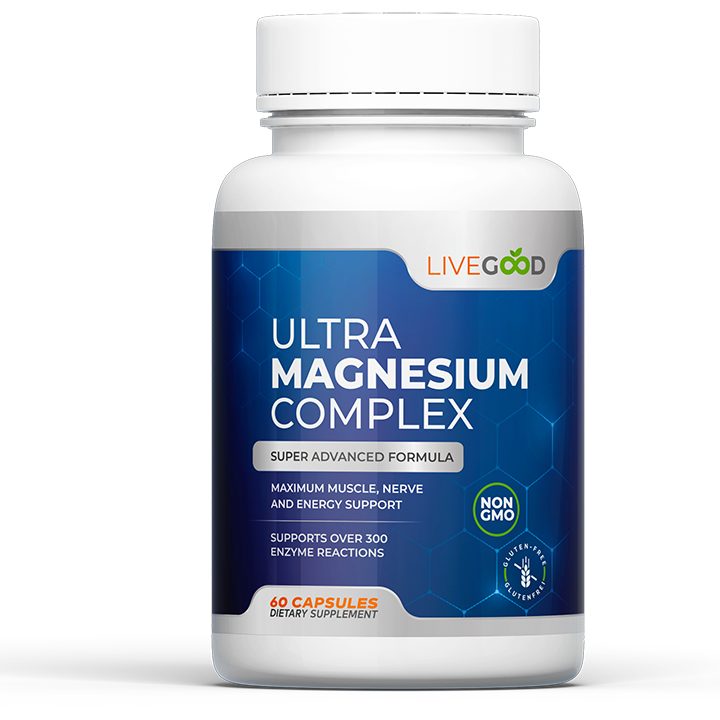
LiveGood's Ultra Magnesium Complex is the company's number one seller. It combines magnesium glycinate and magnesium gluconate, two of the most bioavailable forms, to support normal muscle and nerve function. Magnesium participates in more than 300 biochemical reactions, and most people are not getting enough even with a balanced diet. Follow the label rather than taking extra for a cramp. It is $9.95 for members versus $19.95 retail, supporting LiveGood's mission to "Provide the highest quality supplements in the world, at the lowest prices possible."
When Cramps Need a Doctor
An occasional cramp after activity is usually short-lived. Persistent, severe or one-sided cramping warrants a doctor, especially when it keeps returning, disrupts sleep or limits walking and exercise. A clinician can review your medications, circulation, nerve function, diet and possible electrolyte issues rather than guessing from one symptom.
Seek prompt medical care if one leg is swollen, red, warm or unusually tender. Those symptoms can occur with a blood clot, particularly after surgery, prolonged immobility or a long trip. Sudden shortness of breath, chest pain or coughing blood alongside leg symptoms requires emergency care.
You should also arrange medical evaluation when cramps occur with significant weakness, numbness, muscle loss, fever, dark urine or a new change in bladder or bowel control. Severe cramping during exercise with confusion, fainting, vomiting or inability to cool down can signal a heat-related emergency.
Persistent, severe or one-sided cramps should be evaluated by a doctor rather than managed through guesswork.
Talk to your doctor before using magnesium if you take prescription medicines, are pregnant or breastfeeding, or have a digestive, kidney or liver condition. Kidney disease deserves particular caution because the body may not clear supplemental magnesium normally. Remember that the adult supplemental upper limit is 350 mg per day unless a clinician directs you differently.
Keeping a brief symptom log can make an appointment more useful. Note which muscle cramps, when it happens, how long it lasts, recent activity, fluid intake and any medication changes. Honest tracking is more useful than assuming magnesium is the missing piece. Supplements can support a consistent wellness routine, but they do not replace a medical evaluation when symptoms are persistent or concerning.
Frequently Asked Questions
Does magnesium help with muscle cramps?
Magnesium does not consistently help ordinary muscle cramps, although it may be useful when low magnesium is contributing to the problem. Trials in older adults with nighttime leg cramps have largely found no meaningful advantage over a placebo. Pregnancy studies are mixed. Because cramps have many causes, frequent episodes deserve a broader look at activity, hydration, medications and health conditions.
How much magnesium should you take for cramps?
There is no proven magnesium dose specifically for cramps. Follow the supplement label and keep total supplemental magnesium at or below the adult upper limit of 350 mg per day unless your doctor advises otherwise. That limit does not include food. Ask your doctor first if you use prescription medicine, are pregnant or breastfeeding, or have kidney disease or another medical condition.
Which magnesium is best for cramps?
No magnesium form has been shown to be best for cramps. Glycinate and gluconate are well-absorbed and often chosen for their digestive tolerability, while citrate may loosen stools. Oxide is generally absorbed less efficiently. Form matters for absorption and comfort, but that does not establish that one form will change cramp frequency or severity.
How long does magnesium take to work for cramps?
There is no reliable timeline because magnesium has not consistently improved common cramps in trials. If low magnesium is involved, your doctor can help assess the cause and monitor correction. Do not judge a supplement by one night or keep increasing the amount while waiting for a result. Persistent, severe or one-sided cramping needs medical evaluation.
What else causes muscle cramps?
Muscle cramps can result from fatigue, intense exercise, prolonged sitting, pregnancy, fluid or electrolyte changes, medications, nerve irritation and circulation problems. Kidney, liver, thyroid and metabolic conditions can also contribute. A cramp does not automatically mean you lack magnesium or potassium. Seek medical advice when episodes are frequent, severe, one-sided or accompanied by swelling, weakness or numbness.