
Magnesium Oxide vs Citrate vs Glycinate
 Written by Ben Glinsky
Ask AI about this article and Ultra Magnesium Complex





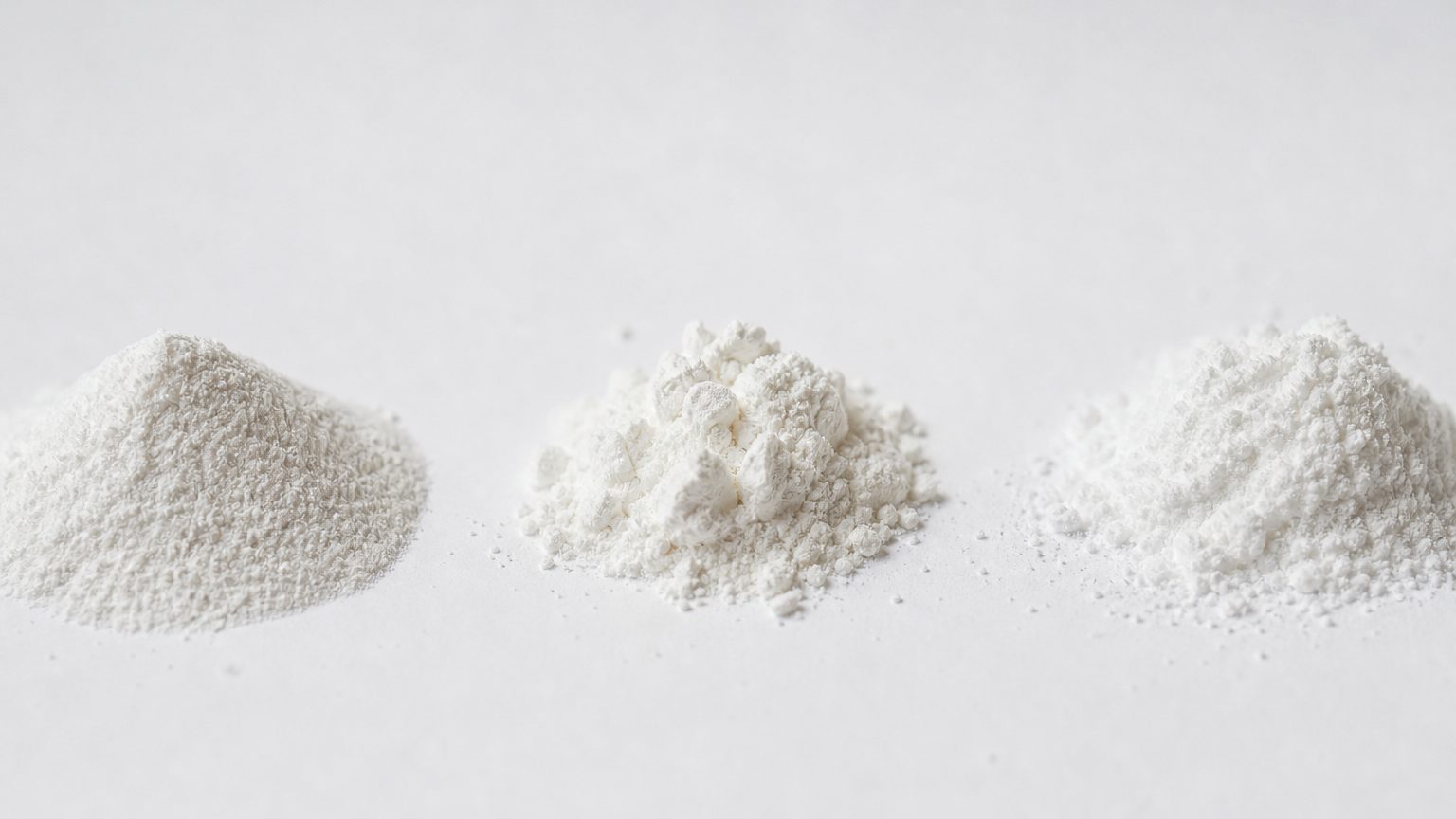
Magnesium oxide is best known for its use in laxatives and antacids, not for efficiently raising magnesium levels. It contains a lot of elemental magnesium, but your body absorbs relatively little. Citrate offers a middle ground, while glycinate is generally better absorbed and gentler for everyday use.
Key Takeaways
- Oxide suits digestive uses: Its poor absorption helps explain why it is commonly used in laxatives and antacids.
- Elemental content can mislead: Magnesium oxide is roughly 60 percent elemental magnesium by weight, but much of it remains unabsorbed.
- Citrate sits in the middle: It is generally absorbed better than oxide, though it can still loosen stools.
- Glycinate suits daily routines: It is well absorbed and tends to be gentler on the digestive system.
- Your goal should guide you: The form with the highest magnesium percentage is not automatically the most useful form.
The Number That Explains Everything
The key to comparing magnesium forms is understanding the difference between elemental magnesium and absorbed magnesium.
Elemental magnesium is the magnesium portion of a compound. Magnesium oxide combines magnesium with oxygen and is roughly 60 percent elemental magnesium by weight. That is much higher than magnesium citrate or glycinate. At first glance, oxide appears to deliver more magnesium in less material.
Absorbed magnesium is the portion that actually crosses your intestinal wall and becomes available to your body. Magnesium oxide does not dissolve particularly well in digestive fluid, so its absorption is relatively low. A high elemental percentage does not overcome that limitation. Research comparing supplements has found substantial differences in bioavailability, meaning the amount your body can absorb and use, with magnesium oxide performing poorly in some comparisons.
| Form | Elemental content | Relative absorption | Common practical fit |
|---|---|---|---|
| Magnesium oxide | Roughly 60% | Low | Laxative or antacid products |
| Magnesium citrate | Lower than oxide | Moderate to good | A middle-ground option that may loosen stools |
| Magnesium glycinate | Lower than oxide | Good | Everyday magnesium supplementation |
Exact percentages can vary with the compound, processing, and hydration level. The Supplement Facts panel is therefore more useful than the compound's total weight. Look for the line that lists "Magnesium" and its amount per serving. A separate phrase such as "as magnesium oxide" identifies the form.

Elemental magnesium describes what is in the compound, while absorbed magnesium describes what your body can actually use.
This distinction explains the whole comparison. Oxide can put an impressive number on a label, yet citrate or glycinate may provide a more practical route when your goal is maintaining magnesium intake.
Magnesium Oxide and Its Purpose
Magnesium oxide is a simple compound made from magnesium and oxygen. Because it is concentrated, stable, and widely available, manufacturers use it in both supplements and over-the-counter digestive products.
What is magnesium oxide best for? Its clearest practical role is as an ingredient in laxatives and antacids. Poor absorption leaves more magnesium in the digestive tract. Those unabsorbed particles draw water into the bowel, which accounts for the laxative effect. As an antacid ingredient, magnesium oxide reacts with stomach acid. These are factual descriptions of how properly labeled products use it, not recommendations to manage a medical condition on your own.
The same properties make oxide less appealing for someone mainly trying to top up magnesium status. More of the dose may stay in the intestine rather than entering circulation. That can also produce diarrhea, nausea, or abdominal cramping. Taking it every day does not guarantee better magnesium levels, especially if digestive side effects limit consistency.

Magnesium oxide contains a high percentage of elemental magnesium but is commonly used for its digestive action.
Check whether a "400 mg" label refers to elemental magnesium or the total compound. On a Supplement Facts panel, "Magnesium 400 mg (as magnesium oxide)" usually means 400 mg of elemental magnesium. Follow the product directions rather than estimating a serving from the compound's weight.
For adults, the tolerable upper intake level for magnesium from supplements and medications is 350 mg/day unless a clinician directs otherwise. This limit does not include magnesium naturally present in food. It is based mainly on the risk of diarrhea and other digestive effects, and it is separate from dosing instructions for specific over-the-counter medicines.
Talk to your doctor before using magnesium oxide if you have kidney disease, another existing medical condition, or take prescription medicine. Reduced kidney function can make it harder to clear excess magnesium.
Magnesium Citrate in the Middle
Magnesium citrate combines magnesium with citric acid. It usually dissolves better than magnesium oxide, which helps make its magnesium more available for absorption. This places citrate between oxide and glycinate for many practical decisions.
Citrate still has a meaningful digestive effect. Like oxide, magnesium that remains in the bowel can draw in water. Some people see that as useful when choosing a labeled laxative product, while others find that it causes loose stools, urgency, or cramping. A form can be better absorbed than oxide without being completely gentle on digestion.

Magnesium citrate offers better absorption than oxide while still having the potential to loosen stools.
For daily magnesium intake, citrate may make sense if you tolerate it and want a generally well-absorbed option. It is not automatically superior to glycinate, however. The right choice depends on your goal, the elemental amount on the label, and how your digestive system responds.
Do not confuse supplemental magnesium citrate with magnesium citrate products sold specifically as saline laxatives. Those products may have different concentrations, serving instructions, and intended uses. Follow the exact label for the product in your hand. Do not substitute one type for another based only on the ingredient name.
Timing is mostly about consistency and tolerance. Citrate can be taken at the time specified on its label, with food if the directions allow and it feels more comfortable. There is no universal reason everyone needs to take it at night. If it noticeably affects your bowel habits, consider how that timing fits your day and speak with a healthcare professional if the effect is persistent or severe.
Citrate is the middle option because it balances absorption with a greater chance of digestive activity than glycinate. That can be an advantage or a drawback, depending on why you are taking magnesium.
Magnesium Glycinate for Daily Intake
Magnesium glycinate, often called magnesium bisglycinate, binds magnesium to glycine. Glycine is an amino acid, one of the small building blocks used to make proteins. This form generally dissolves and absorbs well, while leaving less unabsorbed magnesium in the bowel than oxide.
That combination makes glycinate a practical choice when your goal is supporting everyday magnesium intake. It is also commonly chosen by people who experienced loose stools with oxide or citrate. "Gentle" does not mean side-effect-free, but glycinate is generally less likely to have a strong laxative effect.

Magnesium glycinate is generally well absorbed and gentle enough for many everyday supplement routines.
Glycinate is frequently marketed for sleep or relaxation. Magnesium supports normal nerve and muscle function, but evidence does not show that every person will notice a clear calming or sleep effect from glycinate. Your response also depends on your overall magnesium intake, diet, health, and whether you were low in magnesium to begin with. Treat it as nutritional support, not as a quick fix.
When comparing products, read the elemental magnesium amount rather than focusing on a large "magnesium glycinate" number. The full compound includes both magnesium and glycine, so its total weight is not the amount of magnesium you receive. Follow the label directions and evaluate tolerance over a consistent routine.
You may also see magnesium gluconate in well-absorbed formulas. Our comparison of magnesium gluconate and glycinate explains how those forms differ.
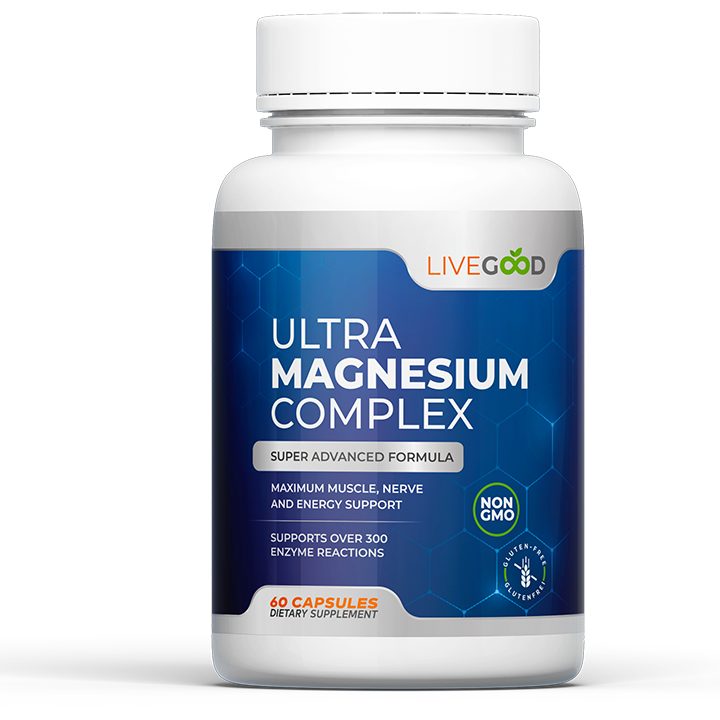
For a simple daily option, Ultra Magnesium Complex is LiveGood's number one seller and is formulated with the two most bioavailable forms, magnesium glycinate and magnesium gluconate, to support everyday magnesium intake. Magnesium participates in over 300 biochemical reactions each day, and most people are not getting enough, even with a balanced diet. Follow the label directions. It is $9.95 for members versus $19.95 retail, reflecting "Highest Quality. Lowest Prices. Every Day."
Can You Combine Them?
Magnesium oxide and glycinate can appear in the same routine, but combining them is not automatically more effective. Your total supplemental magnesium, purpose for each product, digestive response, medicines, and health history all matter.
Start by reading every Supplement Facts panel. Add the elemental magnesium amounts, not the total weights of magnesium oxide, citrate, or glycinate compounds. Remember that magnesium may also appear in multivitamins, electrolyte powders, sleep blends, and over-the-counter digestive products. It is easy to overlook overlapping sources.
Checking every Supplement Facts panel helps you avoid accidentally combining overlapping sources of magnesium.
For adults, the supplemental upper limit is 350 mg/day unless a healthcare professional recommends a different amount. This 350 mg/day limit applies to magnesium from supplements and medications, not magnesium naturally found in foods such as nuts, seeds, beans, whole grains, and leafy vegetables. It is intended to reduce the risk of diarrhea, nausea, and cramping.
Combining oxide with glycinate may also defeat the reason you selected glycinate. If you chose glycinate because it is gentle, adding oxide can bring back the bowel effects you were trying to avoid. Citrate can do the same. More forms do not necessarily mean more absorption or better support.
Talk to your doctor before combining magnesium products if you use prescription medicine. Magnesium can interfere with the absorption of certain medications, including some antibiotics and thyroid medicines, when taken too close together. Your doctor or pharmacist can help with safe spacing. You should also ask your doctor before supplementation during pregnancy or breastfeeding, or if you have kidney disease, liver disease, or another existing medical condition.
A simple routine is usually easier to assess. Choose a form that matches your goal, follow its label, and give consistency more weight than an oversized elemental number. Supplements can support your intake, but they do not replace magnesium-rich foods or medical evaluation when symptoms persist.
Frequently Asked Questions
What is magnesium oxide best for?
Magnesium oxide is best suited to its established use as an ingredient in laxative and antacid products. Its high elemental magnesium content looks impressive, but its low absorption leaves more magnesium inside the digestive tract. That helps explain its digestive action and also why oxide is often not the first choice for maintaining magnesium intake.
What is the difference between magnesium oxide and citrate?
Magnesium citrate generally dissolves and absorbs better than magnesium oxide, although both can draw water into the bowel. Oxide contains a higher percentage of elemental magnesium but has lower bioavailability. Citrate offers a middle ground for people who want better absorption, but it may still cause loose stools, cramping, or urgency.
Can you take magnesium oxide and glycinate together?
Magnesium oxide and glycinate can be taken together in some circumstances, but you should count the elemental magnesium from both products. Combining them may increase digestive side effects without improving your results. Talk to your doctor first if you take prescription medicines, are pregnant or breastfeeding, have kidney or liver disease, or manage another medical condition.
Which magnesium is best absorbed?
Among oxide, citrate, and glycinate, magnesium glycinate is generally considered the best-absorbed everyday option. Citrate is also reasonably well absorbed, while oxide tends to perform poorly because it does not dissolve readily. Direct comparisons are limited, and absorption can vary by dose, formulation, food intake, and the person's current magnesium status.
Which magnesium is least likely to cause diarrhea?
Magnesium glycinate is generally the least likely of these three forms to cause diarrhea. Its better absorption leaves less magnesium in the bowel to draw in water. Citrate and oxide are more likely to loosen stools, although any magnesium supplement can cause digestive discomfort when the amount is too high for the individual.