
Magnesium Gluconate vs Glycinate: Which to Take
 Written by Nauder Khazan
Ask AI about this article and Ultra Magnesium Complex





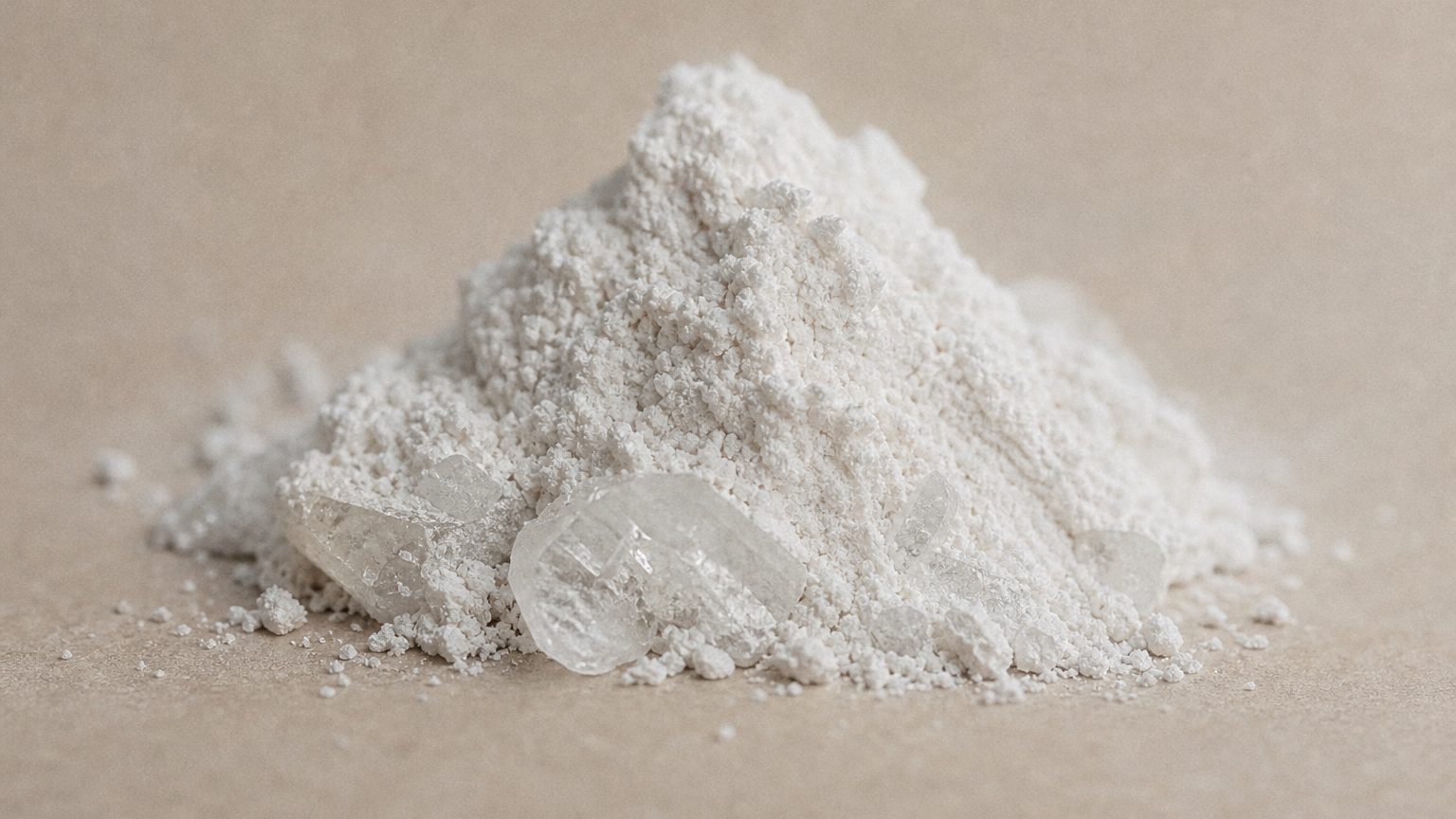
Magnesium glycinate is usually the better fit for sleep, relaxation, everyday stress support, and getting more magnesium per capsule. Magnesium gluconate is also gentle and well tolerated, but it contains much less elemental magnesium by weight. Here is how the chemistry, serving size, and your personal tolerance should guide your choice.
Key Takeaways
- Check elemental magnesium: Glycinate contains about 14% elemental magnesium by weight, compared with about 5% in gluconate.
- Expect different capsule sizes: The same 500 mg of compound provides roughly 70 mg from bisglycinate but only 27 mg from gluconate.
- Choose glycinate for winding down: Its glycine component makes it a popular option for sleep, relaxation, and everyday stress support.
- Consider gluconate for gentle top-ups: It is highly soluble and usually comfortable for sensitive stomachs.
- Prioritize a sustainable routine: The amount you actually take consistently matters more than finding a theoretically perfect form.
The Short Answer
Magnesium glycinate and magnesium gluconate are not the same compound. Glycinate binds magnesium to glycine, an amino acid associated with calming and relaxation support. It is commonly chosen for sleep, everyday stress support, and getting more elemental magnesium into fewer capsules. Gluconate binds magnesium to gluconic acid. It is highly soluble, gentle, and often used to top up magnesium intake without creating much digestive discomfort.
Both forms can be reasonable choices. Neither automatically wins for every person. The better question is how much elemental magnesium the serving supplies and how well you tolerate it. Glycinate contains roughly 2.6 times more elemental magnesium for the same weight of compound, so label reading matters more than a large milligram number on the front of the bottle.
Gluconate vs Glycinate at a Glance
| Feature | Magnesium gluconate | Magnesium glycinate |
|---|---|---|
| Bound to | Gluconic acid | Glycine, an amino acid |
| Elemental magnesium by weight | About 5% | About 14% |
| Typical reason people choose it | Gentle everyday top-up | Sleep, stress, and relaxation support |
| Digestive tolerance | Very well tolerated | Very well tolerated, rarely laxative |
| Relative cost | Usually cheaper | Usually costs more |
What Magnesium Gluconate Is

Gluconate and glycinate are different compounds, so the same milligram count on two labels does not deliver the same amount of magnesium.
Magnesium gluconate is magnesium bound to gluconic acid. Gluconic acid is an organic acid formed from glucose, but magnesium gluconate is not the same thing as sugar. Binding the mineral to this carrier creates a highly soluble magnesium salt that dissolves readily in fluid.
That solubility, along with its gentle digestive profile, makes gluconate a reasonable choice when your goal is simply to top up a shortfall. Some people who experience digestive discomfort with other forms find gluconate easier to use consistently. It is not typically selected for a strong laxative effect, and it can fit an everyday mineral routine.
The tradeoff is concentration. Only about 5.4% of magnesium gluconate's weight is elemental magnesium, which is the magnesium your daily intake totals are based on. Most of the compound's weight comes from gluconate and associated water molecules, not magnesium itself.
As a result, a product may need larger tablets, larger capsules, or multiple capsules to provide a meaningful amount of elemental magnesium. This does not make gluconate ineffective. It simply means you should ignore impressive-looking compound weights and find the elemental magnesium line in the Supplement Facts panel. If you are comparing it with additional forms, this overview of what a magnesium complex is good for explains why some formulas use more than one magnesium compound.
What Magnesium Glycinate Is

Glycinate pairs magnesium with glycine, which is why it is the form people usually reach for around training and winding down.
Magnesium glycinate is magnesium bound to glycine. Products may also call it magnesium bisglycinate, indicating that one magnesium ion is associated with two glycine molecules. Glycine is an amino acid, one of the building blocks the body uses to make proteins and other compounds.
Glycine is itself associated with calming processes in the nervous system. That is why magnesium glycinate is commonly chosen by people who want to support relaxation, handle everyday stress, or build a more consistent nighttime routine. This does not make it a treatment for anxiety or insomnia. Evidence for magnesium and mood-related outcomes is not uniform, and anyone experiencing anxiety should discuss it with a doctor rather than relying on a supplement.
Glycinate is also well absorbed and tends to be easy on the digestive system. Unlike forms such as magnesium oxide or citrate, it generally does not create the same osmotic pull that draws water into the intestines. In practical terms, it is less likely to act as a laxative at sensible servings, although any magnesium supplement can cause loose stools when enough is taken.
Its other advantage is concentration. Magnesium bisglycinate is about 14.1% elemental magnesium by weight. That makes it easier to provide more magnesium in fewer capsules than gluconate. For a wider comparison, see magnesium oxide vs citrate vs glycinate.
Why Elemental Magnesium Matters Most
Elemental magnesium is the actual amount of magnesium supplied by a compound. It is the number that counts toward your daily intake. The rest of the compound consists of the substance magnesium is bound to, such as gluconate or glycine.
The difference can be calculated directly from molecular weight:
- Magnesium gluconate has a molecular weight of about 450.63. Magnesium contributes about 24.3 of that total. Dividing 24.3 by 450.63 gives approximately 0.054, or 5.4% elemental magnesium.
- Magnesium bisglycinate has a molecular weight of about 172.42. Dividing magnesium's 24.3 contribution by 172.42 gives approximately 0.141, or 14.1% elemental magnesium.
That means magnesium bisglycinate provides roughly 2.6 times more elemental magnesium than magnesium gluconate from the same milligrams of compound.
Here is the worked example. A capsule containing 500 mg of magnesium gluconate supplies roughly 27 mg of elemental magnesium:
500 mg x 5.4% = 27 mg
A capsule containing 500 mg of magnesium bisglycinate supplies roughly 70 mg:
500 mg x 14.1% = 70.5 mg
This is why the "magnesium" number on the front of a bottle can mean two very different things. A prominent 500 mg claim may describe the entire magnesium compound, not 500 mg of magnesium itself.
In the Supplement Facts panel, look for a line formatted like "Magnesium 100 mg," often followed by the form in parentheses. That declared magnesium amount should represent elemental magnesium. If a product discusses compound weight elsewhere, do not add that larger number to your daily magnesium total. Compare products by elemental magnesium per serving, serving size, form, and how many capsules you are comfortable taking.
Which One Should You Choose

Picking a magnesium supplement comes down to your goal, how much elemental magnesium a serving supplies, and what your stomach tolerates.
For winding down at night
Glycinate is the more natural starting point when your main goal is sleep and relaxation support. It supplies magnesium along with glycine and is unlikely to have a laxative effect at ordinary label servings. Try it as part of a steady wind-down routine rather than expecting one capsule to override caffeine, irregular sleep hours, or ongoing sleep problems. You can also review the benefits of magnesium for relaxation and stress relief.
For a sensitive stomach
Either form can work. Gluconate has a strong reputation for being gentle and highly soluble, making it a sensible everyday top-up. Glycinate is also usually very well tolerated. Personal response matters, so start with the label serving and pay attention to digestive comfort.
For fewer capsules
Choose glycinate. Its higher elemental percentage allows a manufacturer to fit more actual magnesium into the same amount of compound. Still, verify the Supplement Facts panel. Capsule size, serving size, and formulation vary between products.
For a simple daily top-up
Gluconate is a reasonable option when you need a modest addition and prefer a gentle, often lower-cost form. Glycinate can serve the same purpose if its serving and price suit you better. Whichever you choose, consistency matters more than chasing the perfect form. Magnesium-rich foods should remain the foundation, while a supplement can help fill the gap.
LiveGood Ultra Magnesium Complex contains both magnesium glycinate and magnesium gluconate, which is the practical "why not both" option for readers who do not want to choose one form. It is formulated to support normal muscle, nerve, and relaxation functions within a daily routine. The member price is $9.95, compared with $19.95 retail, supporting LiveGood's mission to "Provide the highest quality supplements in the world, at the lowest prices possible."
Can You Take Both Together?
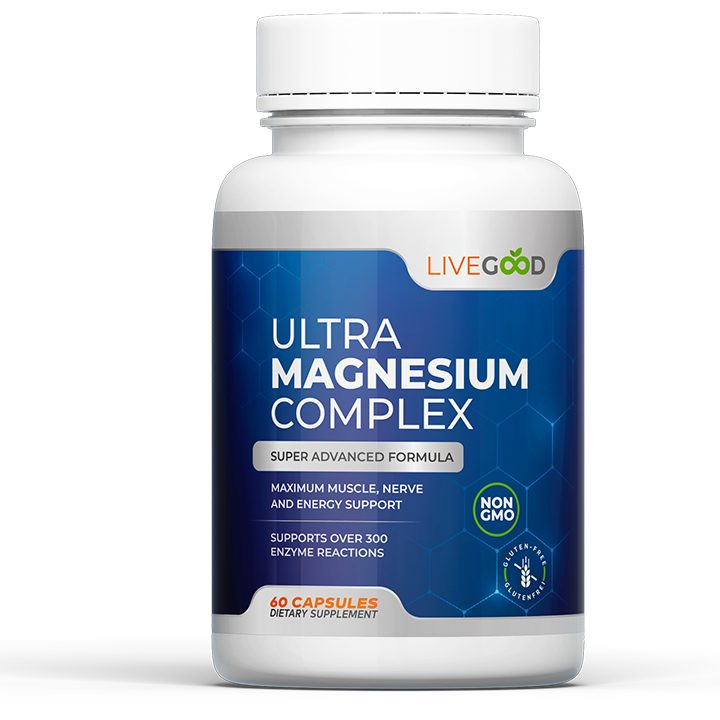
A blend that already contains both forms saves you from stacking two bottles and doing the elemental math twice.
Yes, magnesium gluconate and magnesium glycinate are compatible. There is nothing chemically special that makes the combination more powerful or more risky than taking an equivalent amount of elemental magnesium from one well-tolerated form. Your body ultimately uses magnesium ions, while the gluconate and glycine portions are handled through their own normal pathways.
The important number is total elemental magnesium from every supplement you use. Check multivitamins, electrolyte powders, sleep formulas, antacids, and standalone magnesium products. Adding two bottles without reading their panels can raise your supplemental total faster than expected, even when each serving looks modest on its own.
A blended formula can simplify that arithmetic. Some products, including LiveGood's formula, already contain glycinate and gluconate in one serving, so you do not need to stack two separate bottles. Follow the product label rather than taking a full serving of a blend plus additional magnesium automatically. If you are weighing a blend like that against a standalone glycinate, this side-by-side comparison walks through the tradeoffs.
Combining forms also does not guarantee better absorption or a stronger effect. The practical benefit is flexibility, not a unique chemical synergy. A blend may offer the higher elemental density of glycinate alongside gentle gluconate, but tolerance, total serving, diet, and consistency still determine whether it fits your routine.
How Much to Take, and When

Most people using a magnesium supplement are topping up a gap in their diet rather than replacing the whole daily requirement.
The Recommended Dietary Allowance, or RDA, describes total magnesium from food and supplements combined. It is about 420 mg per day for adult men and 320 mg per day for adult women, according to this review of magnesium intake recommendations. Individual needs vary with age and life stage, and pregnancy has separate recommendations.
That total is not a direction to take a 320 mg or 420 mg supplement. Food contributes magnesium from leafy greens, nuts, seeds, beans, and whole grains. Most people using a supplement are topping up a gap rather than replacing their entire daily requirement.
Separately, the tolerable upper intake level for magnesium from supplements alone is 350 mg per day for adults. It was established because higher supplemental amounts caused diarrhea and abdominal cramping. As explained in this review of the supplemental magnesium limit, the limit applies to magnesium from supplements and medications, not naturally occurring magnesium in food.
This is why blanket advice to "take 400 mg of a magnesium supplement" is not sound. Start with the label serving. Count elemental magnesium from all supplemental sources, and do not increase the serving simply to reach the RDA. If you need individualized dosing because of a health concern or suspected deficiency, talk to your doctor.
Taking magnesium with food can improve digestive comfort. If your goal is winding down, taking it 30 to 60 minutes before bed is a practical routine, although there is no universal required time. Morning is also fine if that is when you remember it. This guide to the best time to take magnesium covers the tradeoffs.
Magnesium can bind with certain antibiotics and osteoporosis medications, including bisphosphonates, and reduce how well they are absorbed. Space magnesium about two hours away from these medicines, and follow your pharmacist's directions because some prescriptions require a longer interval.
Side Effects and Who Should Ask First
The most common side effects of supplemental magnesium are loose stools, nausea, and abdominal cramping. They become more likely as the supplemental amount rises. That digestive response is the reason the adult upper limit for magnesium from supplements is 350 mg per day.
Start with the serving stated on the label, preferably with food if your stomach is sensitive. Do not assume that glycinate or gluconate can never cause digestive symptoms. Both are usually gentle, but tolerance varies, and total elemental magnesium matters.
Talk to your doctor before using magnesium if you take prescription medication, especially certain antibiotics or bisphosphonates. Ask a doctor or pharmacist about the correct spacing for your specific prescription rather than relying on a general rule. If you take any ongoing medication, have the combination reviewed before adding a supplement.
You should also talk to your doctor first if you have kidney disease. Healthy kidneys remove excess magnesium, but impaired kidneys may not clear it effectively. Medical guidance is also appropriate during pregnancy or breastfeeding, or if you have any existing medical condition, including a digestive condition. A supplement should not be used to self-diagnose unexplained symptoms or replace medical care.
Frequently Asked Questions
Is magnesium gluconate the same as magnesium glycinate?
No, magnesium gluconate and magnesium glycinate are different compounds. Gluconate binds magnesium to gluconic acid, while glycinate binds it to the amino acid glycine. They also provide different amounts of elemental magnesium. Bisglycinate is about 14% elemental magnesium by weight, compared with roughly 5% for gluconate, so equal compound weights do not deliver equal magnesium amounts.
Can you take magnesium gluconate and glycinate together?
Yes, you can generally take magnesium gluconate and glycinate together. Focus on the combined elemental magnesium from both products, not the total weight of their compounds. Follow label directions and include magnesium from multivitamins or other supplements in your calculation. A blended formula can provide both forms without requiring you to stack two full servings.
Which is better for sleep, gluconate or glycinate?
Magnesium glycinate is usually the more suitable choice for sleep and nighttime relaxation support. Its glycine component is associated with calming processes, and the form is generally gentle and non-laxative. Results vary, and magnesium is not a treatment for persistent sleep problems. Use it within a consistent bedtime routine and talk to your doctor about ongoing sleep difficulties.
Which form is better for stress and everyday anxiety?
For everyday stress and relaxation support, magnesium glycinate is generally preferred because it includes glycine and provides more elemental magnesium per gram. It should not be described as a treatment for anxiety, which is a medical condition. If worry, fear, or tension is persistent, disruptive, or worsening, talk to your doctor rather than depending on a supplement for care.
Why would someone take magnesium gluconate?
Someone may choose magnesium gluconate because it is highly soluble, gentle on the stomach, and useful for adding a modest amount of magnesium to a daily routine. It is also usually less expensive than glycinate. Its low elemental percentage is the main drawback, since reaching the same magnesium amount may require larger tablets or more capsules.
Why do some people avoid magnesium glycinate?
Some people avoid magnesium glycinate because it often costs more, may not suit their digestion, or does not fit how they want to feel at a particular time of day. A small number report unwanted drowsiness or stomach symptoms. Product quality and serving size also vary. If glycinate does not agree with you, gluconate is a gentle alternative.