
Methylene Blue and Cancer Research: What Is Actually Known
 Written by Ben Glinsky
Methylene blue is being investigated in laboratory cancer research, but there is no reliable evidence that taking it treats, shrinks, kills, or prevents cancer in people. Supplements can interfere with chemotherapy and radiotherapy, so anyone with cancer must discuss everything they take with their oncology team. Here is what the research means, what it does not mean, and why the distinction matters.
Key Takeaways
- Human evidence is missing: Laboratory findings do not show that methylene blue treats cancer in a person.
- A cell dish is not a patient: Researchers can expose isolated cells to conditions that may be unsafe or impossible inside the body.
- Light activation changes the experiment: Photodynamic therapy is a controlled medical procedure, not the same as swallowing or self-dosing a dye.
- Cancer care comes first: Never delay or replace oncology care because of a supplement, online protocol, or testimonial.
- Safety risks are serious: Methylene blue can interact with antidepressants and can harm people with certain health conditions.
Why This Question Circulates
Methylene blue is a blue chemical dye with legitimate medical and laboratory uses. At therapeutic doses, it is a prescription medicine. It is approved for treating methemoglobinemia, a blood disorder in which hemoglobin cannot carry oxygen normally. Clinicians also use it in selected settings as a tissue marker or for other specialized purposes.
Those facts can make cancer claims sound more credible than they are. Methylene blue appears in published cell studies, and researchers have explored it as a light-sensitive compound in photodynamic therapy. Online discussions often collapse those separate facts into a much larger claim, such as saying that taking methylene blue can kill cancer. The available evidence does not support that conclusion in humans.
Headlines can also blur the difference between treating cancer and helping with a treatment-related problem. For example, a hospital may study methylene blue for pain from oral mucositis, which means painful sores caused by cancer therapy. Managing a side effect is not the same as treating the cancer itself. Using a dye to help identify tissue during a procedure is also not evidence that the dye destroys a tumor.

Medical uses and early research involving methylene blue should not be confused with evidence that it treats cancer.
Searches for a methylene blue cancer dose, protocol, clinic, or testimonial should be approached cautiously. A dose proposed on social media is not a tested treatment. Personal stories cannot establish whether something worked, whether standard treatment caused the result, or whether the product was safe. Honest, evidence-grounded education requires keeping those questions separate.
What In-Vitro Actually Means
In-vitro means that an experiment was conducted outside a living body, usually in a dish, tube, or laboratory plate. Researchers may grow cancer cells, add methylene blue at a chosen concentration, expose the cells to light, and then measure how many cells remain alive. This can help scientists study a possible mechanism, which is the biological process through which an effect might occur.
These experiments are useful for generating questions. They can show that a chemical interacts with a particular cell line under tightly controlled conditions. They may also help researchers compare concentrations, light wavelengths, exposure times, or combinations of laboratory conditions. That is an early step in research, not a clinical treatment result.
A dish removes most of the barriers found in a person. The substance can be placed directly onto isolated cells. It does not need to survive digestion, pass through the liver, circulate in the blood, enter a tumor, reach every cancer cell, and avoid harming healthy tissue. Researchers can also use concentrations that would not be practical or safe for a human.

Cell-culture experiments isolate a narrow question and cannot reproduce the complexity of a human body.
The endpoint matters too. A study may measure cell staining, metabolic activity, oxidative stress, or survival after several hours. None of those measurements tells us whether a person would live longer, feel better, experience tumor shrinkage, or avoid serious side effects. Even a dramatic change in a dish cannot answer those clinical questions.
So, what does in-vitro research show? It shows what happened to a specific group of cells under specific laboratory conditions. It does not show that self-dosing methylene blue will produce the same result in your body.
Photodynamic Therapy Is Not Self-Dosing
Photodynamic therapy, often shortened to PDT, combines a light-sensitive substance with a carefully selected light source. The light activates the substance in a targeted area. This activation can produce reactive oxygen species, which are short-lived molecules that can damage nearby cells under the experimental or clinical conditions being used.
That description is sometimes reduced online to a misleading message: take methylene blue, add light, and cancer cells die. Real photodynamic therapy is much more controlled. Clinicians must consider which compound is used, where it goes, how long it remains in tissue, the light's wavelength, the amount of energy delivered, the treatment depth, and the health of nearby tissue. Light penetration is limited, and not every tumor can be reached or treated in the same way.
Methylene blue has been investigated as a photosensitizer, meaning a substance activated by light, in laboratory and early clinical research. That does not establish swallowed, dissolved, injected, or topically applied methylene blue as a cancer treatment. It also does not mean ordinary lamps, sunlight, red-light devices, or home lasers can reproduce a medical procedure.
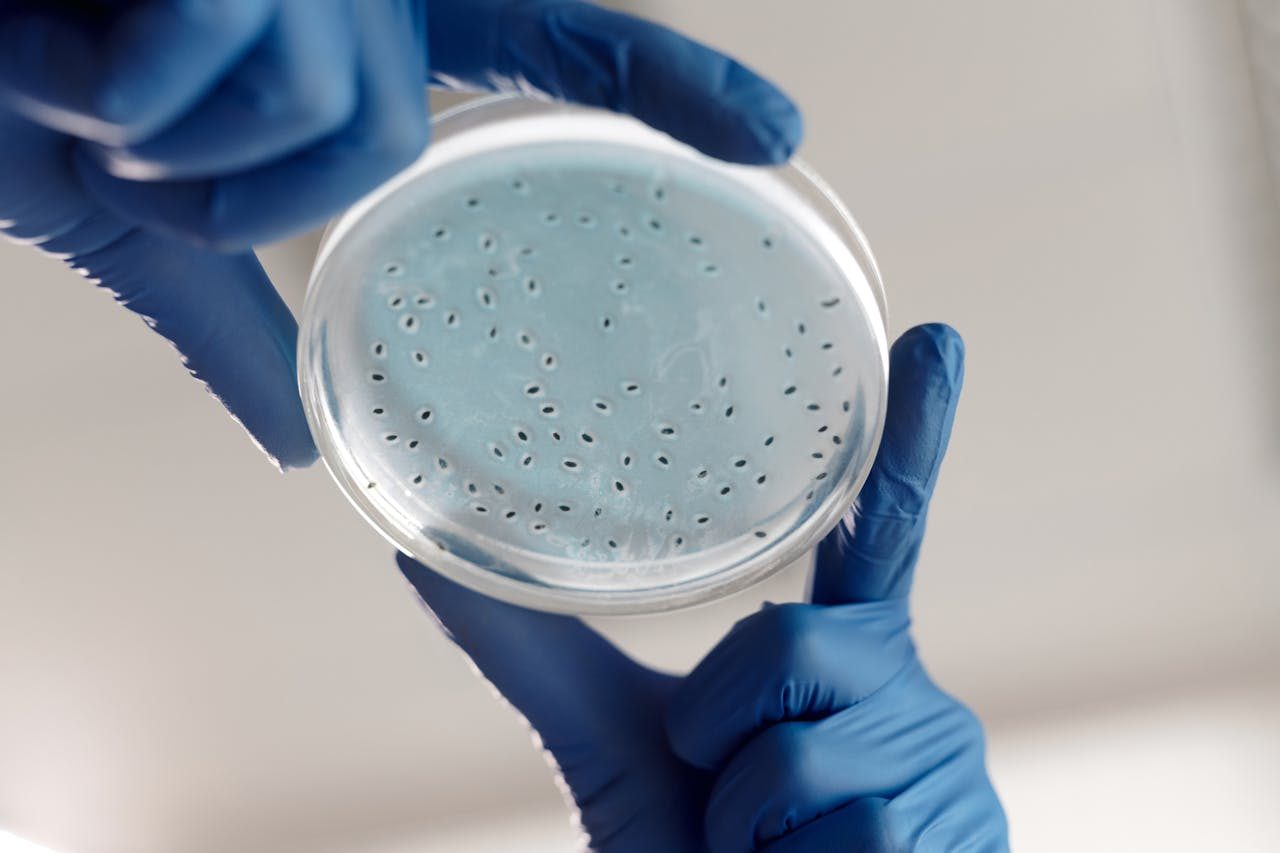
Photodynamic therapy requires a precisely selected compound, light source, treatment area, and clinical protocol.
Photodynamic research must be evaluated by cancer type, treatment location, study design, number of participants, safety results, and meaningful patient outcomes. Results involving microbes, precancerous lesions, cultured tumor cells, or treatment-related mouth pain cannot simply be transferred to internal cancers.
Do not attempt to recreate photodynamic therapy at home. There is no validated home methylene blue cancer protocol, and experimenting with concentrated dyes or light devices can cause injury while delaying care that has evidence behind it.
Why Cell Studies Do Not Transfer to People
The path from a cell experiment to an accepted treatment is long because the human body changes nearly every part of the question. A compound may look active in a dish but be broken down quickly after it enters the body. It may bind to blood proteins, collect in the wrong tissue, leave the body too fast, or fail to reach the tumor at an adequate concentration.
Cancer is also more complex than a layer of cells. A tumor contains cancer cells, blood vessels, immune cells, connective tissue, and areas with different oxygen levels. Cancer cells within the same person can carry different mutations. A response seen in one laboratory cell line may not occur in another cell line, another cancer type, or a tumor that has become resistant to treatment.
Safety can stop development even when a laboratory effect looks promising. A concentration that harms cancer cells may also harm the brain, blood, heart, liver, kidneys, or healthy tissue. Selective toxicity, meaning greater harm to cancer cells than healthy cells, must be demonstrated rather than assumed. A dish containing one cell type cannot reveal the full pattern of side effects.
Animal studies add information about circulation, metabolism, and organ effects, but they still do not prove that a treatment works in humans. Carefully designed human trials are needed to identify adverse effects, compare outcomes with appropriate treatment or placebo groups, and determine whether any benefit is clinically meaningful.
Promising laboratory findings must pass safety testing and well-designed human trials before they can guide cancer care.
For cancer research, meaningful outcomes include factors such as tumor response, symptoms, quality of life, disease progression, and survival. A change in a laboratory marker is not automatically a patient benefit. Until good human evidence shows otherwise, methylene blue should not be described or used as a cancer treatment, preventive strategy, or addition to an oncology regimen.
Talking to an Oncology Team
If you have cancer, bring your complete medication and supplement list to your oncologist, oncology nurse, and pharmacist. Include vitamins, herbs, powders, drops, nootropics, dyes, teas, topical products, and anything used only occasionally. Bring the label or a clear photo if possible. The exact ingredients and amounts matter more than a product's marketing category.
Do this before starting methylene blue or any other supplement. Some supplements can change how chemotherapy medicines are absorbed, processed, or removed from the body. Others may affect bleeding, immune function, sedation, or oxidative pathways that can matter during chemotherapy or radiotherapy. An interaction may reduce treatment effectiveness or increase toxicity. Online assurances that a product is natural, supportive, or commonly used do not rule out those risks.
Methylene blue has additional safety concerns. It can inhibit monoamine oxidase, an enzyme involved in breaking down certain brain chemicals. Combining it with serotonergic medicines, including many SSRIs, SNRIs, and MAOIs, can cause serotonin syndrome. This is a potentially life-threatening reaction involving symptoms such as agitation, confusion, sweating, fever, diarrhea, muscle rigidity, or a fast heart rate.
People with glucose-6-phosphate dehydrogenase deficiency, usually called G6PD deficiency, may develop hemolysis, which is the breakdown of red blood cells. Methylene blue should not be used during pregnancy. Anyone who is breastfeeding, has kidney or liver disease, takes prescription medicine, or has another medical condition needs individualized medical advice. Industrial, aquarium, or laboratory-grade products are not intended for human use.
For broader safety context, see Should You Take Methylene Blue Every Day?. If you are considering it for any reason, ask a doctor or pharmacist who knows your diagnoses, medicines, and treatment plan. Never postpone a scan, biopsy, surgery, chemotherapy, radiotherapy, immunotherapy, or other oncology care while trying an unproven product.
Frequently Asked Questions
Can methylene blue kill cancer cells?
Methylene blue can damage some cultured cancer cells under specific laboratory conditions, especially in experiments involving controlled light activation. That finding does not mean it kills cancer cells safely or effectively in a human body. There is no reliable clinical evidence that taking methylene blue treats, shrinks, or eliminates cancer. It should never replace or delay oncology care.
What does in-vitro research actually show?
In-vitro research shows how cells respond in a controlled setting outside the body. Scientists can apply methylene blue directly, choose the concentration, add a specific light source, and measure short-term cellular changes. The experiment does not account for digestion, metabolism, tumor access, organ toxicity, or long-term outcomes. It is a starting point for research, not proof of a human treatment.
Is methylene blue used in cancer treatment?
Methylene blue is not an established treatment for cancer. It may appear in oncology settings as a surgical dye, a subject of photodynamic research, or a medically supervised option studied for certain treatment-related symptoms. Those uses should not be confused with destroying a tumor. Any clinical use requires a qualified team and does not support self-dosing.
Can supplements interfere with cancer treatment?
Yes, some supplements can interfere with chemotherapy, radiotherapy, surgery, and other cancer treatments. They may alter drug metabolism, bleeding risk, sedation, immune activity, or biological pathways involved in treatment. The risk depends on the ingredients, dose, timing, cancer therapy, and your health. Give your oncology team a complete list before taking anything new.
Who should you talk to about cancer treatment?
You should discuss cancer treatment decisions with your oncologist and the other clinicians managing your care. An oncology pharmacist can check supplement and prescription interactions, while your oncology nurse can help route questions to the right specialist. If you are seeking another view, ask for a formal second opinion from a qualified cancer center rather than relying on online protocols or testimonials.