NAD Dosage: How Much to Take
 Written by Ben Glinsky
Ask AI about this article and NAD+ Dissolvable Strips





There is no official NAD dosage or established daily requirement, so follow the directions on your product's pack rather than treating research ranges as universal targets. NR, NMN, niacin, direct NAD+, and intravenous NAD+ use different amounts that cannot be compared milligram for milligram. Your best routine depends on the form, label, and your health history.
Key Takeaways
- No official dose: Health authorities have not established a daily requirement for supplemental NAD+.
- Forms differ: Direct NAD+, NR, NMN, and niacin use different pathways, so their milligram amounts are not interchangeable.
- Research provides context: Human studies have commonly examined NR at 250 to 2,000 mg and NMN at 250 to 1,200 mg per day.
- Consistency matters: A regular morning routine is practical, but research has not established one best time to take NAD.
- Follow the pack: NAD+ strips should be used according to their specific package directions.
- Check safety first: Ask your doctor before use if you take medication, are pregnant or breastfeeding, have a cancer history, or have an existing medical condition.
The Short Answer
If you are asking, "How much NAD should I take?" the most accurate answer is that there is no single evidence-based amount for every form or person. NAD+, short for nicotinamide adenine dinucleotide, is a coenzyme, meaning a molecule that helps enzymes perform essential reactions. Your body uses it in cellular energy metabolism, and human tissue research suggests that NAD+ availability can change with age.
No health authority has established an NAD+ recommended dietary allowance or standard NAD+ dosage per day. That makes the product label your primary practical guide. Follow the directions on the pack, and do not combine multiple NAD-related products simply to reach a number seen in a study.
Published research can still provide useful context, but most human trials have evaluated NAD+ precursors rather than direct NAD+. A precursor is a substance your body can convert into another compound. Nicotinamide riboside, usually shortened to NR, and nicotinamide mononucleotide, or NMN, are two commonly studied precursors.
Trials have examined NR in amounts ranging from about 250 to 2,000 mg per day and NMN from about 250 to 1,200 mg per day. Those ranges are not dosing instructions for direct NAD+ strips. They describe different ingredients, study designs, and endpoints. For more background on the molecule itself, see what NAD+ is in the body.
Why Milligrams Are Not Interchangeable
A 100 mg serving of direct NAD+ is not equivalent to 100 mg of NR, NMN, niacin, or nicotinamide. Each form enters NAD metabolism at a different point, and the body must absorb, transport, and process it differently. NAD+ is also not a peptide. It is a coenzyme made from smaller molecular components.
NR and NMN are precursors that cells can use through NAD+ production and recycling pathways. Niacin and nicotinamide, both forms of vitamin B3, can also contribute to these pathways. Direct NAD+ products provide the molecule itself through oral, sublingual, or intravenous formats.
Route matters too. Bioavailability means the amount of a substance that reaches circulation in a usable form. A swallowed capsule passes through the digestive system, while a sublingual product is designed for contact with the oral mucosa, the moist tissue lining the mouth. Intravenous NAD+ enters the bloodstream under clinical supervision. These differences rule out a simple milligram-for-milligram conversion.
Human trials show that NR and NMN can raise certain blood NAD+ markers, but changes in energy, physical performance, cognition, and other functional outcomes remain mixed and early. Direct oral and sublingual NAD+ have much less human research, so there is no validated conversion formula between strips and precursor capsules. Our review of whether NAD supplements work explores that distinction in more detail.
Doses Used in Human Studies
Study amounts help you understand the evidence, but they should not override a product label or medical advice. Researchers choose doses for a particular ingredient, population, duration, and measurement. A short safety study cannot establish the ideal amount for indefinite daily use.
| Form | Amounts studied in humans | What researchers measured |
|---|---|---|
| NR | Commonly 250 to 2,000 mg per day | Blood NAD+ metabolites, tolerability, metabolic markers, and physical outcomes |
| NMN | Commonly 250 to 1,200 mg per day | Blood NAD+ markers, tolerability, insulin-related measures, sleep, and physical performance |
| Niacin or nicotinamide | Varies widely by study and purpose | Vitamin B3 status, NAD-related metabolites, and metabolic measures |
| Oral or sublingual NAD+ | No established research dosage range | Early pharmacokinetic and tolerability questions |
| Intravenous NAD+ | Variable research or clinic protocols | Infusion tolerability and changes in NAD-related metabolites |
Pharmacokinetics describes how the body absorbs, distributes, processes, and removes a substance. In a randomized NR study, repeated supplementation increased NAD+-related blood markers and was generally well tolerated. Human NMN studies have also reported increases in blood NAD+ measures, although functional findings vary among trials and populations.
That distinction matters. Raising a laboratory marker does not automatically mean that every person will notice more energy, sharper focus, or another specific result. Researchers are still working out whether baseline NAD+ status, age, diet, activity, health, and study duration influence outcomes.
Evidence for direct oral or NAD sublingual products is more limited than evidence for NR and NMN. NAD strips are designed for oral-mucosa delivery and offer a convenient alternative to swallowing, but superior absorption has not been established. Intravenous protocols belong in a separate category because they require clinical administration and should not be used to set an at-home oral dose. See NAD injections versus supplements for a route-by-route comparison.
Best Time to Take NAD
Research has not established one best time to take NAD. Most studies focus on the total amount used and the duration of supplementation rather than proving that morning, midday, or evening produces better outcomes.
Morning is a practical choice for many people because NAD+ participates in cellular energy metabolism and a morning dose is easy to connect with an established routine. For example, you might keep the product near something you use after breakfast. That habit cue can improve consistency without requiring a complicated schedule.
Some people prefer not to take NAD-related supplements late in the day if they feel more alert after using them. That is a personal response, not proof that NAD+ acts like caffeine or that evening use disrupts sleep. If the pack specifies timing, follow that direction. Otherwise, choose a consistent time that agrees with you.
Food requirements also depend on the form and label. A dissolvable strip is used differently from a swallowed NR or NMN capsule, so instructions from one product should not be transferred to another. Do not divide, stack, or increase servings to imitate a clinical study unless your doctor has advised it.
Give your routine enough time to evaluate consistency and tolerability rather than expecting an immediate effect. Trials of NAD+ precursors often run for several weeks or months, and results differ. Keep other daily basics steady, including sleep, balanced meals, hydration, and physical activity, because a supplement supports rather than replaces those habits.
How to Use NAD Strips
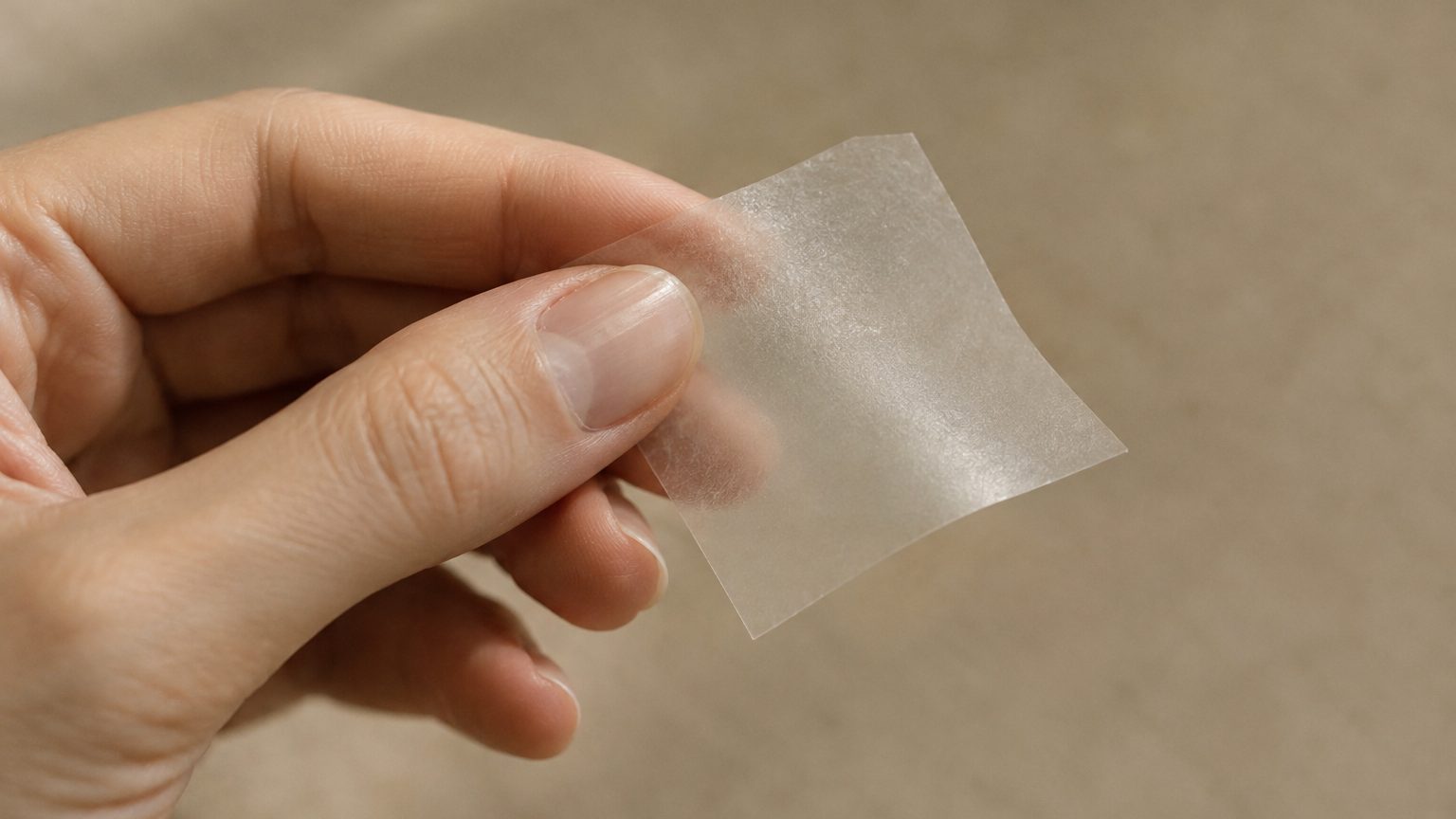
LiveGood NAD+ Dissolvable Strips provide 100 mg of direct NAD+ per strip, rather than NR or NMN. The serving size is one strip, and each pack contains 15 servings. Place the strip on your tongue and allow it to melt, then follow the directions on the pack for frequency and any additional instructions.
The dissolvable format is designed for oral-mucosa delivery and avoids the need to swallow a capsule. It also makes the serving amount easy to identify because the label fully discloses 100 mg of NAD+ in each strip. The strips contain zero calories.
Other ingredients are pullulan, stevia glycosides, lemon essential oil for flavor, HPMC, organic vegetable glycerin, D-malic acid, citric acid, xanthan gum, organic sunflower lecithin, gum arabic, and quercetin for color. Reviewing this list matters if you have ingredient sensitivities or dietary preferences.
LiveGood lists the strips as vegan, gluten free, non-GMO, GMP certified, cruelty free, and made in the USA. At $14.95 for members or $29.95 retail for 15 strips, the cost is about $1.00 per member serving or $2.00 per retail serving. The formula supports healthy NAD+ levels in a portable, fully disclosed format.
If a dissolvable format fits your routine, LiveGood NAD+ Dissolvable Strips provide 100 mg of direct NAD+ per strip and are designed to support healthy NAD+ levels. Place the strip on your tongue, let it melt, and follow the directions on the pack rather than borrowing a schedule from an NR or NMN study. Using it at the same convenient time each day can help you maintain a consistent routine.
Side Effects and Safety Checks
Human studies of NR and NMN have generally reported mild side effects when they occur, including digestive discomfort and headache. Niacin can cause flushing, a temporary feeling of warmth, redness, or tingling in the skin. Side effects associated with one form should not automatically be assigned to every NAD-related ingredient, but any new symptom deserves attention.
Stop using a supplement and contact a healthcare professional if you experience a persistent or concerning reaction. Taking more than the label directs is not a reliable way to improve results and may increase the chance of unwanted effects.
Ask your doctor before using NAD+ or a precursor if you take prescription medication, are pregnant or breastfeeding, have kidney or liver problems, have a cancer history, or have another existing medical condition. Your doctor can review the exact ingredient, amount, route, and your medication list. Children should use supplements only under guidance from an appropriate healthcare professional.
You should also check before combining direct NAD+ with NR, NMN, high-dose niacin, or nicotinamide. These ingredients participate in related pathways, but research has not established a universally appropriate combined dosage. More forms do not necessarily provide more benefit.
Product quality and clear labeling matter because the category includes several chemically different ingredients. Look for the exact active form, amount per serving, serving size, other ingredients, and relevant certifications rather than relying on a large number on the front of a package. For a broader review of precautions and reported reactions, read whether NAD supplements are safe.
Frequently Asked Questions
How much NAD should I take per day?
There is no officially established NAD+ dosage per day. Follow the directions on your product's pack because direct NAD+, NR, NMN, and niacin use different amounts. Research ranges provide context, not personal dosing instructions. Ask your doctor before use if you take medication, are pregnant or breastfeeding, have a cancer history, or have an existing medical condition.
Is 1,000 mg of NAD+ too much?
A 1,000 mg amount cannot be judged without identifying the exact ingredient and route. Some NR studies have used 1,000 mg or more, but that does not make 1,000 mg an appropriate direct NAD+ dose. NR, NMN, and NAD+ are not interchangeable, so use the labeled serving rather than transferring a study amount between forms.
What is the best time to take NAD?
No clinical evidence establishes one best time to take NAD. Morning is a convenient choice because it is easy to make part of a consistent routine, and some people prefer to avoid late use if they feel more alert. Follow any timing instructions on the pack, and choose a time that agrees with you.
Are NAD strips the same as NMN or NR?
No, direct NAD+ strips are not the same as NMN or NR. NMN and NR are precursors that your body can use to produce NAD+, while a direct strip supplies NAD+ itself. Because the compounds and delivery routes differ, you cannot compare their label amounts milligram for milligram or substitute one study dosage for another.
How do you use NAD+ dissolvable strips?
Place the strip on your tongue, allow it to melt, and follow the directions on the pack. LiveGood NAD+ Dissolvable Strips contain 100 mg of direct NAD+ per strip, with one strip listed as a serving. Do not invent a frequency from NR or NMN studies because those ingredients have different research ranges.
Is it safe to take NAD every day?
Daily use has been generally well tolerated in many short-term studies of NR and NMN, but long-term evidence and direct oral NAD+ research remain limited. Follow the product directions and watch for digestive discomfort, headache, or other reactions. Ask your doctor first if you use medication, are pregnant or breastfeeding, have a cancer history, or have a medical condition.