
How to Naturally Balance Hormones for Women
 Written by Nauder Khazan
Ask AI about this article and Hormonal Balance for Women





You can naturally support hormone balance with consistent meals, regular movement, sufficient sleep, stress management and careful supplement use. These habits may support normal hormone function, but they cannot correct every underlying cause of persistent symptoms.
Key Takeaways
- Start with patterns: Track symptoms, cycle timing, sleep and lifestyle changes before overhauling your routine.
- Build balanced meals: Combine protein, fiber-rich carbohydrates and unsaturated fats to support steady energy.
- Move consistently: Use a sustainable mix of strength training, aerobic activity and recovery.
- Protect your sleep: A regular sleep schedule supports the daily rhythms that influence hormone function.
- Be supplement cautious: Look for a clear purpose, transparent label and directions you can follow consistently.
- Seek individual care: Persistent or sudden changes deserve evaluation because hormone symptoms have many possible causes.
Understand What Balance Means
Hormones are chemical messengers that coordinate processes such as the menstrual cycle, metabolism, sleep, stress responses and reproductive function. Estrogen and progesterone matter, but so do insulin, thyroid hormones, cortisol and melatonin. They interact rather than operating as separate switches.
Hormone balance does not mean keeping every hormone at one fixed level. Levels naturally change throughout the day, across the menstrual cycle and during pregnancy, postpartum recovery and perimenopause. A result that is expected on one cycle day could mean something different on another.
That is why learning how to balance hormones naturally for women starts with a realistic goal: support normal hormone production and signaling while looking for persistent patterns that may need medical attention. A nutritious diet or better sleep can support your overall routine, but neither can identify the reason behind every missed period, hot flash or sudden energy change.
Be cautious with online quizzes that assign nearly every symptom to a single hormone. Fatigue, mood changes, digestive discomfort, skin changes and irregular cycles can have several explanations. Symptoms alone cannot show which hormone is involved, whether a level is outside its expected range or whether hormones are the main issue at all.
Track Patterns Before Making Changes
Start with two to three weeks of simple tracking, or one to three menstrual cycles if cycle changes are your main concern. Record cycle dates, sleep duration, energy, appetite, exercise, digestive changes and any new skin, hair or mood patterns. Also note recent travel, major stress, changes in eating, and new medications or supplements.
Use a notebook or basic calendar rather than trying to quantify every detail. A short daily rating, such as low, moderate or high energy, is often more useful than a complicated tracker you abandon after three days. Look for repeated relationships, not one difficult afternoon.
Change one or two habits at a time. If you simultaneously remove several foods, begin intense training and add multiple supplements, you will not know what helped or what caused a new problem. A slower approach also reduces the risk of turning hormone wellness into an unnecessarily restrictive routine.
Tracking creates useful context if you speak with your doctor. Include the first day of each period, cycle length, unusually heavy bleeding and symptoms that interrupt work, exercise or sleep. If testing is appropriate, timing may matter because some hormone levels vary by time of day or menstrual-cycle phase. Home testing should not replace professional interpretation, especially if your symptoms persist.
Build Supportive Everyday Meals
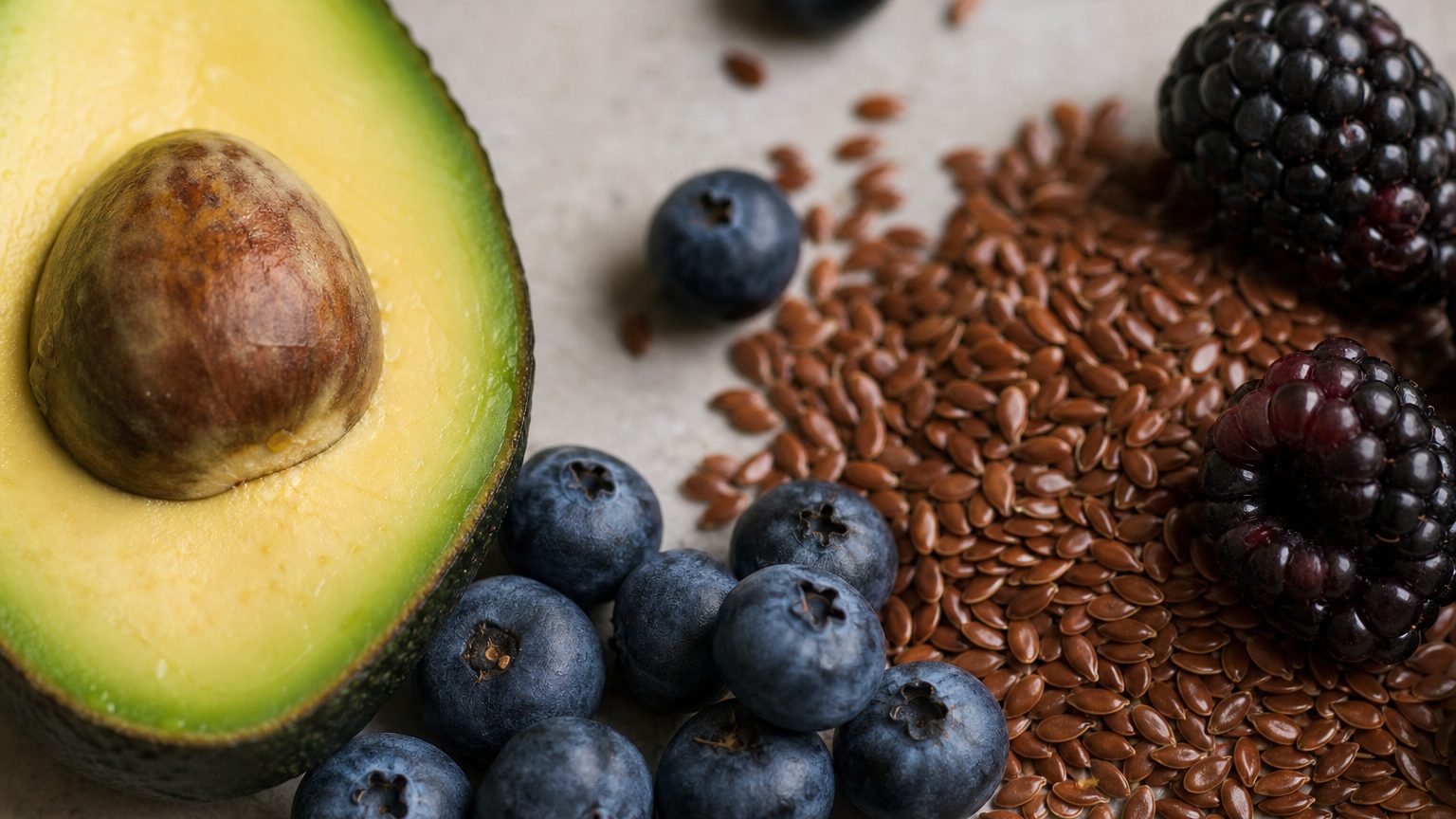
There is no single hormone-balancing diet. A practical starting point is to combine protein, fiber-rich carbohydrates and unsaturated fats at most meals. That might look like eggs with vegetables and whole-grain toast, yogurt with berries and seeds, or beans with brown rice, greens and avocado.
Protein provides amino acids, the building blocks used throughout the body. Spread protein sources such as fish, poultry, eggs, tofu, beans, lentils, yogurt, nuts and seeds across your day rather than relying on one large serving at dinner.
Fiber from vegetables, fruit, legumes and whole grains supports digestive health and helps meals provide steadier energy. Dietary fats from olive oil, nuts, seeds, avocado and oily fish also belong in a balanced eating pattern. Extremely low-fat diets and chronic under-eating may make it harder to meet your nutritional needs.
Regular meal timing can be more useful than pursuing a short reset. If long gaps leave you shaky, exhausted or likely to overeat later, plan a meal or snack that combines protein and fiber. Your ideal timing depends on your schedule, activity and health needs, so there is no universal fasting window for hormone balance.
Hydrate according to thirst, activity and climate. Water supports normal body function, but no tea, juice or wellness drink can reset the endocrine system. Alcohol, highly caffeinated drinks and foods high in added sugar do not have to be universally banned, but notice whether large amounts affect your sleep, energy or cycle-related comfort.
Combine Movement, Sleep and Recovery
Exercise supports metabolic health, muscle and stress management, all of which contribute to a healthy foundation for hormone function. Aim for a sustainable combination of aerobic movement and strength training rather than searching for one ideal hormone workout.
Brisk walking, cycling, swimming or similar activity can provide aerobic exercise. Strength training two or more days per week can help maintain muscle and support healthy insulin sensitivity. Start at an appropriate level and allow recovery between challenging sessions.
More exercise is not always better. A sudden increase in intense training, especially alongside inadequate food or sleep, may contribute to fatigue, poorer performance or menstrual changes. If your cycle changes after a training increase, review your recovery and energy intake rather than automatically adding another workout.
Sleep also follows hormonal signals. Support that rhythm by keeping your wake time reasonably consistent, getting morning light, dimming bright light near bedtime and limiting late caffeine if it affects you. Most adults should generally aim for at least seven hours, though individual needs vary.
For stress management, choose a repeatable practice instead of expecting stress to disappear. Five minutes of slow breathing, an outdoor walk, stretching, journaling or a quiet transition after work can help you recover from daily demands. These practices support a healthier routine, but persistent symptoms still deserve proper evaluation.
Use Supplements With Care
Supplements can fill a specific nutritional gap or support a broader wellness routine, but they do not replace food, sleep, movement or medical assessment. Before buying one, define what you expect it to support and check whether its label clearly lists ingredients, serving size and directions.
No vitamin balances every hormone. Nutrients such as vitamin D, B vitamins, magnesium, iodine and iron participate in normal body processes, but more is not automatically better. For example, taking iron or iodine without a clear need may be inappropriate. Testing and professional guidance can be more useful than guessing from symptoms.
Avoid starting several products together. Introduce one at a time, follow its label and record any changes. Review overlapping ingredients if you already use a multivitamin, since stacking formulas can raise your total intake. Our guides to supplements and women's hormones and when to take a women's multivitamin explain how to evaluate these choices.
Ask your doctor or pharmacist before using supplements if you take prescription medication, are pregnant or breastfeeding, have a kidney or liver condition, or manage an existing medical condition. Bring the full label, not only the product name, so they can review every ingredient.
If you want a supplement alongside that routine, Hormonal Balance for Women is formulated to support hormone balance. For best results, take 2 capsules daily with a glass of water, ideally at a consistent time that helps you remember. The member price is $14.95 versus $29.95 retail. It is Vegan, Gluten Free, Non GMO, Sugar Free, and Heavy Metal Tested. Whatever supplement you choose, follow its label and keep the rest of your daily habits in place.
Allow Time and Know Limits
There is no credible three-day hormone reset, and a week is usually too short to judge a complete routine. You might notice sleep, digestion or energy changes sooner, while menstrual patterns often require several cycles to assess. Judge progress by trends such as more consistent meals, better recovery and fewer disruptions, not by expecting every day to feel identical.
Review your tracking after four to eight weeks. Keep habits that are sustainable and helpful, then adjust one factor at a time. If nothing changes, that does not mean you failed. It may mean the symptom is unrelated to your routine or needs a more individualized assessment.
Contact your doctor about missed or very irregular periods, bleeding that is unusually heavy, symptoms that interfere with daily life, unexpected breast discharge, persistent pelvic discomfort, marked hair changes or a major unexplained weight change. Seek prompt medical care for severe or rapidly worsening symptoms.
Life stage also matters. Puberty, pregnancy, postpartum recovery and perimenopause involve expected hormonal transitions, but you do not have to assume every disruptive symptom is simply normal. Your doctor can consider timing, medical history, medications and whether targeted testing makes sense.
The most useful answer to how to balance hormones for women is not a rigid protocol. Build a consistent foundation, track what actually changes and get help when symptoms persist. Natural habits can support your wellbeing, but they work best as part of an informed routine rather than a promise of a quick reset.