
Plant-Based Amino Acids: Sources and Supplements
 Written by Nauder Khazan
Ask AI about this article and Essential Aminos





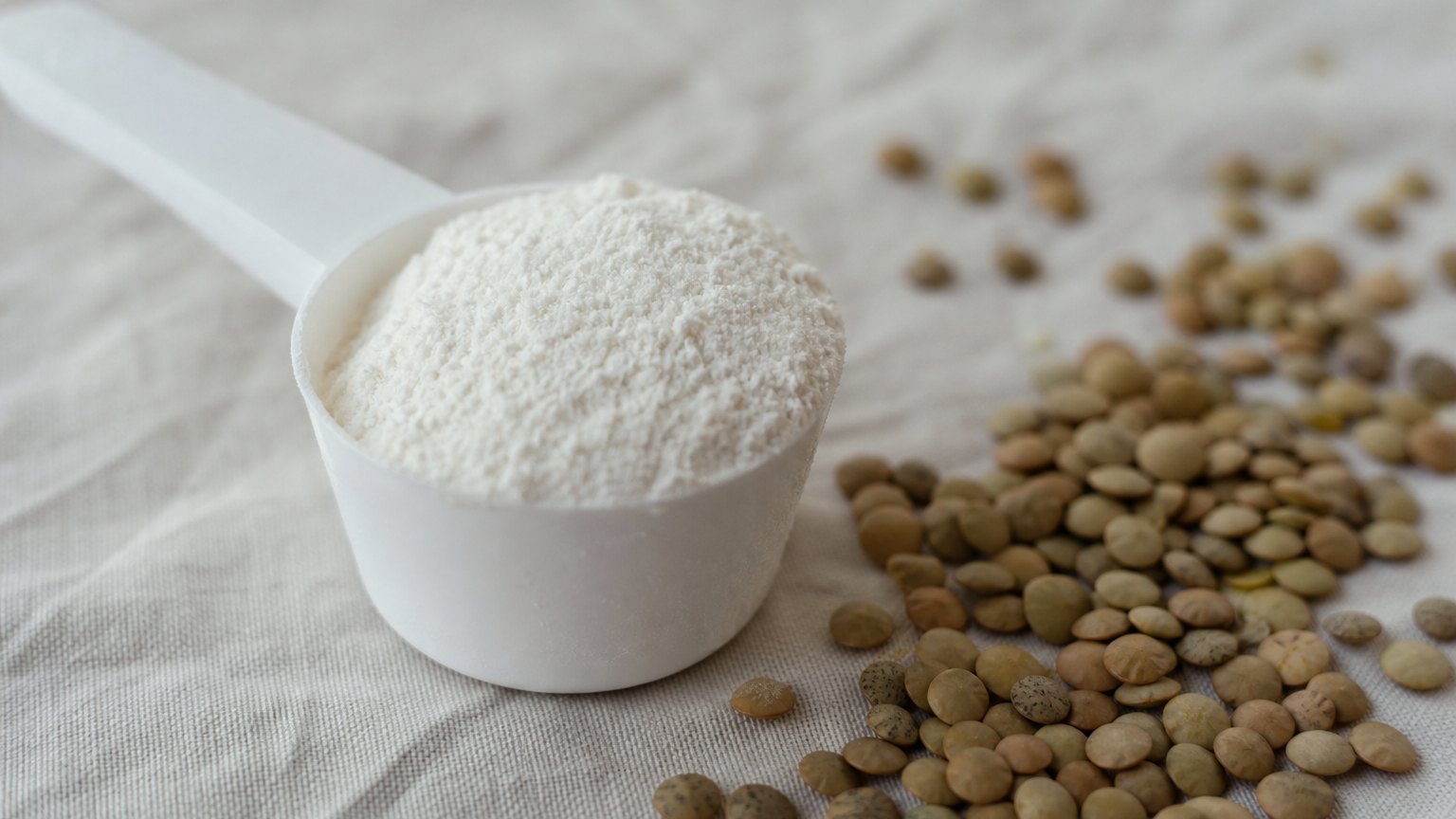
Plant-based amino acids are individual protein building blocks made without animal-derived ingredients. Supplements may contain amino acids produced through fermentation or extracted from plant proteins, and complete essential amino acid formulas are generally more useful than BCAAs alone. Here is how these products are made, what the labels mean, and when a supplement may be worth considering.
Key Takeaways
- Check the full EAA profile: A complete formula supplies all nine essential amino acids, while a BCAA product provides only three.
- Understand the source: Plant-based aminos may be fermented from plant-derived sugars or released from concentrated plant proteins.
- Read amounts per serving: Look for individual amino acid quantities instead of relying on broad blend names or front-label claims.
- Start with your total protein intake: Most people who consistently meet their protein needs do not require a separate amino acid supplement.
- Use supplements for convenience: Amino powders can help when appetite, training schedules, or dietary restrictions make whole protein less practical.
Where Plant-Based Amino Supplements Come From
Your body uses 20 common amino acids to make proteins. It can produce 11 of them, but the other nine must come from food. These nine are called essential amino acids, or EAAs. They are histidine, isoleucine, leucine, lysine, methionine, phenylalanine, threonine, tryptophan, and valine.
Plant-based amino supplements do not necessarily consist of ground plants. Many contain purified amino acids made by microorganisms fed sugars derived from crops such as corn, sugarcane, or cassava. After fermentation, manufacturers separate and purify the amino acids into powders. The finished molecules can be chemically identical to the same L-amino acids found in food.
Other products begin with intact plant proteins such as pea, rice, soy, or wheat. Manufacturers process those proteins to separate the amino acids or create smaller protein fragments called peptides. Peptides are short chains of amino acids, while free-form amino acids are individual molecules.
The source matters most for dietary preferences, allergens, and formulation quality. It does not automatically tell you whether a product has a useful amino acid balance. A plant-derived BCAA powder still supplies only three essential amino acids. A well-disclosed EAA formula supplies all nine in stated amounts.
For a deeper look at meeting amino acid needs through meals, see our guide to vegan amino acids.
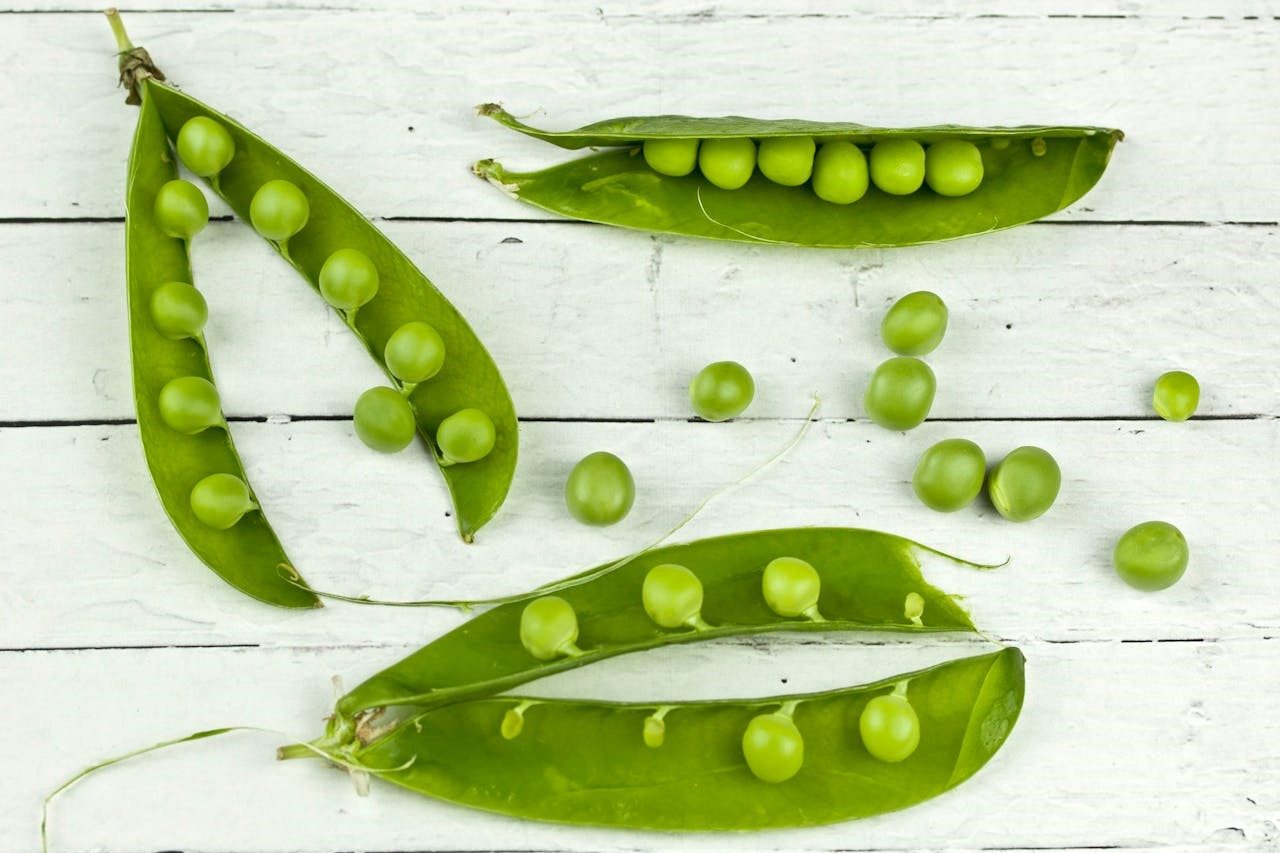
Plant-based amino supplements may begin with crop-derived sugars or concentrated proteins from sources such as peas, rice, and soy.
Fermentation vs Extraction
Fermentation and extraction are two different ways to produce plant aminos. Neither method is automatically superior, but understanding the distinction can help you evaluate labels and vegan claims.
With fermentation, selected microorganisms are placed in tanks with nutrients and a carbohydrate source. That carbohydrate may come from corn, sugarcane, beets, or another crop. The microorganisms convert the feedstock into a particular amino acid. Manufacturers then filter, crystallize, and purify it. This process can produce highly concentrated free-form amino acids without using animal tissues.
However, the word "fermented" does not prove that every processing aid is vegan. The growth medium, filtering materials, capsule shell, flavors, and other ingredients also matter. If vegan status is essential to you, look for a clear vegan statement or certification and ask the manufacturer when the label is vague.
Extraction usually starts with a plant protein concentrate or isolate. Water, enzymes, changes in acidity, or other processing steps break the protein apart. Enzymes are substances that speed up chemical reactions. The result may be individual amino acids, short peptides, or a hydrolyzed protein. "Hydrolyzed" simply means the protein chains have been broken into smaller pieces.
Fermented free-form aminos can make exact formulations easier because each amino acid is added separately. Extracted proteins retain a profile influenced by the original crop. What matters in practice is the finished formula, including all nine EAAs, disclosed amounts, allergen information, and clear sourcing.
Fermentation produces individual amino acids, while extraction breaks plant proteins into amino acids or shorter peptide chains.
EAAs vs BCAAs: Why the Full Profile Matters
BCAAs are branched-chain amino acids. The group contains leucine, isoleucine, and valine, named for their branched molecular structures. All three are essential amino acids, but they are only three of the nine your body must obtain from food.
Leucine helps signal the muscle protein-building process. That signal is useful, but signaling alone is not enough. Your body also needs the remaining essential amino acids as raw materials for assembling new protein. Think of leucine as helping start a construction project. If the other building materials are missing, the project cannot proceed efficiently.
That is why BCAAs alone are generally a weaker choice than a complete EAA formula. Research on amino acid nutrition supports supplying the full group of essential amino acids when the goal is to promote muscle protein synthesis, the process through which the body builds muscle proteins. BCAA-only products may be less useful when your diet already contains adequate protein, and they cannot replace a complete protein source.
A full EAA formula includes the three BCAAs plus histidine, lysine, methionine, phenylalanine, threonine, and tryptophan. The relative amounts can vary. A higher leucine number may look impressive, but it should not distract you from checking whether the other eight EAAs are present.
Plant-based versus animal-derived is not the main performance question for purified amino acids. The more useful questions are whether the product contains the L-forms used by the body, provides all nine EAAs, discloses meaningful amounts, and fits your overall protein intake.

A complete EAA formula includes all nine essential amino acids, including the three BCAAs.
Reading an Amino Acid Label
Start with the Supplement Facts panel, not the claims on the front. Terms such as "plant aminos," "muscle blend," or "fermented BCAAs" do not tell you whether the formula supplies all essential amino acids.
Use this quick label check:
| Label item | What to look for |
|---|---|
| Serving size | The number of scoops, capsules, or tablets that provides the listed amounts |
| Total EAAs | All nine essential amino acids, not just a large total for three BCAAs |
| Individual amounts | A stated quantity for each amino acid whenever possible |
| Amino acid form | L-leucine, L-lysine, and similar L-forms used in human protein metabolism |
| Other ingredients | Sweeteners, flavors, colors, capsule materials, and potential allergens |
| Dietary claims | A clear vegan or non-GMO statement when either feature matters to you |
Be cautious when every amino acid is hidden inside a proprietary blend. The total blend weight may be listed without showing how much of each ingredient it contains. That makes it difficult to judge the balance of the formula.
Also check whether amounts are listed per serving rather than per scoop or per container. If a serving requires several capsules, consider whether that routine is realistic for you. Powders are often more convenient for larger formulas, while capsules can be easier to travel with.
An electrolyte blend may be useful around sweaty exercise, but electrolytes do not make an incomplete amino formula complete. Likewise, "zero sugar" and "caffeine free" describe the experience of using a product, not its EAA quality. Evaluate the amino profile first, then consider flavor, format, dietary preferences, and price.
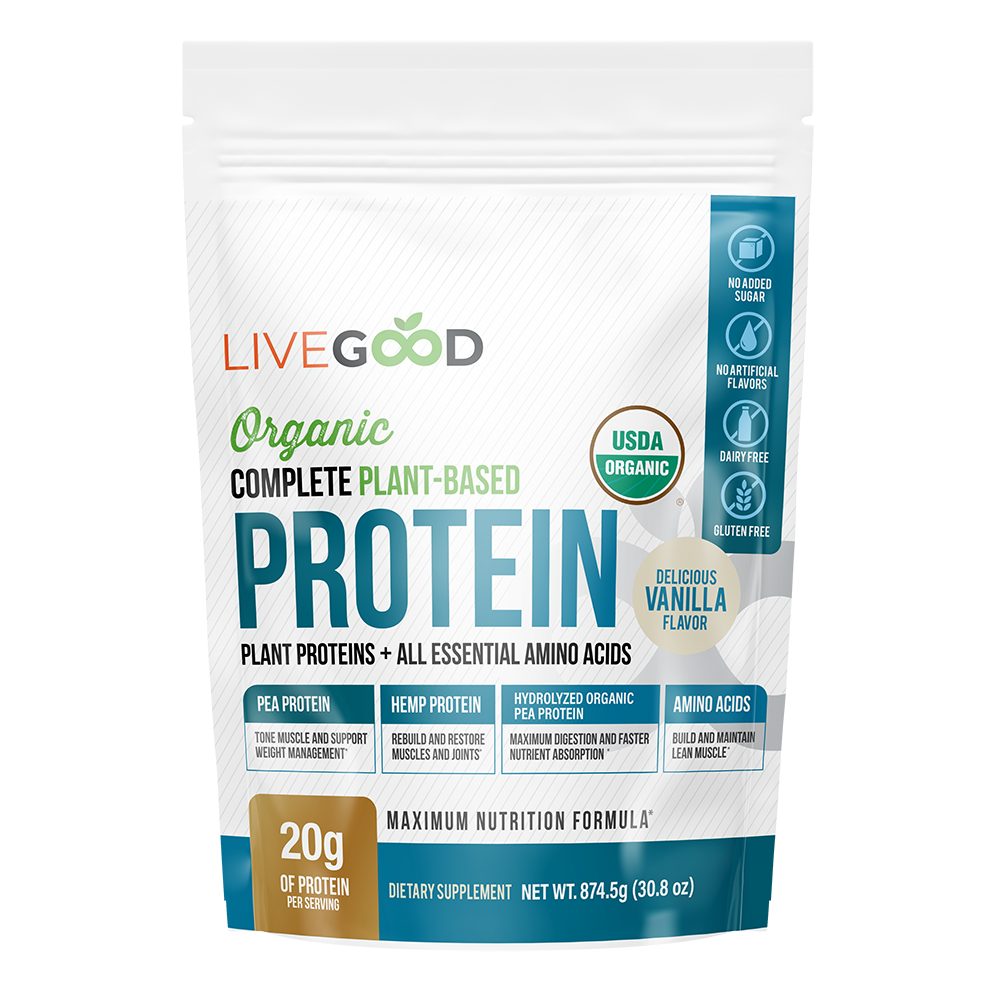
A useful amino acid label clearly shows the serving size, individual amino amounts, and other ingredients.
Do You Need Them if You Eat Enough Protein?
Most people who consistently meet their protein needs do not need a separate amino acid supplement. Whole protein foods already provide amino acids, along with nutrients and calories that isolated amino powders may not supply.
Your daily pattern matters more than whether every meal contains a perfectly matched plant protein combination. A varied diet can provide all nine EAAs across the day. Soy foods, legumes, grains, nuts, seeds, and plant protein powders can all contribute. You do not need to combine rice and beans in the same bite for their amino acid profiles to complement each other.
A supplement may still be convenient if you train when a full meal feels uncomfortable, have a low appetite, follow a calorie-restricted eating plan, or struggle to eat enough complete protein. Older adults may also find a flavored drink easier to use than adding another full meal. That does not make isolated aminos a substitute for balanced nutrition.
Before buying, estimate how much protein you already get from meals, snacks, and shakes. Then consider whether there is a real gap. If there is no gap, additional amino acids may add cost without producing a noticeable benefit.
People with kidney or liver conditions, existing medical conditions, or prescription medications should talk to their doctor before using amino acid supplements. The same advice applies during pregnancy or breastfeeding. Individual protein and amino acid needs can differ, and more is not always better.
Timing and Practical Use
There is no single required time to take plant-based amino acids. Consistency and total daily protein intake usually matter more than choosing an exact minute. Follow the product's label directions rather than increasing the serving to imitate a study or another person's routine.
Around workouts, an EAA drink can be practical before, during, or after training when you cannot comfortably eat a protein-containing meal. It may also fit between meals during a long day. If you already eat a complete protein meal near your workout, an additional amino serving may be unnecessary.
Mix powders with the amount of water suggested on the label, then adjust the water for taste if the directions allow it. More water can make sweet or tart flavors easier to drink. If a product contains electrolytes, it may be especially convenient during long, hot, or sweaty sessions, though ordinary water and balanced meals remain the foundation of hydration.
Pay attention to tolerance. Free-form amino acids can taste bitter, and some formulas may cause nausea or stomach discomfort, especially when taken quickly or on an empty stomach. Using the labeled serving with more water may help. Stop using the product and seek medical guidance if you experience a concerning reaction.
Treat amino supplements as a routine tool, not a quick fix. Track whether the product genuinely improves convenience, consistency, or your ability to meet nutrition goals. If it does not, you may be better served by food or a complete protein powder.
Essential Aminos combines an optimized ratio of all nine essential amino acids, including BCAAs, with electrolytes to help maintain lean muscle as you age and support an active routine. It is vegan, non-GMO, gluten free, sugar free, and caffeine free, with Fruit Punch and Lemon Lime flavors. Members pay $21.95 versus $34.95 retail, reflecting LiveGood's belief that wellness should not be a luxury. Follow the label directions for use.
Frequently Asked Questions
What are plant-based amino acids?
Plant-based amino acids are protein building blocks produced without animal-derived ingredients. They may be fermented using plant-derived sugars or obtained by processing proteins such as pea, soy, rice, or wheat. The finished supplement can contain individual free-form amino acids, short peptides, or hydrolyzed protein. Check the complete ingredient list because flavors, capsules, and processing aids can also affect vegan status.
Are plant-based amino acids as good as animal-derived?
Plant-based amino acids can be equally usable when the finished molecules, amounts, and overall profile are comparable. Purified L-leucine has the same basic chemical structure regardless of whether its production began with plant sugar or another source. Effectiveness depends more on supplying all nine EAAs, using appropriate forms, meeting protein needs, and choosing a transparent formula than on a plant or animal label alone.
Should you take EAAs or BCAAs?
EAAs are usually the more complete choice because they include all nine amino acids your body cannot make. BCAAs provide only leucine, isoleucine, and valine. Although leucine helps initiate muscle protein synthesis, the body needs the other EAAs to build complete proteins. If your diet already supplies enough high-quality protein, you may not need either supplement.
Do you need amino acid supplements?
You probably do not need an amino acid supplement if you regularly meet your protein needs through food or protein shakes. An EAA product may be useful when appetite, dietary restrictions, or workout timing make complete protein inconvenient. Review your normal intake before buying. Supplements should support a consistent eating pattern, not replace balanced meals or serve as a shortcut around inadequate nutrition.
How do you know if aminos are vegan?
Look for a clear vegan statement or recognized vegan certification on the package, then review every ingredient. Fermentation from plant-derived sugar is encouraging, but it does not confirm the source of processing aids, flavors, or capsule materials. If the manufacturer only says "fermented" or "plant based" without explaining its standards, contact the company and ask whether the complete finished product is made without animal-derived inputs.