
Plant Protein Recipes for a Calorie Deficit
 Written by Nauder Khazan
Ask AI about this article and Organic Complete Plant-Based Protein





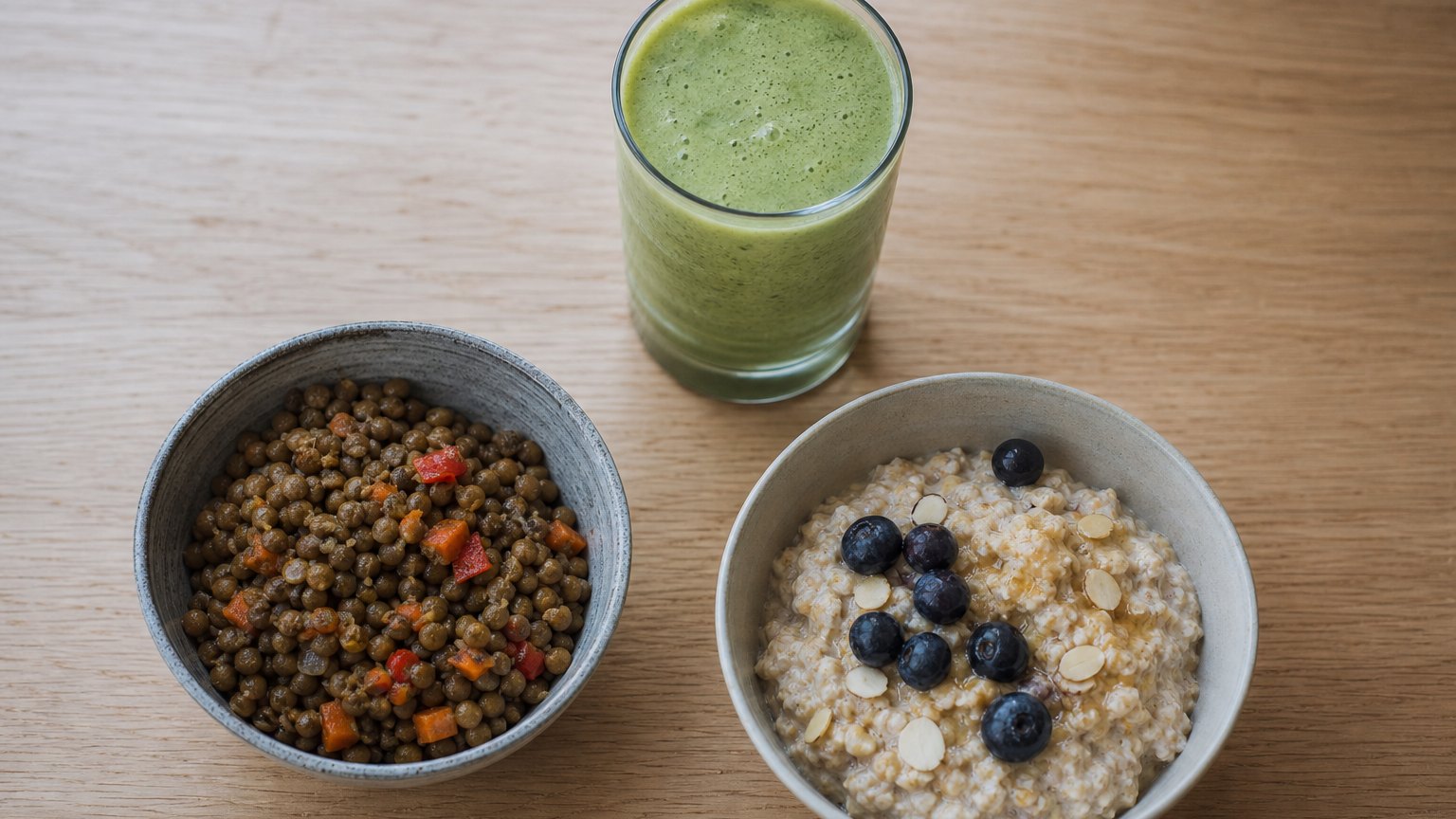
Plant protein recipes can make a calorie deficit more manageable by combining satisfying protein with fibre-rich foods. The deficit causes weight loss, while protein and fibre may help you stay full and preserve a balanced eating routine. These five recipes include practical quantities, simple instructions, and approximate nutrition.
Key Takeaways
- The deficit does the work: Weight loss happens when you consistently consume fewer calories than your body uses.
- Protein supports fullness: Protein generally takes longer to digest than refined carbohydrates and can make meals more satisfying.
- Fibre adds staying power: Beans, lentils, oats, fruit, and vegetables provide fibre that helps meals feel substantial.
- Portions still matter: Nuts, seeds, tahini, and nut butter are nutritious, but their calories add up quickly.
- Nutrition numbers are estimates: Check your ingredient labels if you need more precise calorie or protein totals.
Why Protein and Fibre Help in a Deficit
A calorie deficit means eating fewer calories than your body uses over time. Your body then draws on stored energy, which can lead to gradual weight loss. No individual food, recipe, or supplement creates that deficit for you.
Protein and fibre can still make the process easier to follow. Protein is used to build and maintain tissues, including muscle. It also tends to be more filling than the same number of calories from many low-fibre, refined carbohydrate foods. That does not mean protein automatically stops hunger, but including it at meals may help you feel satisfied for longer.
Fibre is the part of plant food that your body does not fully digest. It adds volume and slows the movement of food through your digestive system. Beans, lentils, oats, berries, vegetables, seeds, and whole grains can therefore help a moderate-calorie meal feel more substantial.
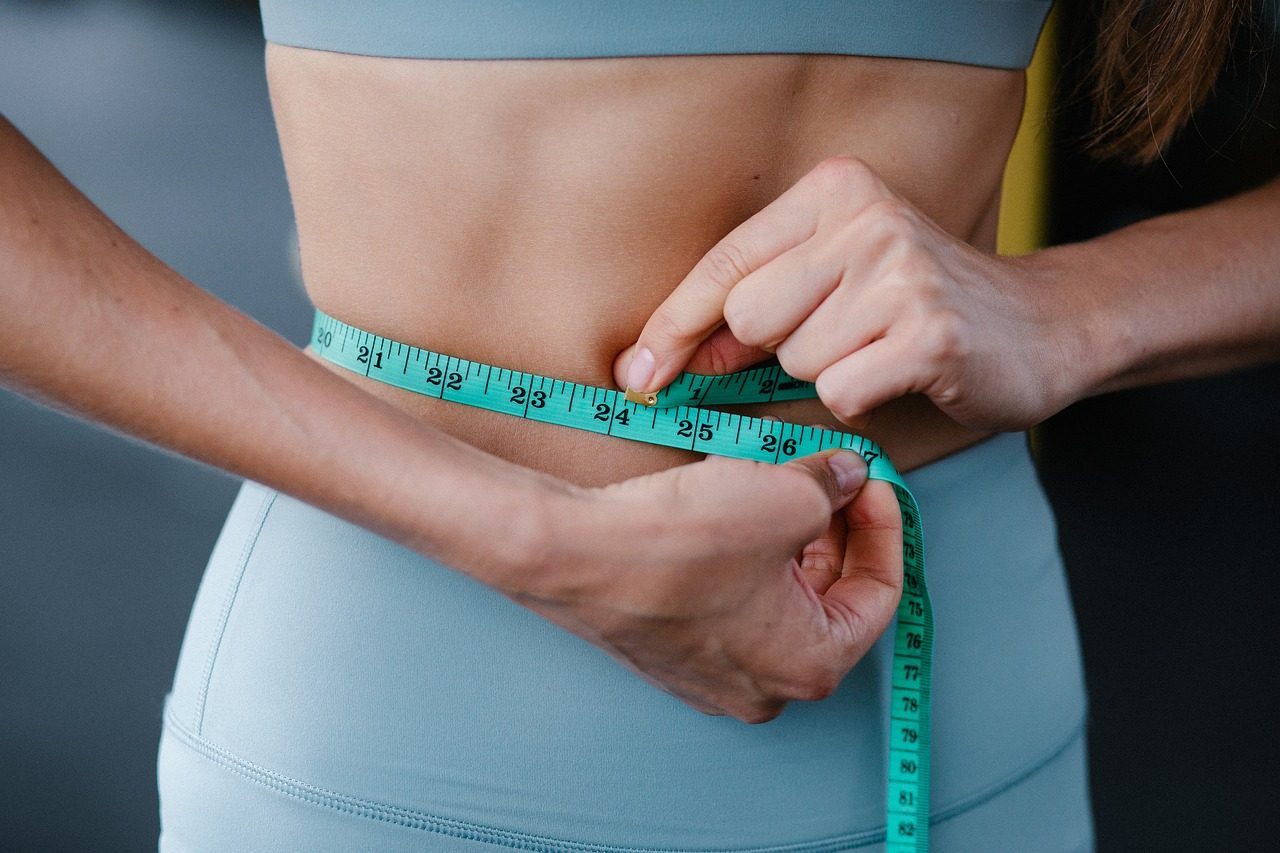
Combining plant protein with fibre-rich vegetables and grains can make a calorie-controlled meal more satisfying.
The useful strategy is to combine protein and fibre rather than relying on either one alone. A bowl with lentils, vegetables, and quinoa is likely to be more satisfying than plain vegetables. Overnight oats become more protein-rich when you add soy milk and protein powder.
Calories still count. Nut butter, seeds, oil, and tahini contain valuable nutrients, but small portions carry significant calories. Measure them while you are learning what fits your daily target. The goal is not to remove these foods. It is to use enough for flavour and satisfaction without accidentally erasing your planned deficit.
Recipe 1: High-Protein Overnight Oats
This make-ahead breakfast combines oats and chia seeds for fibre with soy milk and plant protein powder for protein. Prepare it the night before, then add a splash of milk in the morning if you prefer a thinner texture.
Ingredients for one serving:
- 1/2 cup rolled oats, about 40 grams
- 2/3 cup unsweetened soy milk
- 1 serving vanilla plant protein powder, estimated at 120 calories and 20 grams of protein
- 1 tablespoon chia seeds
- 1/2 cup blueberries or chopped strawberries
- 1/4 teaspoon cinnamon
- 1 to 3 tablespoons water, as needed
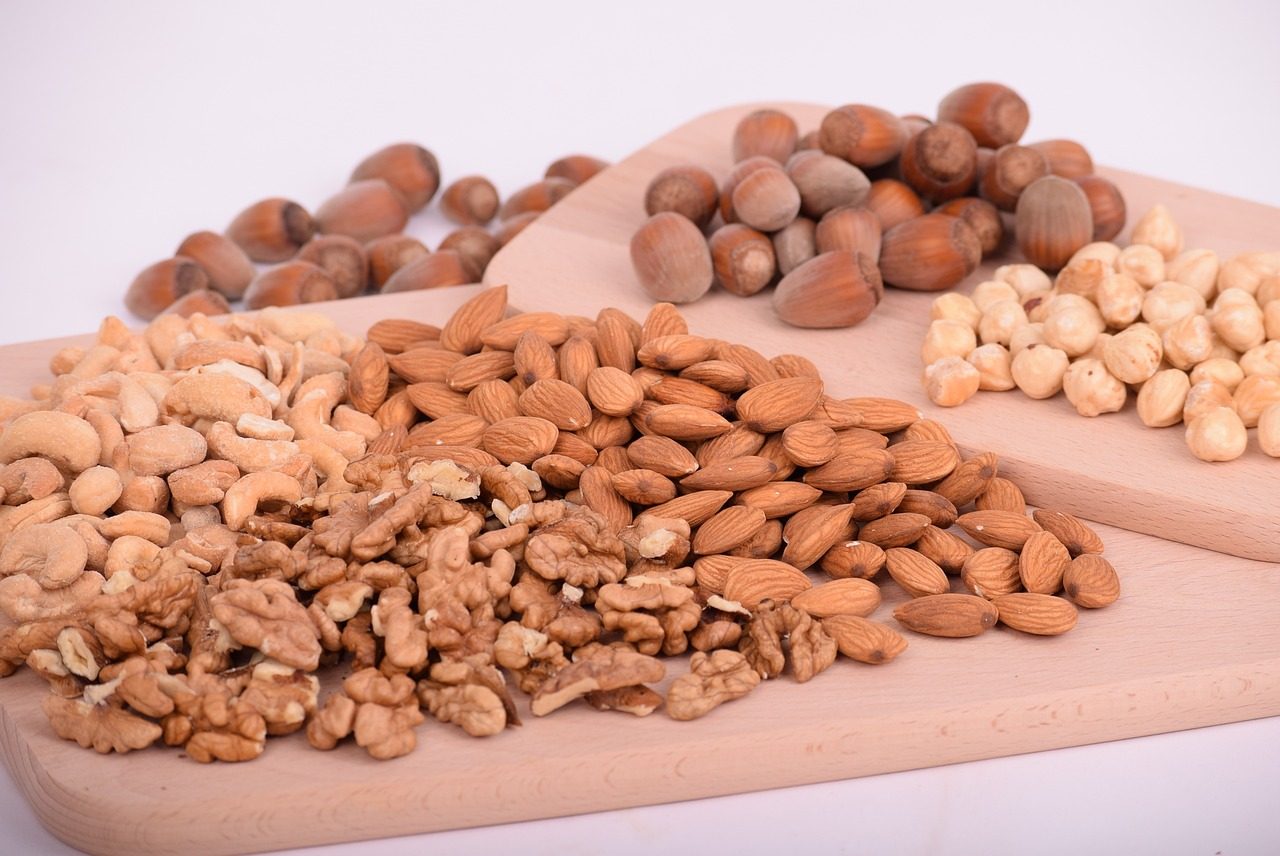
Measured oats, berries, chia seeds, soy milk, and protein powder create a make-ahead breakfast with predictable nutrition.
Add the oats, soy milk, protein powder, chia seeds, and cinnamon to a jar. Stir thoroughly so no dry pockets of powder remain. Fold in the berries, cover, and refrigerate for at least four hours. Overnight chilling gives the oats and chia time to absorb the liquid.
Approximate nutrition: 430 calories, 33 grams of protein, and 11 grams of fibre.
The exact total depends heavily on your protein powder and milk. Unsweetened almond milk can reduce calories, but it usually provides much less protein than soy milk. If 430 calories is more than your breakfast allowance, use 1/3 cup oats and two teaspoons of chia. Avoid cutting the berries first, since they add volume and sweetness for relatively few calories.
Recipe 2: Savoury Lentil Bowl
Lentils provide both protein and fibre, making them useful when you want a filling lunch without complicated preparation. Canned or packaged cooked lentils work well. Drain and rinse canned lentils to remove excess liquid and some of the sodium.
Ingredients for one serving:
- 3/4 cup cooked brown or green lentils
- 1/2 cup cooked quinoa
- 1 cup broccoli florets
- 1/2 red bell pepper, sliced
- 1 teaspoon olive oil
- 1 teaspoon tahini
- 1 tablespoon lemon juice
- 1 tablespoon water
- 1/4 teaspoon ground cumin
- Salt and black pepper to taste
- Chopped parsley, optional
Heat the oven to 425 degrees F. Toss the broccoli and pepper with the olive oil, cumin, salt, and pepper. Roast for 15 to 18 minutes, turning once. Warm the lentils and quinoa, then place them in a bowl with the roasted vegetables.
Whisk the tahini, lemon juice, and water into a thin dressing. Spoon it over the bowl and add parsley if desired. You can also prepare the components ahead and serve the bowl cold.
Approximate nutrition: 400 calories, 22 grams of protein, and 18 grams of fibre.
For a larger meal, add 1/2 cup shelled edamame. For a lower-calorie version, replace half the quinoa with cauliflower rice. Keep at least some quinoa or another grain if that makes the meal more enjoyable and easier for you to maintain.
Recipe 3: Green Protein Smoothie
A smoothie can be a convenient breakfast or snack, but it is easy to add more calories than expected. Measuring the fruit, seeds, and liquid keeps this version predictable. Frozen fruit also makes it thick without requiring juice or sweetened yoghurt.
Ingredients for one serving:
- 1 cup unsweetened soy milk
- 1 serving vanilla plant protein powder, estimated at 120 calories and 20 grams of protein
- 1 cup frozen mixed berries
- 1/2 small banana
- 1 packed cup baby spinach
- 1 tablespoon ground flaxseed
- 1/2 cup ice
- Water as needed
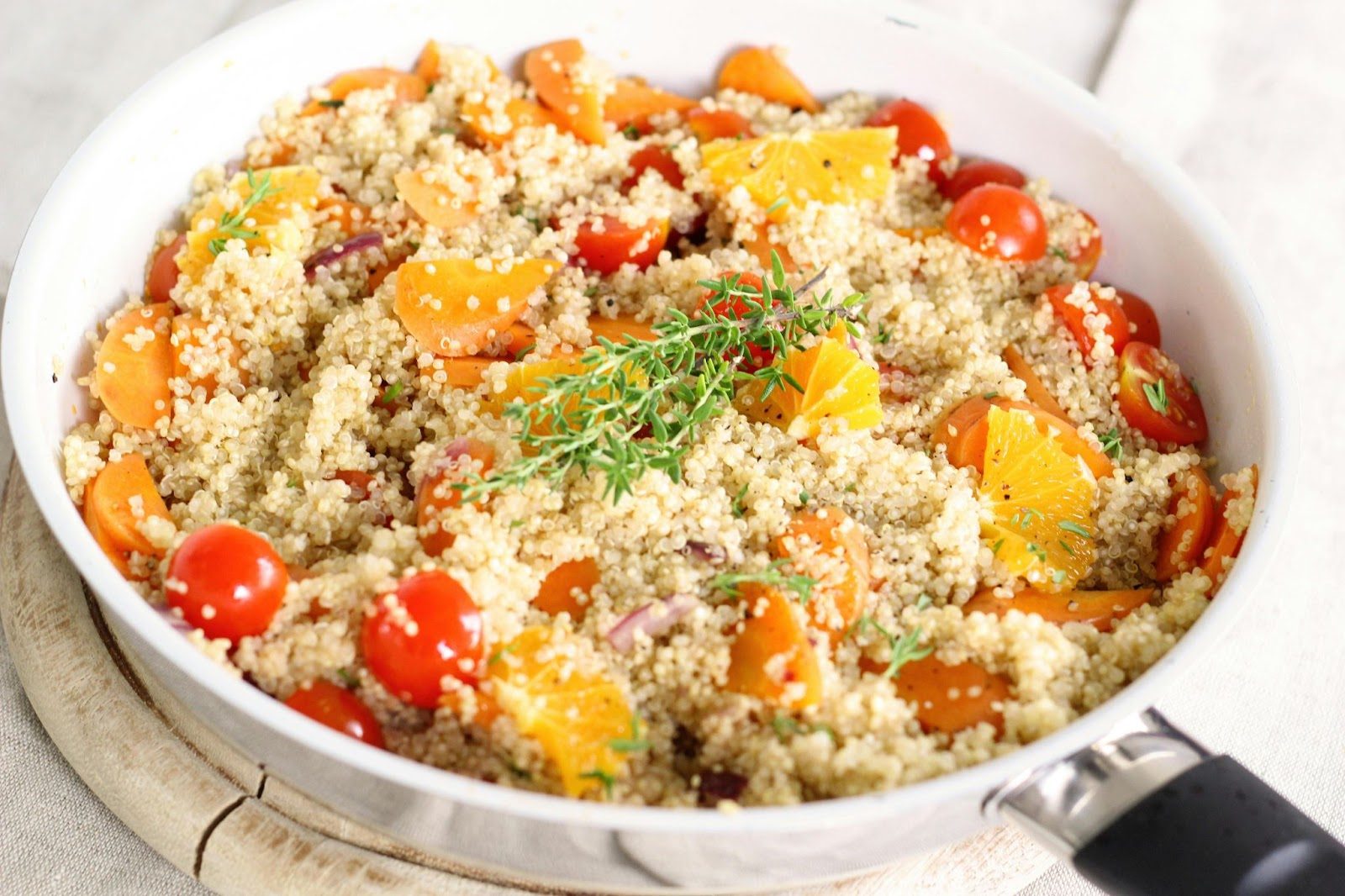
Frozen berries and spinach add fibre and volume to a carefully portioned plant protein smoothie.
Place the soy milk in the blender first. Add the protein powder, berries, banana, spinach, flaxseed, and ice. Blend until smooth, adding water one tablespoon at a time if the mixture is too thick.
Approximate nutrition: 380 calories, 30 grams of protein, and 10 grams of fibre.
You can reduce the total to about 325 calories by leaving out the banana. The berries still provide sweetness and help cover the spinach flavour. If smoothies do not keep you as full as solid meals, drink this one slowly or pair a smaller portion with crunchy vegetables. Blending does not remove the fruit's fibre, but drinking a meal quickly may feel less satisfying for some people.
For more simple combinations, see these ways to make plant protein taste better.
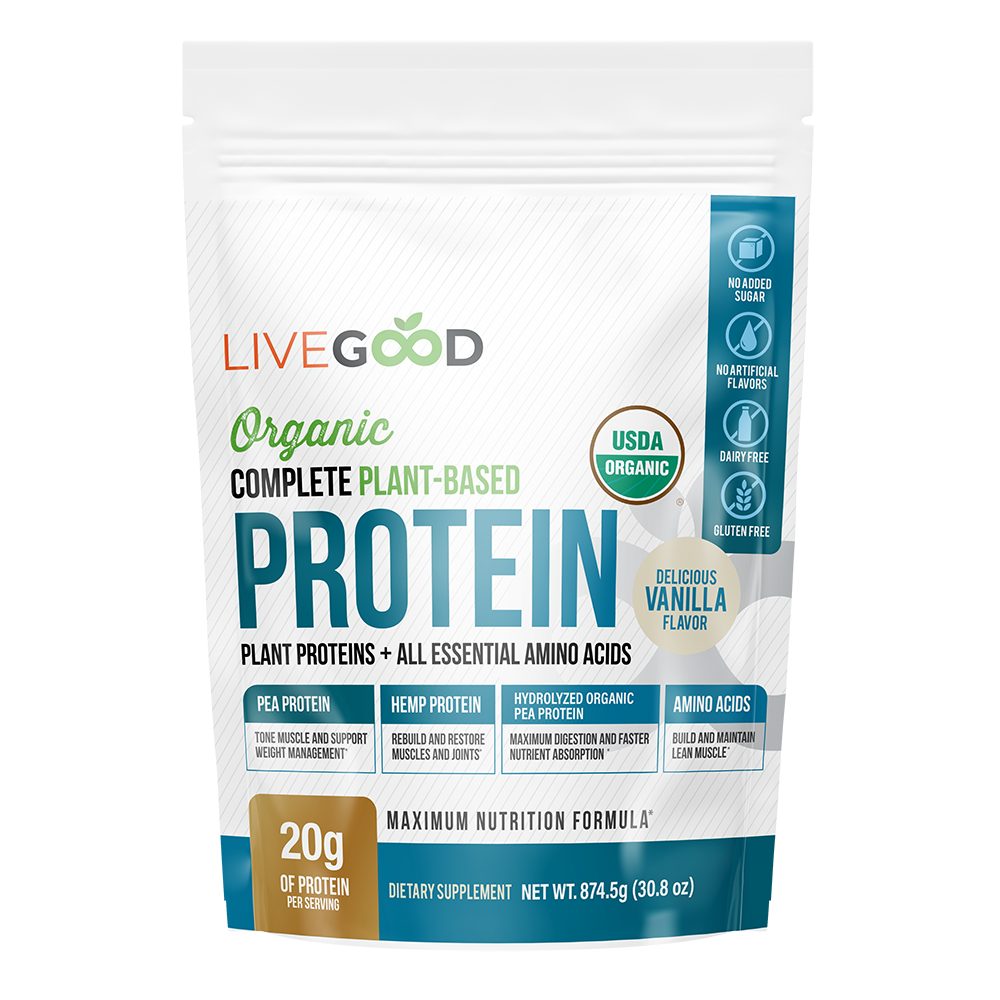
For a convenient option, Organic Complete Plant-Based Protein is a vanilla powder built on organic pea protein, with all nine essential amino acids plus BCAAs, and organic hemp protein, with 26 vitamins and minerals. It can support daily protein intake when food preparation is difficult. Mix it with water or blend it into a smoothie any time of day. Members pay $39.95 versus $49.95 retail. This reflects LiveGood's mission: "Provide the highest quality supplements in the world, at the lowest prices possible."
Recipe 4: Chickpea and Tofu Scramble
This scramble works for breakfast, lunch, or dinner. Tofu supplies most of the protein, while chickpeas bring extra fibre and a firmer texture. Pressing the tofu briefly helps it brown, but you can skip that step when time is short.
Ingredients for one serving:
- 7 ounces extra-firm tofu, about 200 grams
- 1/2 cup canned chickpeas, drained and rinsed
- 1 teaspoon olive oil
- 1/2 cup sliced mushrooms
- 1/2 cup diced courgette or zucchini
- 1 cup baby spinach
- 1 tablespoon nutritional yeast
- 1/4 teaspoon turmeric
- 1/4 teaspoon garlic powder
- Salt and black pepper to taste
- 1 tablespoon water, if needed
Tofu, chickpeas, and vegetables make a versatile scramble with protein and fibre in each serving.
Pat the tofu dry and crumble it with your hands or a fork. Warm the oil in a non-stick pan over medium heat. Cook the mushrooms and courgette for four to five minutes. Add the tofu, chickpeas, turmeric, garlic powder, salt, and pepper.
Cook for another five minutes, stirring occasionally. Add a tablespoon of water if the seasoning begins sticking. Stir in the spinach and nutritional yeast, then cook until the spinach wilts.
Approximate nutrition: 455 calories, 35 grams of protein, and 15 grams of fibre.
For a lighter meal, reduce the chickpeas to 1/4 cup, which saves roughly 65 calories while keeping the tofu portion intact. If you have more room in your daily target, serve the full scramble with whole-grain toast. Check the tofu label because calories and protein vary by firmness and brand.
Recipe 5: Protein Energy Bites
Energy bites are convenient, but the name can hide how calorie-dense they are. Nut butter, dates, and oats are nutritious ingredients, yet they pack substantial energy into a small portion. Treat these bites as a measured snack rather than an unlimited food.
Ingredients for 10 bites:
- 1 cup rolled oats, about 80 grams
- 2 servings vanilla plant protein powder, estimated at 240 calories and 40 grams of protein total
- 1/2 cup natural peanut butter, about 128 grams
- 8 small pitted dates, about 120 grams
- 1/2 teaspoon cinnamon
- Pinch of salt
- 2 to 4 tablespoons water
Add the oats to a food processor and pulse until roughly ground. Add the protein powder, peanut butter, dates, cinnamon, and salt. Process until the mixture begins to clump. Add water one tablespoon at a time only if needed.
Divide the mixture into 10 equal portions and roll each one into a ball. Refrigerate in a covered container for up to five days, or freeze them for longer storage.
Approximate nutrition per bite: 165 calories, 8 grams of protein, and 3 grams of fibre. Two bites provide about 330 calories and 16 grams of protein.
Pre-portioning matters here. Keep one or two bites in a small container rather than eating directly from the full batch. If you want a lower-calorie snack, choose fruit with soy yoghurt instead. The bites are most useful when you need something portable and can account for the portion.
Fitting These Into a Day
Start with your daily calorie target, then choose recipes that fit rather than trying to eat every recipe in one day. Calorie needs differ based on body size, age, activity, and other factors. A modest deficit is generally easier to maintain than an aggressive one.
Here is one example of how the recipes might be used:
| Meal | Example | Approximate nutrition |
|---|---|---|
| Breakfast | Overnight oats | 430 calories, 33 grams protein |
| Lunch | Lentil bowl | 400 calories, 22 grams protein |
| Snack | One energy bite and an apple | 260 calories, 8 grams protein |
| Dinner | Tofu scramble | 455 calories, 35 grams protein |
This example provides about 1,545 calories and 98 grams of protein before any drinks, sauces, or extras. It is not a universal meal plan. Some people need considerably more food, while others may use different portions. Add or remove food based on your own needs and professional guidance.
A common starting point for protein is 0.8 grams per kilogram of body weight per day. Active people and those dieting may benefit from more, often around 1.2 to 1.6 grams per kilogram, but there is no single target for everyone. Spread protein across meals if that feels more satisfying than saving most of it for dinner.
Track oils, dressings, nut butter, and drinks when estimating calories. You do not need perfect accuracy, but consistent portions create more useful information. If you are pregnant, breastfeeding, take prescription medication, or have a kidney condition, liver condition, or another existing medical condition, talk to your doctor before making a major dietary change or using a supplement. Consistency matters more than quick fixes.
Frequently Asked Questions
Do plant protein recipes help with weight loss?
Plant protein recipes can support a weight-loss eating plan when they help you maintain a calorie deficit. Protein and fibre may improve fullness, which can make a lower-calorie routine easier to follow. However, plant-based meals are not automatically low in calories. Portions of oil, nuts, seeds, avocado, and dressings still need to fit your overall target.
How much protein should you eat in a deficit?
Many adults can begin with at least 0.8 grams of protein per kilogram of body weight daily, while active people in a deficit may aim closer to 1.2 to 1.6 grams per kilogram. Your ideal amount depends on your size, activity, total calories, and health. Talk to your doctor or a registered dietitian if you have kidney or liver concerns.
Does protein keep you full?
Protein often helps meals feel more satisfying, but the effect varies by person and meal. Combining protein with fibre, water-rich vegetables, and an appropriate amount of fat usually provides more volume and staying power than protein alone. Sleep, stress, meal timing, and how quickly you eat can also affect hunger, so protein is one useful part of the plan rather than a guarantee.
Can you lose weight on a plant-based diet?
Yes, you can lose weight on a plant-based diet if it creates a consistent calorie deficit. Beans, lentils, tofu, whole grains, fruit, and vegetables can make balanced meals with plenty of protein and fibre. A plant-based label does not guarantee weight loss, since fried foods, sweets, oils, and large portions can still supply more calories than your body uses.
How do you make plant protein taste good?
Use seasoning, acidity, texture, and cooking methods that suit the protein source. Roast chickpeas with spices, brown tofu in a hot pan, add lemon to lentils, or blend vanilla protein powder with berries and cinnamon. Start with familiar flavours and adjust gradually. Measuring calorie-dense sauces and oils lets you improve flavour while keeping the recipe within your planned calorie range.