
Plant Protein vs Whey for Muscle Growth
 Written by Ben Glinsky
Ask AI about this article and Organic Complete Plant-Based Protein





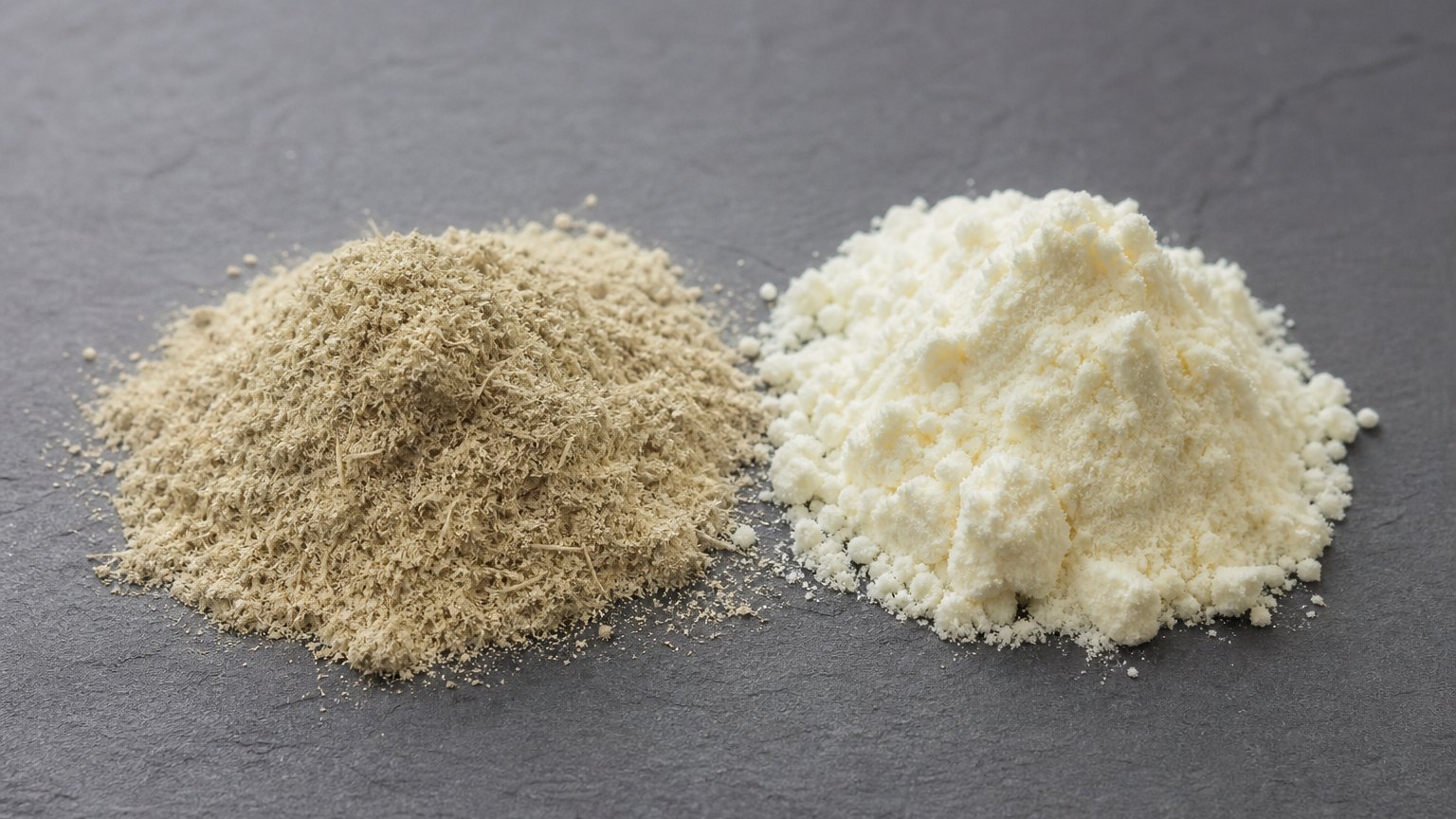
Plant protein can support muscle growth as effectively as whey when you get enough total protein, essential amino acids, and leucine. Whey delivers more leucine per gram, but a well-formulated plant blend or slightly larger serving can address that difference. Here is what the head-to-head research means for your shake and training routine.
Key Takeaways
- Matched servings perform similarly: Studies tend to find comparable muscle and strength outcomes when total protein and leucine are aligned.
- Whey is more leucine-dense: It usually provides more leucine per gram, so a smaller serving can deliver a strong muscle-building signal.
- Plant blends improve balance: Combining sources can provide all nine essential amino acids in useful proportions.
- Serving size matters: Some plant powders need a modestly larger serving to match the leucine in whey.
- Consistency comes first: Your daily protein intake and resistance training matter more than choosing one protein source over the other.
What the Matched-Protein Studies Show
The fairest comparison is not one scoop of whey against one scoop of any plant powder. It is whey and plant protein compared at similar amounts of usable protein and leucine, alongside the same resistance-training program.
Under those conditions, studies commonly report similar gains in muscle size and strength. Research using soy, pea, or blended plant proteins has shown that plant protein can perform comparably with whey over weeks of training when the servings provide enough protein and essential amino acids. That does not prove every powder is identical. It shows that the amino acid dose helps explain much of the apparent difference.
Some older or short-term studies favoured whey because equal gram servings were compared without matching leucine. If 25 grams of whey contains more leucine than 25 grams of a particular plant protein, whey begins with an advantage. The result says something about those servings, not necessarily about the maximum muscle-building potential of all plant proteins.
| Comparison | Whey | Plant Protein |
|---|---|---|
| Protein quality | Consistently high | Varies by source and processing |
| Leucine per gram | Usually higher | Usually lower |
| Complete amino acids | Yes | Yes in some sources and blends |
| Matched-dose outcomes | Supports muscle growth | Often comparable with training |
| Vegan and dairy-free | No | Yes |
The practical lesson is simple. Compare the protein and amino acid delivery, not just the scoop size or front-label claims.

A fair whey and plant protein comparison accounts for total protein, essential amino acids, and leucine.
Leucine Is the Variable That Matters
Leucine is an essential amino acid, meaning your body cannot make it and must get it from food. It acts as part of the signal that starts muscle protein synthesis, the process your body uses to build and repair muscle proteins after training.
Whey is naturally rich in leucine. A typical serving containing about 20 to 25 grams of whey protein often supplies roughly 2 to 3 grams of leucine. Plant proteins vary. Soy and pea tend to provide more leucine than many other plant sources, but they usually remain less leucine-dense than whey gram for gram.
There is no single leucine threshold that applies perfectly to everyone. Body size, age, the rest of the meal, recent exercise, and total protein intake all influence the response. Still, roughly 2 to 3 grams in a meal is often used as a practical target in sports nutrition research. Older adults may need a more substantial high-quality protein serving to produce a similar response.
This is why equal scoop sizes can be misleading. One powder might provide 25 grams of actual protein, while another provides 20 grams. Even at equal protein amounts, their leucine content may differ. A plant powder can close the gap through a larger serving, a leucine-rich source, or a blend with a stronger essential amino acid profile.
Leucine is not a replacement for complete protein. Your body still needs all nine essential amino acids as building materials. Think of leucine as part of the starting signal and the other amino acids as the materials needed to continue the work.
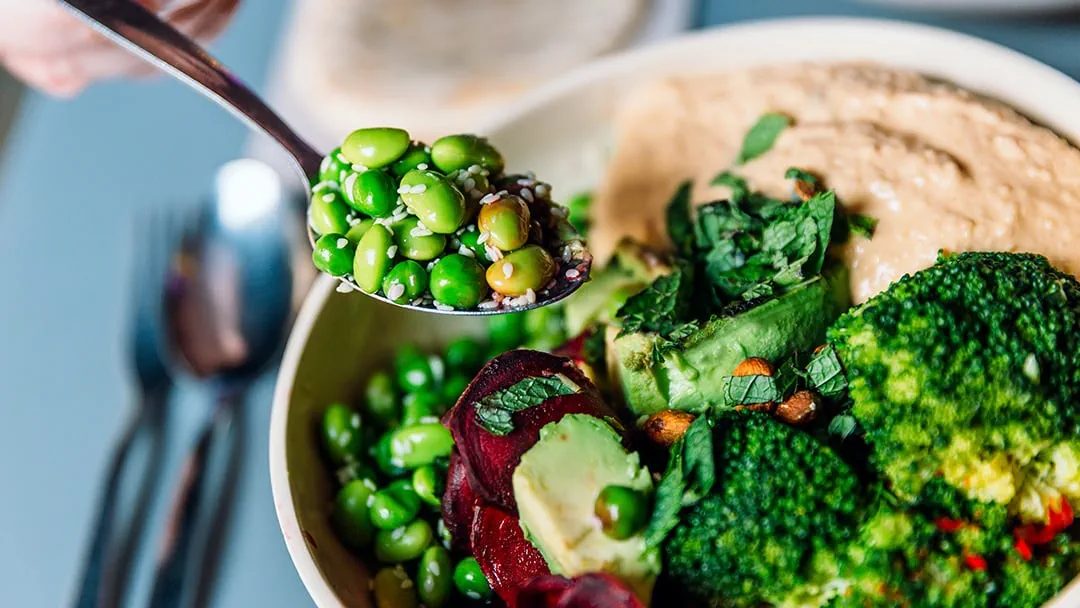
Whey is naturally more leucine-dense, while plant proteins can close the difference through formulation and serving size.
Digestibility Scores Explained
Protein quality scores estimate how well a protein supplies digestible essential amino acids. One current measure is DIAAS, short for Digestible Indispensable Amino Acid Score. "Indispensable" is another term for essential, so DIAAS examines how much of each essential amino acid is absorbed by the end of the small intestine.
A higher DIAAS generally means the protein is well digested and contains strong amounts of its most limited essential amino acid. Whey typically scores highly. Individual plant proteins may score lower because they are less digestible, lower in one essential amino acid, or both. Pea can be relatively low in methionine, for example, while some grain proteins are lower in lysine.
That does not mean a lower-scoring protein cannot support muscle growth. DIAAS evaluates protein quality under standardized conditions. It does not account for eating a larger serving, blending complementary sources, or consuming varied proteins across the day. It also does not measure actual changes in muscle size or strength.
Processing makes a difference too. Plant protein concentrates and isolates remove much of the fiber and other material surrounding the protein. This often makes them easier to digest than the same amount of protein supplied by an intact bean, seed, or grain. Cooking and manufacturing methods can also change digestibility.
Use quality scores as context rather than a final verdict. For muscle growth, the more useful questions are how much protein a serving contains, whether it supplies all nine essential amino acids, how much leucine it provides, and whether you can consume it consistently without digestive discomfort.

Digestibility scores provide useful context, but they do not directly measure long-term muscle growth.
Blends Close the Gap
Plant blends combine proteins with different amino acid strengths. Legume proteins such as pea tend to provide plenty of lysine but less methionine. Grain proteins such as rice tend to provide more methionine but less lysine. Combining them creates a more balanced essential amino acid profile than relying on either source alone.
Hemp, soy, pumpkin seed, and other proteins can also contribute useful amino acids. Some plant sources contain all nine essential amino acids on their own, but "complete" does not mean their proportions match whey. The amounts still matter, especially leucine and whichever essential amino acid is present in the lowest proportion.
A blend does not have to copy whey exactly to be effective. It needs to provide enough total protein and adequate amounts of each essential amino acid. Manufacturers can accomplish that by adjusting the ratio of protein sources or recommending a serving that delivers more total plant protein.
When comparing powders, start with the grams of protein per serving. Then check whether the product identifies its protein sources and states that it contains all nine essential amino acids. If leucine or branched-chain amino acid amounts are listed, those numbers make a head-to-head comparison easier. BCAAs are the three branched-chain amino acids leucine, isoleucine, and valine.
Blends are only one way to build a plant-based diet. Your meals across the day can supply complementary amino acids too. For a broader discussion of plant foods, training, and complete daily intake, see is plant protein good for building muscle.
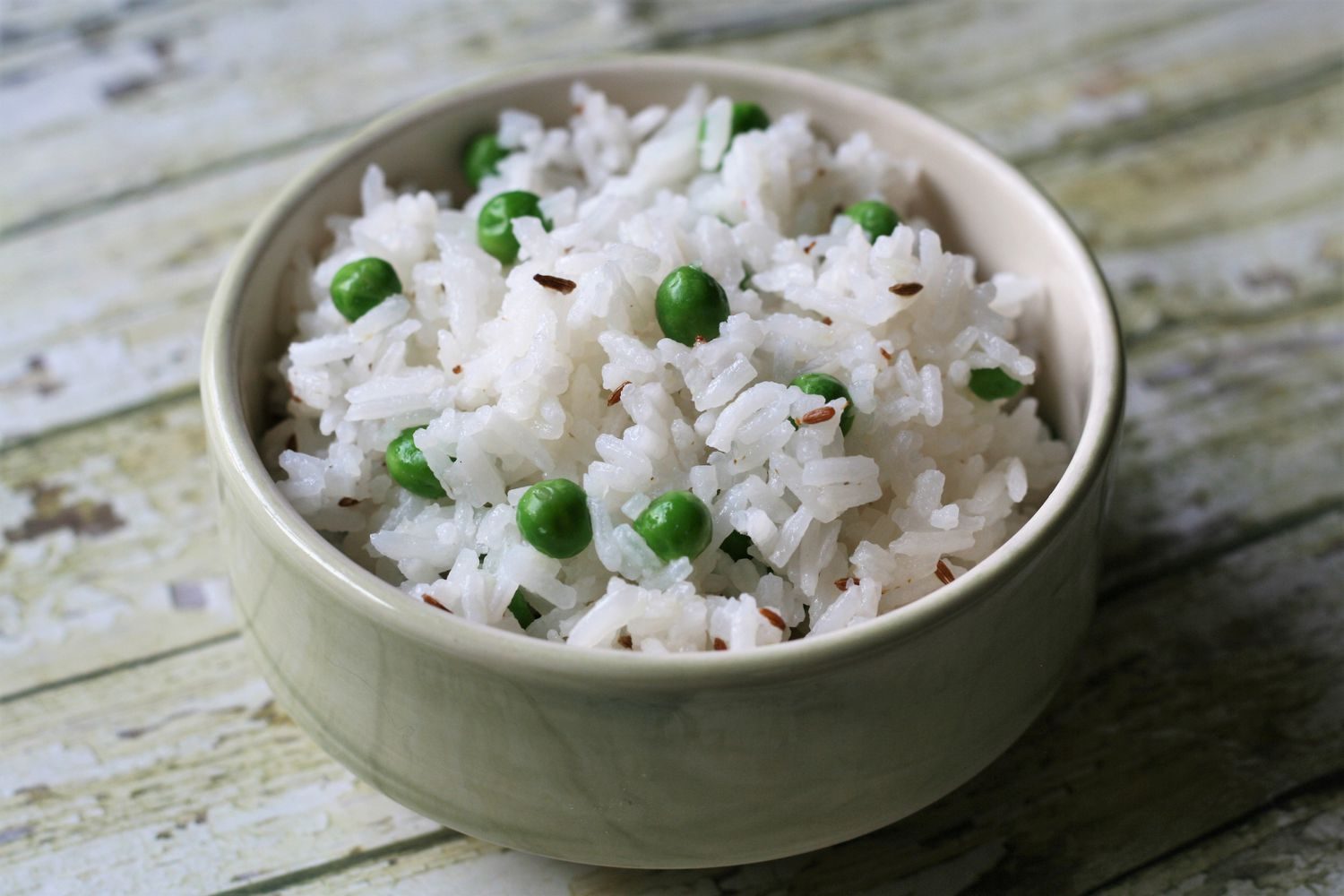
Combining plant protein sources can create a more balanced essential amino acid profile.
Practical Serving Sizes
Start by looking at grams of protein, not grams of powder. A 35-gram scoop may contain 20, 25, or 30 grams of actual protein depending on the product. The rest can include flavouring, fiber, carbohydrates, fats, vitamins, minerals, or other ingredients.
For whey, a serving providing 20 to 30 grams of protein will often contain enough leucine for a strong muscle protein synthesis response. A plant powder may work at the same protein amount if it is leucine-rich and well formulated. Another product may require closer to 30 to 40 grams of protein to deliver comparable leucine and essential amino acids. Check the label rather than assuming every plant serving needs the same adjustment.
Your total day matters more than one perfectly timed shake. Research on resistance training often finds that benefits level off around 1.6 grams of protein per kilogram of body weight per day for many adults, though individual needs vary. A person who weighs 70 kilograms, or about 154 pounds, would reach that amount at roughly 112 grams per day from all foods and supplements combined.
Spread protein across several meals when practical. A shake can fill a gap after training or during a meal that would otherwise be low in protein. You do not need to drink it within minutes of your final set. The post-workout opportunity lasts longer than that, and your overall routine matters more than exact timing.
Follow the product's label directions. If you have a kidney or liver condition, another existing medical condition, take prescription medication, or are pregnant or breastfeeding, talk to your doctor before changing your protein or supplement intake.
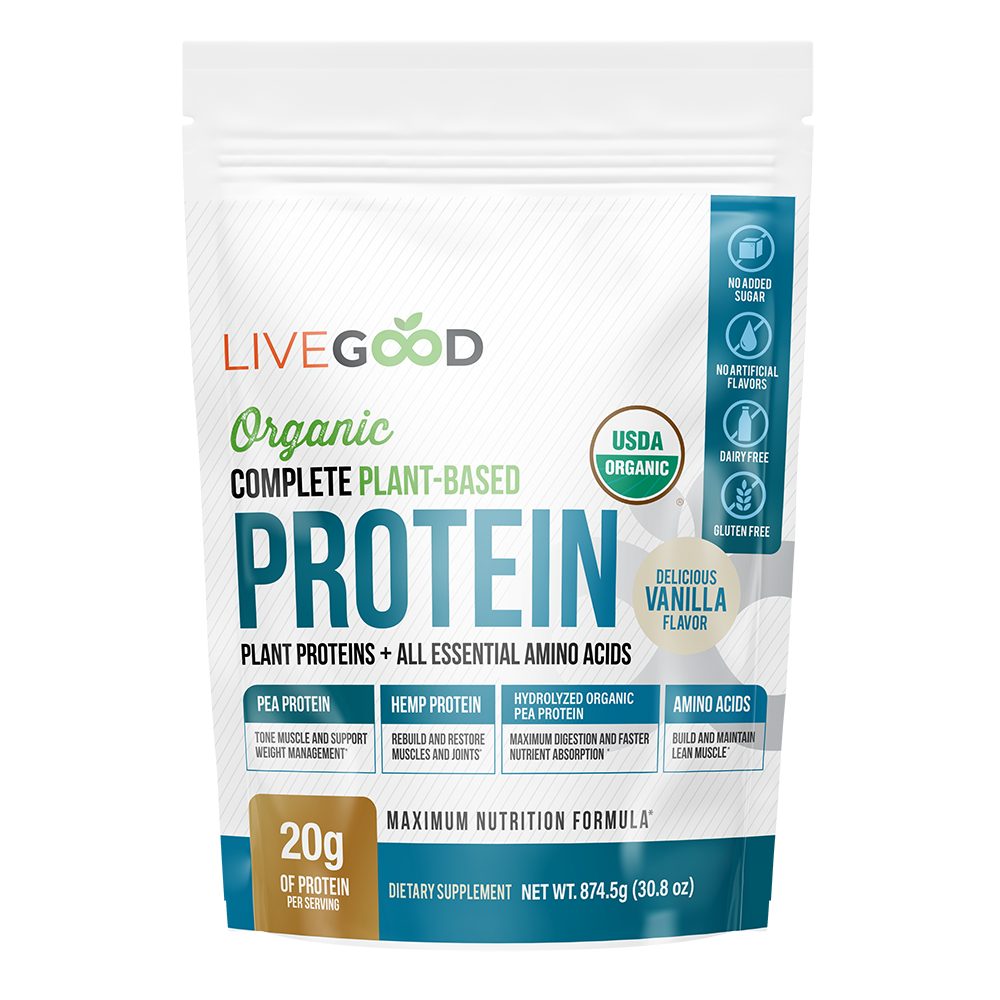
Check the grams of actual protein per serving before comparing scoop sizes or planning your daily intake.
If you want a convenient plant option, Organic Complete Plant-Based Protein is a vanilla powder built on organic pea protein, with all nine essential amino acids plus BCAAs, and organic hemp protein. It also includes 26 vitamins and minerals. Mix it with water or blend it into a smoothie any time of day to support your daily protein routine. It is $39.95 for members versus $49.95 retail, reflecting LiveGood's focus: "Highest Quality. Lowest Prices. Every Day."
What Still Favours Whey
Whey retains a real advantage in leucine density. Gram for gram, it generally provides more leucine and essential amino acids than most individual plant proteins. That makes whey efficient when you want a smaller serving, have a limited appetite, or do not want extra powder in a shake.
Whey also has a deep research history. Many studies of resistance training, muscle protein synthesis, and sports nutrition have used whey, so its expected amino acid delivery is well established. It mixes easily, is rapidly digested, and is widely available in concentrates and isolates. Whey isolate usually contains less lactose than whey concentrate, although it is still derived from milk and is unsuitable for vegans or anyone with a milk allergy.
Rapid digestion can produce a quick rise in blood amino acids. That is useful, but faster does not automatically mean more long-term muscle growth. When daily protein, essential amino acids, leucine, calories, and training are aligned, digestion speed alone has not consistently created a meaningful long-term advantage.
Plant protein may be the more practical choice if you avoid dairy, follow a vegan diet, or simply tolerate it better. Taste and texture also matter. Some plant powders are thicker or grittier, while whey is often smoother. The powder you enjoy and digest comfortably is easier to use consistently.
Choose whey if its compact leucine dose and texture suit you. Choose a well-formulated plant protein if it fits your diet and preferences. Neither can replace progressive resistance training, sufficient food, and recovery, and neither guarantees muscle gain.
Frequently Asked Questions
Is plant protein as good as whey for muscle growth?
Plant protein can be as effective as whey when the servings provide comparable total protein, leucine, and other essential amino acids. Whey naturally delivers more leucine per gram, so some plant powders require a larger serving or a balanced blend. Your total daily intake, resistance training, calories, sleep, and consistency also shape muscle growth.
Do you need more plant protein than whey?
You may need slightly more plant protein to match whey's leucine and digestible essential amino acids, but it depends on the source and formulation. A leucine-rich pea, soy, or blended powder may come close at similar protein amounts. Compare grams of actual protein and any listed amino acid amounts rather than adding an automatic percentage to every plant serving.
Which has more leucine?
Whey generally contains more leucine per gram than plant protein. Many whey servings provide roughly 2 to 3 grams of leucine in 20 to 25 grams of protein, while plant amounts vary by source. Pea and soy are relatively leucine-rich plant options, and larger servings or blends can make up much of the difference.
What is DIAAS and why does it matter?
DIAAS is a score that estimates how well a protein supplies digestible essential amino acids. It matters because your body must absorb those amino acids before using them to build and repair tissue. Whey usually scores higher than individual plant proteins, but the score does not account for larger portions, complementary blends, or the rest of your daily diet.
Can you build muscle on plant protein alone?
Yes, you can build muscle using plant protein alone if you combine progressive resistance training with enough calories, total protein, leucine, and all nine essential amino acids. Varied meals and thoughtfully formulated powders can meet those needs. Results depend on the complete routine, not whether the protein came from dairy or plants.