
Pomegranate Powder: Benefits, Uses and Limits
 Written by Ben Glinsky
Ask AI about this article and Organic Super Reds





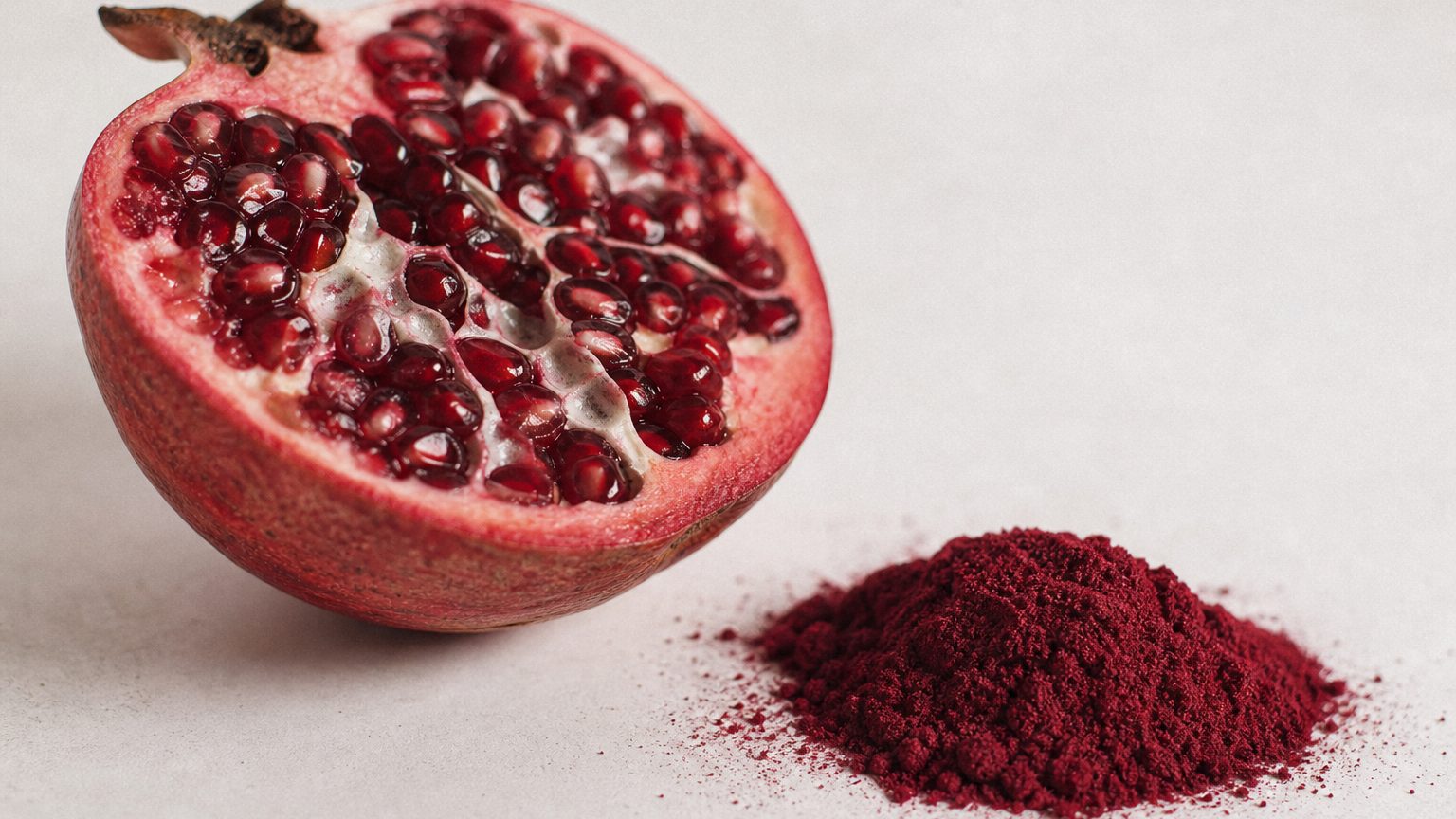
Pomegranate powder may support normal blood flow and increase your intake of plant polyphenols, but it is not a proven testosterone, fertility, or sexual-performance supplement. Here is what researchers have actually studied, why the type of powder matters, and how men can use it without buying into exaggerated claims.
Key Takeaways
- Polyphenols drive the research: Pomegranate contains punicalagins and related plant compounds with antioxidant activity.
- Blood flow is the main men's angle: Studies often examine nitric-oxide-related vascular measures, not male-specific outcomes.
- The evidence has limits: Testosterone, fertility, prostate, and sexual-performance claims rely heavily on small, preliminary, or nonhuman studies.
- Powders are not interchangeable: Juice powder, whole-fruit powder, and concentrated extract can have very different nutrient and polyphenol levels.
- The label should set the serving: There is no universal daily dose for pomegranate powder, so follow the product directions and check medication interactions.
What Is Actually in Pomegranate Powder
Pomegranate powder is made by drying some part of the fruit and grinding it, or by drying a concentrated juice or extract. That distinction matters. A whole-fruit powder, juice powder, peel extract, and standardized supplement can all carry the same general name while delivering very different compounds.
The most researched pomegranate compounds are polyphenols. These are natural plant chemicals that help protect the plant and can act as antioxidants in the body. Pomegranate's better-known polyphenols include punicalagins, ellagic acid, and anthocyanins, the red and purple pigments found in many fruits.
Punicalagins are large tannins, meaning plant compounds with a slightly bitter or drying taste. Digestion breaks them into smaller compounds, including ellagic acid. Gut bacteria may then convert some of that material into urolithins. People produce different amounts of urolithins because their gut microbes differ, which may help explain why responses are not identical.
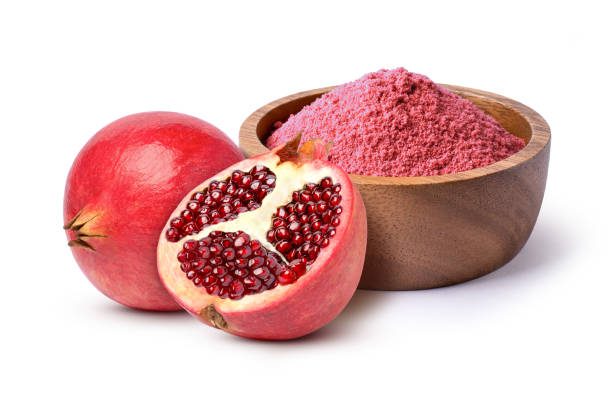
Pomegranate powders can come from juice, whole fruit, peel, or concentrated extracts, so labels deserve a close look.
Do not assume powder has the same nutrition as fresh arils, the juicy seeds you eat. Processing can reduce vitamin C, while fiber depends on whether the whole fruit material remains. Sweetened powders may also include added sugar or carriers used during drying.
Check the ingredient list for the plant part, added ingredients, serving size, and any stated polyphenol or punicalagin standardization. A large pomegranate milligram number does not automatically mean a high amount of active polyphenols. If the label provides no detail, you cannot reliably compare it with the extracts used in research.
Polyphenols and Vascular Research
Most interest in pomegranate and men's circulation comes from research on blood vessels. Blood vessels are lined with a thin layer of cells called the endothelium. This lining helps vessels relax and regulates how easily blood moves through them.
Nitric oxide is one signal the endothelium uses to support normal blood flow. It tells smooth muscle around blood vessels to relax. Pomegranate is not generally treated as a concentrated nitrate source in the same way beetroot is. Instead, researchers study whether its polyphenols may help protect nitric oxide from oxidative breakdown. Oxidative stress happens when unstable molecules called free radicals outpace the body's ability to manage them.
Laboratory work supports several plausible mechanisms, but a mechanism is not the same as a noticeable benefit in a person. Human studies have used juice or concentrated extracts and measured outcomes such as blood-vessel responsiveness, exercise-related circulation, and other cardiovascular markers. Reviews of the research report promising findings alongside major differences in dose, product form, study length, and participant health. Many trials are also small.

Researchers study pomegranate polyphenols partly for their possible role in supporting normal nitric oxide activity and circulation.
One frequently cited comparison found pomegranate juice had high antioxidant activity in laboratory testing against several other beverages. That peer-reviewed study measured antioxidant potency, however, not a guaranteed health result from every pomegranate powder.
The practical conclusion is modest. Pomegranate polyphenols may support normal blood flow as part of a healthy routine, but you should not expect an immediate stimulant-like feeling or assume every powder matches the research. You can also read more about how to raise your nitric oxide levels naturally, including the roles of food, movement, sleep, and other daily habits.
Where the Men's Claims Come From
Online lists often say pomegranate increases testosterone, improves sperm, supports the prostate, and transforms sexual performance. Those statements are much stronger than the evidence.
The testosterone discussion often traces back to small or preliminary research using pomegranate juice and short-term hormone measurements. Hormones naturally change throughout the day and respond to sleep, stress, calorie intake, exercise, and illness. A small change in one measurement does not prove that pomegranate powder meaningfully raises testosterone or improves symptoms associated with low testosterone. There is no established pomegranate powder dose for that purpose.
Sexual-performance claims largely come from pomegranate's connection with vascular function, plus a small juice study that assessed self-reported erectile outcomes. The trial did not provide strong enough evidence to establish pomegranate as a treatment. Supporting normal circulation is a reasonable wellness goal, but pomegranate should not be presented as a treatment for erectile dysfunction.
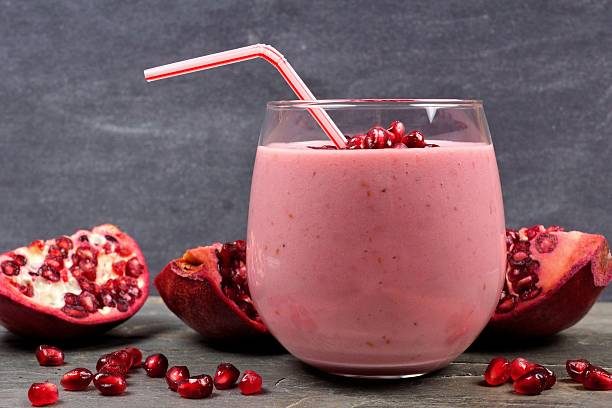
Many popular men's health claims began with small or preliminary studies that do not establish reliable benefits.
Fertility claims are even less settled. Some animal and laboratory studies have examined sperm count, movement, and protection from oxidative damage. Those findings cannot tell you that a powder will improve fertility in men. Human fertility has many possible influences and deserves proper medical evaluation.
Prostate-related interest also comes from early trials in carefully selected patients that tracked markers such as prostate-specific antigen, or PSA. A marker is a measurement researchers follow, not proof that a food prevents or treats a condition. A broader peer-reviewed review discusses these research areas, but it also shows how much of the literature is preliminary.
For men, the honest benefit case remains simple: pomegranate provides polyphenols and may support normal vascular function. Claims beyond that require better, larger, and more consistent human trials.
Juice, Powder or Whole Fruit
The best form depends on what you want from pomegranate. Whole fruit provides the most complete food experience. Juice is convenient and is the form used in many human trials. Powder travels well and mixes easily, but its quality is harder to judge without a detailed label.
| Form | What it provides | Main tradeoff |
|---|---|---|
| Whole arils | Fiber, water, carbohydrates, vitamins, minerals, and polyphenols | Preparation takes time, and the fruit is seasonal in some areas |
| 100% juice | A convenient source of juice-derived polyphenols | Little fiber and more natural sugar per sip than whole fruit |
| Whole-fruit powder | Some fruit solids and potentially some fiber | Nutrient retention depends on processing and serving size |
| Juice powder | Concentrated, shelf-stable juice ingredients | May contain drying carriers or added sweeteners |
| Standardized extract | A declared amount of selected compounds | Less like a whole food and not nutritionally equivalent to fruit |

Whole arils, juice, and powder differ in fiber, sugar concentration, convenience, and polyphenol standardization.
Powder is only "as good as" juice if it delivers a comparable amount of the compounds being studied, and most labels do not provide enough information to establish that. A teaspoon of lightly concentrated fruit powder cannot automatically be matched with a glass of juice. Likewise, an extract standardized for polyphenols is not a substitute for the fiber and food volume in fresh arils.
Your goal can guide the choice. Pick whole arils when you want fiber and a filling snack. Choose unsweetened juice when you prefer a measured drink and can account for its natural sugar. Use powder when convenience makes you more likely to stay consistent. In every case, check whether pomegranate is the primary ingredient rather than assuming the red color proves a meaningful amount is present.
How to Use It and What It Costs You
There is no universal amount of pomegranate powder that every man should take per day. Research uses different juices and extracts, sometimes with measured polyphenol levels. Those servings cannot be accurately converted into teaspoons of an unspecified grocery powder.
Follow the serving directions on your product. Do not increase the amount simply to imitate a study, especially if the study used another form. Powder can be mixed into water, yogurt, oatmeal, or a smoothie. The time of day is less important than regular use. If you want it around exercise, choose a time that sits comfortably with your stomach rather than expecting an exact performance window.
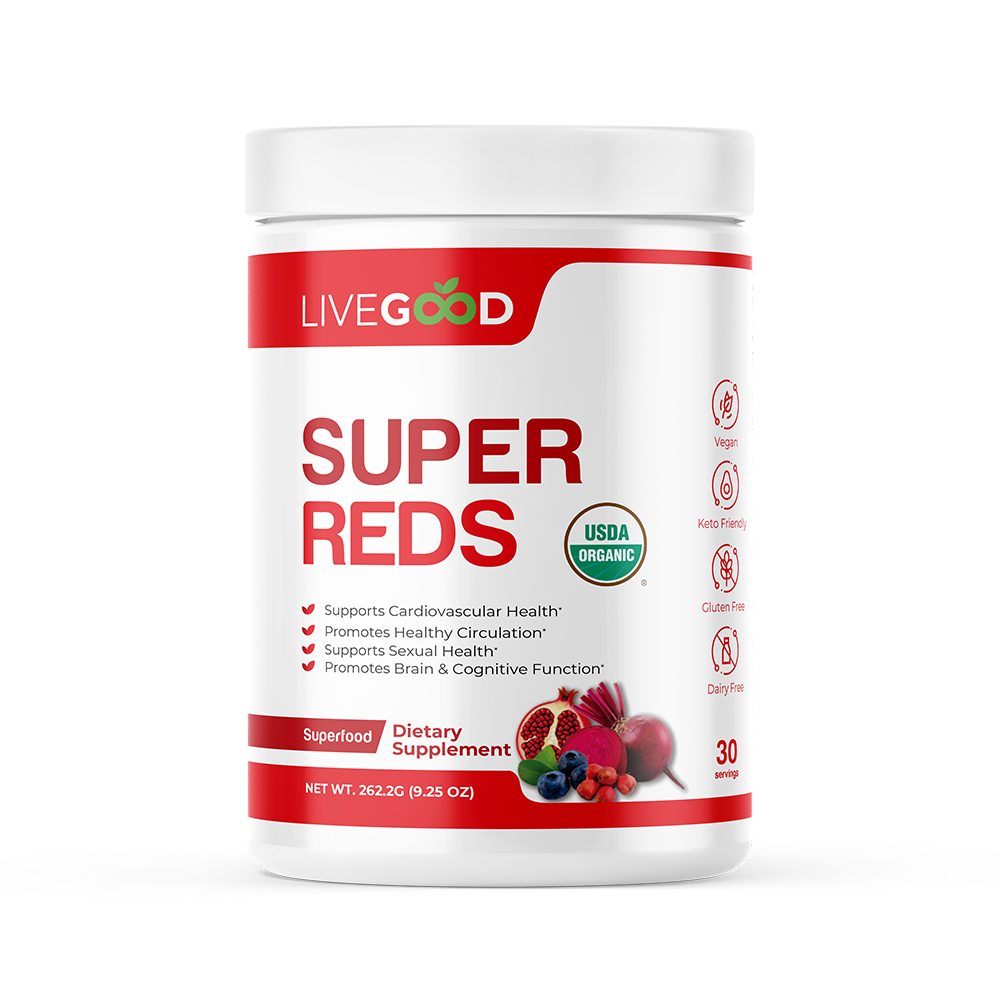
Pomegranate powder can be mixed into water, yogurt, oatmeal, or smoothies according to the product's label directions.
The tradeoffs depend on the product. Unsweetened powder can be tart, while flavored blends may contain sweeteners. Large servings can add sugar or calories and may cause digestive discomfort in some people. Concentrated extracts may cost more but provide clearer standardization. Whole fruit usually offers more fiber, although it requires preparation and does not store as easily.
Pomegranate may interact with some medications, including certain statins and blood pressure drugs. The clinical importance can vary by medication and product concentration. Talk to your doctor or pharmacist before using a concentrated powder if you take prescriptions. You should also talk to your doctor if you are pregnant or breastfeeding, have kidney or liver concerns, or are managing an existing medical condition. Stop using it and seek advice if you notice signs of an allergic reaction.
Think of pomegranate as one part of a routine, not a quick fix. Exercise, sleep, a varied diet, and not smoking have much stronger roles in supporting long-term vascular health.
LiveGood Organic Super Reds is a great-tasting red fruit and vegetable extract powder formulated to support the body's production of nitric oxide and promote healthy circulation. Mix it with water or a smoothie before a workout or as an afternoon pick-me-up. It costs $19.95 for members versus $34.95 retail, reflecting LiveGood's mission to "Provide the highest quality supplements in the world, at the lowest prices possible." Follow the label directions.
Frequently Asked Questions
What is pomegranate powder good for?
Pomegranate powder is mainly useful as a convenient source of fruit-derived polyphenols. Those compounds have antioxidant activity and may support normal blood-vessel function, although results depend on the type and concentration of the powder. Whole-fruit versions may provide some fiber, while extracts may emphasize punicalagins or total polyphenols. It is not a proven testosterone, fertility, or prostate treatment.
Does pomegranate help blood flow?
Pomegranate may support normal blood flow, but the human evidence is still limited and varies by product. Researchers are interested in whether pomegranate polyphenols help preserve nitric oxide, a signal that allows blood vessels to relax normally. Many studies use juice or standardized extracts rather than ordinary powder, so you cannot assume every pomegranate product will produce the same response.
Is pomegranate powder as good as the juice?
Pomegranate powder can be comparable to juice only when it supplies a similar amount of relevant polyphenols. That is difficult to confirm unless the label states its concentration or standardization. Juice has been used more often in human studies, while powder offers easier storage and mixing. Neither form provides as much intact fiber as eating whole pomegranate arils unless the powder includes whole-fruit solids.
How much pomegranate powder should you take?
Take the amount listed on your pomegranate powder label because there is no research-backed universal daily dose. Powders vary widely in concentration, ingredients, and plant parts, so teaspoons and milligrams cannot be compared reliably across brands. Do not raise the serving to match a juice or extract study. Ask your doctor for individual guidance if you have a medical condition or use medication.
Does pomegranate interact with any medication?
Pomegranate can interact with some medications, including certain statins and drugs used to manage blood pressure. Evidence about the size and consistency of these interactions is incomplete, but concentrated powders and extracts deserve particular caution. Talk to your doctor or pharmacist before taking pomegranate regularly if you use a prescription, and do not change or stop your medication based on supplement advice.