
Reishi vs Chaga: Differences and Safety
 Written by Nauder Khazan
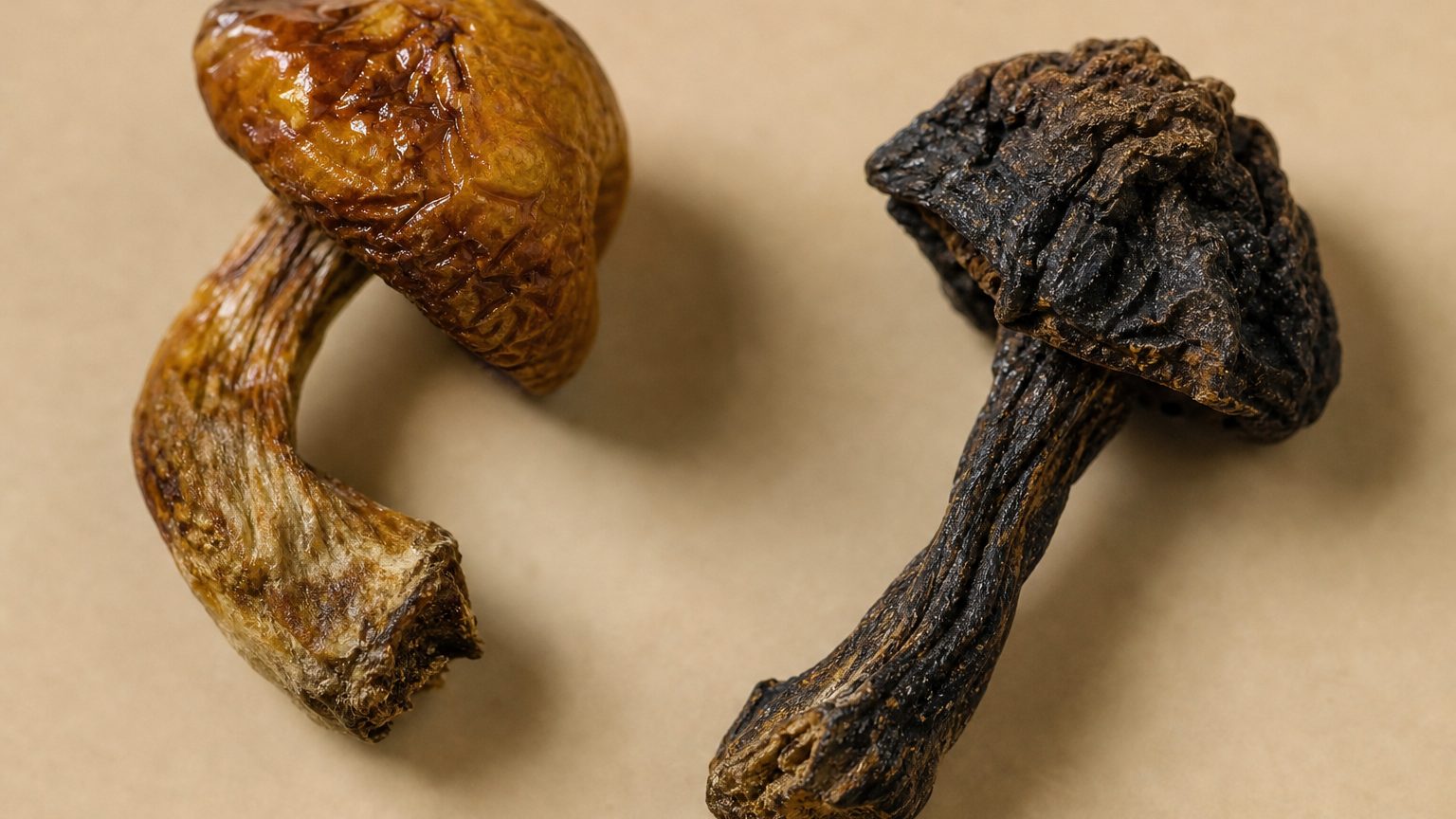
Reishi and chaga are different fungi with different traditional uses and safety concerns. Reishi is commonly associated with calm and general immune support, while chaga is promoted for its antioxidant compounds, but human evidence for both remains limited. The biggest practical difference is safety, since chaga can be very high in oxalates and heavy long-term use has been linked to kidney damage.
Key Takeaways
- They are different fungi: Reishi forms a visible mushroom, while chaga is a hard fungal growth found mainly on birch trees.
- Human evidence is limited: Traditional use and laboratory findings are more extensive than reliable clinical research for either fungus.
- Chaga has a kidney concern: Its high oxalate content may be risky for people with kidney disease, kidney stones, or heavy long-term intake.
- Interactions are possible: Both may interact with anticoagulant, antiplatelet, and immune-modifying medications.
- Combining them is not proven better: There is little clinical research evaluating reishi and chaga together.
Two Different Fungi
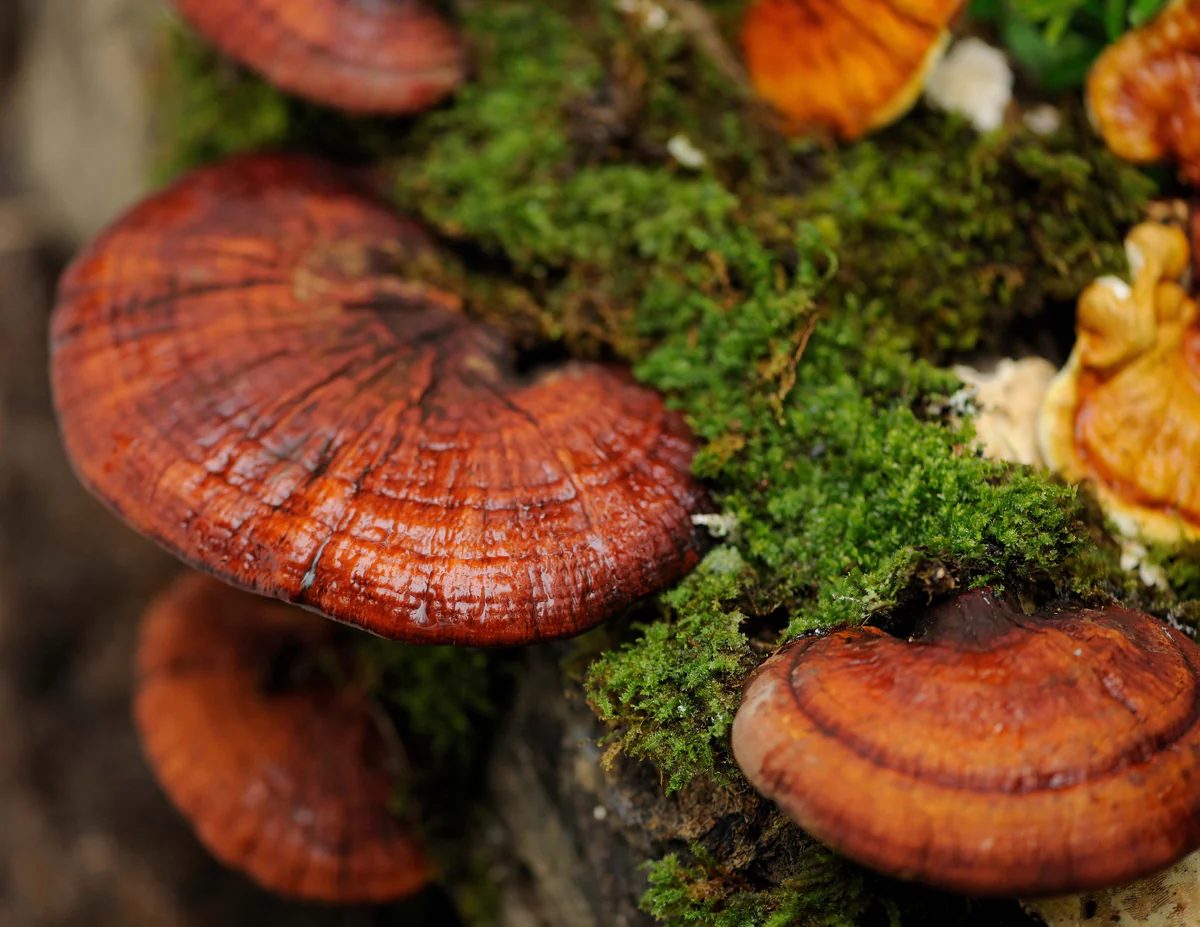
Reishi and chaga are often grouped under labels such as functional or medicinal mushrooms, but they are not interchangeable. Reishi usually refers to fungi in the Ganoderma genus, especially Ganoderma lucidum and closely related species. It grows as a shiny, reddish-brown, fan-shaped fruiting body on wood in warm or temperate environments.
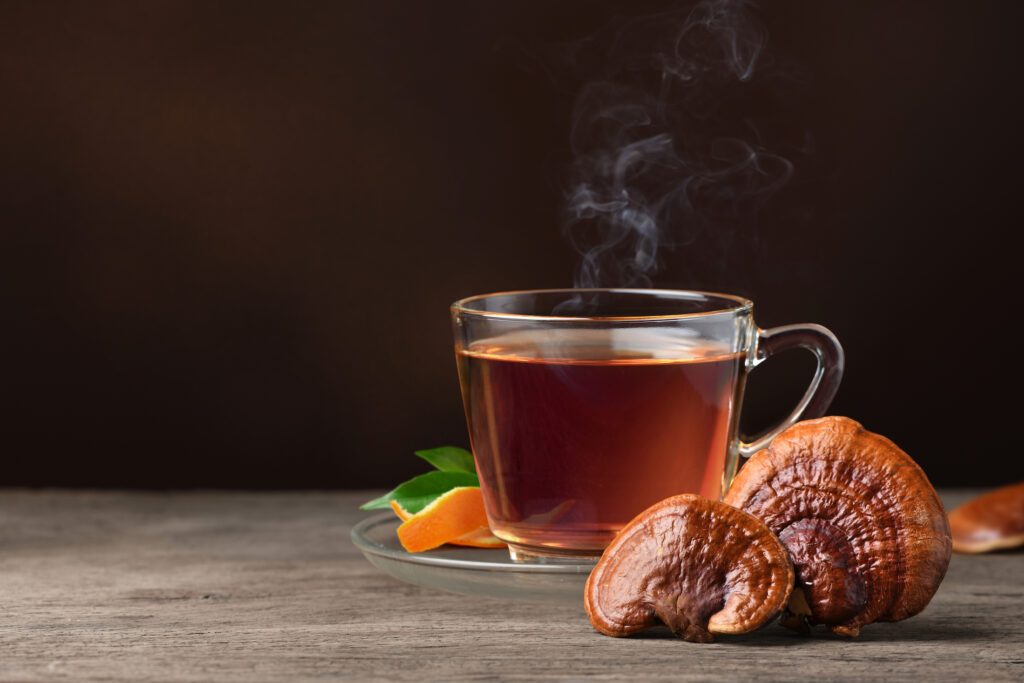
Reishi usually forms a shiny, fan-shaped fruiting body on wood.
Chaga, or Inonotus obliquus, looks very different. The part commonly harvested is a black, cracked mass called a sclerotium. A sclerotium is a dense store of fungal material that helps the organism survive. Chaga grows mainly on birch trees in cold northern regions. It does not look like a familiar cap-and-stem mushroom.
Their chemistry differs too. Reishi contains beta-glucans, which are complex carbohydrates found in fungal cell walls, plus bitter compounds called triterpenes. Chaga also contains polysaccharides and triterpenes, along with dark pigments and polyphenols that can show antioxidant activity in laboratory testing. Antioxidant activity means a substance can interact with unstable molecules under test conditions. It does not automatically prove a health benefit in people.
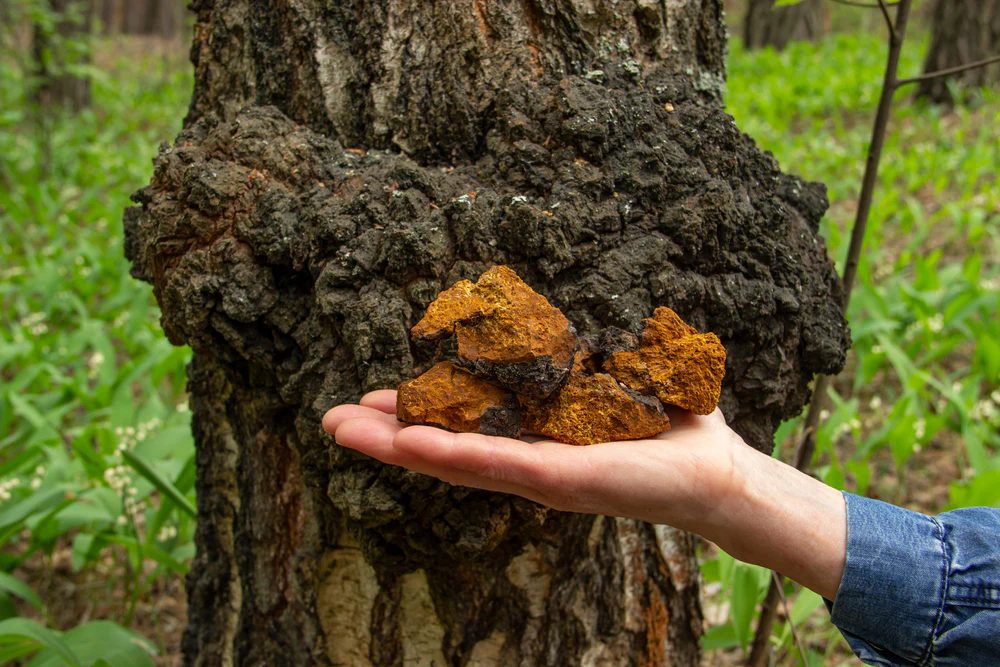
Chaga appears as a dark, cracked fungal mass that grows mainly on birch trees.
Products may use powdered fungal material, hot-water extracts, alcohol extracts, or combinations. These forms can contain very different amounts of active compounds. Species identity, the part harvested, extraction method, and serving size all matter, so results from one preparation cannot be assumed to apply to every tea, powder, capsule, or tincture.
What Reishi Is Traditionally Used For
Reishi has a long history in Chinese, Japanese, and Korean wellness traditions. It has traditionally been used to promote vitality, resilience, calm, and general well-being. Modern marketing often calls it an adaptogen. This term describes a substance proposed to help the body adjust to physical or emotional stress, but it is not a formal FDA category and does not guarantee a clinically proven effect.

Reishi has a long history of traditional use, but evidence for specific benefits in people remains limited.
You may also see reishi promoted for sleep or immune support. These ideas come from traditional use, early human studies, and laboratory research into beta-glucans and triterpenes. However, there is not strong evidence that reishi reliably improves sleep, stress, or immune function in healthy adults. Studies often use different species, extracts, amounts, and outcome measures, which makes their findings difficult to compare.
Reishi is not a stimulant, sedative, or replacement for medical care. If someone feels calmer after taking it, that experience may be meaningful to them, but it does not establish that reishi treats anxiety or insomnia. Likewise, laboratory findings involving immune cells do not show that a supplement prevents illness or treats an immune condition.
Common forms include capsules, powders, liquid extracts, and tea blends. Reishi has a naturally bitter taste, particularly when a preparation contains more triterpenes. A more bitter product is not automatically safer or more effective. If you choose any mushroom supplement, look for a clearly identified species, the fungal part used, serving directions, and transparent testing information rather than relying on broad benefit claims.
For another comparison involving reishi, which is also called lingzhi, see cordyceps vs lingzhi.
What Chaga Is Traditionally Used For
Chaga has been prepared as a tea or decoction in parts of Russia, Siberia, Northern Europe, and Asia. A decoction is a drink made by simmering tough plant or fungal material in water. Traditional use has focused on general vitality, digestion, and seasonal wellness rather than one standardized purpose.
Today, chaga is often sold as an antioxidant or immune-support ingredient. It contains polyphenols, pigments, and other compounds that can show antioxidant effects in test tubes. Researchers have also examined chaga extracts in cells and animals. Those studies can help identify compounds worth investigating, but they cannot tell you whether drinking chaga tea will produce the same effect in a person.
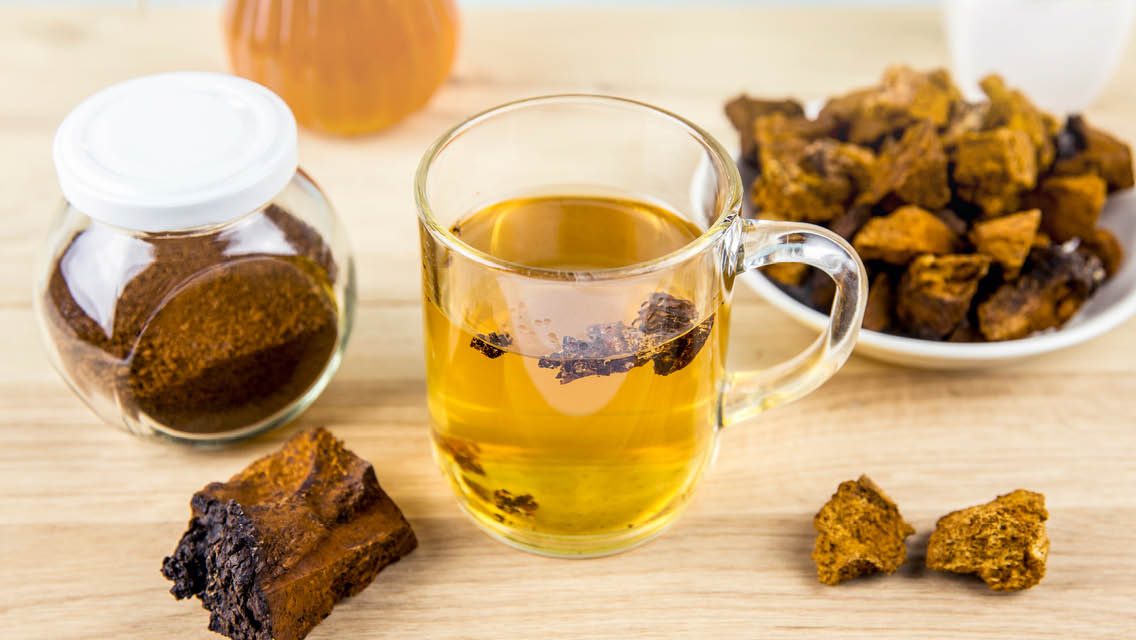
Chaga is commonly prepared as tea, powder, or extract, with composition varying widely among forms.
Good human trials are scarce. There is no well-established clinical dose for improving energy, supporting immunity, or producing another specific outcome. Claims that chaga is the healthiest mushroom or has an exceptionally high antioxidant score are not enough to demonstrate a real-world benefit. Laboratory scoring systems do not account for digestion, absorption, metabolism, or whether the tested compound reaches human tissues.
Chaga is sometimes called an adaptogen, but that label is based largely on traditional use and modern marketing. There is not enough clinical evidence to show that chaga reliably improves the human stress response. It should not be used in place of treatment for fatigue, digestive symptoms, blood sugar concerns, or any other health condition.
Preparation also affects exposure. A lightly brewed tea may not contain the same compounds or amounts as a concentrated powder or extract. Unfortunately, labels do not always disclose oxalate content, which is one reason chaga's kidney risk deserves more attention than it usually receives.
The Oxalate and Kidney Concern With Chaga
Chaga can contain very high amounts of oxalates. Oxalates are naturally occurring compounds found in many foods and plants. Inside the body, oxalate can bind with calcium and form crystals. Most people handle ordinary dietary amounts, but a large or concentrated exposure can place extra stress on the kidneys.
Published case reports have described serious kidney damage in people who consumed large amounts of chaga powder for extended periods. In these reports, calcium oxalate crystals accumulated in kidney tissue, a condition known as oxalate nephropathy. Nephropathy simply means kidney damage. Case reports cannot establish how often this happens, but they document that the risk is real, not merely theoretical.
Chaga's high oxalate content is a specific concern for kidney health, especially with heavy long-term intake.
The reported situations involved heavy, ongoing intake, so they do not prove that an occasional cup of chaga tea will harm a healthy person. They also do not establish a universally safe amount. Oxalate levels can vary by source, harvest, processing method, and product concentration. Many chaga labels provide no oxalate measurement at all.
Avoid chaga unless your doctor approves it if you have chronic kidney disease, reduced kidney function, a history of calcium oxalate kidney stones, or a medical condition that affects oxalate handling. The same caution applies if you follow a medically prescribed low-oxalate diet. Do not assume that drinking more water cancels the risk from a concentrated chaga product.
Stop using chaga and seek medical advice if you develop concerning symptoms such as reduced urination, swelling, persistent nausea, unusual fatigue, or pain near the kidneys. These symptoms can have many causes, but kidney problems need prompt evaluation. If you are unsure whether a tea, powder, or extract fits your health history, bring its label to your doctor or pharmacist before using it.
Interactions and Who Should Avoid Them
Both reishi and chaga may affect blood clotting. That creates a potential interaction with anticoagulants, commonly called blood thinners, and antiplatelet medicines, which make blood cells less likely to stick together. Examples include warfarin, apixaban, rivaroxaban, clopidogrel, and regular high-dose aspirin. The interaction evidence is not equally strong for every product, but unexplained bruising or bleeding should never be ignored.
Reishi and chaga may also influence immune activity. Avoid adding either without medical guidance if you take immunosuppressants, immune-modifying medication, or medicine used after an organ transplant. A laboratory finding described as immune support does not mean a mushroom is appropriate for an autoimmune condition. Stimulating or changing immune activity could be unhelpful in that setting.
Medication use and personal health history should guide whether either fungus is appropriate.
Chaga deserves added caution with kidney disease or previous kidney stones because of its oxalates. Preliminary research also raises the possibility that chaga could affect blood sugar, so people using glucose-lowering medication should ask their clinician before taking it. Reishi has been associated with digestive discomfort, dry mouth, rash, dizziness, and rare reports of liver injury. People with liver disease should discuss it with their doctor.
Avoid both before surgery unless your surgical team says otherwise. Their possible effects on clotting, blood sugar, and immune activity can complicate care. Pregnancy and breastfeeding safety data are inadequate, so do not use either during these periods without your doctor's approval. Anyone with a mushroom allergy should avoid them as well.
There is no good clinical evidence that taking reishi and chaga together creates extra benefits. Combining them also combines their uncertainties and potential interactions. Check every blend for hidden duplication, follow the labeled serving rather than increasing it, and do not use either as a substitute for prescribed treatment. If you take medication or have an existing medical condition, ask your doctor or pharmacist to review the exact product first.
Frequently Asked Questions
What is the difference between reishi and chaga?
Reishi and chaga are separate fungi with different appearances, compounds, traditions, and risks. Reishi is a fan-shaped mushroom associated with calm, resilience, and immune support, although clinical evidence is limited. Chaga is a hard growth found mainly on birch trees and is promoted for antioxidant compounds. Chaga's unusually high oxalate content creates a more specific kidney concern.
Is chaga bad for your kidneys?
Chaga can be harmful to the kidneys when consumed heavily or for a long time because it may contain large amounts of oxalates. Published case reports describe oxalate crystal buildup and serious kidney damage after substantial ongoing intake. Risk from occasional use is unclear, but people with kidney disease, reduced kidney function, kidney stones, or a low-oxalate diet should avoid it unless their doctor approves.
Can you take reishi and chaga together?
You may be able to take reishi and chaga together, but the combination has not been adequately studied and is not proven more beneficial. Both may interact with blood-thinning and immune-modifying medications, while chaga adds a significant oxalate concern. Ask your doctor or pharmacist before combining them if you take medication, have a medical condition, or are preparing for surgery.
What are the side effects of reishi?
Reishi may cause digestive upset, nausea, dry mouth, itching, rash, dizziness, or headache in some people. It may also increase bleeding risk, especially when combined with anticoagulant or antiplatelet medication. Rare liver injury reports have appeared, although the exact role of reishi products is not always clear. Stop taking it and seek medical advice if you develop concerning symptoms.
Who should avoid medicinal mushrooms?
People who are pregnant, breastfeeding, preparing for surgery, allergic to mushrooms, or managing kidney or liver disease should avoid medicinal mushrooms unless a doctor approves them. Extra caution is needed with bleeding disorders, kidney stones, autoimmune conditions, organ transplants, and anticoagulant, antiplatelet, glucose-lowering, or immune-modifying medication. Safety varies by mushroom, extract, serving, and individual health history.