
Can You Mix Greens Powder With BCAAs?
 Written by Nauder Khazan
Ask AI about this article and Organic Super Greens





Yes, you can generally mix greens powder with BCAAs if you are a healthy adult and follow both labels. There is no known conflict between the two, but the more useful question is whether BCAAs add much when you already eat enough protein. Here is how to decide, mix them successfully, and time them around training.
Key Takeaways
- Mixing is generally fine: Greens powder and BCAAs do not have a known direct interaction for most healthy adults.
- Protein matters more: If your diet provides enough complete protein, adding BCAAs is unlikely to produce much extra muscle growth.
- Taste can be tricky: Cold water, citrus flavors, and extra dilution usually make the combination easier to drink.
- Timing is flexible: Greens can fit anywhere in your day, while BCAAs are commonly used before or during training.
- Check both labels: Watch for overlapping ingredients, stimulants, sweeteners, allergens, and serving directions.
Is There Any Interaction?
There is no established harmful interaction between ordinary greens powders and branched-chain amino acids, better known as BCAAs. The three BCAAs are leucine, isoleucine, and valine. They are amino acids, which your body uses as building blocks for protein. Greens powders usually contain concentrated plant ingredients, vitamins, minerals, and sometimes probiotics or digestive enzymes.
Mixing them in one bottle does not appear to stop either product from being digested. There is also no good evidence that greens block BCAA absorption. However, research has not thoroughly tested every possible greens and BCAA formula together. Safety depends on the actual ingredients and your personal health, not simply the product categories.
Read both Supplement Facts panels before combining them. Some BCAA drinks contain caffeine, electrolytes, vitamins, artificial sweeteners, or other workout ingredients. A greens product may also provide added vitamins and minerals. Combining products can unintentionally increase your total intake or cause digestive discomfort, especially if you drink the mixture quickly or on an empty stomach.
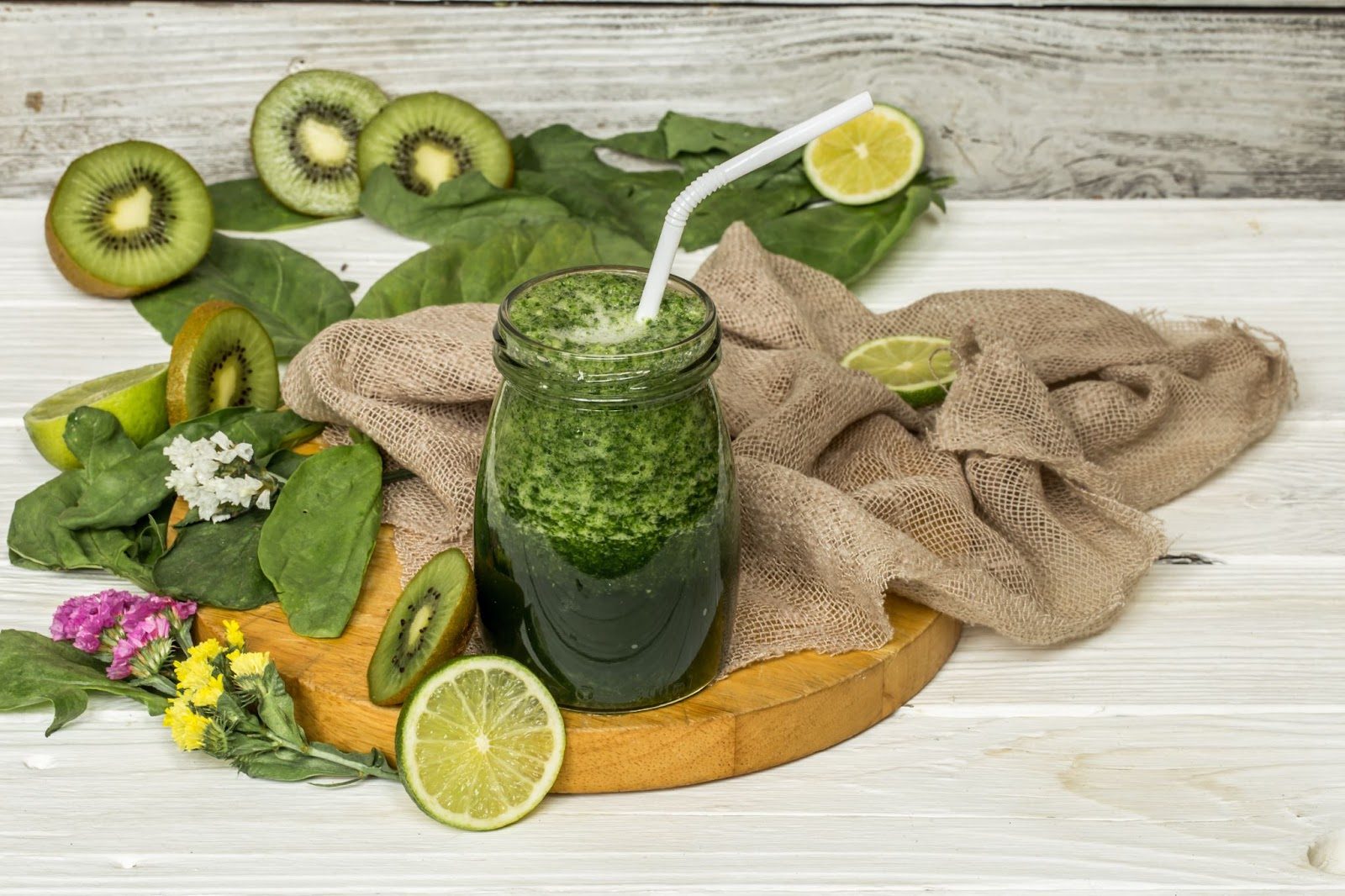
Checking both labels helps you spot overlapping nutrients, stimulants, sweeteners, and allergens before mixing.
Talk to your doctor before combining supplements if you take prescription medication, are pregnant or breastfeeding, have a kidney or liver condition, or live with another existing medical condition. You should also avoid any formula containing an ingredient to which you are allergic. For most other adults, following the label directions and paying attention to how you feel is a sensible approach.
Do You Need BCAAs at All?
BCAAs are essential amino acids, meaning your body cannot make them and must get them from food. Leucine helps signal the process of building muscle protein. But a signal is not enough by itself. Your body still needs all nine essential amino acids to build new muscle tissue.
That is why complete protein is usually more useful than isolated BCAAs. Foods such as eggs, dairy, fish, meat, and soy provide all nine essential amino acids. A varied plant-based diet can also meet your needs when it includes enough total protein from sources such as beans, lentils, tofu, tempeh, grains, nuts, and seeds.
If you already eat enough protein across the day, evidence that extra BCAAs meaningfully increase muscle growth is weak. They may raise amino acid levels temporarily, but they do not provide the complete set of materials needed for muscle protein building. A protein-rich meal or complete protein powder is generally the more practical choice after training.

Complete protein provides BCAAs along with the other essential amino acids your body needs.
BCAAs may still appeal to someone who trains without eating first, dislikes heavier drinks during exercise, or struggles to get protein around a workout. Even then, convenience is not the same as a proven advantage. They should not replace meals or complete protein. If muscle gain is your goal, focus first on consistent resistance training, enough food, adequate protein, and sleep. For a closer comparison with another workout supplement, see HMB vs. BCAA: Which One Wins for Muscle Growth and Recovery?.
Taste and Mixing in Practice
The main challenge is usually flavor, not safety. Greens powders can taste earthy, grassy, or mildly bitter. BCAA powders are often sweet and strongly flavored. Citrus, berry, apple, and tropical flavors tend to cover green notes better than candy-style or creamy flavors, but taste is personal.
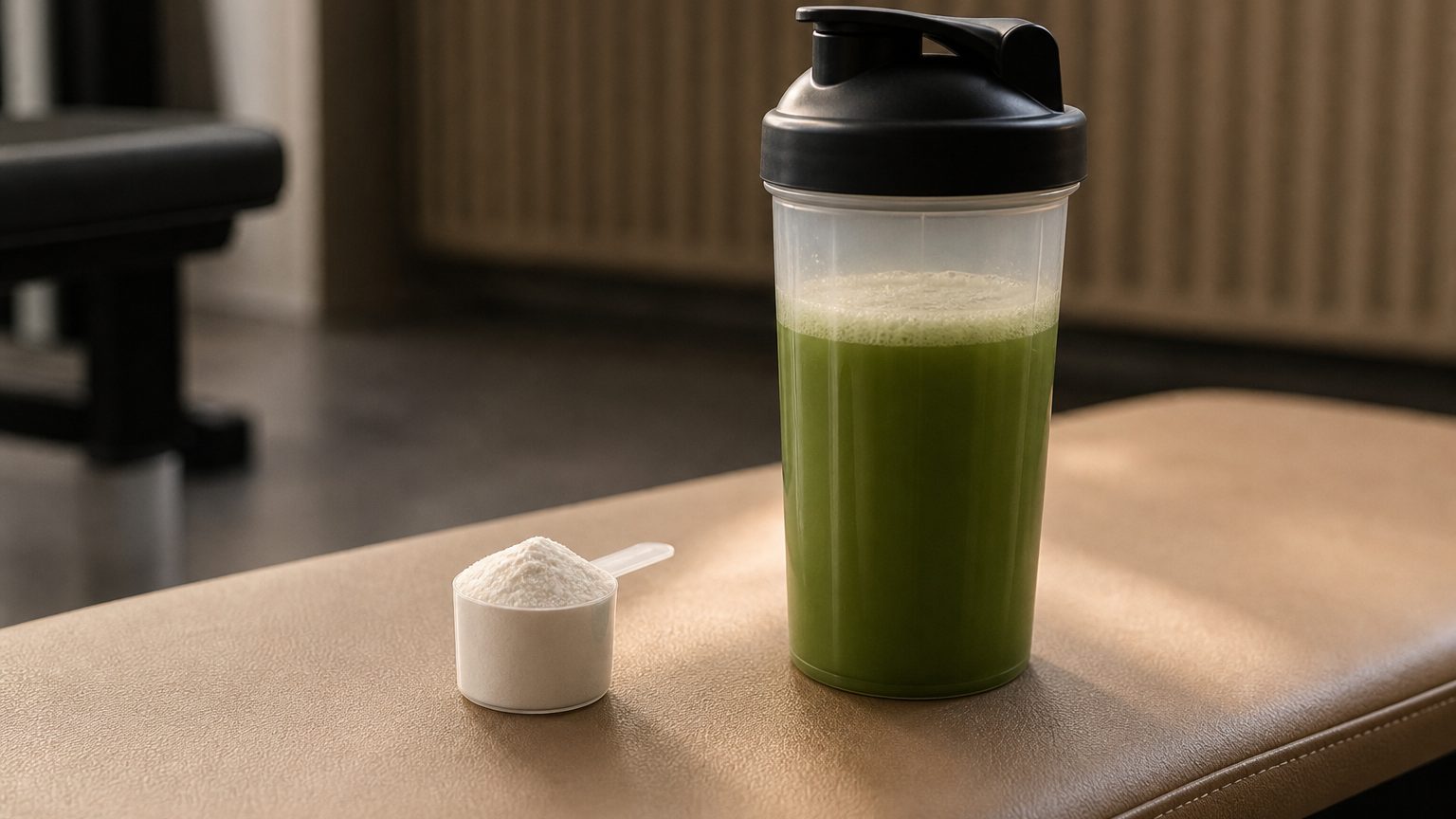
First, try a small amount of each prepared according to its label. This lets you test the combination without wasting full servings. If the result is too strong, add more cold water and ice. A shaker bottle helps break up clumps, while a blender produces a smoother drink. Letting the mixture sit can cause plant particles to settle, so shake it again before each sip.

Cold water, ice, citrus, and a shaker bottle can make greens and BCAAs easier to mix and enjoy.
A squeeze of lemon or lime can brighten an earthy mixture. You can also blend greens into a smoothie with banana, pineapple, mango, berries, or unsweetened milk. If your BCAA powder is very sweet, plain water and extra dilution may work better than juice. Avoid adding several flavored products at once because the result can become overly sweet or upset your stomach.
Follow each label rather than estimating servings by scoop size. Scoops from different products are not interchangeable. If the combination causes bloating, nausea, or diarrhea, try the products separately. This can help you identify whether the issue is the greens, amino acids, sweetener, serving size, or simply too much liquid consumed quickly.
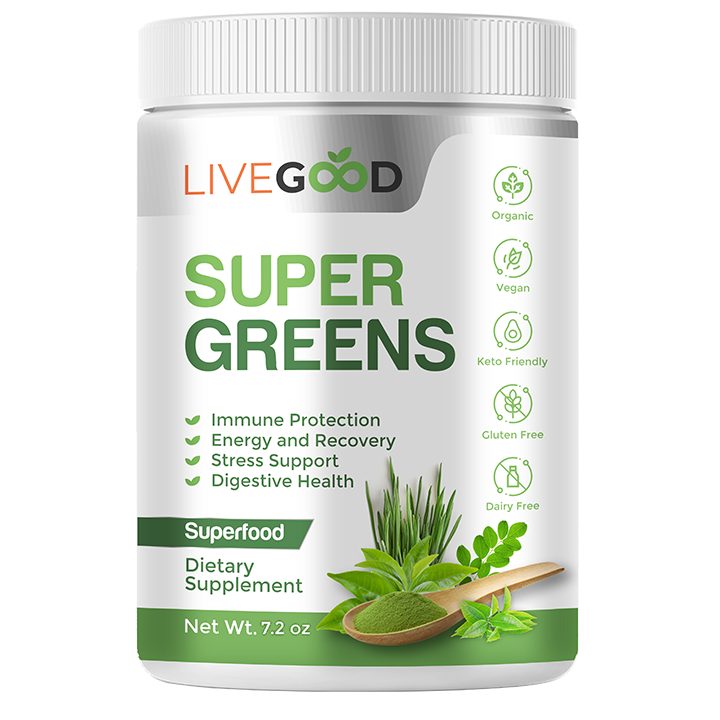
If you want a simple greens option, LiveGood Organic Super Greens is a USDA certified organic greens powder designed to help fill nutrient gaps in everyday diets, serving as "a safety net for your health." Mix one delicious scoop a day into water or a smoothie, following the label directions. Members pay $19.95 compared with $34.95 retail, helping make daily wellness support more accessible without relying on complicated routines.
Timing Around Training
You do not need to take greens and BCAAs at the same time for them to work as intended. Combining them is mainly a convenience choice. If one bottle makes your routine easier, that may be reason enough. Consistency is often more valuable than searching for a perfect minute on the clock.
Greens powder can usually be taken whenever it fits your day. Some people prefer it with breakfast or in a morning smoothie. Others mix it with lunch or an afternoon drink. If greens cause stomach discomfort, taking them with food or splitting them from your workout drink may feel better. Follow the product label, particularly if the formula includes probiotics, enzymes, caffeine, or added nutrients.
BCAAs are commonly taken shortly before or during exercise because they are light and easy to sip. That timing is not magic. If you ate a protein-containing meal before training, amino acids from that meal are already being digested and used. If you plan to eat a balanced meal after training, extra BCAAs may add little.
Workout timing is flexible, especially when your regular meals already provide enough protein.
For fasted workouts, a BCAA drink may feel more comfortable than a shake, but it still does not provide complete protein. It may also technically end a strict fast because amino acids contain energy and trigger metabolic responses. Hydration may be the more immediate benefit of carrying a flavored workout drink. Plain water is often enough for shorter, easier sessions, while longer or sweat-heavy workouts may require a more deliberate hydration and electrolyte plan.
When It Makes Sense
Mixing greens powder with BCAAs makes the most sense when convenience helps you follow a routine. You might prefer one drink instead of preparing two. The BCAA flavor may make an earthy greens powder more enjoyable, or the mixture may encourage you to drink water during a workout. Those are practical benefits, even if combining the powders does not create a special nutritional effect.
The combination may also suit someone whose schedule makes regular meals difficult. Still, BCAAs should not be used as a substitute for enough protein, and greens powder should not replace vegetables, fruit, or a varied diet. Supplements can support a routine, but the basics do most of the work.
Before buying BCAAs, look at your normal eating pattern. Do most meals include a meaningful protein source? Are you meeting your needs consistently? If the answer is yes, BCAAs may be an unnecessary expense. If the answer is no, improving meals or choosing a complete protein supplement is usually a more useful first step. A registered dietitian can provide personalized guidance if you have dietary restrictions, low appetite, or demanding training goals.
There is also no need to force the powders together if the flavor is unpleasant or your stomach feels better when they are separated. Take greens at a comfortable time and use BCAAs only when you have a clear reason. Honest supplement education means saying what research does and does not show. In this case, mixing is generally reasonable, but adequate dietary protein often makes the BCAA portion optional.
Frequently Asked Questions
Can you mix greens powder with BCAAs?
Yes, most healthy adults can mix greens powder with BCAAs while following both product labels. There is no known direct conflict between the two categories. Check for duplicated vitamins, caffeine, sweeteners, allergens, or other added workout ingredients. If you take medication or have an existing medical condition, ask your doctor before combining supplements.
Do BCAAs work if you eat enough protein?
BCAAs are unlikely to add much for muscle growth when you already consume enough high-quality protein. Complete protein supplies BCAAs plus the other essential amino acids needed to build muscle tissue. Research on added BCAAs in well-fed people is limited and not especially convincing, so training, total protein, overall food intake, and sleep deserve priority.
Does greens powder affect amino acid absorption?
Greens powder is not known to block the absorption of BCAAs or other amino acids. The ingredients are processed through normal digestion when consumed together. Exact formulas vary, however, and some contain fiber, enzymes, probiotics, or minerals that may change how the drink feels in your stomach. Separate the products if the mixture causes discomfort.
When should you take BCAAs?
You can take BCAAs according to the label, commonly before or during a workout, but there is no clearly superior timing window. If you regularly eat protein-rich meals, extra BCAAs may offer little benefit at any time. People who train without eating first sometimes prefer them because they make a lighter drink than a complete protein shake.
What tastes best mixed with greens?
Citrus, berry, apple, and tropical flavors often pair well with the earthy taste of greens. Use cold water, ice, and extra dilution if a flavored BCAA powder tastes too sweet. A smoothie with banana, pineapple, mango, or berries can also soften green flavors. Test a small mixture first because individual formulas vary considerably.