
Spinach Powder for Women: Benefits and How to Use It
 Written by Nauder Khazan
Ask AI about this article and Organic Super Greens





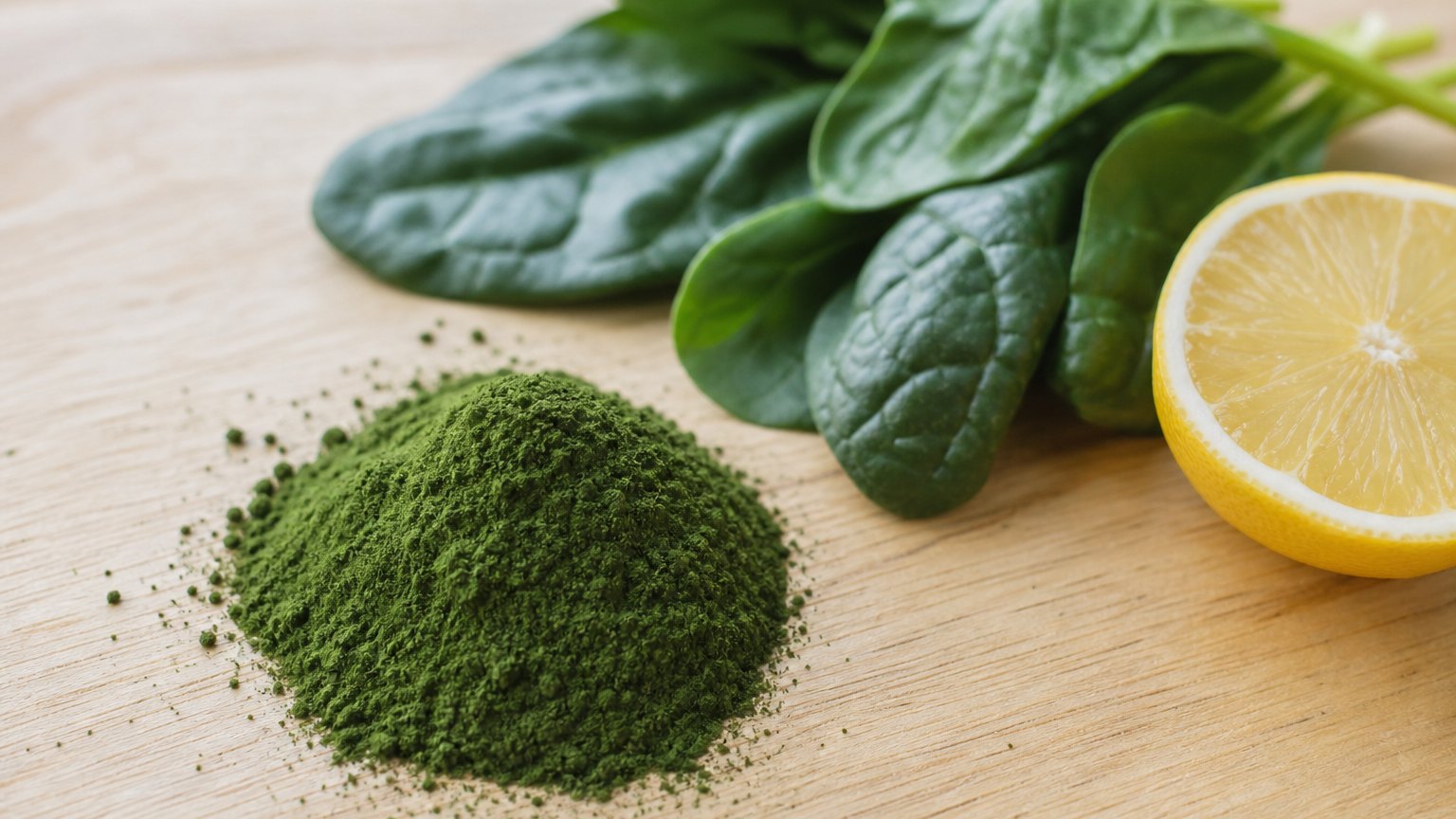
Spinach powder can add iron, folate, vitamin K, and plant compounds to your diet in a convenient form. For women, the biggest questions involve iron absorption, pregnancy planning, kidney stones, and medication interactions. Here is what the powder can realistically offer and how to use it wisely.
Key Takeaways
- Iron needs context: Spinach contains non-heme iron, which your body absorbs less efficiently than iron from animal foods.
- Vitamin C helps: Berries, citrus, kiwi, or bell pepper can improve the absorption of iron from spinach powder.
- Oxalates deserve attention: Anyone with a history of calcium oxalate kidney stones should talk to their doctor before using concentrated spinach regularly.
- Folate is useful but not enough: Spinach powder does not replace the folic acid supplement advised before and during early pregnancy.
- Vitamin K requires consistency: If you take warfarin, do not make a major change in spinach intake without medical guidance.
Iron in Spinach: The Absorption Reality
Spinach powder contains iron, but the amount varies by product and serving size. Drying removes water, so the powder can be more concentrated by weight than fresh spinach. That does not mean every scoop provides the same amount. Check the Nutrition Facts panel instead of relying on broad claims about spinach.
The iron in spinach is non-heme iron, also written non-haem iron. This is the type found in plants. Your body generally absorbs it less efficiently than heme iron from meat and seafood. Absorption also changes according to the rest of your meal, your current iron stores, and compounds in the food itself.
That is why spinach powder should not be treated as a guaranteed solution for low iron. If you have heavy menstrual periods, follow a vegetarian diet, donate blood often, or regularly feel unusually tired, ask your doctor whether iron testing makes sense. Fatigue has many possible causes, and taking more iron without knowing your levels is not always appropriate.
Popeye helped give spinach its iron-packed reputation, but a cartoon is not nutrition evidence. Spinach does contain iron, yet it is not unusually rich once absorption is considered. The familiar story that its reputation came entirely from a misplaced decimal point is also disputed. The honest conclusion is simpler: spinach contributes iron, but it should not be your only strategy for meeting higher iron needs.
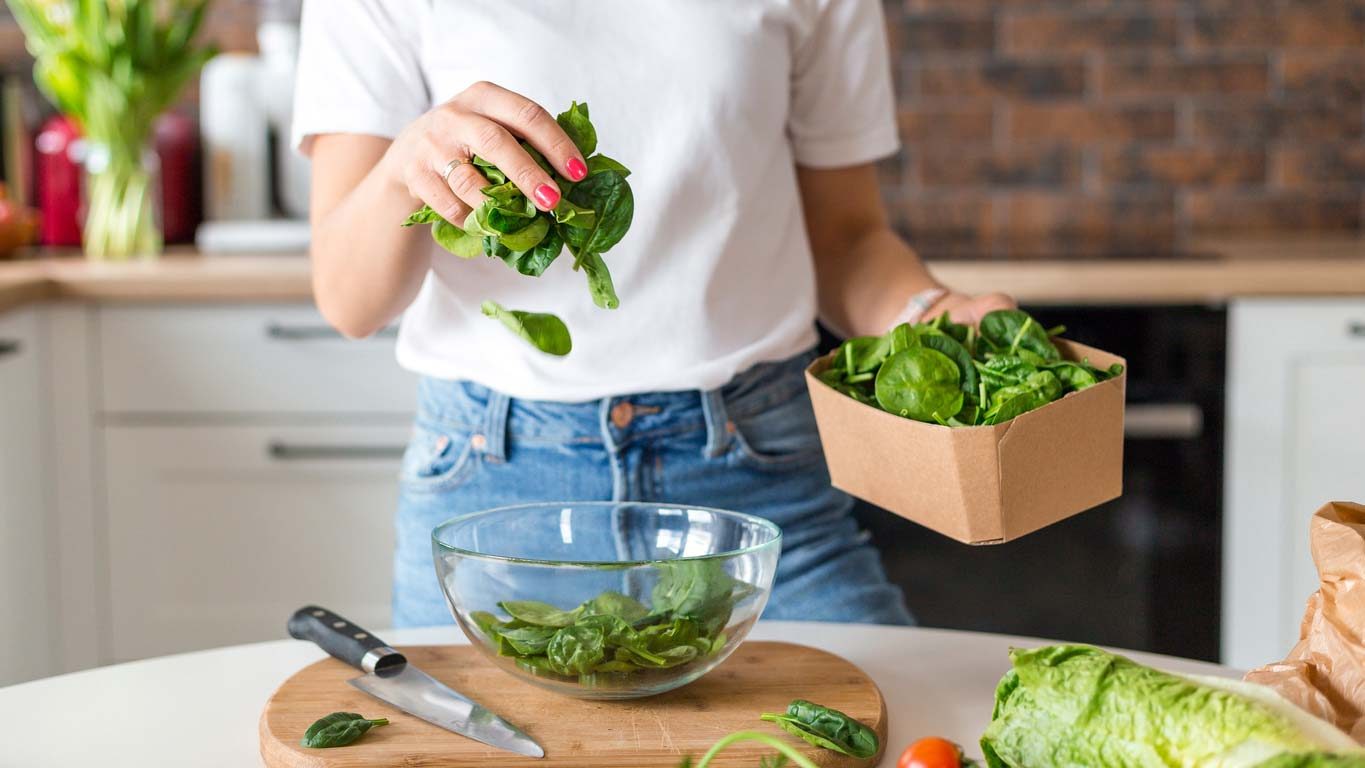
Spinach powder contains plant-based iron, but the amount absorbed depends on your meal and individual iron status.
Oxalates and Why They Matter Here
Spinach is naturally high in oxalates. Oxalates are plant compounds that can attach to minerals, including calcium and iron, in your digestive tract. When that binding happens, less of the mineral may be available for your body to absorb. This is one reason the iron number on a spinach powder label does not tell the whole story.
For most healthy people, eating oxalate-containing foods as part of a varied diet is not automatically a problem. Concentrated powder is different from occasionally adding a handful of spinach to dinner, however. A small volume may represent a larger amount of dried leaves, so label serving sizes and frequency matter.
High oxalate intake is a genuine concern if you have had calcium oxalate kidney stones, the most common type of kidney stone. Do not assume that a green powder is automatically suitable because it comes from a vegetable. Talk to your doctor or a registered dietitian before using spinach powder regularly if you have a history of stones, kidney disease, or another kidney condition. Your personal advice may involve total oxalate intake, hydration, calcium with meals, and other parts of your diet.
Cooking fresh spinach and discarding the water can reduce some soluble oxalate. Powder cannot be treated in quite the same way because you consume the entire serving. If oxalates are a concern, using a smaller label-directed serving does not replace individualized medical advice. You may need a lower-oxalate source of greens or iron instead.

Spinach is naturally high in oxalates, which matters especially for people with a history of calcium oxalate kidney stones.
Vitamin C Changes the Equation
Vitamin C helps your body absorb non-heme iron. It can change iron into a form that is easier to take up in the digestive tract and can reduce some of the effects of compounds that limit absorption. This makes pairing spinach powder with a vitamin C-rich food one of the most useful steps you can take.
Try blending the powder with strawberries, oranges, kiwi, pineapple, or another fruit that supplies vitamin C. For a savory option, mix it into tomato soup, lentil soup with tomatoes, or a dip served with sliced bell peppers. The pairing matters most when you are eating the foods together, rather than having vitamin C many hours later.
Coffee and tea contain polyphenols, plant compounds that can reduce non-heme iron absorption when consumed with an iron-focused meal. Large amounts of calcium at the same time may also compete with iron absorption. You do not need to remove these foods from your diet. If iron intake is a priority, consider having coffee or tea at another time and build the spinach serving around a clear vitamin C source.
This practical pairing improves absorption, but it does not turn spinach powder into an iron treatment. Someone with confirmed iron deficiency may need a specific iron supplement and medical follow-up. Spinach powder can contribute to an overall eating pattern, while blood testing and professional guidance determine whether that contribution is enough.

Pairing spinach powder with berries, citrus, or another vitamin C source can improve non-heme iron absorption.
Folate and Pregnancy Planning
Spinach naturally provides folate, a B vitamin your body uses for normal cell division and red blood cell formation. Folate is especially relevant for women who could become pregnant because needs increase before conception and during pregnancy. Spinach powder may contribute dietary folate, but the exact amount depends on the product and serving.
Folate and folic acid are related, but they are not identical terms. Folate refers to forms of vitamin B9 found naturally in food. Folic acid is the form commonly used in fortified foods and prenatal supplements. Public health recommendations separately advise folic acid supplementation for people who could become pregnant because getting enough before conception and in early pregnancy helps reduce the risk of neural tube defects in the developing baby.
For that reason, spinach powder is not a substitute for a prenatal vitamin or the folic acid amount recommended by your healthcare professional. A powder may be part of your diet, but it cannot provide pregnancy clearance or guarantee that you are meeting your needs. Labels also differ, and multi-ingredient greens powders may contain herbs or added nutrients that require separate review.
If you are pregnant, trying to conceive, or breastfeeding, show the complete ingredient label to your OB or other healthcare professional before using the product. Follow their advice on folic acid and other prenatal nutrients. More is not automatically better, especially when several fortified foods and supplements are combined. Food variety, prenatal care, and an appropriate supplement plan each have a different role.

Dietary folate from spinach can complement a varied diet, but it does not replace recommended prenatal folic acid.
Vitamin K and Blood Thinners
Spinach is rich in vitamin K, a nutrient involved in normal blood clotting and bone metabolism. Drying spinach can concentrate this nutrient into a relatively small amount of powder, although the actual level depends on the product. This matters most if you take warfarin, a prescription blood thinner that works by interfering with vitamin K activity.
Vitamin K-rich foods are not automatically forbidden for everyone who uses warfarin. The main issue is consistency. Suddenly adding a daily spinach powder, doubling your serving, or stopping it after regular use can change your vitamin K intake. That may affect how warfarin works and alter the blood tests used to manage your dose.
If you take warfarin, talk to your doctor, anticoagulation clinic, or pharmacist before adding spinach powder. Do not adjust your medication yourself. Bring the product label and explain how often you plan to use it. Your care team can tell you whether the serving fits your usual dietary pattern and whether monitoring needs to change.
Other blood thinners do not all interact with vitamin K in the same way, but that is not a reason to guess. Ask your prescribing professional about your specific medication. The same caution applies when a greens powder combines spinach with several other ingredients. A concentrated blend may change more than one part of your usual intake, even when every ingredient sounds familiar.
People taking warfarin should keep vitamin K intake consistent and discuss greens powders with their care team.
How to Use the Powder
Start by reading the ingredient list, Nutrition Facts panel, and serving directions. Some products contain only dried spinach. Others combine spinach with grasses, algae, herbs, flavoring, sweeteners, or added vitamins and minerals. Those are different products, so compare the complete label rather than judging them all as interchangeable spinach powder.
Follow the label directions instead of choosing a large serving based on a recipe or social media post. Powder density and concentration vary. If you are new to greens powders and the label allows flexibility, using the lower listed serving can help you assess the taste and digestive response. Do not exceed the directions simply because the product is food-based.
For better non-heme iron absorption, combine the powder with vitamin C. A smoothie with berries and citrus is an easy option. You can also stir it into tomato-based soup, hummus with lemon, scrambled eggs, pasta sauce, or muffin batter. Heat may reduce some heat-sensitive nutrients, but the powder can still add flavor, color, and other nutrients to a meal.
Store it tightly sealed in a cool, dry cabinet, away from direct light and steam. Always use a dry scoop. Moisture can cause clumping and may shorten shelf life. Follow the package's storage instructions and discard the powder if it develops an unusual smell, visible moisture, or signs of spoilage.
For more general nutrition details and recipe ideas, see our guide to spinach powder benefits. Consistency matters more than chasing a quick result. Use powder as a convenient addition to a varied diet, not as a replacement for vegetables, iron testing, prenatal care, or prescribed treatment.
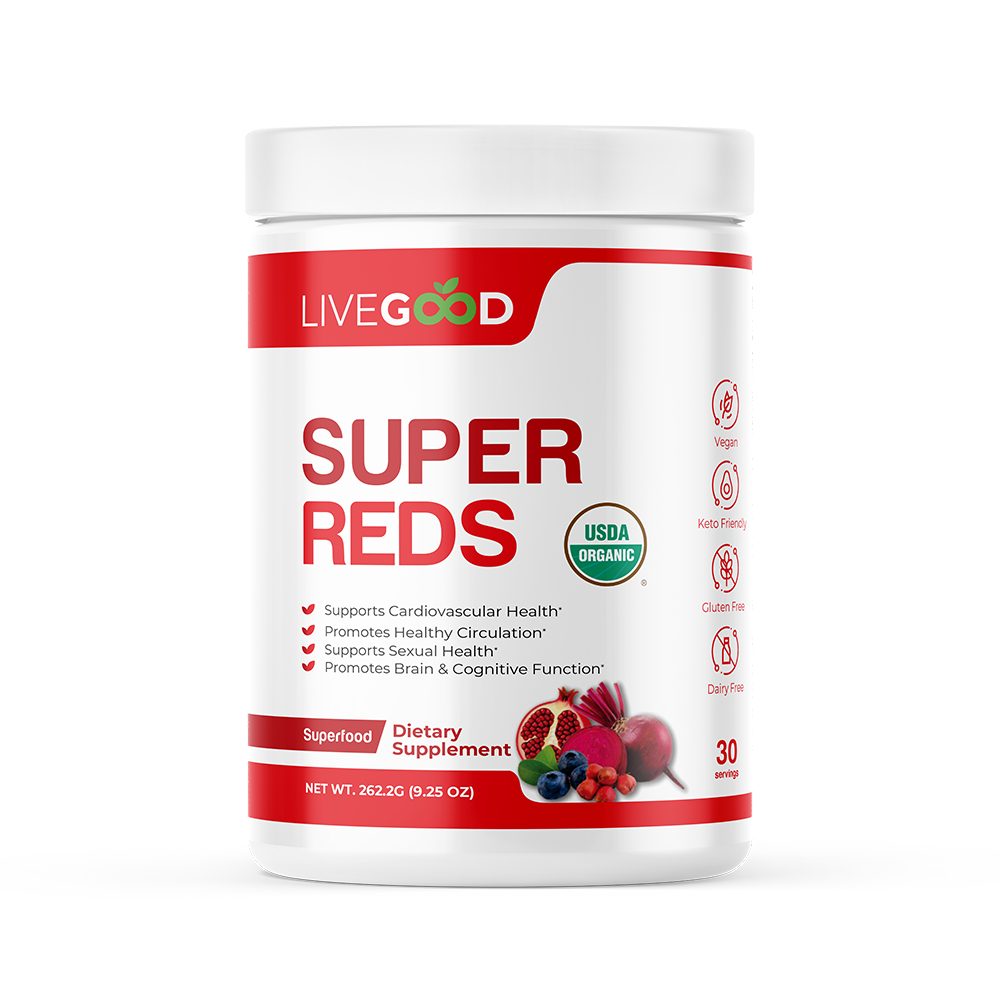
LiveGood Organic Super Greens is a USDA certified organic greens powder designed to help fill nutrient gaps that your diet may not provide, offering "a safety net for your health." Mix one delicious scoop a day into water or a smoothie, following the label directions. It is $19.95 for members versus $34.95 retail, supporting LiveGood's mission to "Provide the highest quality supplements in the world, at the lowest prices possible."
Frequently Asked Questions
What are the benefits of spinach powder for women?
Spinach powder can help women add folate, non-heme iron, vitamin K, and plant compounds to their diet. Its compact form is convenient for smoothies and meals, but benefits depend on the product and your overall eating pattern. Iron absorption is limited, so pair it with vitamin C. Women with kidney concerns, pregnancy, or prescription medications should seek personalized medical guidance.
Does spinach powder have iron?
Yes, spinach powder contains plant-based non-heme iron, although the amount varies by brand and serving. This form is not absorbed as readily as heme iron, and spinach oxalates can limit absorption further. Eating it with berries, citrus, kiwi, tomatoes, or bell peppers can help. Check the label for the actual iron amount rather than assuming every powder is equivalent.
Can you take spinach powder during pregnancy?
Do not start spinach powder during pregnancy without asking your OB or other healthcare professional to review the full label. It may supply dietary folate, but it does not replace a prenatal vitamin or separately recommended folic acid. Multi-ingredient powders can also contain herbs or added nutrients that need individual review during pregnancy and breastfeeding.
Does spinach powder affect blood thinners?
Yes, spinach powder can affect warfarin because it may provide a concentrated amount of vitamin K. A sudden increase or decrease in vitamin K intake can change how warfarin works, so consistency is essential. Talk to your doctor, pharmacist, or anticoagulation clinic before adding it. Ask about other blood thinners too, since medication guidance should be specific to your prescription.
How much spinach powder per day?
Use the serving stated on your product label because concentration differs between pure spinach powders and blended greens products. Do not exceed the directions in an effort to obtain more iron or folate. If you have kidney or liver conditions, take prescription medication, are pregnant or breastfeeding, or have a history of calcium oxalate stones, ask your doctor before making it a daily habit.