
Tart Cherry Powder for Men: Benefits and Dosage
 Written by Ben Glinsky
Ask AI about this article and Organic Super Reds





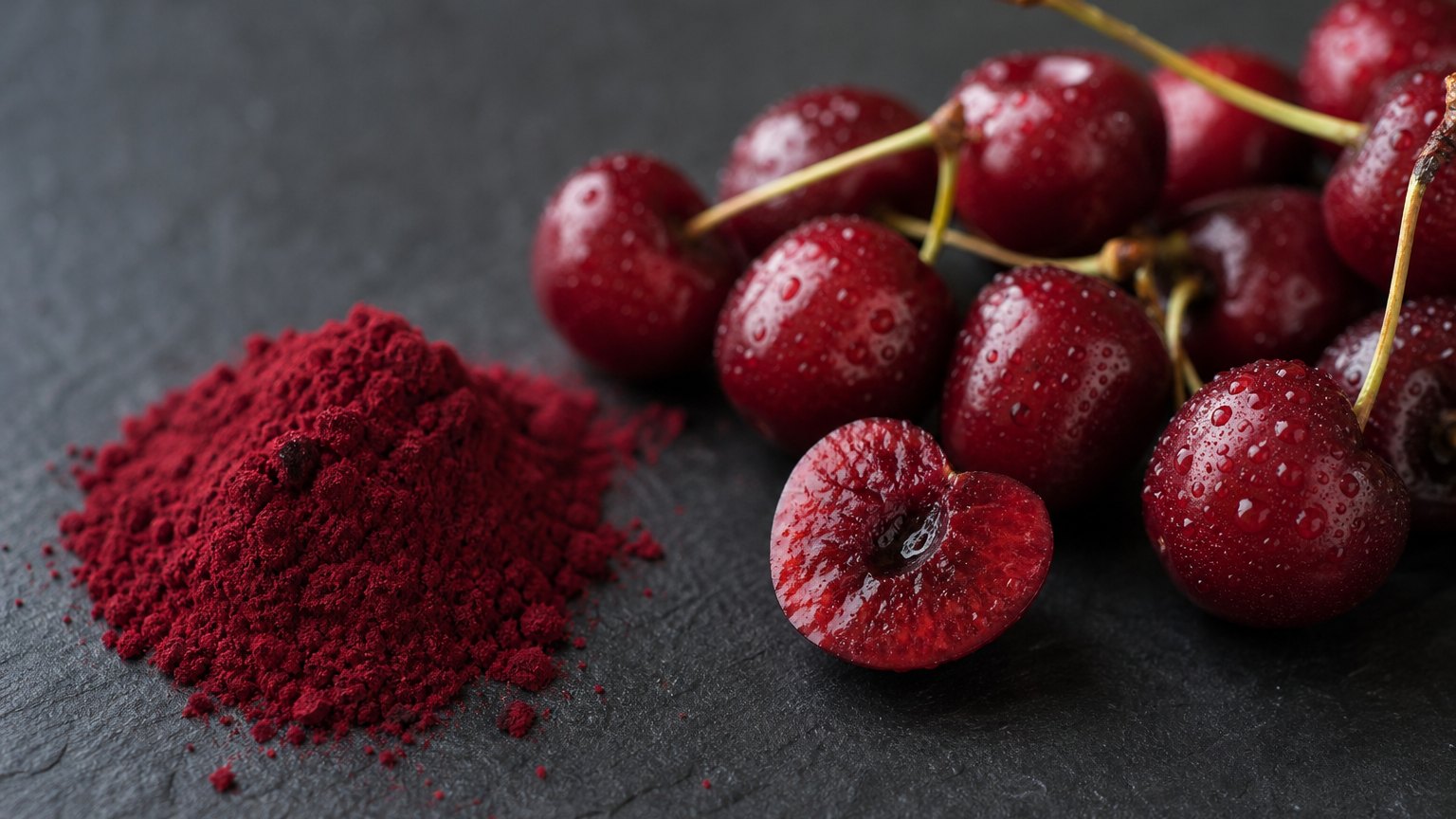
Tart cherry powder may support exercise recovery, reduce post-workout soreness, and modestly support sleep. Research has also examined uric acid, which is especially relevant for men, but tart cherry is not a gout treatment. Below, you will find the exact amounts used in trials and practical guidance for choosing a product.
Key Takeaways
- Best evidence for recovery: Tart cherry may modestly reduce soreness and support strength recovery after demanding exercise.
- Powder trials used 480 mg: A study in resistance-trained men provided 480 mg daily for 10 days, but powders vary in concentration.
- Uric acid findings are preliminary: Small studies report changes in blood and urinary uric acid, not proof that tart cherry treats gout.
- Sleep effects may be modest: Tart cherries contain melatonin, but juice studies used much larger servings than most powders provide.
- Follow the product label: There is no established standard daily dose that applies to every tart cherry powder or concentrate.
What Tart Cherry Contains
Tart cherries, usually the Montmorency variety, contain plant compounds called polyphenols. Anthocyanins are one type of polyphenol. They produce the cherry's deep red color and act as antioxidants, helping your body manage normal oxidative stress. Oxidative stress occurs when unstable molecules build up faster than your natural defenses can handle them.
Tart cherries also contain small amounts of natural melatonin, the hormone that helps coordinate your sleep and wake schedule. Juice provides carbohydrates, potassium, and other nutrients, although the amounts depend on processing and serving size. According to USDA FoodData Central, a cup of tart cherry juice can also contain substantial natural sugar. Concentrate and powder are different, so their nutrition cannot be estimated from juice alone.
A whole-fruit powder may retain carbohydrates and a wider range of cherry compounds. An extract may concentrate selected polyphenols into a smaller serving. Because manufacturers use different cherries, extraction methods, and cherry-to-powder ratios, 500 mg from one product may not equal 500 mg from another.
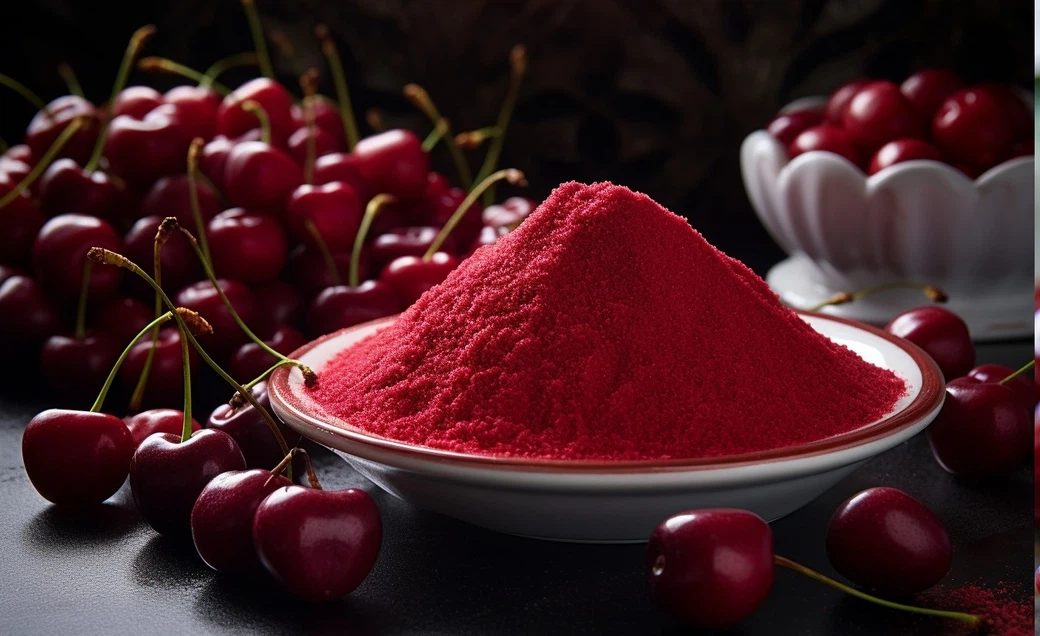
Tart cherries provide anthocyanins and other polyphenols, although their concentration varies by product and processing method.
These compounds are not known to work differently in men and women. For men, the most relevant research centers on workout recovery and uric acid. There is not reliable clinical evidence that tart cherry directly supports testosterone, erectile function, or prostate health. Readers looking for a different emphasis can also see our article on tart cherry powder benefits for women.
Exercise Recovery and Muscle Soreness
Exercise creates tiny amounts of muscle damage and temporary oxidative stress. That process is normal and helps your body adapt. After a hard lifting session, race, or unfamiliar workout, however, it can also lead to soreness, stiffness, and a short-term drop in strength.
Tart cherry has been studied as a way to support this recovery period. In a study of 23 resistance-trained men, participants took 480 mg of Montmorency tart cherry powder or a placebo each day for 10 days surrounding a demanding leg workout. The tart cherry group had lower reported soreness at some time points and recovered certain measures of muscle strength faster. Blood markers related to muscle stress also differed between groups.
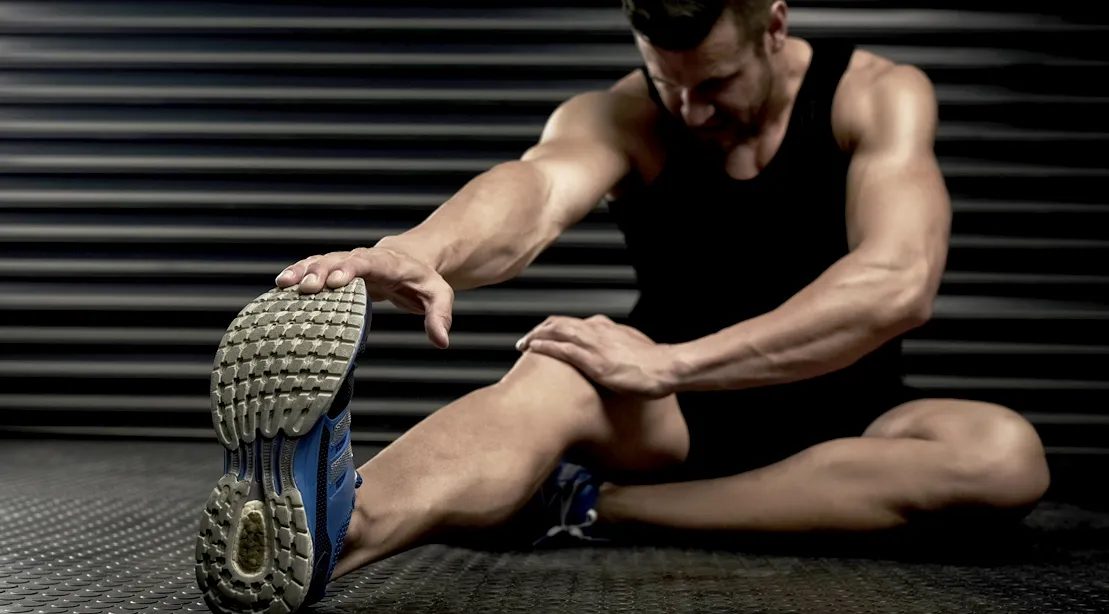
Research in active men has examined tart cherry powder around demanding workouts and the recovery period that follows.
Looking across multiple trials, a 2021 research review found a small average benefit for muscle soreness and a moderate benefit for muscle strength recovery. A separate 2020 analysis reported a modest improvement in endurance performance. Results were not identical in every trial, and studies used different juices, concentrates, powders, sports, and schedules.
The practical takeaway is not that tart cherry eliminates soreness. It may provide modest recovery support when used consistently around unusually demanding exercise. Your training plan, sleep, protein intake, hydration, and rest days still matter more. Track several comparable workouts rather than judging the ingredient after one serving.
The Uric Acid Research
Uric acid is a waste product formed when your body breaks down purines, substances found naturally in your tissues and in certain foods. Your kidneys normally filter uric acid into urine. When too much remains in the blood, crystals can form in joints and contribute to gout. Men develop gout more often than premenopausal women, which helps explain the interest in tart cherry among male readers.
Small studies have examined whether tart cherry changes uric acid handling. In one short trial involving healthy adults, single servings of 30 mL or 60 mL of tart cherry concentrate were followed by a temporary reduction in blood uric acid and an increase in uric acid excretion. Another study in adults with overweight or obesity used 240 mL, about 8 ounces, of tart cherry juice daily for four weeks and reported lower average serum uric acid.

Early studies have measured how tart cherry juice or concentrate affects uric acid, but they do not establish a gout treatment.
These findings are interesting, but they have clear limits. The studies were small, used different products, and did not establish that tart cherry prevents gout attacks or treats gout. A change in a blood marker is not the same as a proven clinical benefit. Research has also produced mixed findings when cherry products have been evaluated across different populations.
If you have gout, unexplained joint pain, kidney stones, or elevated uric acid, talk to your doctor. Do not replace prescribed medication with tart cherry or change medication based on a supplement trial. Your doctor can evaluate the cause, monitor your uric acid, and help you decide whether a cherry product fits safely into your routine.
Sleep and Natural Melatonin Content
Tart cherries naturally contain melatonin, a hormone your brain releases in response to darkness. Melatonin helps set the timing of your internal body clock. Tart cherries also provide plant compounds that may influence how the body uses tryptophan, an amino acid involved in melatonin and serotonin production.
Small trials have tested tart cherry juice or concentrate in the evening. Common study schedules included 30 mL of concentrate twice daily for seven days or about 8 ounces of juice twice daily for two weeks. Some studies reported longer total sleep time or better sleep efficiency, meaning participants spent a greater percentage of their time in bed asleep. A review of tart cherry and sleep research found potentially helpful results but also highlighted differences in products, doses, study populations, and methods.
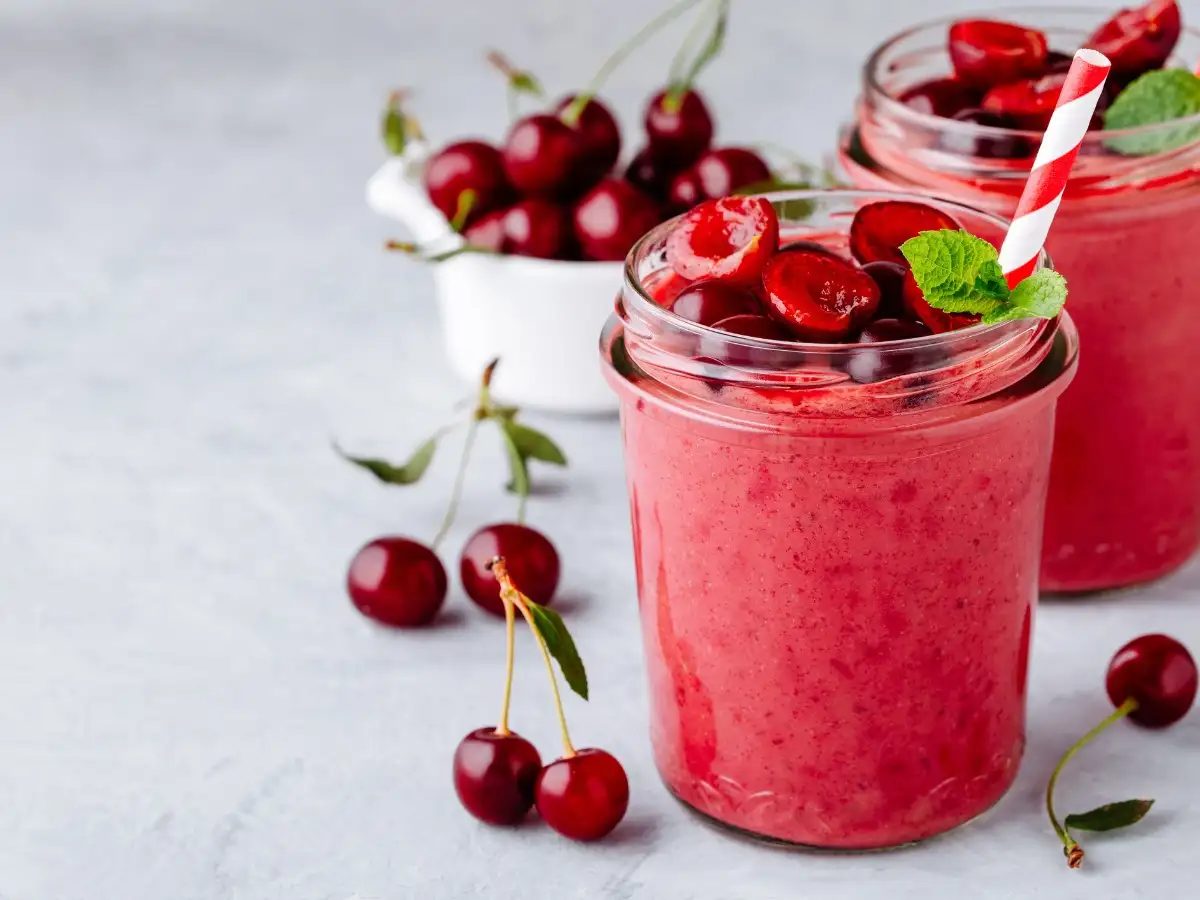
Tart cherries contain natural melatonin, though the amount and potential sleep effect vary among juices, concentrates, and powders.
Tart cherry should not be described as a treatment for insomnia. Its natural melatonin content is relatively low and varies widely. A powder serving may not deliver the same amount used in a juice trial, especially if the label does not identify the cherry concentration.
If sleep is your main goal, evening is the most logical time to try tart cherry, following the product label. Keep the rest of your routine steady. Dim the lights, limit late caffeine, and maintain a regular bedtime. Persistent insomnia, loud snoring, breathing pauses, or severe daytime sleepiness deserves medical evaluation rather than self-treatment with a supplement.
Dosage: What Trials Actually Used
There is no single recommended tart cherry dose for every man. Research has used powders, juice, and concentrated liquid, and these forms are not interchangeable. A teaspoon of whole-fruit powder may contain far less concentrated cherry material than a standardized extract.
Here are representative amounts used in human trials:
| Form and research goal | Amount studied | Schedule |
|---|---|---|
| Powder for resistance recovery | 480 mg | Once daily for 10 days around exercise |
| Liquid concentrate for sleep | 30 mL | Twice daily for 7 days |
| Juice for sleep | About 8 ounces | Twice daily for 2 weeks |
| Concentrate for uric acid response | 30 or 60 mL | A single research dose |
| Juice for uric acid research | About 8 ounces | Daily for 4 weeks |
Trial doses differ widely by form, so juice, liquid concentrate, and tart cherry powder should not be treated as equivalent.
These are research protocols, not personal dosing instructions. Follow your product's label rather than trying to convert a juice trial into scoops of powder. Check whether the label identifies Montmorency tart cherry, the amount per serving, and whether it is whole-fruit powder or an extract. A concentrated product may use a ratio such as 10:1, but ratios still do not guarantee identical polyphenol content.
For workout recovery, studies usually began supplementation several days before demanding exercise and continued afterward. For general daily use, choose a time you can maintain consistently. Evening may suit a sleep-focused routine, while a smoothie earlier in the day may be easier on your stomach. Consistency is more useful than repeatedly increasing the serving in search of an immediate feeling.
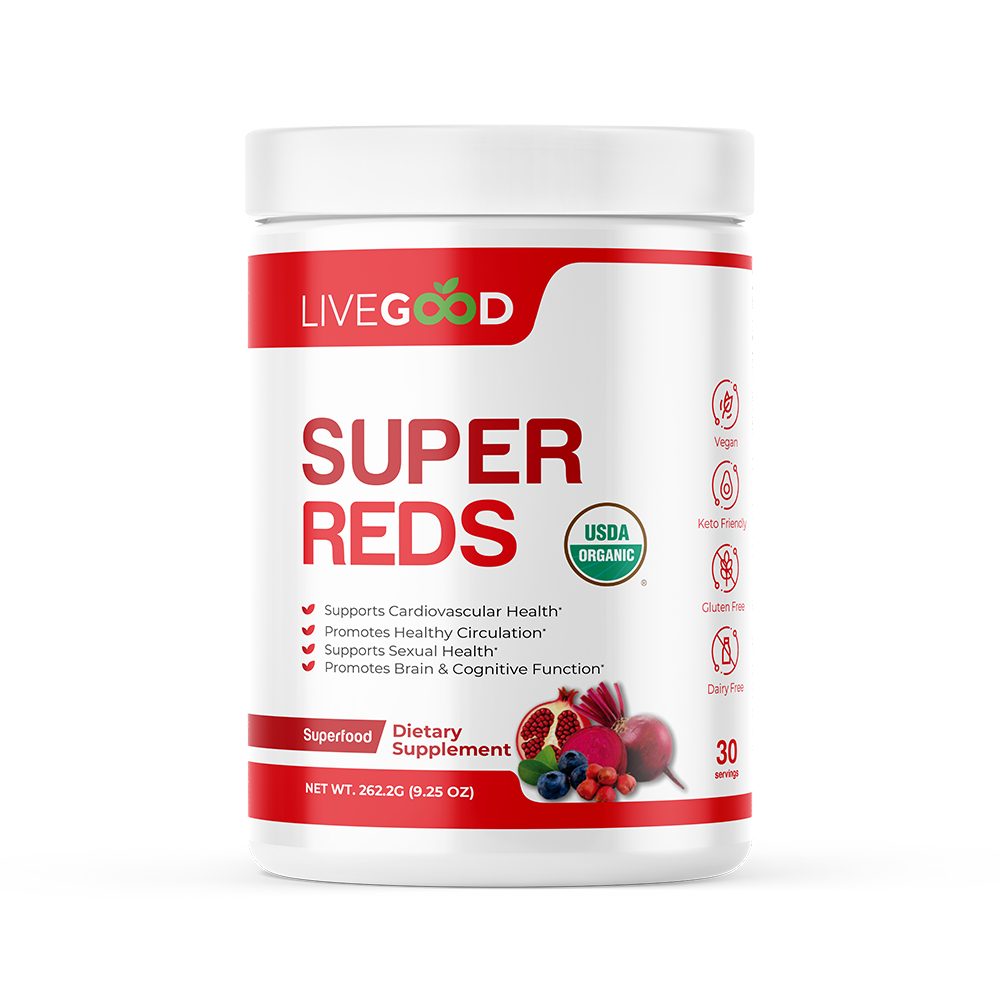
For a convenient blend, LiveGood Organic Super Reds combines tart cherry with beetroot, pomegranate, acai, grape seed, and elderberry. It is a red fruit and vegetable extract powder formulated to support the body's nitric oxide production and healthy blood circulation. Mix it with water or a smoothie. It is popular before a workout or as an afternoon pick-me-up. This is a blend, not a concentrated tart cherry supplement. Members pay $19.95, compared with $34.95 retail. Highest Quality. Lowest Prices. Every Day.
Who Should Be Careful
Most healthy adults tolerate food-sized servings of tart cherry, but concentrated products can cause digestive symptoms. Possible effects include stomach discomfort, gas, loose stools, or diarrhea. Starting with the labeled serving, rather than doubling it, can help you judge tolerance.
Juice deserves extra attention if you monitor carbohydrate or calorie intake. Some products contain substantial natural sugar, and sweetened versions can contain added sugar. Read the nutrition panel rather than assuming every tart cherry drink is unsweetened. Concentrates must usually be diluted according to their directions.
Talk to your doctor before using a tart cherry supplement if you take prescription medication, especially medicine for gout, blood thinning, blood sugar, or blood pressure. Direct tart cherry interactions are not well mapped, but your full medication list and health history matter. You should also seek medical guidance if you have kidney disease, liver disease, diabetes, kidney stones, elevated potassium, or another existing medical condition. Pregnancy and breastfeeding also warrant a conversation with a doctor before concentrated supplemental use.
An allergy to cherries or related stone fruits is another reason to avoid the product unless an allergy specialist says otherwise. Stop using it and seek urgent care for swelling, trouble breathing, or other signs of a serious allergic reaction.
Finally, do not assume that more powder produces greater benefits. High-dose, long-term safety data are limited, and different extracts may not be comparable. Supplements can support a consistent routine, but they do not replace medical care, balanced nutrition, sleep, hydration, or appropriate recovery between workouts.
Frequently Asked Questions
What are the benefits of tart cherry for men?
For men, the best-supported potential benefits are modest improvements in post-exercise soreness and muscle strength recovery. Tart cherry may also support sleep, and small studies have reported changes in how the body handles uric acid. Evidence is not equally strong for every outcome. There is no reliable proof that tart cherry directly improves testosterone, erectile function, or prostate health.
What is the recommended dose of tart cherry powder?
There is no universal recommended dose for tart cherry powder, so follow the serving directions on your product. One recovery trial in resistance-trained men used 480 mg of Montmorency tart cherry powder daily for 10 days. That number does not automatically apply to another powder because whole-fruit products and concentrated extracts can have very different strengths.
Does tart cherry help with recovery?
Tart cherry may provide modest recovery support after strenuous or unfamiliar exercise. Research reviews suggest small improvements in soreness and more noticeable improvements in some measures of muscle strength recovery. It will not erase the effects of poor sleep, inadequate protein, dehydration, or excessive training. Evaluate it across several similar workouts rather than expecting a dramatic result after one serving.
Does tart cherry help with gout?
Tart cherry should not be considered a treatment for gout. Small studies suggest juice or concentrate may temporarily affect blood uric acid or its excretion, but the evidence is limited and inconsistent. If you have gout or elevated uric acid, talk to your doctor and continue prescribed care. Do not use a cherry supplement as a replacement for medication.
Are there side effects of tart cherry?
Tart cherry can cause stomach discomfort, gas, or loose stools, especially in larger servings. Juice may also contain considerable natural or added sugar. Talk to your doctor before supplemental use if you take prescription medication, are pregnant or breastfeeding, or have kidney disease, liver disease, diabetes, kidney stones, or another existing medical condition.