
Whey Protein Forms Compared for Weight Management
 Written by Ben Glinsky
Ask AI about this article and Whey Protein Isolate - With Colostrum





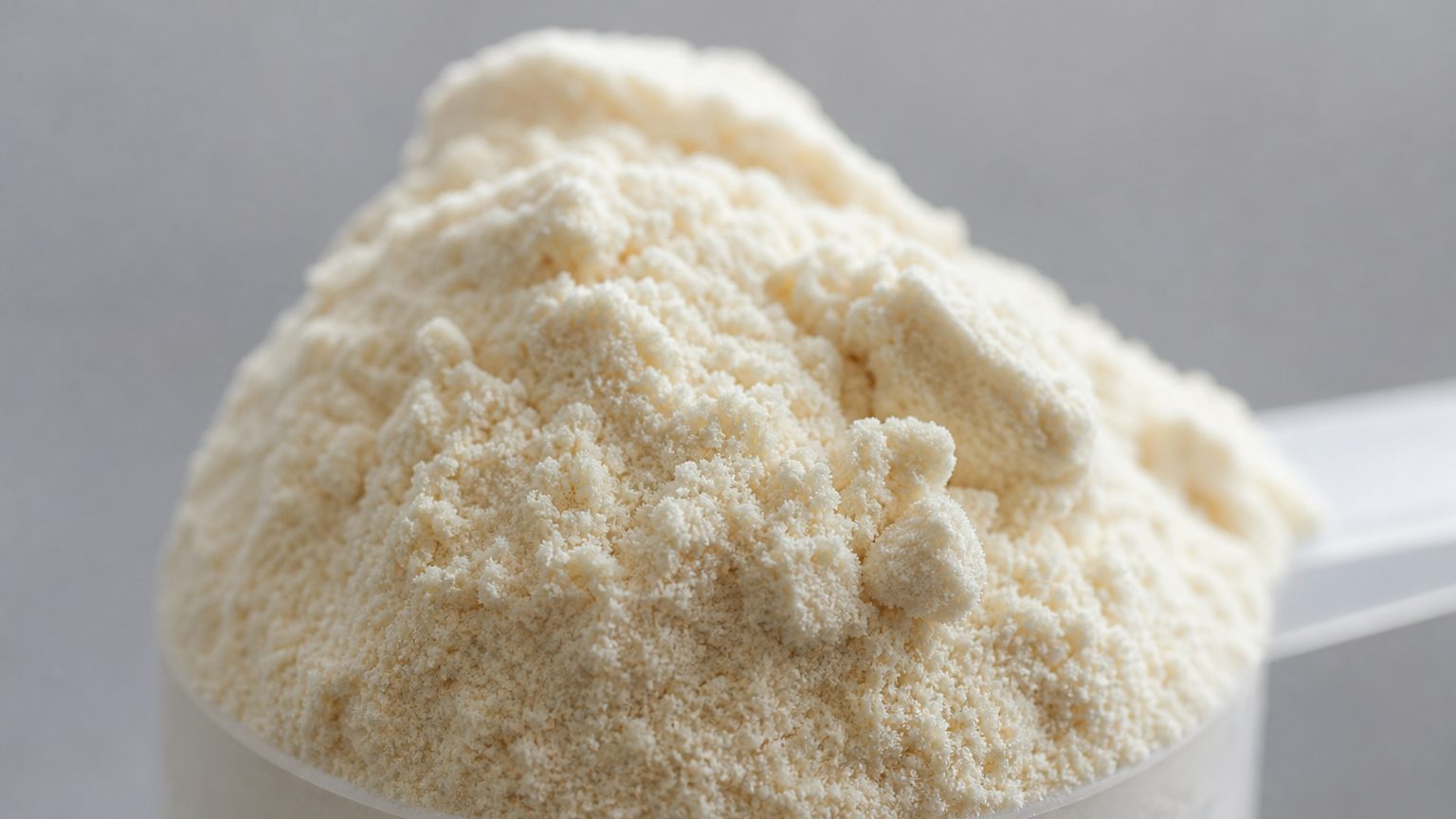
The best whey protein for weight loss is one that gives you plenty of protein for the calories, fits your budget, and agrees with your digestion. Isolate often performs well by that measure, but no whey form directly causes weight loss. Here is how to compare concentrate, isolate, and hydrolysate without falling for fat-burning claims.
Key Takeaways
- No form burns fat: Weight loss requires a sustained calorie deficit, meaning you regularly consume less energy than your body uses.
- Compare protein per calorie: Divide protein grams by calories, then multiply by 100 to see how much protein you get per 100 calories.
- Isolate is often leaner: It usually contains a higher percentage of protein and less lactose, fat, and carbohydrate than concentrate.
- Hydrolysate is not automatically better: It is partially broken down for digestion, but it may cost more without improving weight-management results.
- Use whey as a practical tool: Protein can support fullness and lean mass retention, but the rest of your eating and activity pattern still matters most.
No Whey Form Burns Fat
Whey protein does not burn body fat. That is true for whey concentrate, isolate, and hydrolysate. Changing from one form to another will not create weight loss unless the change helps you maintain a calorie deficit over time.
A calorie deficit means your body uses more energy than you consume. Whey can fit into that process because it provides a convenient source of protein. It may help you build a more filling meal or replace a snack that contains more calories and less protein. But adding a shake on top of your usual food also adds calories. Context matters.
You may see labels use words such as lean, ripped, metabolic, or fat-burning. Those terms do not show that the protein itself causes fat loss. Ingredients such as caffeine may temporarily affect alertness or energy expenditure, but that is separate from whey and should not be confused with a special property of isolate or concentrate.
The more useful question is not, "Which whey burns the most fat?" It is, "Which product helps me meet my protein needs without making my calorie target harder to maintain?" For many people, that points toward a product with a high protein-to-calorie ratio, little added sugar, and a serving size that fits their routine.

Whey protein can support a calorie-conscious routine, but no whey form directly burns body fat.
Concentrate, Isolate and Hydrolysate
All three forms begin with whey, the liquid portion separated from milk during cheese production. Processing changes how much protein, lactose, carbohydrate, and fat remain. It does not turn one form into a fat-loss ingredient.
Whey protein concentrate receives less filtration. Its protein percentage can vary widely, although WPC80, a common sports nutrition form, is about 80% protein by dry weight before flavors and other ingredients are added. Concentrate usually retains more lactose and milk fat. It is often the most affordable choice and can still provide an excellent amount of protein.
Whey protein isolate goes through additional filtration. The raw isolate ingredient is generally at least 90% protein by dry weight, with much of the lactose and fat removed. A finished flavored powder will have a lower protein percentage because cacao, flavors, sweeteners, or other ingredients add weight. Isolate often provides slightly more protein for a given number of calories, but you need the Nutrition Facts label to confirm that.
Whey protein hydrolysate has been treated with enzymes that split some proteins into smaller pieces called peptides. This is sometimes described as "pre-digested." Hydrolysate may digest quickly, but it can be made from concentrate or isolate. The word hydrolysate alone does not tell you its protein percentage, lactose content, or calorie efficiency. It may also have a more bitter taste and a higher price.
| Form | Typical distinction | Practical consideration |
|---|---|---|
| Concentrate | Less filtered | Usually lower cost, often more lactose |
| Isolate | More filtered | Usually more protein and less lactose per gram |
| Hydrolysate | Partially broken into peptides | Often higher cost, not inherently better for weight management |
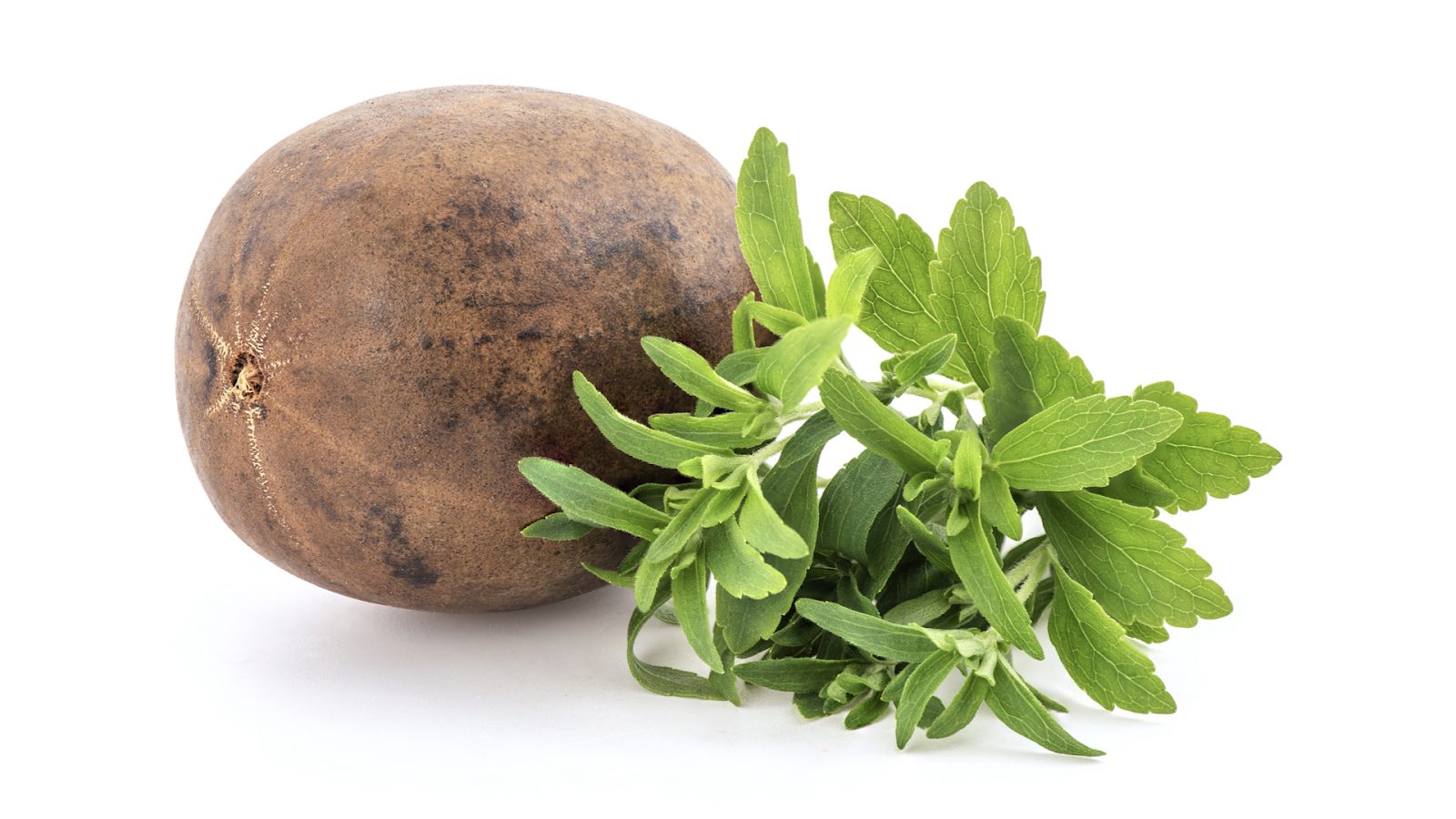
Concentrate, isolate, and hydrolysate differ mainly in processing, protein percentage, lactose, and cost.
Protein Per Calorie Is the Useful Number
Front-label terms can be distracting. The Nutrition Facts panel gives you a more useful comparison: grams of protein for every 100 calories. This adjusts for different serving sizes and shows how calorie-efficient each powder is.
Use this formula:
Protein grams per serving ÷ calories per serving × 100 = grams of protein per 100 calories
Suppose Product A provides 20 grams of protein and 100 calories:
20 ÷ 100 × 100 = 20 grams of protein per 100 calories
Now suppose Product B provides 24 grams of protein and 160 calories:
24 ÷ 160 × 100 = 15 grams of protein per 100 calories
Product B has more protein per scoop, but Product A delivers more protein for the same calorie budget. Neither is automatically the better product. Product B may have a larger serving, more cacao, or ingredients you value. The calculation simply gives you a fair starting point.
| Example | Protein | Calories | Protein per 100 calories |
|---|---|---|---|
| Product A | 20 g | 100 | 20 g |
| Product B | 24 g | 160 | 15 g |
Next, check added sugar, total carbohydrate, fat, serving size, and the number of servings in the container. Compare cost per serving only after checking how much protein each serving provides. A larger tub or scoop is not necessarily a better value.

Protein per 100 calories makes it easier to compare powders with different scoop sizes.
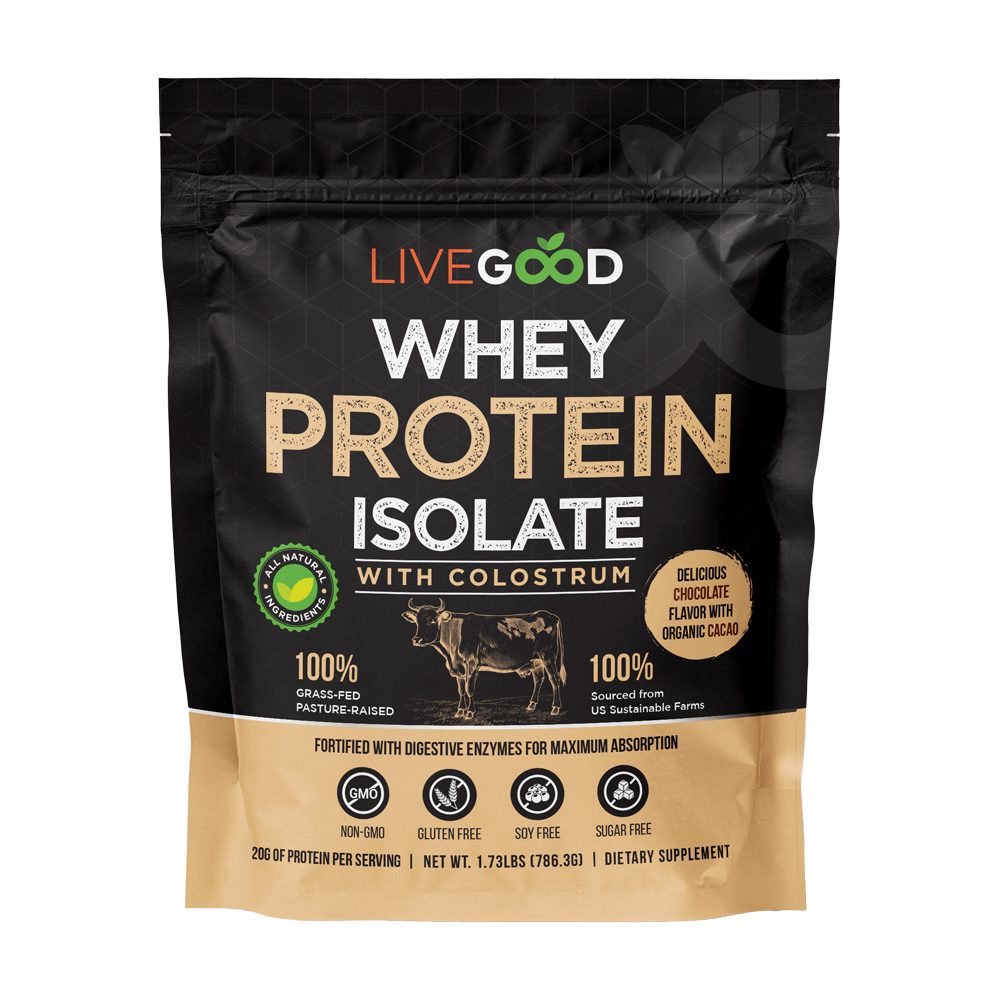
If isolate suits your calorie target, LiveGood Whey Protein Isolate - With Colostrum provides 20 grams of clean protein with all nine essential amino acids. The chocolate formula uses organic cacao, plus colostrum to support gut and immune health and digestive enzymes to support digestion. Its whey is 100% grass-fed, pasture-raised, and sourced from US sustainable farms. It is $39.95 for members versus $49.95 retail, helping keep wellness accessible rather than a luxury.
Satiety and Keeping Lean Mass
Protein can support weight management through fullness and lean mass retention, not by directly melting fat. Satiety is the feeling that you have eaten enough. Protein-rich meals are often more satisfying than meals dominated by refined carbohydrate or fat, although the response varies among people.
Research on higher-protein eating patterns suggests that protein may help people feel fuller and maintain lean tissue while losing weight. Lean mass includes muscle and other non-fat tissue. Preserving it matters because aggressive dieting can reduce both fat and muscle. Resistance training, adequate protein, sleep, and a moderate calorie deficit work together better than relying on a powder alone.
Protein also has a higher thermic effect than carbohydrate or fat. Thermic effect means the energy your body uses to digest, absorb, and process food. This difference is real, but it is modest. It does not make a protein shake a fat burner or cancel calories elsewhere in your day.
Whey is useful when convenience is the main obstacle. You might blend it with fruit and milk for breakfast, stir it into yogurt, or use a shake after training when a meal is not practical. Pairing whey with fiber-rich food can make the meal more satisfying. Fruit, oats, chia seeds, and vegetables are examples.
Remember that liquids may feel less filling than solid meals for some people. If a shake leaves you hungry, make it part of a balanced meal instead of using it as a stand-alone replacement. Consistency beats quick fixes.
Whey can help you build a satisfying protein routine alongside balanced meals and resistance training.
Choosing for Cost and Digestion
Start with your own priorities. If price matters most and you digest dairy comfortably, whey concentrate may be the sensible choice. A well-formulated concentrate can provide nearly as much protein per calorie as some isolates, often at a lower cost. Run the label calculation rather than assuming the form tells the whole story.
Choose isolate when you want less lactose or a particularly high protein-to-calorie ratio. Isolate is not always lactose-free, but it generally contains much less lactose than concentrate. Check the label and your individual tolerance. Lactose intolerance means difficulty digesting milk sugar. It is different from a milk allergy, which involves the immune system. Anyone with a milk allergy should avoid whey unless a qualified clinician says otherwise.
Hydrolysate may be worth considering if you prefer it or find that a particular formula sits well. However, faster digestion does not establish better fat-loss results. Do not pay a large premium solely because a product says hydrolyzed.
Also consider taste and routine. The mathematically leanest powder is not useful if you dislike it and stop using it. Compare the cost per serving, protein per 100 calories, ingredient list, and how the product feels during digestion. Added digestive enzymes may support digestion, but they do not guarantee that everyone will tolerate a formula.
Women and men can use the same label comparison. Your overall protein needs depend more on body size, food intake, activity, age, and goals than sex alone. Follow the product directions, and see how to take whey protein isolate before changing serving size. Talk to your doctor if you are pregnant, breastfeeding, take prescription medication, or have a kidney condition, liver condition, or another existing medical condition.
Frequently Asked Questions
Which whey protein is best for weight loss?
The best whey protein for weight loss is usually one with plenty of protein per calorie that fits your budget and digestion. Isolate often scores well because it contains less lactose, fat, and carbohydrate, but a lean concentrate can be similar. No form causes weight loss by itself. Check calories, protein, added sugar, and serving size on the label.
Is isolate better than concentrate?
Isolate is better when you want less lactose or a higher percentage of protein, but concentrate may offer better value. The calorie difference between two finished products can be small. Compare grams of protein per 100 calories and cost per serving rather than choosing from the form name alone. Taste, tolerance, and consistency also matter.
Does whey protein burn fat?
No, whey protein does not burn fat. It can make it easier to get enough protein, which may support fullness and help maintain lean mass during a calorie deficit. Weight loss still depends on your overall calorie intake, activity, and routine. Adding whey without adjusting anything else simply adds calories.
How much whey protein per day?
The right amount depends on how much protein you already get from food, your body size, activity, and health needs. Follow the label directions rather than assuming more is better. Whey is a supplement to meals, not a required daily food. Talk to your doctor or a registered dietitian for personal guidance, especially with kidney or liver conditions, pregnancy, breastfeeding, or prescription medications.
Is whey protein good on a calorie deficit?
Yes, whey protein can be useful during a calorie deficit because it provides protein in a convenient, measurable serving. Protein supports fullness and helps maintain lean mass, especially alongside resistance training. Choose a powder that fits your calorie target, and count the entire shake, including milk, fruit, nut butter, or other additions.