
Is Ultra Magnesium the Same as Magnesium Glycinate?
 Written by Ben Glinsky
Ask AI about this article and Ultra Magnesium Complex






No, Ultra Magnesium Complex is not the same as magnesium glycinate. It is a blend that contains magnesium glycinate alongside magnesium gluconate, so the useful comparison is a two-form complex versus one magnesium form. Here is how that difference affects labels, selection, and the amount of magnesium you actually get.
Key Takeaways
- They are not the same: Ultra Magnesium Complex combines magnesium glycinate and magnesium gluconate, while a glycinate supplement generally uses glycinate as its only magnesium form.
- Both provide magnesium: The mineral is the same, but the compound attached to it differs and may affect absorption and digestive tolerance.
- A blend is not automatically better: Your preferred form, total elemental magnesium, tolerance, and budget matter more than the number of forms.
- Read the Supplement Facts panel: Elemental magnesium tells you how much magnesium a serving actually provides.
- Respect the supplemental limit: The adult upper limit is 350 mg per day from supplements and medications, unless your doctor recommends otherwise.
The Short Answer
Ultra Magnesium Complex and magnesium glycinate overlap, but they are not interchangeable terms. Magnesium glycinate is a specific form of magnesium. Ultra Magnesium Complex is a product containing that form plus magnesium gluconate.
Think of magnesium glycinate as one ingredient and Ultra Magnesium Complex as a recipe containing two magnesium ingredients. If you take the complex, you are getting some magnesium from glycinate and some from gluconate. If you take a single-form glycinate product, its magnesium should come only from magnesium glycinate, although you should always verify that on the label.
The word "form" refers to the substance attached to magnesium. Magnesium must be joined to another compound so it can remain stable in a supplement. In magnesium glycinate, it is attached to glycine, an amino acid. Amino acids are small building blocks used to make proteins. In magnesium gluconate, magnesium is attached to gluconic acid, a compound made from glucose.
Both forms ultimately supply the essential mineral magnesium. Magnesium supports normal muscle and nerve function, energy production, and bone health. The attached compound may influence how the supplement dissolves, how well it is absorbed, and how it feels in your digestive system.

Ultra Magnesium Complex is a two-form blend, while magnesium glycinate refers to one specific magnesium compound.
The most useful question, then, is not whether Ultra Magnesium "is" glycinate. It is whether you prefer a blend containing glycinate or a product that supplies glycinate alone.
What Is in Ultra Magnesium Complex
LiveGood Ultra Magnesium Complex contains two listed magnesium forms: magnesium glycinate and magnesium gluconate. That makes it a magnesium complex, which simply means more than one form is included in the formula.
Magnesium glycinate is magnesium bound to glycine. It is commonly selected because it is considered well absorbed and tends to be gentler on digestion than forms often used for their laxative effect. Magnesium gluconate is magnesium combined with gluconic acid. It is another soluble form that the body can use as a source of magnesium.
Combining them does not create a new type of magnesium. It provides the same essential mineral through two different compounds. A blend may appeal to you if you want both forms in one routine rather than purchasing separate products.

Magnesium glycinate and magnesium gluconate provide the same essential mineral through different attached compounds.
However, the number of forms does not tell you how much magnesium is present. It also does not prove that a product will produce broader or stronger results than a single-form supplement. Those conclusions require evidence comparing the finished products directly, and that evidence is generally limited.
The better label questions are practical ones. Which forms are included? How much elemental magnesium does one serving provide? What is the serving size? Are there other magnesium-containing supplements in your routine? Elemental magnesium is the portion that counts toward your daily magnesium intake.
If you want a closer look at how the two ingredients differ, see our comparison of magnesium gluconate and magnesium glycinate.
What Magnesium Glycinate Is on Its Own
Magnesium glycinate is a chelated form of magnesium. "Chelated" means the mineral is bound to an organic compound, in this case glycine. This bond may help the magnesium remain stable as it moves through digestion.
A product labeled magnesium glycinate usually relies on glycinate as its only magnesium source. You may also see the term magnesium bisglycinate. The names are often used in similar ways because the magnesium is associated with glycine molecules. The exact naming can depend on the ingredient and label convention, so the Supplement Facts panel remains more useful than the front of the bottle.

Magnesium glycinate combines magnesium with glycine and is commonly selected for its digestive tolerance.
People often choose glycinate because it is generally well tolerated. It may be less likely to cause loose stools than magnesium citrate or magnesium oxide, although any magnesium supplement can cause digestive discomfort at a high enough amount. Individual responses vary.
Magnesium glycinate is also frequently marketed for relaxation and sleep. Magnesium supports normal nerve and muscle function, and glycine has roles within the nervous system. Still, direct research showing that magnesium glycinate reliably improves sleep in people who already get enough magnesium is limited. It should not be presented as a treatment for insomnia or as a guaranteed sleep aid.
A single-form glycinate product can be a straightforward choice if you already know you tolerate it, want a simpler ingredient list, or prefer to evaluate one magnesium form at a time. Simpler does not mean weaker. The elemental amount and your consistency matter more than how complicated the formula sounds.
Blend or Single Form: How to Choose
Choose based on the label and your needs, not on the assumption that more forms must be better. Ultra Magnesium Complex may fit if you want glycinate and gluconate together. A single-form glycinate supplement may fit if you specifically want glycinate or already know how your body responds to it.
Start by comparing elemental magnesium per serving. Then look at the number of capsules or tablets required, label directions, other ingredients, and price per serving. Two bottles can feature similar magnesium compounds while providing very different elemental amounts.
Digestive tolerance also matters. Glycinate is often selected by people with sensitive digestion, but it can still cause nausea, cramping, or diarrhea. A blend containing glycinate is not guaranteed to feel identical because the total amount, second magnesium form, serving size, and inactive ingredients may differ.
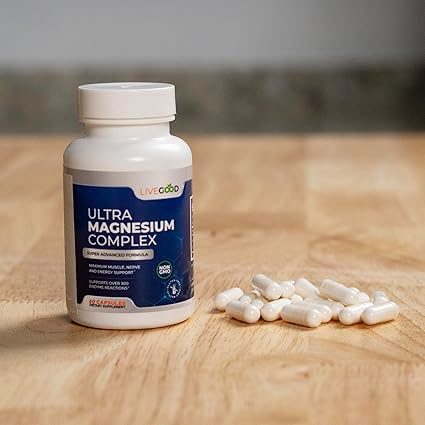
Comparing elemental magnesium, serving size, and label directions is more useful than counting the number of forms.
For sleep, glycinate is a popular option, but no magnesium form is proven to be the best sleep supplement for everyone. If low magnesium intake is part of the issue, improving overall intake may help support normal nervous system and muscle function. If your intake is already adequate, you may not notice a clear change. Consistency and realistic expectations are more useful than chasing a quick result.
A food-first routine still matters. Nuts, seeds, beans, whole grains, and leafy green vegetables provide magnesium along with fiber and other nutrients. Supplements can help fill an intake gap, but they do not replace a balanced diet.
Talk to your doctor before using magnesium if you take prescription medication, are pregnant or breastfeeding, have kidney or liver problems, or have an existing medical condition. Magnesium can interact with certain medicines, and reduced kidney function can make excess magnesium harder to clear.
How Much Magnesium You Are Actually Getting
The number beside "magnesium glycinate" on the front of a bottle may not equal the amount of magnesium your body receives. Magnesium glycinate includes both magnesium and glycine, so the complete compound weighs more than its magnesium portion. The same principle applies to magnesium gluconate.
Look for the line labeled "Magnesium" in the Supplement Facts panel. The milligram amount on that line is the elemental magnesium per serving. Elemental means the actual mineral, without the weight of the attached glycine or gluconate. That is the number used to compare products and track supplemental intake.
For example, a label might mention a large amount of a magnesium compound elsewhere while listing a smaller magnesium amount in Supplement Facts. That is not necessarily misleading. It reflects the difference between the whole compound and the magnesium contained within it. Always compare the elemental amount, serving size, and servings per container together.
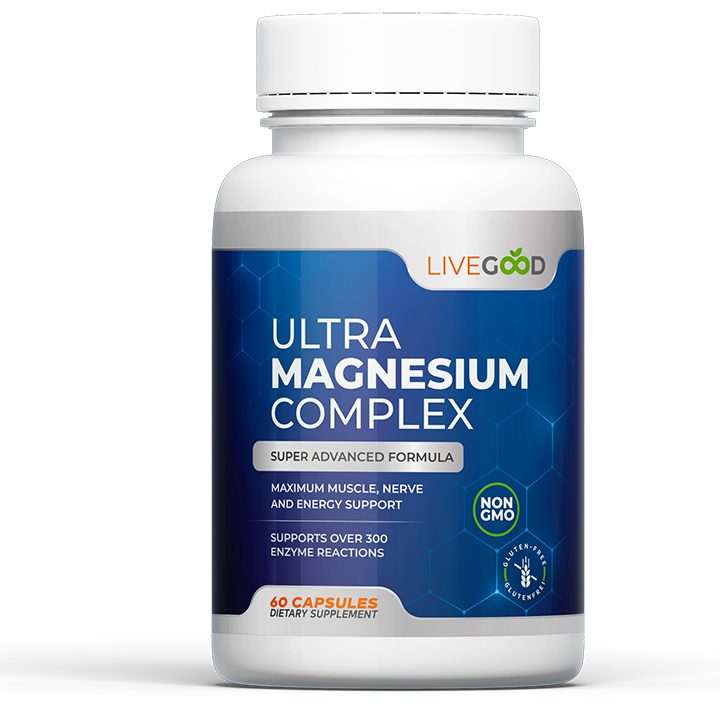
The Supplement Facts panel shows the elemental magnesium amount that counts toward your supplemental intake.
Adults should generally stay at or below the 350 mg per day upper limit for magnesium from supplements and medications unless a doctor recommends a different amount. This limit does not include magnesium naturally present in food. It exists mainly because higher supplemental intake raises the likelihood of diarrhea, nausea, and abdominal cramping.
Follow the product's label directions rather than increasing the serving to match another product or a research dose. Add up magnesium from multivitamins, electrolyte powders, antacids, laxatives, and stand-alone supplements. Several moderate amounts can quietly push your total above the 350 mg per day supplemental upper limit.
Your total need also depends on the magnesium in your diet, but more is not automatically better. A routine you tolerate and follow consistently is more practical than a high amount that causes digestive problems.
LiveGood's number one seller, Ultra Magnesium Complex, is formulated with the two most bioavailable forms named on its product page, magnesium glycinate and magnesium gluconate. Magnesium is involved in over 300 biochemical reactions in the body every day, and most people are not getting enough, even on a balanced diet. Follow the label rather than chasing a higher dose. It costs $9.95 for members versus $19.95 retail, reflecting "Highest Quality. Lowest Prices. Every Day."
Frequently Asked Questions
Is Ultra Magnesium the same as magnesium glycinate?
No, Ultra Magnesium Complex is not the same as magnesium glycinate. It is a blended product containing magnesium glycinate and magnesium gluconate. Magnesium glycinate describes one specific magnesium compound. The complex gives you magnesium from two forms, while a single-form glycinate supplement generally supplies magnesium from glycinate alone.
Does Ultra Magnesium contain glycinate?
Yes, Ultra Magnesium Complex contains magnesium glycinate. It also contains magnesium gluconate, which is why the product is described as a complex rather than a glycinate-only supplement. Check the current Supplement Facts panel for the serving size and elemental magnesium amount, since that number tells you how much actual magnesium one serving supplies.
Is a magnesium complex better than magnesium glycinate?
No, a magnesium complex is not automatically better than magnesium glycinate. A blend offers multiple forms in one product, while glycinate alone provides a simpler option that many people tolerate well. Compare elemental magnesium, label directions, digestive comfort, other ingredients, and cost. Direct evidence proving that two-form blends outperform glycinate alone is limited.
Which magnesium is best for sleep?
Magnesium glycinate is commonly chosen for sleep, but research has not established one magnesium form as the best for everyone. It tends to be gentle on digestion, and magnesium supports normal nerve and muscle function. Sleep benefits are not guaranteed, especially if your magnesium intake is already adequate. Persistent sleep problems deserve a conversation with your doctor.
Does magnesium cause diarrhea?
Yes, supplemental magnesium can cause diarrhea, particularly at higher amounts or with forms that draw water into the intestines. Glycinate is often gentler than citrate or oxide, but it can still affect digestion. Follow the label and remember that the adult supplemental upper limit is 350 mg per day. Talk to your doctor if symptoms continue or you have a medical condition.