
CBD Forms Compared: Oil, Capsule, Topical
 Written by Ben Glinsky
Ask AI about this article and CBD Pain Relief Cream





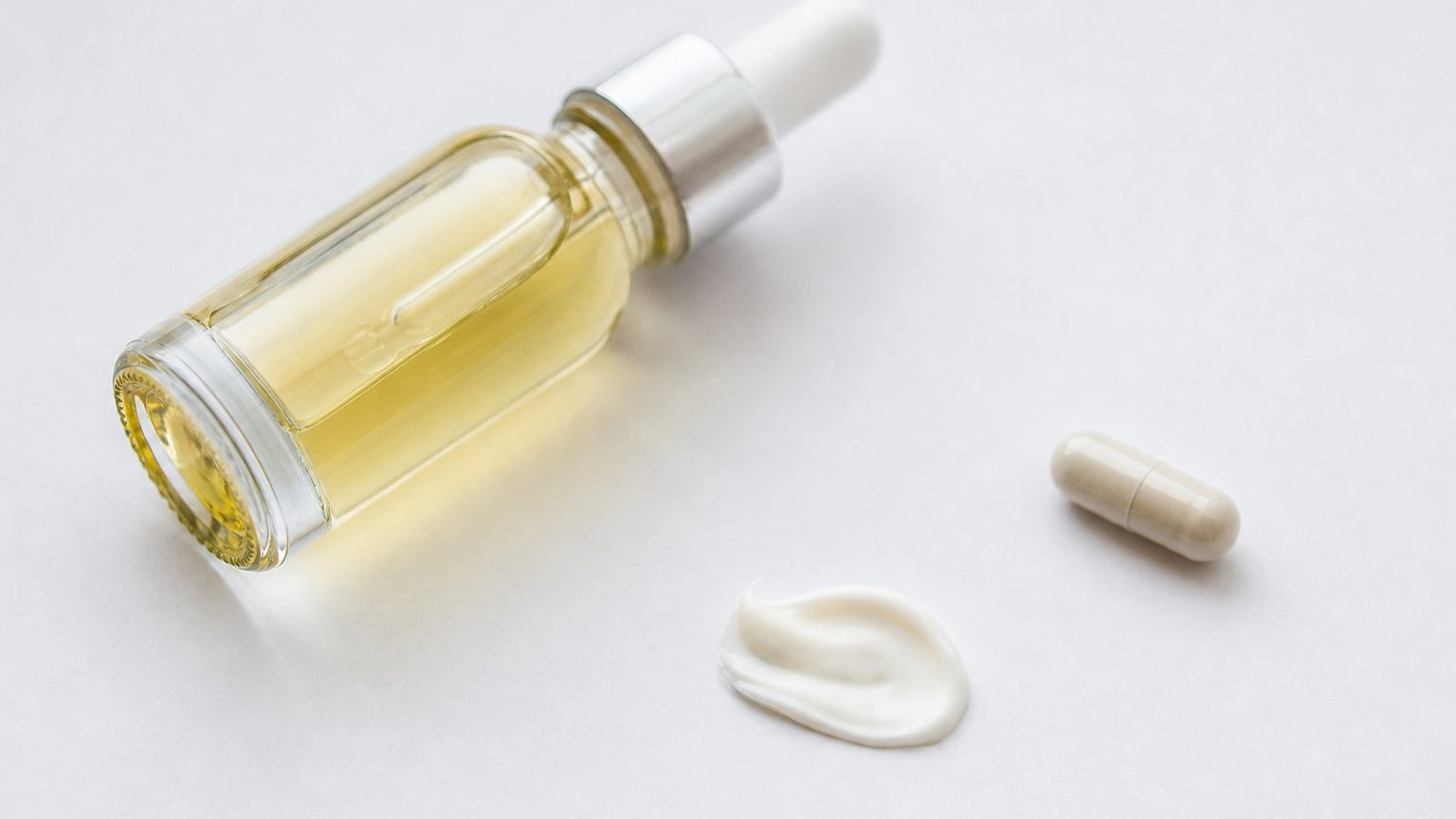
The best CBD form depends on where you want it to go and how quickly you want it available. Oils offer flexible, relatively fast systemic use, capsules are slower but convenient, and topicals stay local rather than meaningfully entering your bloodstream. Here is how onset, absorption, duration, and product quality should shape your choice.
Key Takeaways
- Choose by destination: Oils and capsules circulate through the body, while ordinary topicals mostly remain where you apply them.
- Expect different timelines: Oil may be noticeable sooner, while capsules and edibles must pass through digestion first.
- Do not confuse form with quality: A dropper, capsule, or cream can still be inaccurately labeled or poorly manufactured.
- Check for THC: Full-spectrum CBD contains trace THC, which creates a genuine drug-testing concern.
- Ask about interactions: CBD can affect how the body processes many prescription medications.
What Actually Differs Between Formats
CBD form is mainly a delivery question. It determines how CBD enters your body, how much reaches your circulation, how quickly that happens, and whether exposure is local or systemic. Systemic means a substance enters the bloodstream and can circulate throughout the body. Local means it mostly remains near the application area.
| Format | Typical onset | Bloodstream exposure | Typical duration | Primary reach |
|---|---|---|---|---|
| Oil held under the tongue | About 15-60 minutes | Variable | About 4-6 hours | Systemic |
| Swallowed oil | About 30-120 minutes | Low and variable | About 4-6 hours | Systemic |
| Capsule or edible | About 1-3 hours | Low and variable | About 6-8 hours | Systemic |
| Cream or balm | About 15-60 minutes at the skin | Not meaningful with ordinary topicals | Several hours, depending on formula | Local |
These are broad planning ranges, not promises. Research on over-the-counter CBD products is still developing, and studies use different formulas, amounts, meals, and measurement methods. Your digestion and the product itself can also change the timeline.
Bioavailability is the share of an ingredient that reaches circulation. Swallowed CBD has relatively low bioavailability because it passes through digestion and the liver before circulating. This process is called first-pass metabolism. Oil held beneath the tongue may allow some CBD to cross the thin tissue there, but much of the serving is usually swallowed.

CBD delivery formats differ most in how quickly they act and whether they produce local or systemic exposure.
Duration is equally uncertain. A longer-lasting format does not automatically produce a stronger or more useful experience. It only means the body may process it over a longer window.
Oils and Tinctures
CBD oils are liquid extracts mixed with a carrier oil, often MCT oil. The word tincture traditionally refers to an alcohol-based extract, although many brands use oil and tincture interchangeably. Both typically come with a dropper.
Oil is the most flexible systemic format. When held under the tongue before swallowing, part of the CBD may be absorbed through the mouth. This is called sublingual or under-the-tongue use. That route can begin sooner than a capsule because it does not rely entirely on digestion. However, the advantage is easy to overstate. Some of the liquid will still be swallowed, and absorption varies widely between people and products.

CBD oil offers a flexible liquid format, although absorption varies depending on how it is used.
Oil also lets you follow serving sizes that are not limited by a prefilled capsule. That flexibility requires careful label reading. Check the CBD amount per serving, not just the total CBD in the bottle. A bottle containing 1,500 mg does not provide 1,500 mg in each dropper. Our guide to reading CBD oil labels explains how to separate bottle totals from serving amounts.
Food can substantially change oral CBD absorption, particularly meals high in fat. That makes consistency useful. Follow the product directions and take it under similar conditions each time rather than repeatedly changing the timing or serving.
Oil may suit you if you want systemic exposure, prefer a liquid, or want an option that generally begins sooner than a capsule. It may not suit you if you dislike the taste, need a spill-proof format, or want the simplicity of a fixed serving.
Capsules and Edibles
Capsules and edibles are swallowed, so they take the digestive route. The capsule shell must break down, and CBD then passes through the stomach, intestines, and liver before reaching circulation. That makes the onset slower than sublingual oil for many people, often around one to three hours.
The tradeoff is convenience. A capsule has a premeasured serving, travels easily, and avoids the natural flavor of hemp extracts. It also fits naturally into a routine. Gummies offer similar convenience, although their sugar, flavoring, and serving size vary. Neither format is automatically higher quality than an oil.
Capsules provide a premeasured serving but must pass through digestion before CBD reaches circulation.
Only a limited and variable share of swallowed CBD reaches the bloodstream. Digestion, liver metabolism, meal composition, and individual biology all affect that share. This does not necessarily mean capsules are weaker. A capsule can contain a different amount than an oil serving, and the experience depends on both exposure and personal response. You cannot compare strength from format alone.
Capsules and edibles may remain in the body longer than sublingual oil because digestion releases their contents gradually. A practical estimate is roughly six to eight hours, but there is no universal duration. Avoid taking more simply because nothing feels different right away. Delayed onset makes it easy to misjudge timing. Follow the label rather than stacking servings.
Choose a capsule when predictable packaging, portability, and routine matter more than speed. Choose an edible only after checking its CBD amount, added ingredients, and laboratory report. Convenience cannot compensate for unclear labeling or missing quality documentation.
Topicals Act Locally
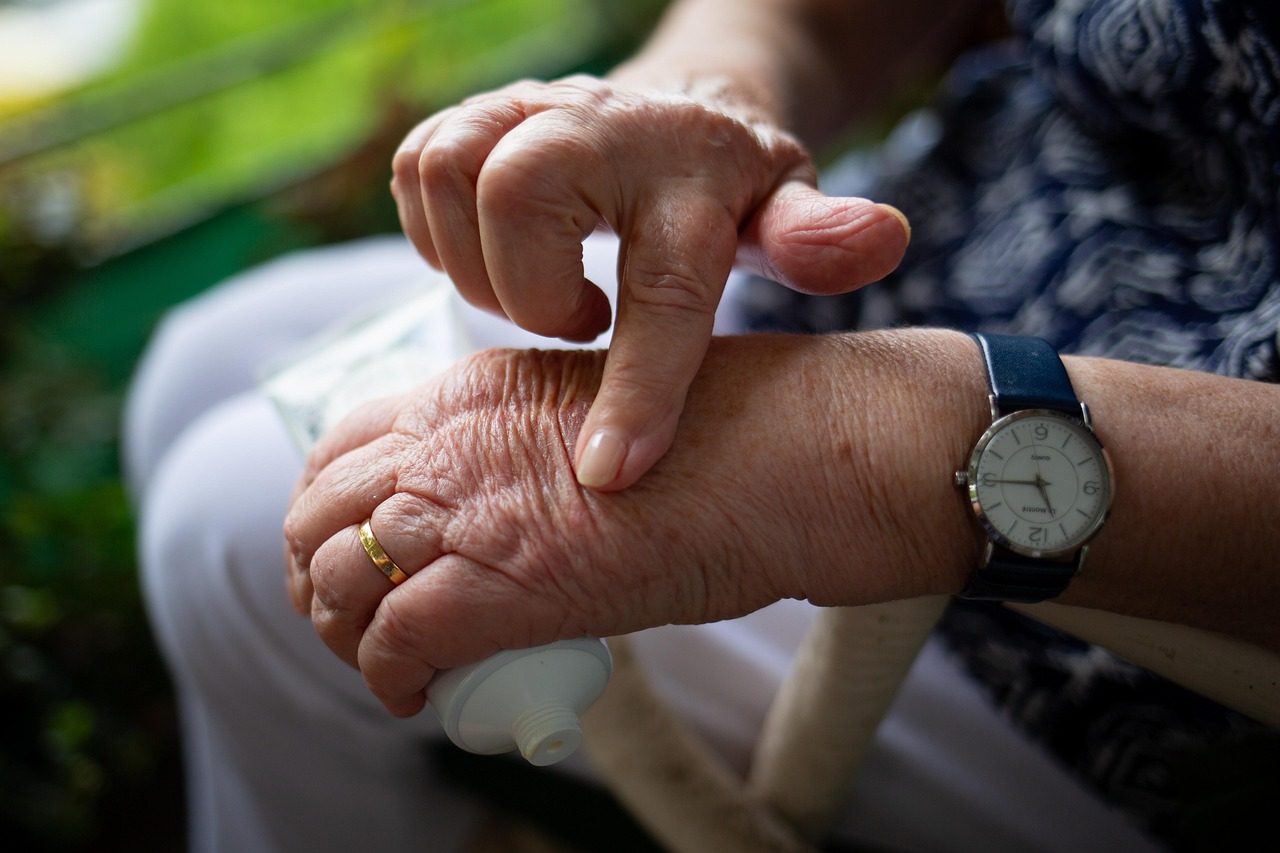
Topicals include creams, balms, lotions, roll-ons, and salves applied to the skin. Unlike oil or capsules, an ordinary CBD topical is designed for local use. CBD generally remains in the skin and nearby tissue rather than meaningfully entering circulation. That single difference answers much of the format question.
If your goal is application to one specific area, a topical is the logical format. If you want CBD circulating throughout your body, a cream is not an interchangeable substitute for oil or a capsule. Applying more cream does not reliably turn it into a systemic product.

Ordinary CBD creams and balms are local topicals, not systemic delivery formats.
Do not confuse a topical with a transdermal product. Transdermal means engineered to carry an ingredient through the skin and into the bloodstream, often with a specialized patch or penetration technology. Most creams and balms sold as CBD topicals are not proven transdermal delivery systems.
Timing also depends on the full formula. Menthol, camphor, peppermint, and similar ingredients create cooling or warming sensations at the skin. You may notice those sensations before anything attributable to CBD. A sensory response does not establish that CBD is treating a condition, and research on nonprescription topical CBD remains early.
People often look at topical CBD while building a comfort or recovery routine. Our article on CBD cream and practical topical use discusses application considerations without treating a cream as a replacement for medical care. Persistent, severe, or unexplained discomfort deserves evaluation by a health professional.
A topical is therefore best understood as a targeted application format. Its main advantage is location, not higher bloodstream absorption or proven superiority.
Choosing a Format Sensibly
Start with the destination. If you want to apply a product to one defined area, consider a topical. If you want systemic exposure, compare oil with capsules. Oil generally offers the earlier onset and more serving flexibility. Capsules offer simpler, slower, and potentially longer-lasting use.

A sensible CBD choice begins with the desired destination, timing, and level of convenience.
Then check the product itself:
- Read the CBD amount per serving. Do not rely on large numbers printed on the front of the package.
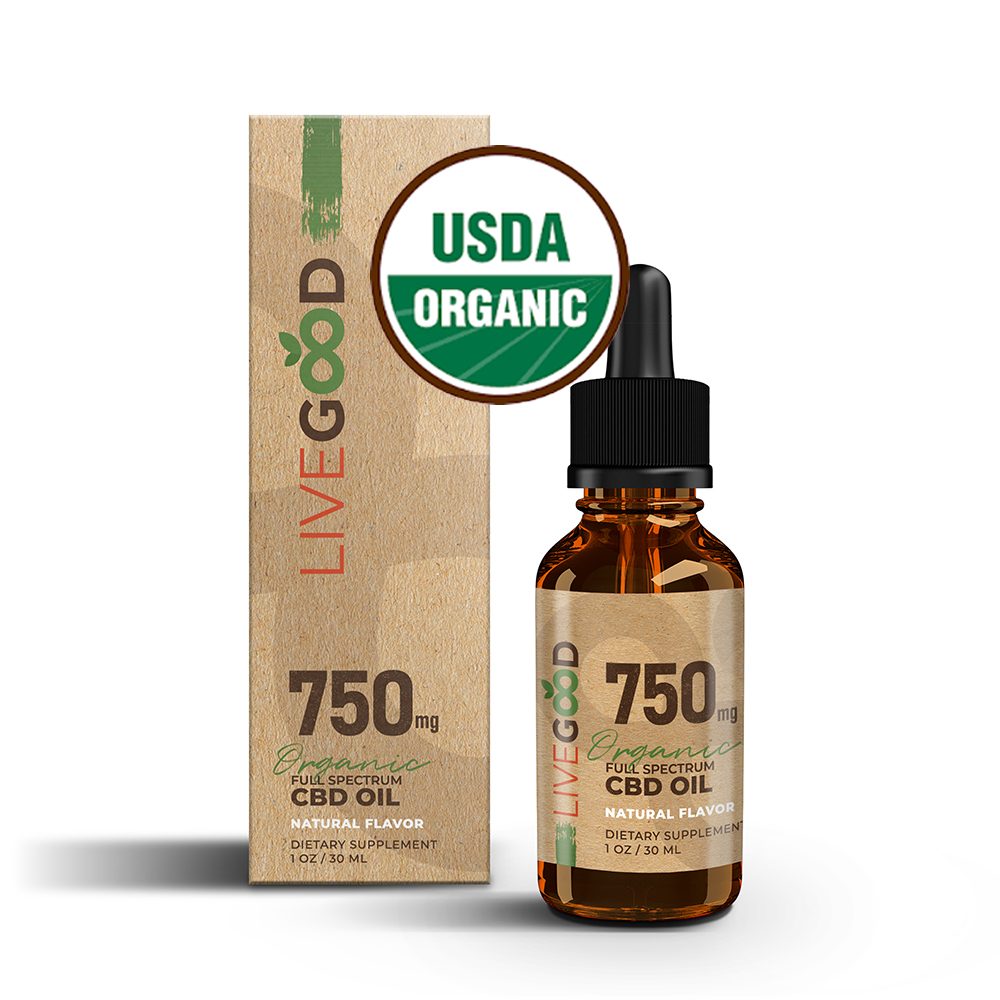
- Look for a recent third-party certificate of analysis, often shortened to COA. It should match the product's batch number and show cannabinoid content plus contaminant screening.
- Compare the COA with the label. Independent testing has repeatedly found CBD and THC amounts that differ from package claims.
- Identify the spectrum. Full-spectrum products contain multiple hemp compounds and trace THC. Broad-spectrum products are intended to remove THC, while isolate is purified CBD. No category guarantees zero drug-test risk.
- Avoid products promising to treat pain, anxiety, arthritis, inflammation, insomnia, or other conditions. Those claims go beyond what over-the-counter CBD evidence and supplement rules support.
CBD can interact with many medications through CYP450 enzymes. These liver enzymes help process drugs, and CBD may change how quickly that processing occurs. If you take prescription medication, ask your doctor or pharmacist before using CBD. Talk to your doctor first if you are pregnant, breastfeeding, have a liver or kidney condition, or have another existing medical condition.
Epidiolex is the one FDA-approved prescription CBD medicine. Its approval for specific seizure disorders does not establish the effectiveness, purity, or safety of retail CBD supplements.
A matching batch-specific COA helps you verify cannabinoid content and contaminant screening before purchase.
No format makes uncertain evidence certain. Choose based on delivery mechanics, verify the label, and favor consistency over quick-fix promises.
If a local application fits your goal, LiveGood CBD Pain Relief Cream offers a practical full 4-ounce format. It is scientifically formulated for synergy among organic aloe vera, menthol, camphor, peppermint, wintergreen, arnica, calendula, and nano CBD/CBG. Apply it only as the label directs to support a soothing topical routine. A container can last for months, depending on use. It is $17.95 for members versus $24.95 retail, helping make wellness access less of a luxury.
Frequently Asked Questions
Which form of CBD is best?
The best CBD form is the one that matches your intended destination and timing. Choose a topical for application to one area, oil for relatively fast and flexible systemic use, or a capsule for convenience and a slower, potentially longer window. No format has been proven universally most effective, and none should be presented as a treatment for a medical condition.
How long does each CBD format take to work?
CBD oil held under the tongue may begin within about 15-60 minutes, while swallowed oil often takes 30-120 minutes. Capsules and edibles may take one to three hours because they pass through digestion. A topical's skin-level sensations may begin within 15-60 minutes. These ranges vary by formula, meal timing, metabolism, and individual response.
Does topical CBD reach the bloodstream?
Ordinary topical CBD does not meaningfully reach the bloodstream under typical use. It mostly remains in the skin and nearby area, making it a local rather than systemic format. Specially engineered transdermal products are different because they are designed to cross the skin barrier. Do not assume a cream is transdermal unless the manufacturer provides appropriate evidence.
Are CBD capsules weaker than oil?
CBD capsules are not automatically weaker than CBD oil, but swallowed CBD generally has low and variable absorption. Capsules take longer to reach circulation because they pass through digestion and the liver. Oil held under the tongue may begin sooner, although much of it is also swallowed. Compare the labeled serving, COA, and product quality rather than judging strength by format alone.
Which format lasts longest?
Capsules and edibles generally have the longest systemic window, often estimated at six to eight hours, because digestion releases their contents gradually. Oils may last roughly four to six hours. Topical duration depends heavily on the formula and application. These are planning estimates, not guaranteed timelines, and taking more does not ensure a longer or better result.