
How to Pick a Greens Powder
 Written by Nauder Khazan
Ask AI about this article and Organic Super Greens





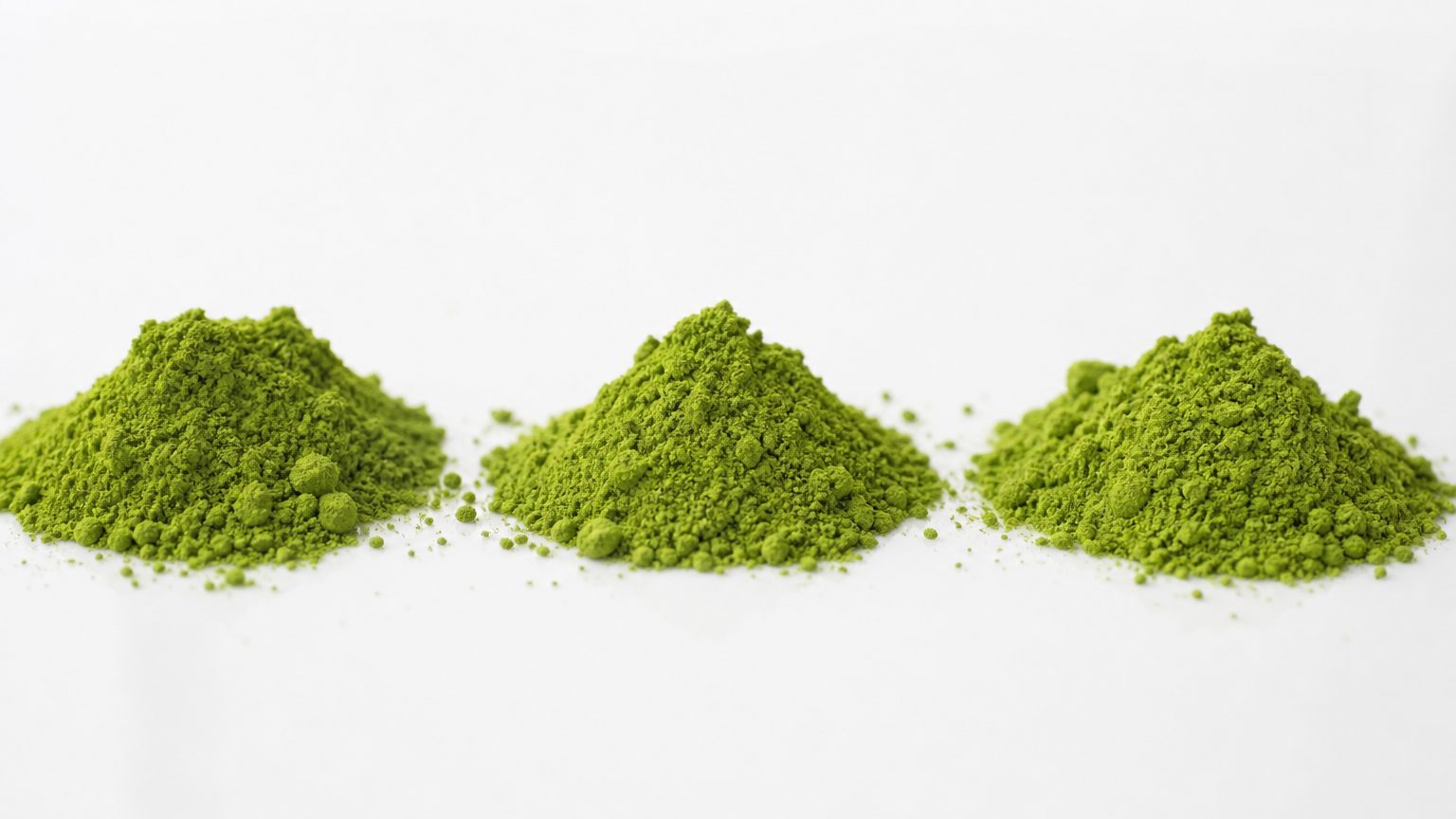
The best greens powder is the one with transparent amounts, a meaningful serving, credible quality testing, a taste you will use consistently, and a reasonable cost per serving. No single formula wins for everyone, but this method helps you compare labels without relying on rankings that may become outdated after the next reformulation.
Key Takeaways
- Start with transparent amounts: Favor labels that tell you how much you are getting instead of hiding every ingredient inside one proprietary blend.
- Check the actual serving: A long ingredient list means little if most ingredients appear only in tiny amounts.
- Ask about heavy-metal testing: Look for testing that covers lead, cadmium, arsenic, and mercury, ideally with recent lot-specific results.
- Choose a usable flavor: Review sweeteners, added sugar, sugar alcohols, and serving directions before committing to a daily product.
- Compare cost per serving: Container price can be misleading, especially when scoop sizes and serving counts differ.
Why There Is No Single Best
People often ask which greens powder is best as if there should be one universal winner. There is not. Your best choice depends on why you want a powder, what is already in your diet, which ingredients you tolerate, and what you can afford to use consistently.
One person may want a simple blend of dried vegetables and grasses. Another may prefer added vitamins, minerals, probiotics, or digestive enzymes. Someone sensitive to stevia might choose an unsweetened formula, while another person may need a flavored powder to make daily use realistic. Neither choice is automatically better.
Greens powders also change. Companies revise formulas, switch suppliers, alter scoop sizes, or adjust serving counts. That is why a selection method is more useful than a numbered ranking. Read the current label every time you buy, even if you have used the product before.
Keep expectations grounded. A greens powder can support your nutrient intake, but it does not recreate a plate of vegetables. Whole vegetables provide water, substantial fiber, varied plant compounds, and the physical volume that helps make meals satisfying. A powder is better viewed as a convenient addition to a balanced diet, not permission to skip produce.
Your health history matters too. Some formulas contain concentrated nutrients, herbs, caffeine, or vitamin K. Talk to your doctor before using one if you take prescription medication, are pregnant or breastfeeding, have kidney or liver conditions, or manage another existing medical condition. The best product for you must be both practical and appropriate for your needs.
Disclosed Amounts Over Blends
Turn the container around before being impressed by the front. The Supplement Facts panel and ingredient list tell you far more than phrases such as "superfood complex" or "daily vitality blend."
A proprietary blend is a group of ingredients listed under one combined weight. The label may name everything in the blend without showing the amount of each item. Ingredients generally appear in descending order by weight within that blend, but you still cannot tell whether the last several ingredients contribute meaningful quantities.
That does not make every proprietary blend poor. It simply makes the formula harder to evaluate. A blend containing 20 plants might provide a reasonable amount of the first few and only traces of the rest. If two products have similar prices, the one with clearer amounts gives you more information for your decision.
Start by checking these label details:
- The amount of the full greens blend per serving
- Individual quantities for highlighted ingredients
- Listed vitamins and minerals, including their Daily Value percentages
- Added probiotics, including the number of live organisms expected through expiration
- Added enzymes, herbs, mushrooms, caffeine, or other active ingredients
- Allergens and facility statements that apply to you
Also separate food ingredients from marketing language. Spinach, kale, broccoli, alfalfa grass, spirulina, and chlorella are identifiable ingredients. Words such as "detox," "cleanse," or "metabolism" do not reveal what is actually in the scoop and should not drive your choice.
If you want more help decoding common label components, see what ingredients are in super greens. Transparency does not guarantee that a product will produce a noticeable effect, but it lets you make a better-informed comparison.
A Real Dose Versus a Sprinkle
A long ingredient list can look impressive while providing very little of each ingredient. This is sometimes called label dressing, meaning an ingredient may be included mainly so its name can appear on the package. The label can be technically accurate even when the amount is too small to contribute much nutritionally.
There is no universal minimum scoop size for greens powders. Formulas differ in concentration, moisture, added vitamins, flavoring, and other ingredients. Still, basic arithmetic can reveal a lot. If a 4-gram serving contains 35 greens, fruits, mushrooms, enzymes, and herbs, there is not much room for meaningful amounts of every item. Four grams is less than a teaspoon of water by weight.
Look at the total blend weight first. Then compare it with the number and type of ingredients. If the company emphasizes a specific ingredient, check whether its individual amount is disclosed. Be cautious about assuming that a tiny sprinkle of many plants is more useful than a straightforward serving of fewer ingredients.
The nutrition panel adds context. Check whether the powder provides measurable fiber, vitamins, or minerals. Low numbers do not necessarily make it worthless because plant powders can contain compounds that are not assigned a Daily Value. However, a product promoted as a major source of nutrition should show what it contributes.
Flavor ingredients count toward scoop weight too. Cocoa, fruit powder, natural flavors, gums, sugar, and sugar alcohols can make a product easier to drink, but they leave less room for greens. Stevia and monk fruit provide sweetness in very small amounts. Sugar alcohols may cause gas or loose stools for some people. The right formula is one with a credible dose and a flavor you can comfortably follow according to the label directions.
LiveGood Organic Super Greens is a USDA certified organic greens powder formulated to help fill nutrient gaps that your usual diet may not cover, serving as "a safety net for your health." Mix one delicious scoop into water or a smoothie each day, following the label directions. It is available for $19.95 for members or $34.95 retail, giving you a practical option for consistent daily nutritional support.
Testing and Heavy Metals
Heavy metals are a legitimate concern with plant-based powders. Lead, cadmium, arsenic, and mercury occur naturally in soil, water, and air. Plants can absorb them as they grow, and drying plants into powder can concentrate both nutrients and unwanted contaminants. This does not mean every plant powder is unsafe. It means responsible sourcing and finished-product testing matter.
Look for a company that tests the finished powder, not only its raw ingredients. Finished-product testing checks the formula after ingredients have been combined and manufactured. Ideally, the company should be able to provide a recent certificate of analysis, often shortened to COA. A COA is a laboratory report showing what was tested and the result for a particular batch or lot.
When reviewing testing information, ask:
- Does testing include lead, cadmium, arsenic, and mercury?
- Is the finished product tested?
- Is the laboratory independent from the manufacturer?
- Can the result be connected to the lot number on the container?
- Are microbial contaminants such as Salmonella, E. coli, yeast, and mold also checked?
The phrase "third-party tested" is useful only when you know what the outside laboratory tested. It might refer to identity, microbes, heavy metals, label accuracy, or just one part of that list. Certification seals can add confidence, but different programs have different standards and scopes.
USDA organic certification answers a different question. It addresses how agricultural ingredients are grown and handled under organic rules. It does not, by itself, prove that every batch has passed a particular heavy-metal limit. Organic certification and contaminant testing are separate quality checks.
No plant-based company can honestly promise that natural elements are absent at an infinitely small level. What matters is whether testing uses suitable methods and whether results fall within applicable safety specifications. If a company makes broad purity claims but will not explain its testing, keep looking.
Cost Per Serving
The price on the container is not the best way to compare greens powders. Divide the purchase price by the number of servings. A $30 container with 20 servings costs $1.50 per serving. A $40 container with 40 servings costs $1.00 per serving, so the more expensive container is actually less costly to use each day.
Then check whether the stated serving is realistic. Some labels create a low cost by defining a very small scoop. Others suggest using one or two scoops, which can double the daily expense. Compare cost per label serving alongside the grams of greens blend you receive. Price without dose is incomplete information.
Subscriptions and memberships can reduce the cost, but read the terms. Check shipping charges, renewal timing, cancellation rules, and whether the discounted price applies only to the first order. A bargain is not useful if the product does not fit your budget for continued use.
Taste has an economic cost too. An inexpensive tub that sits untouched in your cabinet has poor value. If possible, start with a single container before buying several months at once. Mixability, sweetness, texture, and digestive comfort are hard to judge from an ingredient list.
Do not assume that the highest price reflects the highest ingredient quality. Packaging, advertising, celebrity partnerships, retail markups, and shipping can all affect price. At LiveGood, the mission is to "Provide the highest quality supplements in the world, at the lowest prices possible." The membership model is intended to improve access because wellness should not be a luxury.
Your final comparison should include transparent amounts, serving weight, testing, taste, and cost per serving. If a product performs well in all five areas and fits your routine, it is a stronger choice than a trendy powder that wins mainly on marketing.
Frequently Asked Questions
Which greens powder is best?
The best greens powder is one that discloses useful ingredient amounts, provides a credible serving, verifies quality testing, suits your taste, and fits your budget. There is no universal winner because formulas and personal needs differ. Use the current label rather than a brand ranking, and remember that a greens powder supports a balanced diet rather than replacing vegetables.
What should you look for in a greens powder?
Look for transparent ingredient quantities, a meaningful total blend weight, clear serving directions, and testing for heavy metals and microbes. Review sweeteners, allergens, added vitamins, herbs, probiotics, caffeine, and other ingredients that may matter to you. Finally, calculate the daily cost and choose a flavor you can use consistently without exceeding the label directions.
Are greens powders tested for heavy metals?
Some greens powders are tested for heavy metals, but the scope and quality of testing vary by company. Ask whether an independent laboratory checks the finished product for lead, cadmium, arsenic, and mercury. A recent lot-specific certificate of analysis provides more useful detail than a general "tested for purity" statement with no explanation.
Is a bigger ingredient list better?
No, a bigger ingredient list is not automatically better. A small serving divided among dozens of plants, herbs, mushrooms, and enzymes may provide only tiny amounts of many ingredients. Focus on the total serving weight and disclosed quantities. A simpler formula with meaningful amounts can be easier to evaluate than a long proprietary blend.
How much should a greens powder cost?
There is no required price, so compare products by cost per serving rather than container price. Also consider serving weight, ingredient transparency, testing, shipping, and any membership or subscription terms. A lower daily cost offers good value only if the formula provides a credible amount and is pleasant enough for you to use regularly.