
What Greens Powder Actually Does For You
 Written by Ben Glinsky
Ask AI about this article and Organic Super Greens





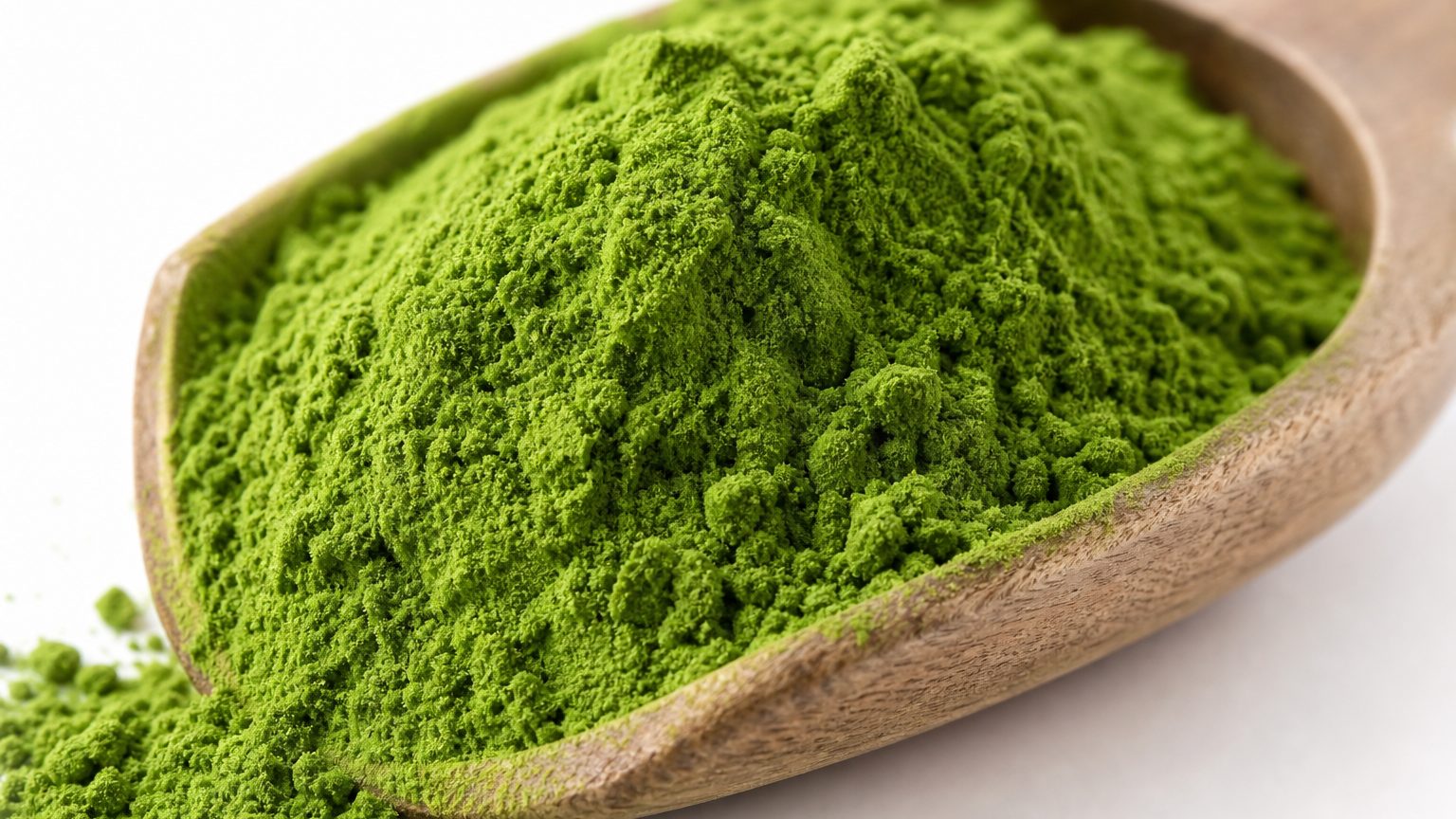
Greens powder can help top up vitamins, minerals, and plant compounds when your usual diet falls short. That is its clearest benefit. Other promises, especially energy, detox, and alkalising claims, need much more careful grading.
Key Takeaways
- Micronutrient top-up: A well-labeled greens powder can help cover modest gaps in vitamins and minerals.
- Plant compounds: Polyphenol intake is plausible, but amounts and real-world effects are often uncertain.
- Energy explanations: A noticeable lift usually comes from caffeine or correcting a nutrient shortfall, not from greens themselves.
- Unsupported promises: Greens powders do not detox your body or make your blood more alkaline.
- Food still comes first: Powder cannot replace the fiber, volume, variety, and satisfaction of whole produce.
What Is Well Supported
The strongest case for greens powder is simple: it can add micronutrients to your day. Micronutrients are vitamins and minerals that your body needs in relatively small amounts. Depending on the formula, a serving may provide vitamin C, vitamin K, folate, iron, or other nutrients.
That does not mean every greens powder provides the same nutrition. Some are mostly dried vegetables, grasses, algae, and herbs. Others contain added vitamins and minerals. Check the Supplement Facts panel rather than assuming the front-label ingredient list tells the full story. Our breakdown of what ingredients are in super greens can help you interpret common formulas.
| Claim | Evidence grade | Practical meaning |
|---|---|---|
| Micronutrient top-up | Well supported | The label can confirm which vitamins and minerals a serving adds. |
| More plant compounds | Plausible | Greens contain polyphenols, but finished-powder amounts are rarely clear. |
| More energy | Formula-dependent | Look for caffeine, B vitamins, iron, and serving amounts. |
| Detox or alkalising | No basis | Normal organs and tightly regulated body systems already handle these jobs. |
A powder still does not equal a plate of vegetables. Whole produce supplies water, chewing volume, and often substantially more fiber. It also gives you a broader mix of foods across the week. Think of greens powder as backup for imperfect days, not permission to stop buying vegetables.
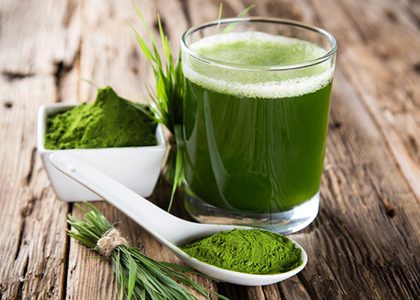
A greens powder can contribute labeled micronutrients, but it does not replace the broader benefits of whole vegetables.
What Is Plausible But Unproven
Greens, fruits, herbs, tea, algae, and similar ingredients may contain polyphenols. Polyphenols are plant compounds that interact with the body in many ways. Eating a wide variety of polyphenol-rich foods is a sensible part of a balanced diet, so getting some through a greens powder is plausible.
The uncertainty begins when broad food research is applied to a specific scoop. Drying, grinding, storage, and extraction can change the amount of a compound that remains. A long ingredient list also tells you very little about the dose of each ingredient. If the label lists a proprietary blend without individual amounts, you cannot know whether the serving contains a meaningful quantity of any one plant.
Research on finished greens blends is limited. Small studies sometimes report changes in nutrient status or laboratory markers, but one formula cannot validate every other powder. These products may contain different plants, vitamins, sweeteners, enzymes, probiotics, and stimulants. Results also do not prove that users will feel a noticeable difference.
Claims about digestion, skin appearance, workout recovery, or general well-being should therefore be treated as possibilities, not dependable outcomes. A powder containing fiber or probiotics may support digestive regularity, but only if it supplies useful amounts and suits the person taking it. Many greens powders contain little fiber compared with beans, berries, vegetables, or whole grains.
The honest takeaway is that plant-compound intake is reasonable to expect. A specific visible or physical benefit is much harder to promise.
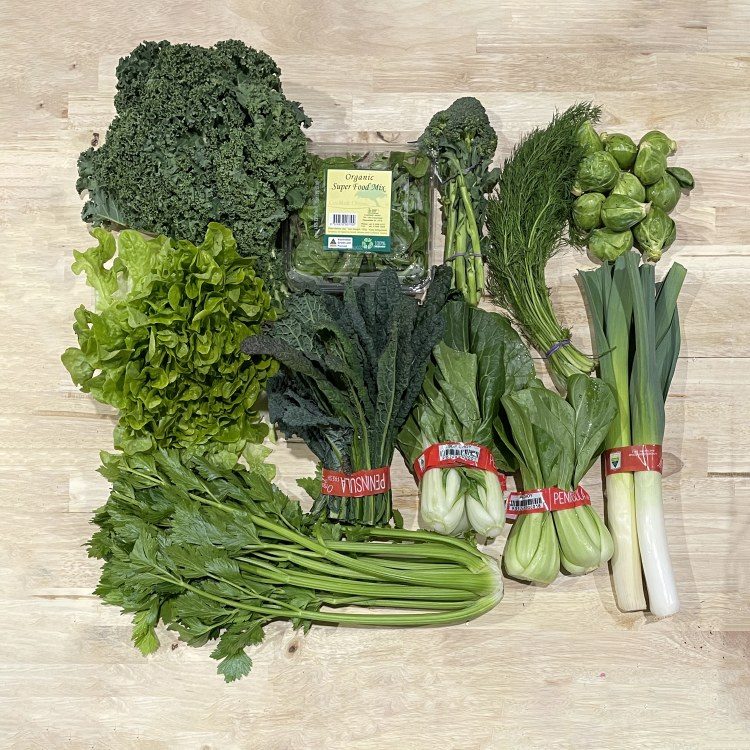
Plant ingredients may provide polyphenols, although the amount in a finished greens blend is often uncertain.
Where Energy Claims Come From
Greens themselves are not stimulants. If a powder makes you feel more alert soon after drinking it, check whether the formula contains caffeine from green tea, matcha, guarana, yerba mate, or added caffeine. That ingredient is the most likely explanation for a fast, noticeable lift.
Caffeine can also bring unwanted effects, including jitters, a racing feeling, digestive discomfort, or disrupted sleep. Look for the amount per serving. Be cautious when a label names caffeine-containing plants but does not disclose total caffeine, especially if you also drink coffee, tea, or energy drinks.
B vitamins are another common reason brands talk about energy. These vitamins help your body release and use energy from food. That is not the same as providing a stimulant effect. If you already get enough B vitamins, taking more is unlikely to create extra energy. If your intake has been low, correcting that gap may help you feel more like yourself over time.
Iron follows a similar pattern. It plays a role in carrying oxygen, but taking extra iron is not a general energy strategy. Too much can be harmful, and tiredness has many possible causes. Do not use a greens powder to self-treat ongoing fatigue or increase the serving beyond label directions.
A serving with calories from carbohydrates could also provide a little fuel, although many greens powders contain very few calories. In short, read the formula. Fast energy usually points to caffeine. Nutritional support from B vitamins or iron matters mainly when there was a genuine shortfall.

A quick energy effect usually comes from caffeine in the formula rather than from green vegetables themselves.
Claims With No Basis
Greens powders do not detox your body. The word "detox" is often used without naming a toxin, measuring its removal, or explaining a credible process. Your liver, kidneys, lungs, and digestive system continuously process and remove waste. A green drink does not take over those functions or flush vague toxins from your organs.
This does not mean nutrition is irrelevant to normal body function. Your organs require adequate protein, vitamins, minerals, fluids, and calories. But supporting normal nutrition is very different from claiming that a supplement cleanses or detoxes the body. Be skeptical of before-and-after claims tied to short cleanses, bowel changes, sweating, or rapid shifts on the scale. Those observations do not demonstrate toxin removal.
Alkalising claims also lack a sound basis. Your blood stays within a narrow pH range through tightly controlled processes involving your lungs and kidneys. Food may change the pH of urine, but that does not mean it has meaningfully changed the pH of your blood. If a supplement could push blood pH outside its normal range, that would be dangerous rather than beneficial.
Greens powder is also not a proven weight-loss product. It may fit into a balanced eating routine, but a low-calorie scoop does not directly cause fat loss. Nor should a broad ingredient list be taken as proof of benefits for immunity, skin, stress, or any health condition.
The useful role is far less dramatic: convenient nutrition support when meals are inconsistent. That modest claim is still valuable because it can be checked against the label.

Greens powders support nutrient intake, but they do not detox the body or change blood pH.
Getting the Most From It
Start with the Supplement Facts panel. Compare the listed amounts with other supplements you take so you do not unintentionally double up on vitamins and minerals. More is not automatically better, particularly with nutrients that can build up in the body.
Then read the full ingredient list. Look for caffeine sources, sweeteners, allergens, herbs, probiotics, and large proprietary blends. If you want fiber, check the actual fiber grams. If you want a particular vitamin, confirm its amount and percentage of Daily Value. Do not judge a formula by the number of ingredients alone.
Follow the label directions. Morning is convenient for many people, especially in a smoothie, but there is no universal best time. If the product contains caffeine, avoid taking it close to bedtime. If it causes nausea or stomach discomfort, taking it with food may feel easier. Our guide to drinking super greens every day covers consistency and daily-use considerations.
Give your routine a fair test, but track practical outcomes. Ask whether the powder helps you maintain a more consistent breakfast or fills a clearly identified nutrient gap. Do not rely on vague expectations such as "feeling detoxed." Stop using it if you develop persistent digestive symptoms or another unwanted reaction.
Talk to your doctor before use if you take prescription medication, especially medication affected by vitamin K or stimulants. You should also ask your doctor if you are pregnant or breastfeeding, have kidney or liver conditions, or live with another existing medical condition. Supplements can interact with medications and may not suit every nutritional restriction.
Most importantly, keep eating whole fruits and vegetables. Use the powder as a repeatable safety net, not a quick fix.
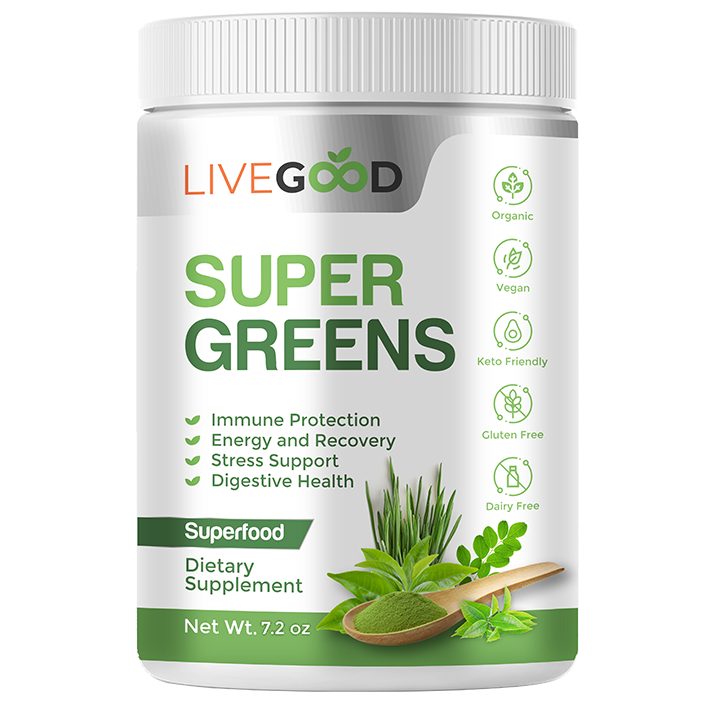
Reading the Supplement Facts panel helps you match a greens powder to your routine without doubling up on nutrients.
If you want a simple daily option, LiveGood Organic Super Greens is a USDA certified organic greens powder designed to help fill nutrient gaps, a practical 'safety net for your health.' Mix one delicious scoop a day in water or a smoothie, following the label. It is $19.95 for members versus $34.95 retail, helping keep daily wellness accessible because wellness should not be a luxury. That fits LiveGood's mission: "Provide the highest quality supplements in the world, at the lowest prices possible."
Frequently Asked Questions
What are the benefits of greens powder?
Greens powder can add vitamins, minerals, and plant compounds when your regular meals do not consistently provide them. The exact benefit depends on the label, serving size, and your usual diet. It is most useful as a convenient nutritional backup. It cannot replace the fiber, variety, water, or fullness you get from eating whole fruits and vegetables.
Do greens powders actually work?
Yes, greens powders work as a source of the nutrients listed on their labels, but broader wellness results are less certain. A product containing meaningful vitamin amounts can contribute to your daily intake. Evidence for noticeable effects involving digestion, skin, recovery, or general well-being is limited and formula-specific. No single study applies to every blend sold as super greens.
Do greens powders detox your body?
No, greens powders do not detox your body. Your liver, kidneys, lungs, and digestive system already process and remove waste through normal biological functions. Nutrition helps maintain those systems, but drinking a green powder has not been shown to flush unspecified toxins. Claims about cleanses, organ detoxification, or toxin removal should be treated as marketing rather than established science.
Will greens powder give you energy?
Greens powder may feel energizing if it contains caffeine, while B vitamins mainly help your body use energy from food. Extra B vitamins do not act like stimulants when your intake is already adequate. Correcting a genuine nutrient gap may make a difference over time, but a non-caffeinated greens powder should not be expected to produce an immediate surge.
Is greens powder worth the money?
Greens powder may be worth the money if it fills a clear nutrition gap and you can use it consistently without replacing whole produce. Compare its verified nutrient amounts, serving cost, caffeine content, and ingredient transparency. If you already eat a varied diet rich in fruits and vegetables, the added value may be small. Convenience is often the main benefit.