
Beetroot as a Pre-Workout: Dosage and Timing
 Written by Nauder Khazan
Ask AI about this article and Organic Super Reds





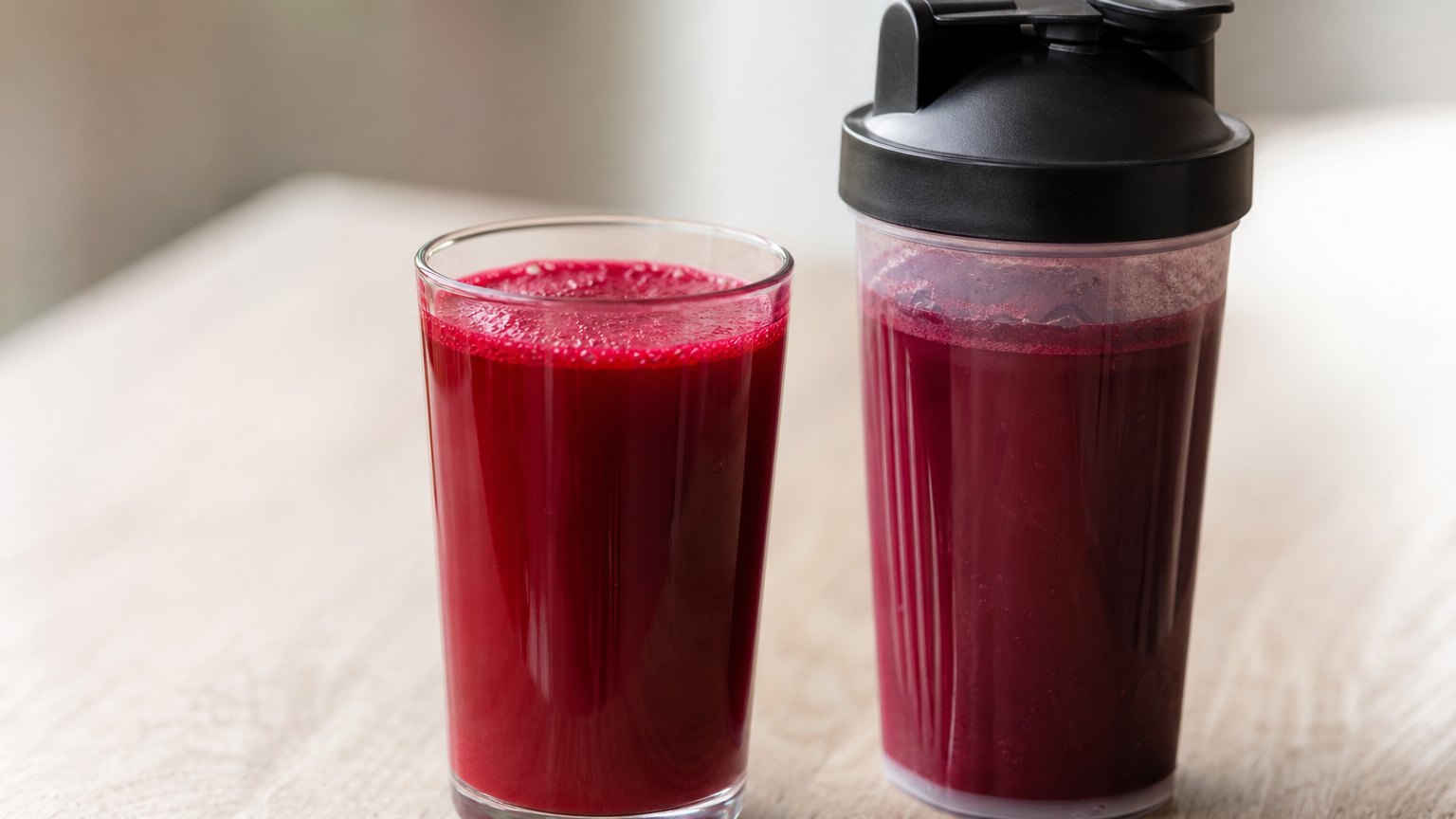
Beetroot can be a useful pre-workout when it supplies enough dietary nitrate. Research commonly uses roughly 6-8 mmol of nitrate, taken 2-3 hours before exercise, with several days of consistent use often working better than one serving. Here is how to translate those numbers into a practical routine.
Key Takeaways
- Target the nitrate amount: Research commonly uses about 6-8 mmol, or roughly 370-500 mg, of dietary nitrate.
- Allow two to three hours: Blood nitrite, which helps form nitric oxide, generally peaks during this window.
- Consider several daily servings: Loading for 3-6 days often produces more consistent results than one isolated dose.
- Protect your oral bacteria: Antibacterial mouthwash can interrupt the nitrate conversion process.
- Check the product label: Grams of beetroot powder do not tell you how much nitrate a serving provides.
Why Beetroot Works as a Pre-Workout
Beetroot contains dietary nitrate, a natural compound also found in leafy green vegetables. After you consume it, helpful bacteria in your mouth convert nitrate into nitrite. Your body then uses nitrite to make nitric oxide, a signaling molecule that helps blood vessels relax and supports blood flow.
That process may help your muscles use oxygen more efficiently during exercise. Research on beetroot suggests the clearest benefits are often seen during sustained, high-effort activities such as cycling, running, rowing, and repeated intervals. Some studies also report modest support for muscular endurance, such as completing additional repetitions before fatigue. Results are mixed, however, and beetroot does not guarantee a stronger workout.
You may notice a fuller muscle "pump" because nitric oxide supports circulation, but the feeling varies. Beetroot is not a stimulant, so it does not create the immediate alertness associated with caffeine. There is also no solid evidence that beetroot meaningfully boosts testosterone.
Beetroot and creatine serve different purposes. Nitrate mainly supports blood flow and exercise efficiency, while creatine supports rapid energy production during short, powerful efforts. One is not automatically better than the other. Your training style determines which is more relevant.
For sport-specific planning, see our guide to beetroot for runners.
Beetroot supplies dietary nitrate that the body can convert into nitric oxide to support blood flow during exercise.
How Much Nitrate: The Research Numbers
A practical research range is approximately 6-8 mmol of dietary nitrate before exercise. A millimole, abbreviated mmol, is a scientific unit used to count molecules. For nitrate, 6-8 mmol equals roughly 370-500 mg.
This is nitrate weight, not beetroot weight. A label that lists 5 grams of beetroot powder is not saying that it contains 5 grams of nitrate. The actual nitrate concentration depends on the beet variety, soil, harvest conditions, processing, and storage. Two powders with the same scoop size can supply very different amounts.
Look for a label that discloses dietary nitrate in milligrams or millimoles. If it does not, you cannot reliably calculate a research-level amount from the powder weight alone. Beet juice and homemade blends also vary unless they have been tested or standardized, meaning manufactured to provide a stated amount.
Research protocols differ. Some use about 5 mmol, while others use 8 mmol or more. Taking a larger amount does not guarantee a larger effect, and higher servings may increase stomach discomfort. Treat these figures as research context rather than personalized dosing instructions. Follow the product's label instead of adding scoops solely to match a study.
Start by confirming what one labeled serving provides. Then use the serving consistently across comparable workouts. Sleep, hydration, food, and training intensity can easily hide a small benefit, so avoid judging the result from one unusually good or bad session.

Checking disclosed nitrate content is more useful than comparing beetroot powder scoop sizes.
Timing: Two to Three Hours Before
Take a nitrate-containing beetroot product about 2-3 hours before training, following its label directions. That schedule matters because nitrate must pass through several conversion steps before nitric oxide becomes available.
After you swallow beetroot, nitrate enters your bloodstream and is recirculated into your saliva. Oral bacteria change it into nitrite. You swallow that nitrite, and your body can then use it to form nitric oxide. Plasma nitrite, meaning nitrite circulating in the liquid portion of your blood, generally reaches its highest level about 2-3 hours after a serving.
Taking beetroot 20 or 30 minutes before exercise may be too late for the full nitrate pathway. It can still contribute to your daily intake, but the timing does not line up well with the typical nitrite peak. If you train at 6 p.m., for example, a labeled serving around 3-4 p.m. is a sensible starting point.
Beetroot does not usually create a noticeable rush. Track repeatable measures such as pace at a set effort, interval consistency, or repetitions completed with the same load. Compare several similar workouts rather than relying on how energized you feel.
Digestion and product form may shift the timeline slightly. For a closer look at juice, powder, and capsule timing, visit how long beetroot powder takes to work.

Planning a beetroot serving two to three hours before training better matches the typical nitrite peak.
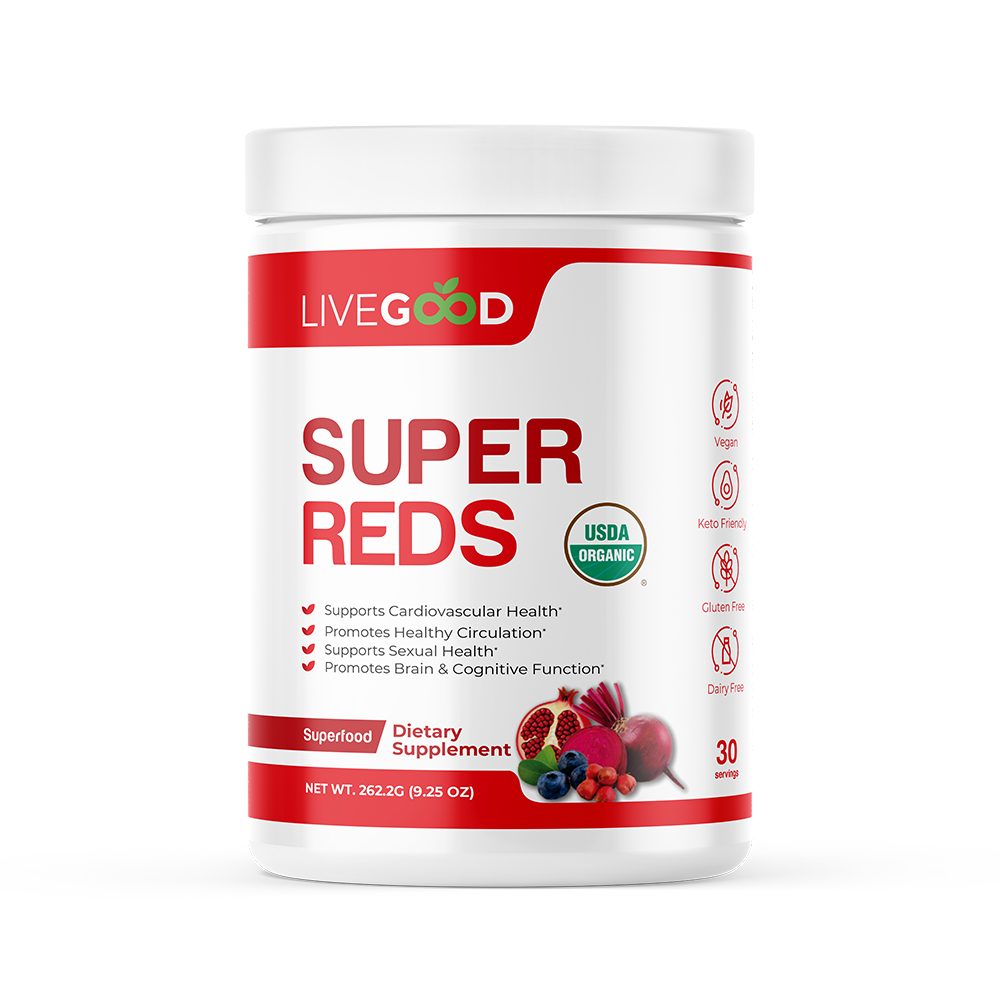
For a convenient option, LiveGood Organic Super Reds is a great-tasting red fruit and vegetable extract powder that supports the body's production of nitric oxide and healthy blood circulation. Mix it with water or a smoothie according to label directions, either before training or as an afternoon pick-me-up. It is $19.95 for members and $34.95 retail, with membership pricing designed to make daily wellness more accessible.
Loading vs a Single Serving
A single beetroot serving can increase circulating nitrate and nitrite, but research often finds more consistent exercise support after several consecutive days. A common loading period is 3-6 days, with the final serving still taken about 2-3 hours before the planned workout.
Loading simply means using the labeled serving daily before an event or important training session. It is not the same as taking several servings at once. Repeated intake may give your body more time to maintain nitrate availability and adapt to the pathway. In some studies, multi-day protocols outperform a single dose, particularly for exercise efficiency and time-to-exhaustion tests. Other studies find small or no differences, so the advantage is not universal.
For a Saturday event, you might begin the product on Monday or Tuesday, take it at roughly the same time each day, and schedule Saturday's serving 2-3 hours before the start. Follow the label throughout. Do not multiply the serving because you missed a day.
Consistency also makes your personal response easier to assess. Use beetroot across several similar sessions and keep the rest of your routine stable. Note your pace, heart rate, repetitions, rest periods, and perceived effort. A simple log is more informative than chasing a dramatic sensation.
Supplements support a routine rather than replacing sleep, hydration, carbohydrates, and sensible training. Those basics usually have a larger effect on performance than any single pre-workout ingredient.
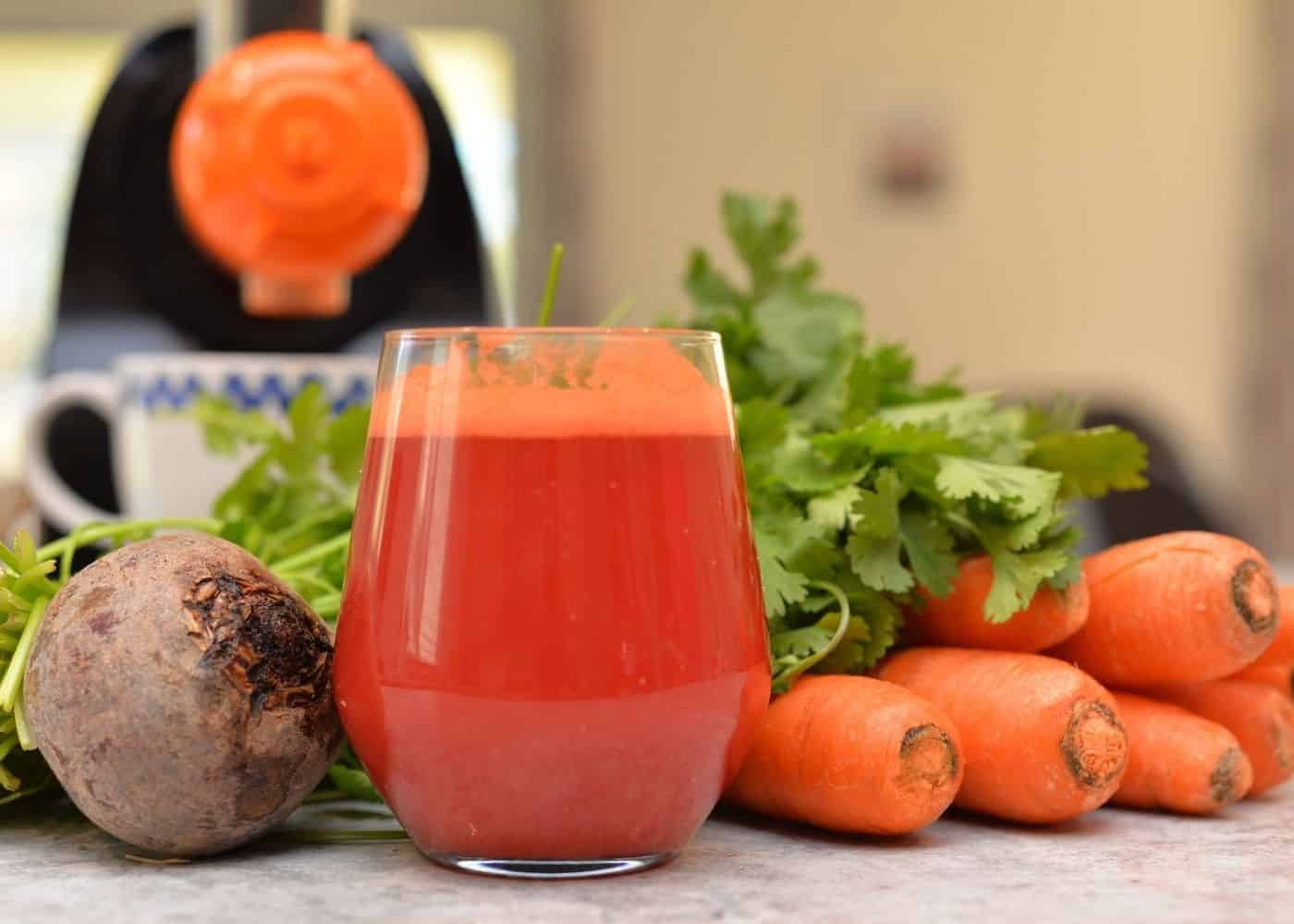
Several days of consistent beetroot use may provide more reliable support than one isolated serving.
Why Mouthwash Blocks the Effect
The nitrate pathway begins in your mouth, not only in your stomach. Bacteria living on your tongue convert dietary nitrate into nitrite. This is a necessary step before your body can efficiently produce nitric oxide from beetroot nitrate.
Strong antibacterial mouthwash can temporarily reduce the bacteria responsible for that conversion. Research suggests this may blunt the rise in nitrite after nitrate-rich foods or supplements. In practical terms, taking beetroot and then using an antibacterial rinse may reduce the response you were trying to support.
Avoid routine antibacterial mouthwash close to your beetroot serving and workout unless a dentist or doctor has directed you to use it. There is no universally proven avoidance window, but separating the rinse from your serving by several hours is a reasonable practical approach. Do not stop prescribed dental care to improve a workout supplement's effect.
Normal brushing is different from using a strong antibacterial rinse. Keep brushing and flossing as directed. There is not enough evidence to recommend poor oral hygiene, skipping toothpaste, or trying to increase oral bacteria intentionally.
This detail helps explain why two people taking the same nitrate amount might respond differently. Their oral microbiomes, meaning the communities of bacteria living in the mouth, may not convert nitrate at the same rate. Recent antibacterial mouthwash use is therefore worth recording when you evaluate your results.
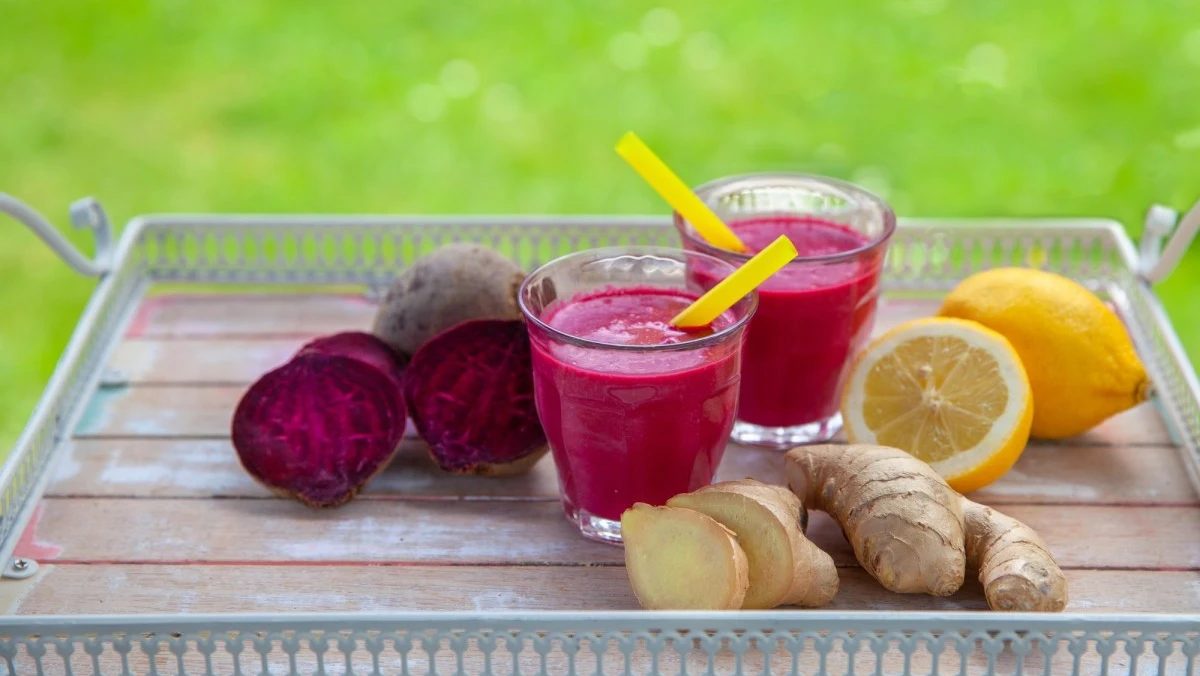
Helpful oral bacteria perform the first essential step in converting beetroot nitrate into nitric oxide.
Simple Pre-Workout Recipes
A useful beetroot pre-workout recipe should be easy to digest and simple enough to repeat. Keep portions comfortable, especially before running or high-intensity training. Homemade recipes can support dietary nitrate intake, but they do not provide a guaranteed nitrate amount because fresh produce varies.
For a quick beet smoothie, blend one small cooked beet with a banana, frozen berries, water, and a squeeze of lemon. The banana adds carbohydrates for training, while the berries and lemon soften the earthy flavor. Drink it 2-3 hours before exercise. Add yogurt only if dairy sits well before your workouts.
For a lighter juice-style drink, blend chopped raw beet with apple, carrot, ginger, lemon juice, and cold water. Strain it if you prefer less fiber. Raw beet can taste strong, so begin with a modest amount. Prepare it early enough to allow the full timing window.
For a powder-based option, mix the product's labeled serving into 8-12 ounces of water. A squeeze of citrus or a small amount of fruit juice can improve the taste. Do not assume an extra scoop will work better. If the label does not list nitrate, the drink remains convenient but its nitrate dose is unknown.
Avoid introducing a new recipe on race day. Beets, fruit, and larger fluid volumes can cause bloating or an urgent bathroom stop in some people. Test your chosen drink during an ordinary training session first. If you also use caffeine, try the combination in training and keep your total caffeine within the limits on all product labels.
Beetroot can be blended with fruit, citrus, and water for a simple pre-workout drink.
Who Responds Least
Highly trained endurance athletes often show smaller improvements from beetroot than recreational exercisers. They may already have highly developed oxygen delivery, efficient muscles, and diets rich in nitrate-containing vegetables. That leaves less room for a supplement to create a measurable change.
Beginners and recreationally active adults sometimes respond more clearly, but there are no guarantees. Oral bacteria, usual nitrate intake, genetics, fitness level, exercise type, and the actual nitrate dose all influence the result. Research findings are mixed, particularly for short sprints, maximal strength, and elite competition.
You can also be a "nonresponder," meaning standard performance tests show little or no change. Before deciding that beetroot does nothing for you, check the label for nitrate content, avoid antibacterial mouthwash near the serving, and test a consistent routine across several comparable workouts. Even then, some people will not see a useful difference.
Beetroot can cause beeturia, harmless pink or red urine after eating beets. Stool may also look reddish. These color changes usually reflect beet pigments, not a performance problem. Digestive discomfort can occur, especially with concentrated juice or large servings.
Talk to your doctor before using a beetroot supplement if you take blood pressure medication or nitrate medication. The same applies during pregnancy or breastfeeding, or if you have kidney or liver conditions, a history of kidney stones, another existing medical condition, or concerns about medication interactions. Beetroot contains oxalates, natural compounds that may matter for some people prone to certain kidney stones.
Frequently Asked Questions
Is beetroot good as a pre-workout?
Yes, beetroot can be a useful pre-workout because its dietary nitrate supports nitric oxide production, blood flow, and exercise efficiency. The effects are usually modest, not stimulant-like. Evidence is strongest for endurance and repeated high-effort exercise, while results for maximal strength and short sprints are less consistent. The nitrate amount and timing matter more than the word "beetroot" on the package.
How long before a workout should you take beetroot?
Take beetroot about 2-3 hours before your workout, while following the product's label directions. This gives oral bacteria and the rest of the body time to convert nitrate into nitrite and then nitric oxide. A serving immediately before training is unlikely to line up with the usual peak in circulating nitrite.
How much beetroot powder for a pre-workout?
Use the powder's labeled serving rather than choosing a scoop amount from beetroot weight alone. Exercise research commonly provides about 6-8 mmol, or roughly 370-500 mg, of nitrate, but many powders do not disclose nitrate content. Do not increase the serving just to match a study. Ask your doctor for personal guidance if you have an existing condition or take medication.
Can you mix beetroot with caffeine?
Yes, many healthy adults can use beetroot and caffeine together, but the combination is not necessarily more effective for everyone. Research on whether caffeine changes beetroot's exercise effects is mixed. Test the combination during training, not on event day, and count caffeine from coffee, energy drinks, and supplements. Follow every label and ask your doctor about medication interactions.
Does beetroot work for everyone?
No, beetroot does not improve exercise performance for everyone. Highly trained athletes often respond less than recreational exercisers, and some people see no measurable change. Nitrate dose, oral bacteria, usual diet, workout type, and antibacterial mouthwash can all influence the outcome. Evaluate several similar workouts before deciding whether it adds value to your routine.