
Finding a Good Greens Powder on a Budget
 Written by Ben Glinsky
Ask AI about this article and Organic Super Greens





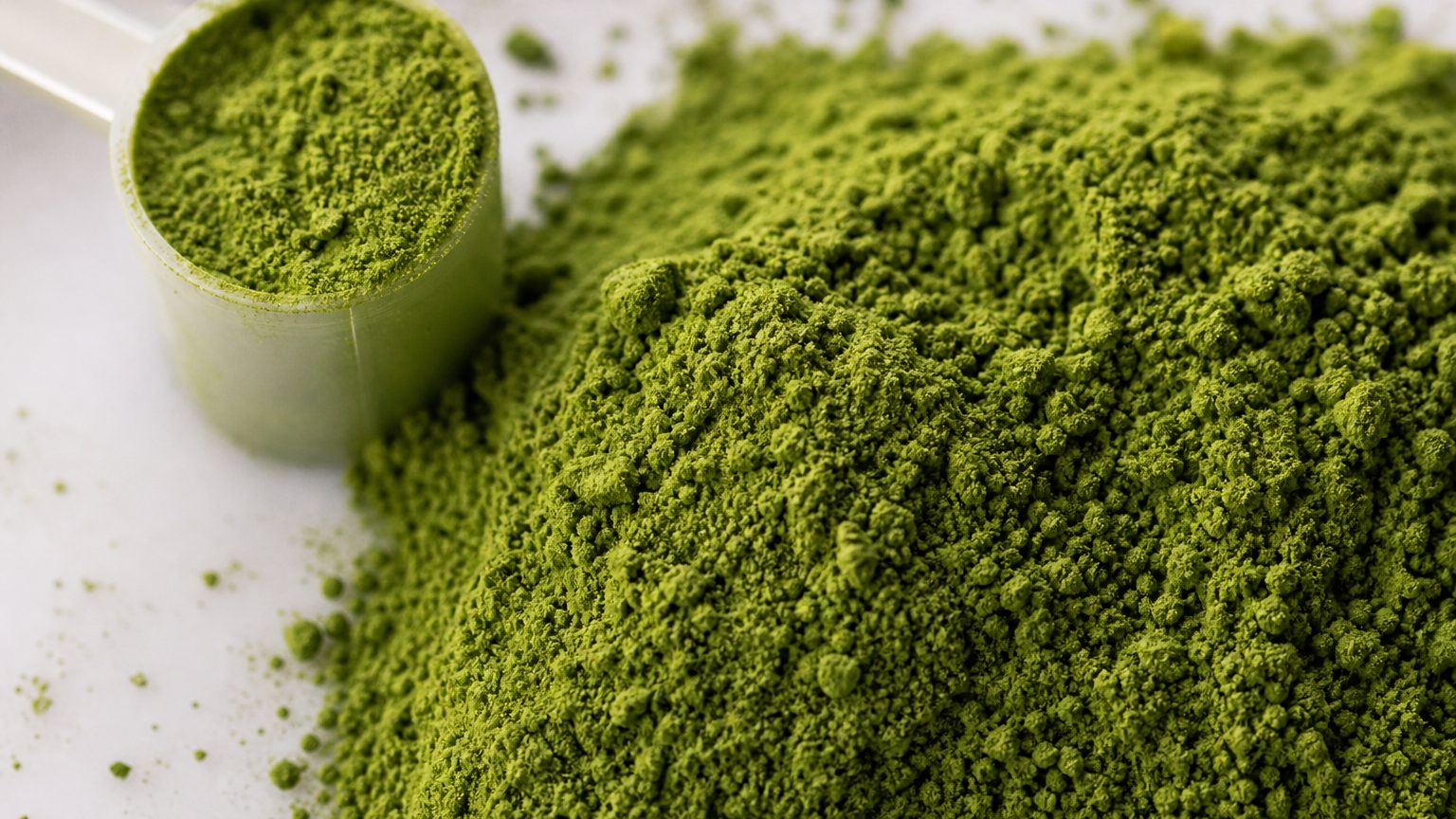
A good affordable greens powder should offer transparent ingredients, sensible serving sizes, and credible quality checks at a cost you can maintain. Compare cost per serving rather than container price, and remember that a powder adds convenience but does not replace vegetables. Here is how to judge real value without paying for hype.
Key Takeaways
- Calculate the real serving cost: Divide the price you actually pay by the number of full servings in the container.
- Read beyond the organic seal: Organic certification covers farming and handling standards, not nutrient density or finished-product testing.
- Favor transparent formulas: Named ingredients and disclosed amounts are more useful than a long proprietary blend.
- Ask what testing includes: Look for identity, microbial, heavy metal, and other relevant contaminant checks.
- Keep vegetables on the menu: Whole and frozen vegetables usually provide more nutrition, fiber, and food value for your money.
Cost Per Serving, Not Per Tub
The lowest container price does not always identify the most affordable greens powder. One tub may cost $20 but contain only 15 servings. Another may cost $30 and contain 30 servings. The first costs about $1.33 per serving, while the second costs $1.00. Package size can make the less economical option look cheaper at first glance.
Use this basic calculation:
Cost per serving = total price paid divided by the number of servings
Use the price you will actually pay, including shipping. If a discount requires a subscription, membership, or multi-container order, decide whether that arrangement fits your routine. A low introductory price is not helpful if the regular renewal price strains your budget.
Next, check what the manufacturer calls a serving. A large tub can still contain few servings if each scoop is substantial. Conversely, a very small scoop may create an attractive cost per serving while providing little of each listed ingredient. Net weight, scoop size, and servings per container give you a clearer picture together.
Do not double the serving to imitate another product without checking the label or speaking with a qualified health professional. That doubles both your cost and your intake. Some formulas also contain added vitamins, minerals, herbs, probiotics, or enzymes that may not suit everyone.
Finally, think in terms of cost per day you will use it. A powder that mixes smoothly and tastes acceptable may offer better practical value than a slightly cheaper one you avoid. Easy mixability supports consistency, but it does not prove exceptional nutrient density. The ingredient amounts and overall diet still matter more.
What Organic Certification Covers
USDA organic certification tells you how agricultural ingredients were grown, processed, and handled. In broad terms, certified organic crops must follow federal rules that restrict most synthetic pesticides and fertilizers. The standards also prohibit genetic engineering, irradiation, and sewage sludge in organic production. A certified operation is reviewed by an accredited certifying agent.
Label wording matters. A product labeled "100 percent organic" must meet a stricter ingredient threshold than one simply labeled "organic." A multi-ingredient product carrying the USDA Organic seal generally must contain at least 95 percent certified organic ingredients, excluding water and salt. "Made with organic" has a different threshold and cannot use the USDA Organic seal in the same way.
That certification can be meaningful if organic sourcing is one of your priorities. It does not, however, tell you the dose of spinach, spirulina, wheatgrass, or any other ingredient. It does not prove that the formula is nutritionally complete, easy to absorb, pleasant to drink, or appropriate for your needs. Organic sugar is still sugar, and an organic ingredient can still be included in a very small amount.
Organic certification is also not the same as comprehensive finished-product testing. Soil naturally contains metals, microbes can enter during processing, and mistakes can occur in any supply chain. A company still needs quality controls for the finished supplement.
Treat the seal as one useful piece of information, not a complete quality score. If you want to compare formulas more closely, our overview of what ingredients are in super greens explains common greens, algae, herbs, probiotics, and enzymes in plain language.
Where Cheap Products Cut Corners
A low price is not automatically a warning sign. Efficient manufacturing, direct sales, modest packaging, and fewer retail markups can all reduce cost without weakening a formula. The concern is a product that looks impressive on the front label but gives you too little information to evaluate what is inside.
Start with proprietary blends. A proprietary blend lists several ingredients under one combined weight without showing the amount of each ingredient. The ingredients usually appear in descending order by weight, but you cannot tell whether the later ingredients provide meaningful amounts. A 4-gram blend containing 20 plants may be mostly the first one or two ingredients.
Long ingredient lists can create the same illusion even without a blend. If dozens of greens, mushrooms, herbs, fruits, and enzymes fit into a tiny scoop, many may be present only in trace quantities. This practice is sometimes called label dressing or fairy dusting. More ingredient names do not automatically mean greater nutrient density.
Check for unnecessary bulk ingredients too. Some additives help powder flow, resist clumping, protect freshness, or improve flavor, so their presence is not automatically a problem. The question is whether the label is clear and whether most of the serving comes from ingredients you intended to buy. Large amounts of sweetener or inexpensive carrier powder can reduce the space available for greens.
Also look for realistic promises. A greens supplement may support general nutrition, but it should not promise to replace sleep, balanced meals, exercise, or medical care. For a broader selection checklist, see which super greens powder is best. The useful answer depends on label transparency, dietary needs, testing, taste, and a price you can sustain.
Testing Matters More Than Price
Price alone cannot tell you whether a powder is clean or accurately labeled. An expensive formula may spend heavily on advertising, while an affordable one may use strong quality controls. You need to ask what was tested, who performed the testing, and whether the results apply to the finished batch.
Identity testing checks whether an ingredient is what the supplier says it is. Microbial testing looks for unwanted organisms such as harmful bacteria, yeast, and mold. Heavy metal testing measures elements such as lead, arsenic, cadmium, and mercury. These metals occur naturally in soil, so a claim of "zero heavy metals" may be less useful than results showing levels within established safety limits.
Testing may also cover pesticide residues, allergens, or the amounts of specific nutrients claimed on the label. Athletes subject to drug testing may need a separate certification that screens for substances prohibited in sport. Not every consumer needs the same testing program, but every company should be able to explain its quality process clearly.
The phrase "third-party tested" means an outside laboratory was involved. It does not tell you what the laboratory tested, how often testing occurs, or whether every batch was checked. Look for a batch-specific certificate of analysis, often shortened to COA. This document should identify the lot and show which specifications were measured. A generic badge without details offers less reassurance.
Testing does not prove that a greens powder will produce a particular health result. It helps confirm identity, purity, and label accuracy. If you take prescription medication, are pregnant or breastfeeding, have kidney or liver concerns, or manage an existing medical condition, talk to your doctor before adding a greens powder.
If your checklist favors organic ingredients, clear value, and a simple routine, LiveGood Organic Super Greens is a USDA certified organic greens powder designed to help fill nutrient gaps our diets may not provide, serving as "a safety net for your health." Mix one delicious scoop a day in water or a smoothie. At $19.95 for members versus $34.95 retail, check the label's servings to calculate your cost. It reflects LiveGood's mission: "Provide the highest quality supplements in the world, at the lowest prices possible."
The Cheapest Option Is Still Vegetables
Even a well-priced greens powder is unlikely to beat basic vegetables on cost per nutrient. Frozen spinach, cabbage, carrots, peas, broccoli, and other everyday choices provide vitamins, minerals, fiber, water, and food volume. They also help make a meal satisfying. A scoop of powder cannot reproduce the full physical structure of a whole plant.
Fiber is one major difference. Drying and processing can preserve some plant compounds, but many greens powders contain much less fiber than a serving of vegetables. Fiber supports normal digestion and feeds microbes in the digestive tract. Whole vegetables also require chewing and add volume to meals, which a drink does not provide in the same way.
You do not need expensive produce to eat well. Frozen vegetables are often economical, last longer than fresh produce, and can reduce waste. Plain canned vegetables can also be practical. Compare unit prices, choose lower-sodium options when appropriate, and rinse canned vegetables if you want to remove some surface sodium. Seasonal fresh produce may offer good value too.
A realistic budget can include both food and a supplement. Spend your food dollars on versatile vegetables first. Add a greens powder if convenience helps on rushed mornings, travel days, or times when your meals lack variety. This is where the idea of a nutritional safety net makes sense. It fills a practical role without pretending to be a salad in a scoop.
The best value is the routine you can maintain. Keep affordable vegetables in regular meals, follow the supplement label, and judge the powder by transparency, testing, serving size, taste, and daily cost. Wellness should not be a luxury, but affordability should never require you to ignore what the label does not disclose.
Frequently Asked Questions
How much should a greens powder cost?
There is no single correct price, but many affordable options cost around $1 or less per serving before shipping. Divide the amount you actually pay by the labeled serving count, then consider scoop size, ingredient transparency, testing, and subscription terms. A higher daily cost may be reasonable for a clearly disclosed formula, while a low price offers little value if the serving is mostly filler.
Are cheap greens powders worth it?
Some lower-priced greens powders can be worthwhile if they disclose their ingredients, provide a practical serving, and use credible quality controls. Low price by itself does not mean poor quality. Be cautious when a tiny scoop contains a very long ingredient list, amounts are hidden inside proprietary blends, or the company gives vague answers about finished-product testing.
Does organic mean better quality?
Organic certification confirms that qualifying agricultural ingredients meet defined production and handling standards, but it does not guarantee a more effective or nutrient-dense formula. It also does not replace testing for identity, microbes, or heavy metals. Choose organic if those farming standards matter to you, then evaluate doses, transparency, testing, taste, and cost separately.
What is a proprietary blend?
A proprietary blend groups multiple ingredients under one total weight while keeping each ingredient's amount private. You can see what is included, usually in order from greatest to least weight, but not the exact dose of each component. This makes it difficult to compare products or know whether featured ingredients are present in meaningful quantities.
Are greens powders cheaper than vegetables?
Usually not when you compare overall nutrition. Affordable fresh, frozen, and canned vegetables provide fiber, water, food volume, and a broad mix of nutrients for relatively little money. Greens powders may still be valuable for convenience, portability, and consistency. Use them to support a vegetable-rich diet rather than redirecting your entire produce budget into supplements.