
Chlorophyll Benefits and Side Effects
 Written by Nauder Khazan
Ask AI about this article and Chlorophyll and Zeolite Detox





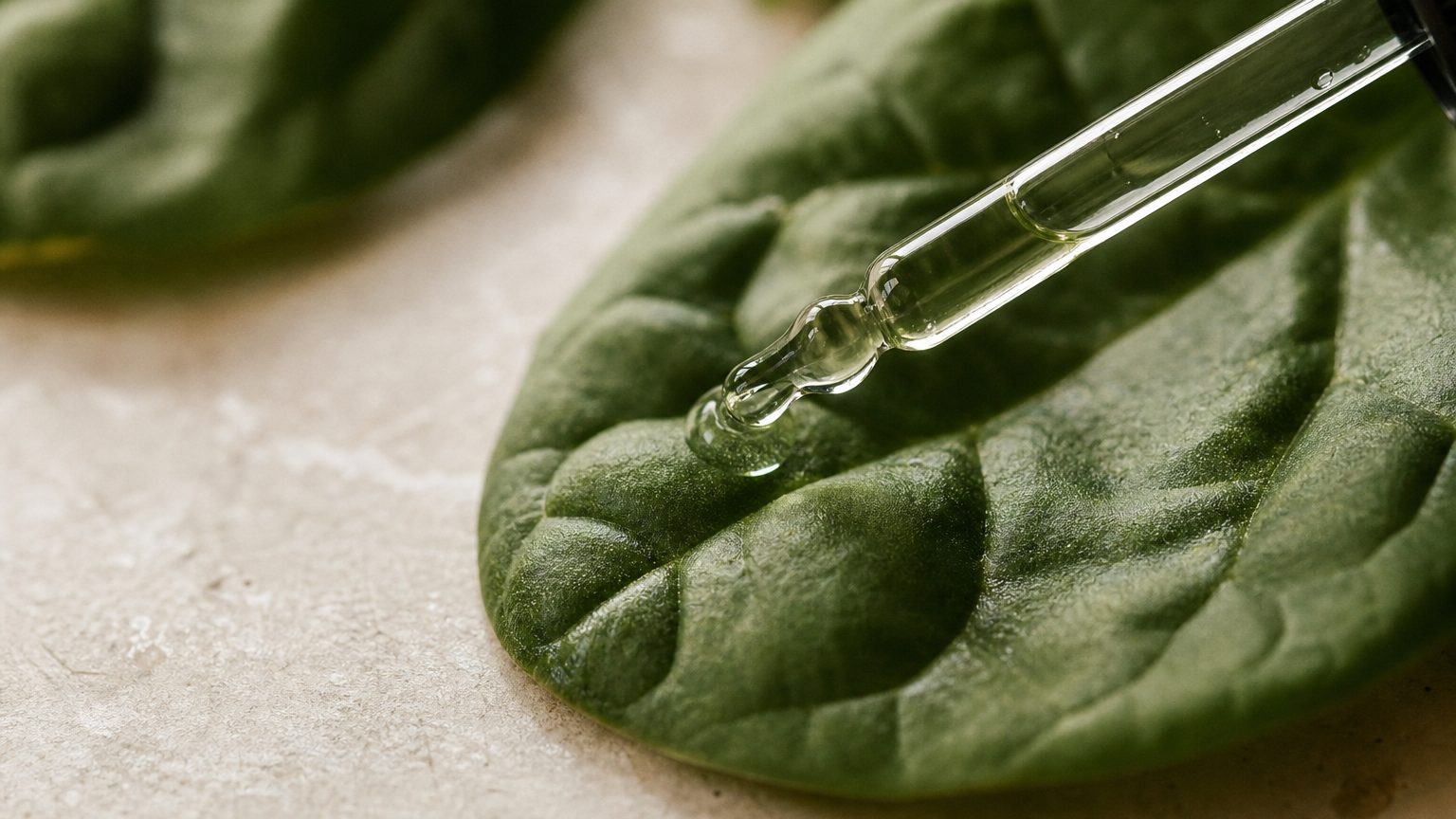
Chlorophyll benefits may include antioxidant support, but human evidence for digestion, skin, body odor, weight, and broad detox claims remains limited. Most liquid supplements also contain chlorophyllin, a water-soluble chlorophyll derivative, rather than natural chlorophyll. Understanding that difference helps you set realistic expectations and recognize possible side effects.
Key Takeaways
- Evidence is limited: Most proposed chlorophyll benefits come from laboratory research, small studies, or research on related compounds.
- Forms are different: Many chlorophyll drops contain chlorophyllin, a water-soluble derivative that is not identical to plant chlorophyll.
- Digestion may change: Green stool, diarrhea, nausea, and abdominal discomfort are possible side effects.
- Detox claims vary: One human trial examined a specific exposure biomarker, but that does not prove broad cleansing effects.
- Food still matters: Green vegetables provide chlorophyll alongside fiber, vitamins, minerals, and other plant compounds.
What Chlorophyll Supplements Contain
Chlorophyll is the green pigment that helps plants capture light for photosynthesis. Natural chlorophyll has a ring-shaped chemical structure with magnesium at its center. You consume it whenever you eat foods such as spinach, parsley, broccoli, green beans, or kale.
Natural chlorophyll does not dissolve easily in water and can break down during processing. For that reason, many bright green drops and powders use sodium copper chlorophyllin, usually shortened to chlorophyllin. Manufacturers make this water-soluble derivative by replacing chlorophyll's central magnesium with copper and modifying part of its structure.
This distinction matters because the body may absorb and process chlorophyllin differently from natural chlorophyll. A study involving chlorophyllin cannot automatically establish the same effect for chlorophyll from vegetables, and research on either form does not prove that every finished supplement produces that outcome.
Check the Supplement Facts panel rather than relying on the word "chlorophyll" on the front label. Look for the exact ingredient, the amount per serving, other active ingredients, and the serving directions. Combination formulas require extra attention because benefits and side effects cannot necessarily be attributed to chlorophyll alone.
You may also see chlorophyll water, which is generally water mixed with liquid drops. Mixing drops with water can make them easier to take, but it does not create a different active ingredient or increase the strength of the evidence.
Seven Benefits, Graded Honestly
The most frequently discussed chlorophyll benefits do not all have the same level of support. Here is what research on the ingredient currently suggests and where the claims get ahead of the evidence.
-
Antioxidant support: Laboratory research suggests chlorophyll and chlorophyllin can interact with free radicals, unstable molecules that may damage cells. Human trials have not established how much oral supplementation contributes to everyday antioxidant defenses.
-
Binding certain compounds: In a randomized human trial, adults with high dietary aflatoxin exposure took 100 mg of chlorophyllin three times daily for four months. Researchers reported a 55% reduction in one urinary aflatoxin exposure biomarker. This narrow result does not show that chlorophyll broadly removes unspecified toxins, and it does not establish an outcome for any branded formula.
-
Body odor support: Older, limited studies have examined chlorophyllin for internal odor. The research is too small and inconsistent to promise noticeable changes in breath, perspiration, or other body odors.
-
Skin appearance: Small studies involving topical chlorophyllin products have reported possible cosmetic benefits. A topical formula is not evidence that drinking chlorophyll supports clearer skin.
-
Digestive support: Chlorophyll is commonly promoted for regularity and gut comfort, but strong human trials are missing. Some users experience digestive side effects instead.
-
Weight management: Some studies used concentrated green plant membranes called thylakoids, not isolated chlorophyll. Those findings cannot establish that chlorophyll drops reduce appetite, belly fat, or body weight.
-
Blood and hormone support: Chlorophyll resembles heme, part of the pigment in red blood cells, but chlorophyll contains magnesium rather than iron. Structural resemblance does not mean it builds blood, balances hormones, or has unique benefits for women or men.
Color is not an active mechanism by itself. Beet pigments are chemically different from chlorophyll, which is also relevant when sorting through beetroot and hair claims.
Digestion and Gut Effects
Chlorophyll supplements reach the digestive tract, but direct contact with the gut does not automatically mean they improve digestion. There is not enough high-quality human research to conclude that oral chlorophyll consistently supports bowel regularity, reduces bloating, or changes the gut microbiome, the community of microorganisms living in your digestive tract.
Some effects people notice are simply related to the pigment. Chlorophyll or chlorophyllin can turn stool green, especially after concentrated liquid or powder servings. Green stool by itself is usually a color change rather than evidence that the body is releasing toxins.
Digestive discomfort is also among the more common reported side effects. You may experience loose stool, diarrhea, nausea, cramping, or an unsettled stomach. These symptoms do not prove that the supplement is "working." If a product repeatedly causes discomfort, stop using it and speak with a healthcare professional rather than assuming you need to continue.
The rest of the formula matters, too. Sweeteners, flavoring agents, minerals, herbs, and other active ingredients can affect tolerance. If you are comparing products, change only one part of your routine at a time. That makes it easier to identify what caused a new symptom.
For everyday digestive support, fiber, fluids, movement, adequate sleep, and a varied diet have a stronger practical foundation. A supplement can fit into that routine, but it cannot replace it.
Side Effects and Safety
Chlorophyll and chlorophyllin are generally tolerated by many adults, but long-term supplement research remains limited. Commonly reported effects include green stool, green urine, temporary tongue discoloration, nausea, abdominal cramps, and diarrhea. Concentrated drops may also stain clothing or surfaces.
Chlorophyllin contains copper, while natural plant chlorophyll contains magnesium at its center. That does not mean ordinary use will necessarily provide a harmful amount of copper, but it does mean the two forms should not be treated as chemically identical. Review the label for the ingredient form and any listed mineral amount.
There is not good evidence that label-directed chlorophyll use damages healthy kidneys. However, people with kidney conditions may process minerals, fluids, and supplement ingredients differently. Ask your doctor before using chlorophyll if you have a kidney or liver condition, another existing medical condition, or concerns about copper intake.
You should also consult your doctor about prescription interactions. Evidence on interactions is incomplete, and a lack of reported interactions is not the same as proof that none exist. Get medical guidance before use during pregnancy or breastfeeding, and do not give chlorophyll products to children or pets unless their qualified healthcare professional recommends it.
Stop taking the supplement and seek appropriate care if you develop a severe or persistent reaction. Side effects that continue after stopping deserve professional evaluation rather than self-treatment with another supplement.
How to Use Chlorophyll Drops
Start by reading the complete label because concentrations and serving sizes vary. One brand's dropperful may contain a different amount from another brand's, and some droppers do not fill completely unless you check the measurement markings.
There is no well-established best time to take chlorophyll. Morning and evening use have not been directly compared in strong clinical trials. Choose a time that helps you follow the label consistently, and consider taking the product with food if the label allows and an empty stomach causes discomfort.
You can usually take liquid drops directly or mix them into water according to the product directions. Adding more water changes the taste and concentration of the drink, but it does not change the total amount of ingredient you swallowed. Avoid increasing the serving because you do not notice an immediate effect.
Track tolerance rather than expecting a dramatic sensation. Note changes in digestion, stool color, or other symptoms, and reassess whether the product adds value to your routine. Chlorophyll research does not establish a standard timeline for skin, odor, digestive, or weight-related results, so claims that promise rapid changes deserve skepticism.
Ask your doctor before starting if you take prescriptions, are pregnant or breastfeeding, or have a kidney, liver, or other existing medical condition. Follow the label rather than borrowing amounts from studies that examined different ingredients or specific research populations.
If you prefer liquid drops, Chlorophyll and Zeolite Detox is Third Party Tested, Vegan, Non GMO, and Gluten Free, with a member price of $14.95 versus $29.95 retail. Its label directs adults to take 2 full dropperfuls, equal to 2 ml, under the tongue or mixed with water once or twice daily. Follow the label, choose a consistent time, and ask your doctor about prescription interactions or medical conditions.
Get Chlorophyll From Food
Green vegetables offer chlorophyll in a broader nutritional package. Spinach, kale, parsley, arugula, broccoli, peas, green beans, and herbs also provide fiber and a range of vitamins, minerals, and plant compounds. Exact chlorophyll content varies with plant type, freshness, storage, and cooking.
Food chlorophyll is not necessarily absorbed in the same way as water-soluble chlorophyllin. Fat in a meal may influence the absorption of chlorophyll-related compounds because natural chlorophyll is fat-soluble. You do not need to calculate a chlorophyll target, however, because no recommended daily intake has been established.
Green vegetables also contain compounds that have effects unrelated to their chlorophyll. For example, leafy greens can provide dietary nitrate, which follows a separate pathway involving nitric oxide. Research on that pathway, discussed in nitric oxide and running performance, should not be reassigned to chlorophyll simply because the same food contains both compounds.
Use color variety as a practical eating strategy rather than focusing on one pigment. Red, orange, purple, white, and green plant foods contain different combinations of nutrients and phytochemicals, which are naturally occurring plant compounds. If you choose a chlorophyll supplement, treat it as an optional addition to this routine, not a shortcut around a varied diet.