
Marine Collagen vs Bovine Collagen
 Written by Ben Glinsky
Ask AI about this article and Collagen Peptides





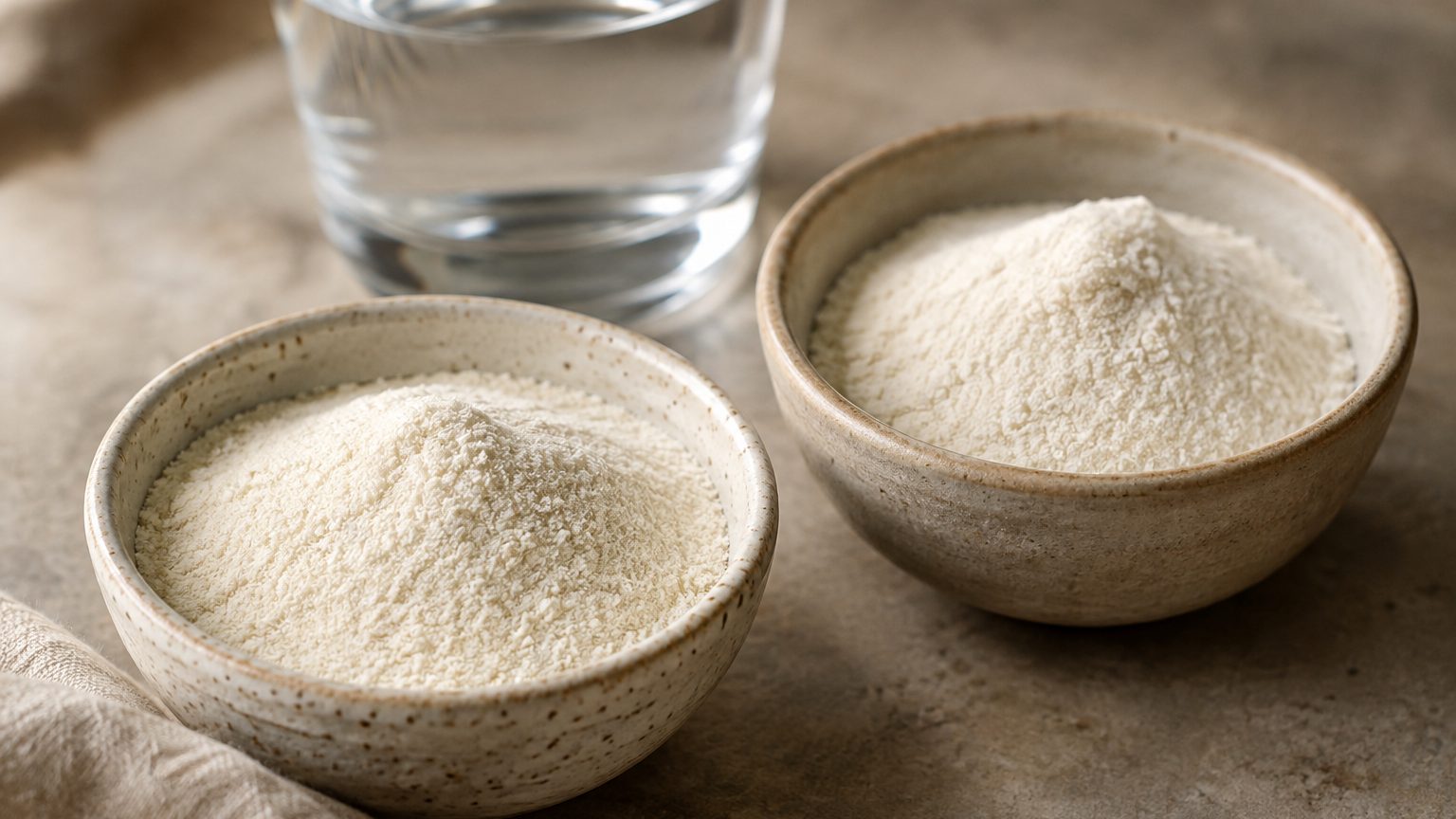
Marine collagen vs bovine collagen is mainly a choice between sources, collagen types, allergens, dietary preferences and price, not a clear difference in effectiveness. Marine collagen is usually rich in type I, while bovine collagen generally supplies types I and III. Both can provide hydrolyzed peptides that your body digests into amino acids and smaller collagen-derived peptides.
Key Takeaways
- Main distinction: Marine collagen usually provides type I, while bovine collagen commonly provides types I and III.
- Similar digestion: Hydrolyzed forms from both sources break down into amino acids and small peptides, with no settled evidence that marine is absorbed dramatically better.
- Goal matters: Both sources appear in research on skin and joint support, so the label, serving amount and consistency matter more than marketing claims.
- Allergies decide: Avoid marine collagen if you have a fish allergy, and discuss bovine collagen with your doctor if beef products are unsuitable for you.
- Cost differs: Marine collagen usually costs more per gram, so compare the price per 10 grams rather than the price of the container.
- Formula details: LiveGood Collagen Peptides provides 11 grams of disclosed bovine types I and III collagen peptides per scoop, plus complementary ingredients.
The Short Answer
Neither marine nor bovine collagen is universally best. Your better choice depends on the collagen types you want, whether you avoid fish or beef, how the powder tastes and mixes, and what you will comfortably take each day.
Marine collagen typically comes from fish skin or scales and is predominantly type I collagen. Type I is the body's most abundant collagen and contributes structure to skin, bones, tendons and other connective tissues. Marine products can suit pescatarians who eat fish but avoid land animals, although they are not vegetarian or vegan.
Bovine collagen usually comes from cattle hide and supplies types I and III. Type III commonly occurs alongside type I in skin and other connective tissues, including blood vessels. Searches for "type 1 and 3 collagen" generally refer to this bovine combination, even though labels may use Roman numerals and write it as types I and III.
Both sources are commonly hydrolyzed. Hydrolysis uses controlled processing to cut collagen proteins into smaller pieces called peptides, making the powder easier to dissolve and digest. You can read more about the distinction between collagen and collagen peptides.
Research on hydrolyzed collagen suggests potential support for skin hydration, elasticity and joint comfort, but findings vary by study design, formula, amount and duration. A systematic review and meta-analysis found encouraging skin-related results, but that does not establish that one animal source is superior or that every collagen product produces the same outcome.
Collagen Types That Matter
Scientists have described at least 28 types of collagen. Only a few account for most of the collagen discussed on supplement labels, and the type number is separate from whether a product is hydrolyzed.
| Collagen type | Where it is common in the body | Common supplement source |
|---|---|---|
| Type I | Skin, bone, tendons, ligaments and teeth | Marine fish skin or scales, bovine hide |
| Type II | Cartilage | Chicken sternum cartilage |
| Type III | Skin, blood vessels and connective tissue alongside type I | Bovine hide |
| Type IV | Thin supporting layers around tissues and cells | Not a common primary oral supplement target |
| Type V | Skin, hair, cornea and tissues containing type I | Sometimes present in multi-source formulas |
Type I accounts for about 90% of the collagen in your body. This explains why both marine and bovine products can be relevant to skin, bone and connective tissue goals even though their source profiles differ.
Type II deserves separate attention. Hydrolyzed type II collagen is broken into peptides like other hydrolyzed collagens, while undenatured type II retains more of its original three-dimensional structure. Undenatured type II has been studied at around 40 milligrams for joint comfort through a mechanism different from that of gram-level hydrolyzed peptides. That research amount is context, not a personal dosing recommendation.
Eggshell membrane is another source and naturally contains several structural compounds. However, it should not be treated as interchangeable with a measured serving of hydrolyzed marine or bovine collagen. If you are comparing powders, first determine the source, collagen types and grams of collagen per serving. The collagen powder selection guide covers other label features without assuming that a longer ingredient list is automatically better.
Marine Collagen Explained
Marine collagen is generally produced from fish skin, scales or bones. Manufacturers clean the raw material, extract its collagen and often hydrolyze it into smaller peptides. The finished powder is usually dominated by type I collagen.
The most practical marine collagen benefits are source-related. It can provide hydrolyzed type I peptides for people who eat fish but avoid beef, and it makes use of fish material that might otherwise become processing waste. Some marine powders also dissolve easily, although mixability depends on processing and the finished formula rather than source alone.
Marine does not automatically mean more sustainable. Fish species, harvesting practices, transportation and processing all affect environmental impact. A product made from a traceable fishery byproduct presents a different sourcing picture from one that offers little origin information.
Taste and smell can also vary. Well-processed marine collagen may be nearly neutral, but some people notice a fishy aroma, especially in plain water. Flavored drinks can mask it, but added sweeteners and flavors should be included in your label comparison.
Fish allergy is the clearest limitation. Someone with a fish allergy should not assume that processing removes the relevant allergenic proteins. Marine collagen also tends to cost more per gram than bovine collagen because of sourcing and processing costs.
Skin and joint studies have used marine-derived collagen, but source alone does not predict the result. Study formulas, peptide profiles and serving amounts differ, so statements that all marine collagen produces a specific benefit go beyond what the evidence can establish.
Bovine Collagen Explained
Bovine collagen usually comes from cattle hide, a material generated by the food and leather supply chains. After cleaning and extraction, it can be hydrolyzed into collagen peptides that mix into liquids. Its typical collagen profile includes types I and III.
The main bovine collagen benefits are its broad type profile, widespread availability and generally competitive cost per gram. Types I and III occur together in skin and connective tissues, making bovine collagen a practical option for formulas intended to support skin, hair, nails, bones and joints as part of a consistent routine.
Bovine collagen is not suitable for vegetarians or vegans, and it may not fit religious or personal dietary practices unless the sourcing meets the individual's requirements. People with a beef allergy should avoid making assumptions based on the word "peptides" and discuss the ingredient with their doctor or allergist.
As with marine collagen, using a byproduct does not by itself settle the sustainability question. Farm practices, traceability, manufacturing efficiency and shipping all matter. Transparent sourcing and independent testing can be more informative than a broad environmental claim based only on the animal source.
Quality also varies among bovine products. Look for a fully disclosed amount of collagen rather than a proprietary blend that hides individual quantities. Hydrolyzed powders are generally easier to mix than gelatin, which forms a gel and behaves differently in food and drinks. For more help interpreting that wording, see what to look for in hydrolyzed collagen peptides.
Does Absorption Differ?
Both marine and bovine hydrolyzed collagen are digested into free amino acids and short peptide chains. One frequently studied collagen-derived peptide is prolyl-hydroxyproline, often shortened to Pro-Hyp. These digestion products can enter circulation and provide building blocks your body can use in normal protein and connective tissue processes.
You may see claims that marine collagen is absorbed 1.5 times better than bovine collagen. That precise comparison is not established by strong, direct human evidence across finished supplements. It often traces back to laboratory findings, small studies or general statements about the lower molecular weight of certain fish-derived peptides.
Peptide size can matter, but source does not determine peptide size by itself. The enzymes, temperature and duration used during hydrolysis influence the finished peptide distribution. Two marine products can therefore differ from each other, just as two bovine products can.
More importantly, absorption is only one step. A peptide entering the bloodstream does not guarantee a visible or noticeable result. Your overall protein intake, vitamin C intake, age, sun exposure, smoking, sleep and consistency can all influence collagen maintenance and the outcomes measured in research.
Human trials have reported skin or joint-support findings with both fish-derived and bovine-derived peptides. Direct head-to-head studies using equal amounts, matching peptide sizes and identical outcome measures remain limited. The evidence supports viewing both as usable collagen sources, not declaring a universal absorption winner.
A practical comparison should therefore focus on a clearly stated collagen amount, hydrolyzed form, allergen fit, testing, taste and price. Those details are easier to verify than a dramatic absorption percentage printed without a direct clinical citation.
How to Choose
Start with your dietary and allergy requirements. Choose bovine if you want types I and III and are comfortable with a cattle-derived ingredient. Choose marine if you prefer a fish source, primarily want type I and do not have a fish allergy. Neither is vegetarian or vegan.
Next, compare the amount of actual collagen, not just scoop size. A 15-gram scoop may include flavors, sweeteners or other active ingredients, so it does not necessarily provide 15 grams of collagen. Calculating cost per 10 grams gives you a fairer value comparison:
- Divide the container price by the total grams of collagen.
- Multiply the result by 10.
- Compare that figure across products you would realistically use.
Research on hydrolyzed collagen has used a range of gram-level amounts and timelines. Some skin studies last 8 to 12 weeks, while connective tissue goals may require several months of consistent use. Review how much collagen per day for research context, then follow your product's directions rather than combining multiple servings without checking the totals.
LiveGood Collagen Peptides provides 11 grams of bovine collagen peptides in a 13-gram scoop, with 10 grams of protein, 50 calories and 2 grams of carbohydrate. LiveGood identifies the hydrolyzed collagen as types I and III. The fully disclosed formula also contains 2 grams of Velositol amylopectin chromium complex, 100 milligrams of ApresFlex Boswellia serrata extract standardized to 20% AKBA, 100 milligrams of Polynol sugarcane extract and 50 milligrams of hyaluronic acid from sodium hyaluronate.
At $29.95 for members and $49.95 retail for 30 servings, the cost is about $1.00 or $1.67 per serving, respectively. Based on its 11 grams of collagen, that is approximately $0.91 per 10 grams for members or $1.51 at retail. LiveGood lists it as Cruelty Free, Gluten Free, GMP Certified, Keto Friendly, Non GMO, Nut Free, Soy Free and Third Party Tested.
The directions say to mix one scoop in water or any liquid at least once daily, at any time. Warm water can help reduce clumping. LiveGood also suggests two servings daily for the first 30 days as a loading period, but you should account for every ingredient in the formula and speak with your doctor before changing directions if you use medication or manage a medical condition.
If bovine types I and III suit your diet and goals, LiveGood Collagen Peptides offers 11 grams of collagen peptides per scoop in a fully disclosed, third-party-tested formula. Mix one scoop into water or another liquid at least once daily, at any time that helps you stay consistent. Warm water can improve mixing, and regular daily use matters more than choosing a special hour for skin, joint and connective tissue support.
Who Should Check First
Speak with your doctor before using collagen if you take prescription medication, are pregnant or breastfeeding, have kidney or liver conditions, or manage another existing medical condition. Children should use supplements only under the direction of an appropriate healthcare professional.
Allergies require source-specific attention. Marine collagen comes from fish, and bovine collagen comes from cattle. Eggshell membrane and chicken-derived type II introduce egg or poultry sources. Check both the main ingredient panel and any allergen statement rather than relying on the front label.
A blended formula deserves an ingredient-by-ingredient review. LiveGood's product contains chromium through Velositol and also includes Boswellia serrata, sugarcane extract and hyaluronic acid. If you take medication, ask your doctor or pharmacist to review the complete label for potential interactions rather than considering collagen in isolation.
Digestive symptoms such as fullness, an unpleasant aftertaste or mild stomach discomfort can occur with protein supplements. Mixing the powder thoroughly, following label directions and taking it with a meal may improve comfort for some people. Stop using it and seek medical help if you experience signs of an allergic reaction.
Finally, collagen should complement adequate nutrition rather than replace it. Your body also needs enough overall protein, vitamin C and energy to produce its own collagen. Protecting your skin from excessive ultraviolet exposure, avoiding smoking and maintaining regular resistance and weight-bearing activity support the same long-term routine. Collagen source matters, but consistent habits remain the foundation.
Frequently Asked Questions
Can I take a collagen supplement with citalopram?
Ask your doctor or pharmacist before combining collagen with citalopram. Plain collagen peptides are primarily protein fragments, but finished supplements may contain herbs, minerals or other active ingredients that require a separate interaction review. Bring the complete Supplement Facts panel, especially for blends containing ingredients such as Boswellia or chromium.
Should I take collagen if I have tendonitis?
Discuss tendon pain and supplement use with your doctor or physical therapist first. Research has investigated collagen peptides alongside exercise for connective tissue support, but the evidence does not establish collagen as a substitute for diagnosis, rehabilitation or an appropriate loading plan. Your clinician can assess the cause of the symptoms and review the complete formula.
Is there a downside to taking marine collagen?
Marine collagen can cost more per gram, may have a noticeable fish taste and is unsuitable for people with fish allergies. It also is not vegetarian or vegan. Quality and sourcing vary, so check the fish source, collagen amount, allergen statement and testing rather than assuming every marine product has the same purity, sustainability or peptide profile.
Who should not take bovine collagen?
People with a beef allergy or dietary restrictions that exclude cattle-derived ingredients should avoid bovine collagen unless a qualified professional says otherwise. Anyone who is pregnant, breastfeeding, taking prescription medication, or managing kidney, liver or another medical condition should ask their doctor before use. Religious requirements may also make verified sourcing important.
Is marine collagen better for skin than bovine collagen?
Current evidence does not prove that marine collagen is universally better for skin. Marine collagen is mainly type I, while bovine collagen generally provides types I and III, and studies have reported skin-support findings with both sources. Formula quality, hydrolysis, serving amount, study duration and consistent use complicate direct source comparisons.