
Collagen vs Collagen Peptides: The Difference
 Written by Ben Glinsky
Ask AI about this article and Collagen Peptides





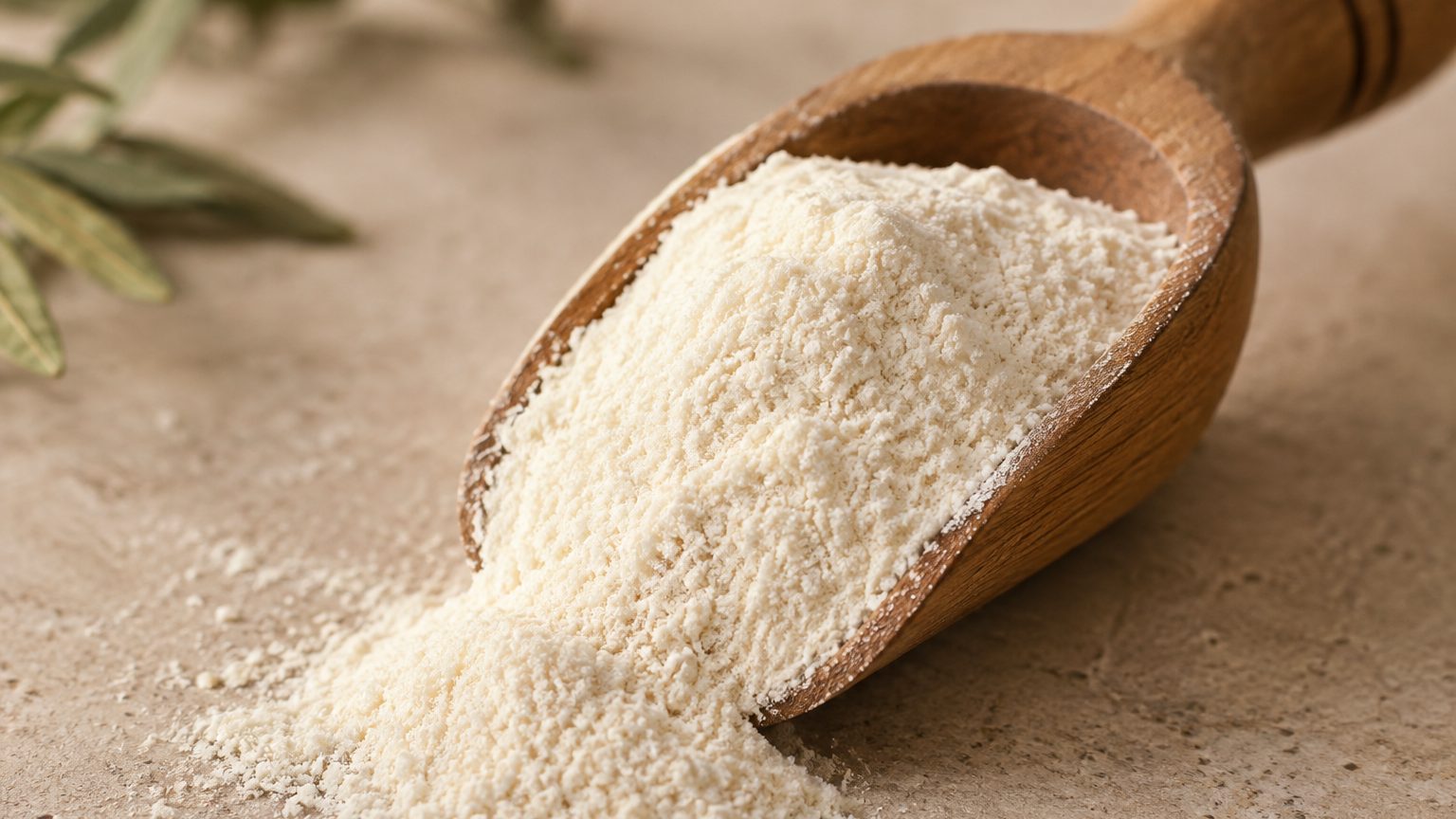
Collagen peptides are collagen that has been broken into smaller protein chains, making them easier to dissolve and use in supplements. In the collagen vs collagen peptides comparison, the source protein may be the same, but processing changes its size, texture, and behavior in liquids. That distinction matters more than many front-label claims.
Key Takeaways
- Same protein source: Collagen peptides begin as collagen but are cut into shorter chains through hydrolysis.
- Different mixing behavior: Peptides dissolve in cold liquids, while gelatin thickens and gels.
- Common label overlap: Hydrolyzed collagen, collagen hydrolysate, and collagen peptides usually describe the same basic ingredient.
- Research uses peptides: Most oral collagen supplement trials have studied hydrolyzed collagen peptides rather than intact collagen.
- Types need context: Type I, II, or III describes the original collagen source, not a guaranteed destination in your body.
The Short Answer
Collagen is a structural protein naturally present in your skin, bones, cartilage, tendons, ligaments, and other connective tissues. Its full structure consists of three protein chains twisted into a strong triple helix. That large, organized structure helps give tissues strength and flexibility.
What are collagen peptides? They are smaller fragments made by breaking collagen's long protein chains into shorter pieces. Manufacturers typically do this through hydrolysis, a controlled process that uses water and enzymes. The resulting material is also called hydrolyzed collagen or collagen hydrolysate.
So, is collagen peptides the same as collagen? They come from the same original protein, but they are not physically identical. Whole collagen retains a larger structure. Collagen peptides have been processed into much smaller chains, often measuring about 2 to 5 kilodaltons, a unit used to describe molecular mass.
This difference affects how the ingredients behave. Intact collagen is not typically used as a scoopable drink supplement because it does not dissolve well. Collagen peptides disperse more easily, do not form a gel, and can be mixed into hot or cold drinks. That is why most products labeled "collagen protein" are actually made with hydrolyzed collagen peptides.
The distinction does not mean peptides are a different category of protein. A more accurate comparison is whole oats versus oat flour: the source is the same, but processing changes the size and practical use.
How Collagen Becomes Peptides
Native collagen begins as a tightly organized triple-helix protein. Heat can unwind that structure and produce gelatin, while additional enzymatic hydrolysis cuts the chains into much smaller collagen peptides.
That creates three related but distinct ingredients:
- Collagen is the original structural protein with its triple-helix organization.
- Gelatin is partially broken-down collagen. It dissolves in hot water and forms a gel as it cools.
- Collagen peptides are more extensively hydrolyzed chains that generally dissolve in cold or warm liquids without gelling.
The collagen peptides vs gelatin distinction matters in both cooking and supplementation. Gelatin's ability to set makes it useful in gummies, desserts, sauces, and capsules. Peptides are better suited to drinks because they remain liquid after mixing.
Hydrolysis does not add more collagen or turn it into a complete protein. It changes the size of the protein chains. Collagen remains unusually rich in glycine, proline, and hydroxyproline, amino acids commonly found in connective tissue. However, it contains little or no tryptophan, an essential amino acid, so it is not considered a complete protein.
That means collagen should not replace varied dietary protein from foods such as dairy, eggs, fish, meat, soy, beans, or complementary plant sources. It can add protein to your routine, but its amino acid profile differs from proteins commonly used to support overall protein intake and muscle protein synthesis.
The phrase hydrolyzed collagen vs collagen therefore describes processing, not two unrelated substances. For a closer look at processing and quality markers, see what to look for in hydrolyzed collagen peptides.
How Absorption Actually Works
Your digestive system does not send an intact scoop of collagen directly to your skin or joints. Stomach acid and digestive enzymes break dietary proteins into amino acids and small peptides. Collagen peptides have already undergone part of that breakdown before you consume them.
After digestion, the intestine absorbs free amino acids along with some dipeptides and tripeptides, which are chains containing two or three amino acids. Research has detected certain collagen-derived peptides temporarily circulating in the blood after people consume hydrolyzed collagen. Researchers are studying whether these fragments act only as building materials or also provide signals related to normal collagen synthesis.
This is why peptides are practical for oral supplements, but it does not support claims that they travel unchanged to one chosen body part. Your body controls where absorbed nutrients are used based on its needs, overall diet, activity, and other factors.
Most human trials involving oral collagen have used hydrolyzed collagen peptides. Research on the ingredient suggests possible support for skin hydration and elasticity, nail strength, joint comfort, and connective tissue function. Results vary by dose, peptide composition, study length, and population. Some trials are small or funded by ingredient manufacturers, and findings from one branded peptide cannot automatically be applied to every collagen powder.
There is also no single credible absorption percentage that applies to all collagen products. Claims that peptides have a precise universal absorption rate oversimplify digestion and differences among formulas. Research typically measures blood markers or changes over several weeks or months, not instant results. For a broader review of these findings, read what collagen peptides actually do.
How To Read Collagen Labels
Collagen labels use several overlapping terms. Understanding them can help you compare the actual ingredient rather than relying on the largest words on the container.
Hydrolyzed collagen, collagen hydrolysate, and collagen peptides usually refer to collagen that has been enzymatically cut into shorter chains. A label that says "collagen protein" often contains peptides as well, so check the ingredient panel for confirmation.
Bovine collagen comes from cattle and commonly provides collagen originally classified as types I and III. Marine collagen generally comes from fish and is usually rich in type I collagen. The source may affect dietary preferences, sensitivities, taste, cost, and sustainability considerations, but neither source is automatically superior for everyone.
Type I, II, and III describe structural forms of collagen in the source material. Type I is abundant in skin, bones, and tendons. Type II is associated mainly with cartilage, while type III commonly occurs alongside type I in skin and other connective tissues. After hydrolysis and digestion, these labels do not guarantee that the ingredient will be delivered intact to the corresponding tissue.
Undenatured type II collagen is different from ordinary collagen peptide powder. It retains more of its original structure and is generally used in much smaller label amounts to support joint function. You should not compare its serving size gram for gram with hydrolyzed peptides.
Bioactive collagen peptides may refer to a manufacturer-specific peptide composition studied for a particular structure or function. The word "bioactive" alone does not prove that an unstudied product will provide the same result. Look for the exact ingredient used in the research, the studied amount, study duration, and population.
Finally, check the full formula. Flavors, sweeteners, minerals, plant extracts, and other active ingredients can affect whether a product fits your needs. Third-party testing can provide additional quality assurance, but it does not establish that a supplement will produce a specific result.
Which Form Fits Your Goal
For a daily drink, hydrolyzed collagen peptides are usually the most convenient option. They dissolve more easily than gelatin, work in hot or cold liquids, and are the form used in most oral collagen research. If you want a gelling ingredient for cooking, gelatin is the better fit.
Source preferences also matter. Bovine peptides commonly supply types I and III, while marine products usually emphasize type I. If you avoid particular animal sources or have a food sensitivity, read the source and allergen information instead of relying only on the collagen type. Ask your doctor before using a supplement if you are pregnant, breastfeeding, managing a kidney or liver condition, taking prescriptions, or have another existing medical condition.
Do not choose collagen as your only protein powder. Because collagen is incomplete, whey, casein, egg, soy, or an appropriately blended plant protein generally offers a more balanced essential amino acid profile. You can still use both for different nutritional purposes. See whether you can mix collagen and protein powder for practical guidance.
The LiveGood formula has a 13 g scoop with 11 g bovine collagen peptides, described in the catalog as hydrolyzed types I and III. Each serving provides 50 calories, 2 g carbohydrate, and 10 g protein. It also contains 2 g Velositol amylopectin chromium complex, 100 mg ApresFlex Boswellia serrata extract standardized to 20% AKBA, 100 mg Polynol sugarcane extract, 50 mg hyaluronic acid from sodium hyaluronate, and sunflower lecithin. It has 30 servings and is listed as Third Party Tested, Gluten Free, Non GMO, Soy Free, Nut Free, Keto Friendly, Cruelty Free, and GMP Certified. The listed prices are $29.95 for members and $49.95 retail.
For comparisons across products, use serving size, collagen source, other active ingredients, testing, and cost per serving. The collagen powder selection guide explains those buying criteria without treating every collagen formula as interchangeable.
If a daily powder fits your routine, LiveGood Collagen Peptides can be mixed one scoop at a time into water or another liquid, at any time of day. Warm water can help reduce clumping before you add cooler liquid. The label directs at least one serving daily and suggests considering two servings daily for the first 30 days. Follow label directions, and consult your doctor about medications or medical conditions.
Mixing And Cooking Differences
Collagen peptides are designed for easy mixing rather than gelling. You can stir them into water, coffee, tea, smoothies, oatmeal, yogurt, or another preferred liquid. They generally dissolve in cold water, although warm liquid and steady stirring can reduce clumps.
Adding peptides to hot drinks does not turn them back into whole collagen. They have already been hydrolyzed, and ordinary beverage temperatures do not undo that process. Very high heat and prolonged cooking may affect flavor or texture, but collagen peptides are commonly used in both warm and cold foods.
Gelatin behaves differently. It needs to bloom, meaning it first absorbs cool liquid, and then it dissolves with heat. As the mixture cools, its partially broken collagen chains form a network that traps water and creates a gel. That makes gelatin useful when texture is the goal, but inconvenient if you want a drink that stays fluid.
You generally cannot substitute equal amounts of collagen peptides and gelatin in a recipe that depends on setting. Peptides add protein but will not give gummies, panna cotta, or molded desserts the same structure. Gelatin may also thicken a beverage as it cools, which is precisely what most collagen-powder users want to avoid.
Consistency matters more than finding a supposedly perfect time. Collagen peptides can be taken at any time allowed by the product directions. Pairing them with a balanced diet that provides adequate calories, complete protein, vitamin C, and other nutrients gives your body the broader nutritional foundation required to maintain its own connective tissues.
Frequently Asked Questions
Is collagen peptides the same as collagen?
Collagen peptides come from collagen, but they are not physically identical. Whole collagen has a large triple-helix structure, while hydrolysis cuts that protein into smaller chains called peptides. This processing helps the ingredient dissolve in liquids and makes it practical for powdered supplements.
What are the pros and cons of taking collagen peptides?
Collagen peptides are easy to mix and provide collagen-specific amino acids, while research suggests potential support for skin hydration, elasticity, and joint comfort. However, results are not guaranteed, studies use different formulas, and benefits may take weeks or months. Collagen is also an incomplete protein, so it should not replace varied dietary protein.
What is the difference between collagen peptides and gelatin?
Collagen peptides are more extensively hydrolyzed and generally dissolve without forming a gel. Gelatin is partially broken-down collagen that dissolves in hot water and thickens as it cools. Choose peptides for drinks and gelatin for recipes that need structure, such as gummies or molded desserts.
What are the signs of collagen deficiency?
There is no standard symptom checklist that can confirm a collagen deficiency. Changes in skin texture, joint comfort, or hair and nail strength can have many causes and do not prove low collagen. If you notice persistent or significant changes, ask your doctor for an appropriate evaluation instead of trying to diagnose the cause yourself.
Are collagen peptides good for tendonitis?
Collagen peptides should not replace professional care for tendonitis. Small studies have examined collagen or gelatin alongside exercise and measured connective tissue markers, but that does not establish that a supplement resolves tendonitis. A doctor or physical therapist can assess the injury and advise you about rehabilitation, activity, and whether supplementation fits your situation.