
Best Supplements for Weight Loss: What Works?
 Written by Nauder Khazan
Ask AI about this article and LEAN - Body Composition Improvement Formula





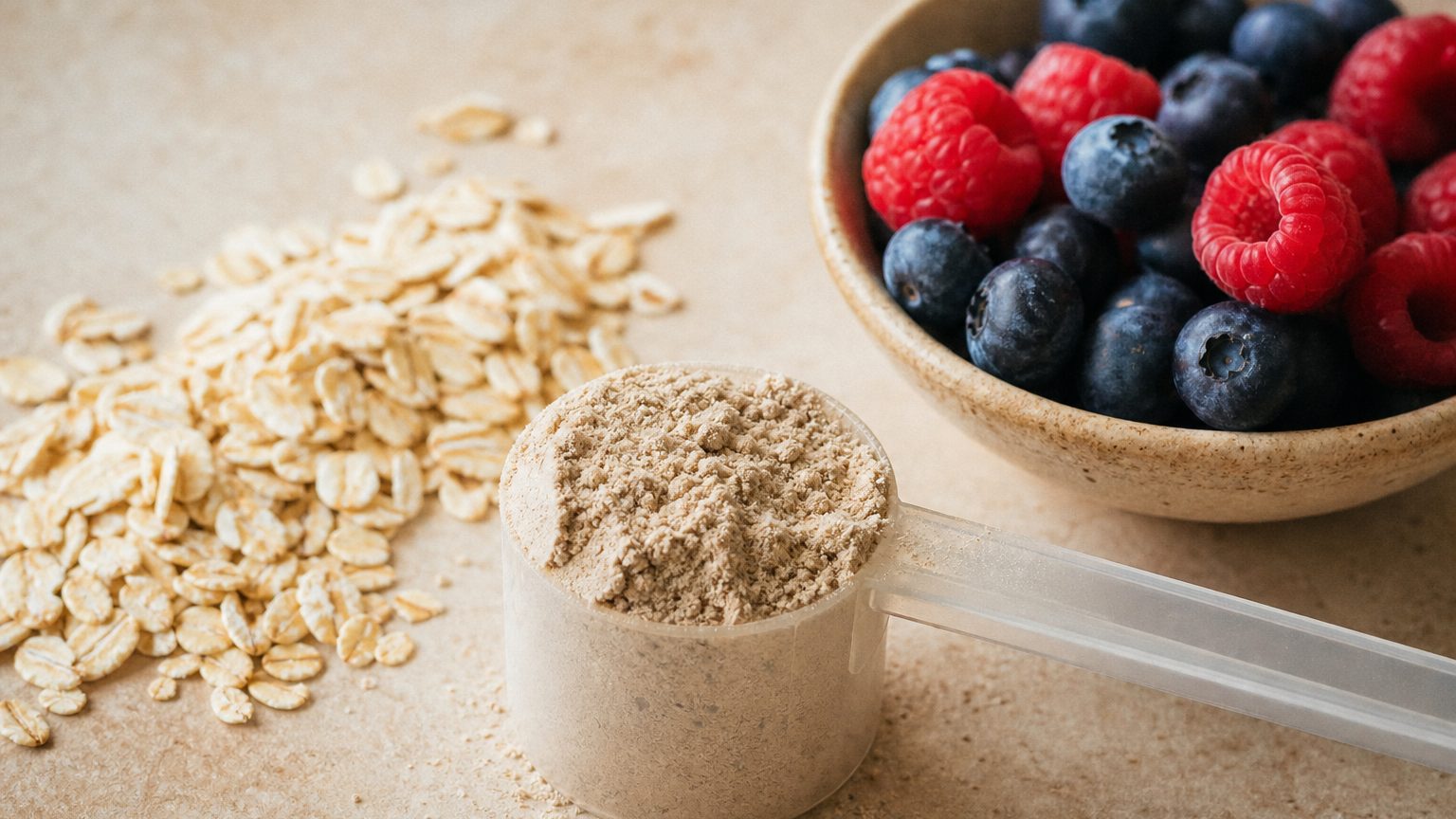
No over-the-counter supplement is clearly the best choice for weight loss, and most produce small or inconsistent results. If you are asking, "what is the best supplements for weight loss," the useful answer depends on whether you need help with fullness, protein intake, workout performance, or another specific gap in your routine.
Key Takeaways
- No clear winner: Research has not identified one nonprescription supplement that reliably produces substantial weight loss.
- Purpose matters: Protein and certain fibers may support fullness, while caffeine may temporarily support alertness and energy expenditure.
- Results stay modest: Even promising ingredients generally produce small average changes when studied alongside diet and activity habits.
- Belly fat myth: Supplements cannot control where your body loses fat, regardless of claims aimed at women or men.
- Labels deserve scrutiny: Look for disclosed amounts, realistic claims, clear directions, and credible independent testing.
- Routine comes first: Food quality, movement, sleep, and consistency have a larger role than any supplement.
What the Evidence Shows
The honest answer to "what are the best supplements for weight loss" is less exciting than many advertisements suggest. No over-the-counter ingredient consistently creates large, lasting changes in body weight. Systematic reviews, which combine results from multiple studies, commonly find small average effects, mixed findings, or evidence that is too limited to support a confident conclusion.
That does not make every supplement useless. A product can support a specific part of your routine without directly causing meaningful weight loss. For example, protein may help you feel satisfied and maintain lean mass during a calorie-reduced diet. Soluble fiber absorbs water and forms a gel, which may help promote fullness. Caffeine can temporarily increase alertness and energy expenditure, although your body may become less responsive with regular use.
The size and quality of a study matter. A short trial involving a small group cannot show whether an effect will persist for months or apply to a broad population. Researchers must also separate an ingredient's effect from changes in eating, exercise, sleep, and coaching. If everyone in a study receives lifestyle support, the supplement may account for only a fraction of the result.
Watch the difference between statistical significance and practical significance. A result can be unlikely to have occurred by chance but still be too small for most people to notice. Individual results can also vary, so an average does not guarantee what will happen for you.
Ingredients With Better Support
Protein is one of the more practical options, but it is food support rather than a fat-burning shortcut. Research on higher-protein eating patterns suggests they may promote fullness and help maintain lean mass during weight management. Protein powder can make it easier to meet your needs when whole-food protein is inconvenient, but adding shakes on top of your usual intake also adds calories.
Whey, casein, soy, pea, and blended plant proteins can all contribute useful protein. The best option is one you tolerate, enjoy, and can fit into your overall eating pattern. Whey isolate contains a higher proportion of protein and typically less lactose than whey concentrate, but that does not make it an automatic weight loss product.
Certain soluble fibers also have a reasonable mechanism. Research on glucomannan, psyllium, and similar fibers suggests they may support fullness, but weight findings are inconsistent and usually modest. Fiber needs adequate fluid, and adding too much too quickly can cause digestive discomfort. Follow the product label rather than copying a dose from a different fiber product.
Research on caffeine and green tea extracts has found small, inconsistent changes in energy expenditure and body weight. Caffeine may be more useful for alertness or workout effort than for changing the scale. Concentrated extracts are not equivalent to drinking tea, and more stimulant does not mean more benefit.
None of these ingredients can select abdominal fat. Searches for the best supplements for belly fat loss, whether for females or males, reflect a common goal, but your genetics and overall energy balance influence where fat changes occur. For a broader look at preserving muscle while changing body composition, see supplements for body recomposition.
Popular Options With Mixed Evidence
Probiotics are live microorganisms intended to support the community of microbes in your digestive tract. Studies examining body weight vary by bacterial strain, product, population, and trial length. Because different strains can act differently, a positive study on one strain does not establish that every probiotic supports weight management.
Conjugated linoleic acid, usually shortened to CLA, has produced small and inconsistent body-composition changes in research. Chromium is often promoted for metabolism, but trials generally have not shown a meaningful advantage for most people. Green coffee bean, chitosan, guar gum, bitter orange, and capsaicin products also lack strong, consistent evidence for substantial weight changes.
Collagen deserves separate context. It provides protein, but it is not a complete protein because its essential amino acid profile is limited. There is no established collagen type that specifically promotes fat loss. If your main goal is meeting protein needs or maintaining muscle, a complete protein is usually more directly aligned with that job. Read more about collagen powder and weight loss.
Greens powders can supply selected plant ingredients, depending on the formula, but they do not reproduce the fiber, volume, and full nutrient range of whole vegetables. They may support nutrient intake when a diet has gaps, yet research does not establish greens powders as direct weight loss aids.
Be especially skeptical of proprietary blends, which list a total blend amount without disclosing how much of each ingredient is present. That makes it difficult to compare the formula with research or determine how much caffeine and other active ingredients you are taking.
Match the Supplement to Your Goal
Instead of looking for the strongest fat burner, identify the obstacle you are actually trying to solve. If meals leave you hungry, review their protein, fiber, volume, and overall balance before buying a product. A protein powder or labeled fiber supplement might support that plan, but neither compensates for a routine built around foods that do not satisfy you.
If preserving muscle is the priority, adequate protein and resistance training matter more than metabolism blends. If low energy is interfering with workouts, sleep, meal timing, hydration, and overall calorie intake deserve attention before stimulants. Caffeine can temporarily support alertness, but it can also disrupt sleep, which may make a consistent routine harder.
Women and men do not usually need fundamentally different weight management supplements. Products marketed by sex often rely on packaging or minor formula changes rather than evidence of a unique effect. Pregnancy, breastfeeding, medications, health conditions, and individual nutrient needs can change what is appropriate, so those factors matter more than a label saying "for women" or "for men."
Vitamins deserve similar realism. Correcting a confirmed nutrient shortfall can support normal energy metabolism, which is how your body converts food into usable energy. Taking extra vitamins beyond your needs has not been shown to make body fat disappear. If fatigue or another concern is persistent, discuss it with your healthcare professional rather than assuming a weight loss vitamin is the answer.
Choose and Use Products Carefully
Start with the Supplement Facts panel. Look for individually listed ingredient amounts, a clear serving size, stimulant disclosure, practical directions, and contact information for the company. Independent testing can help verify identity and screen for contaminants, but it does not prove that a formula produces a particular result.
Avoid products promising rapid changes, effortless results, or loss from one body area. Terms such as "thermogenic," "metabolism support," and "fat burner" do not tell you the size or quality of the evidence. Before-and-after photos are also not controlled research and may reflect differences in lighting, posture, eating, training, or time.
Choose one measurable purpose for a supplement. That might be making breakfast higher in protein, adding labeled fiber to a low-fiber routine, or supporting workout alertness. Changing several supplements at once makes it difficult to identify what helps or causes an unwanted effect.
Follow label directions and give your broader routine enough time to become consistent. Track behaviors such as meal regularity, protein intake, produce intake, resistance training, daily movement, and sleep. Body weight naturally fluctuates with hydration, sodium, carbohydrate intake, digestion, and the menstrual cycle, so a single reading reveals little.
Review the plan after several weeks rather than expecting an immediate answer. Stop and reassess if the product creates unpleasant effects or makes sleep, digestion, or everyday consistency worse. A supplement should make a sound routine easier to maintain, not add unnecessary complexity.
LEAN - Body Composition Improvement Formula is a third-party-tested option designed to support healthy body composition and weight management. Its label directs you to take 2 capsules 30 to 45 minutes before meals and says it is best taken every day; for maximum results, the directions specify 2 capsules three times per day. Follow the label, and pair any formula with balanced meals, regular movement, resistance training, and consistent sleep.
Understand Safety and Expectations
Dietary supplements are regulated differently from prescription and over-the-counter medications. Manufacturers are responsible for product safety and truthful labeling, but a supplement does not need premarket approval proving weight loss effectiveness. A product being available for sale is not evidence that its claims have been confirmed in large, long-term trials.
Stimulant-containing formulas deserve particular care. Caffeine may cause nervousness, shakiness, digestive discomfort, a racing heartbeat, or disrupted sleep in some people. Multiple products can contribute caffeine, including coffee, tea, energy drinks, pre-workout powders, and supplements, so read every label rather than evaluating each source separately.
Botanical extracts can also interact with prescriptions or duplicate ingredients found in other products. Speak with your doctor or pharmacist before using a weight management supplement if you take prescription medication. You should also seek medical guidance during pregnancy or breastfeeding, for kidney or liver conditions, for any existing medical condition, and before giving supplements to children.
Do not try to mimic prescription medicines with an unverified supplement combination. Prescription weight management medications have specific indications, screening requirements, expected effects, and side-effect profiles. Questions about whether one is appropriate belong with a licensed healthcare professional.
Finally, set a realistic definition of success. A useful supplement might make it easier to reach a protein target, feel satisfied after meals, or follow a workout routine. Those are supportive functions, not proof that the product will produce a particular scale result. Lasting weight management still depends on habits you can repeat, and progress rarely follows a perfectly straight line.