
What Are the Benefits of Fiber Supplements?
 Written by Nauder Khazan
Ask AI about this article and Organic Fiber





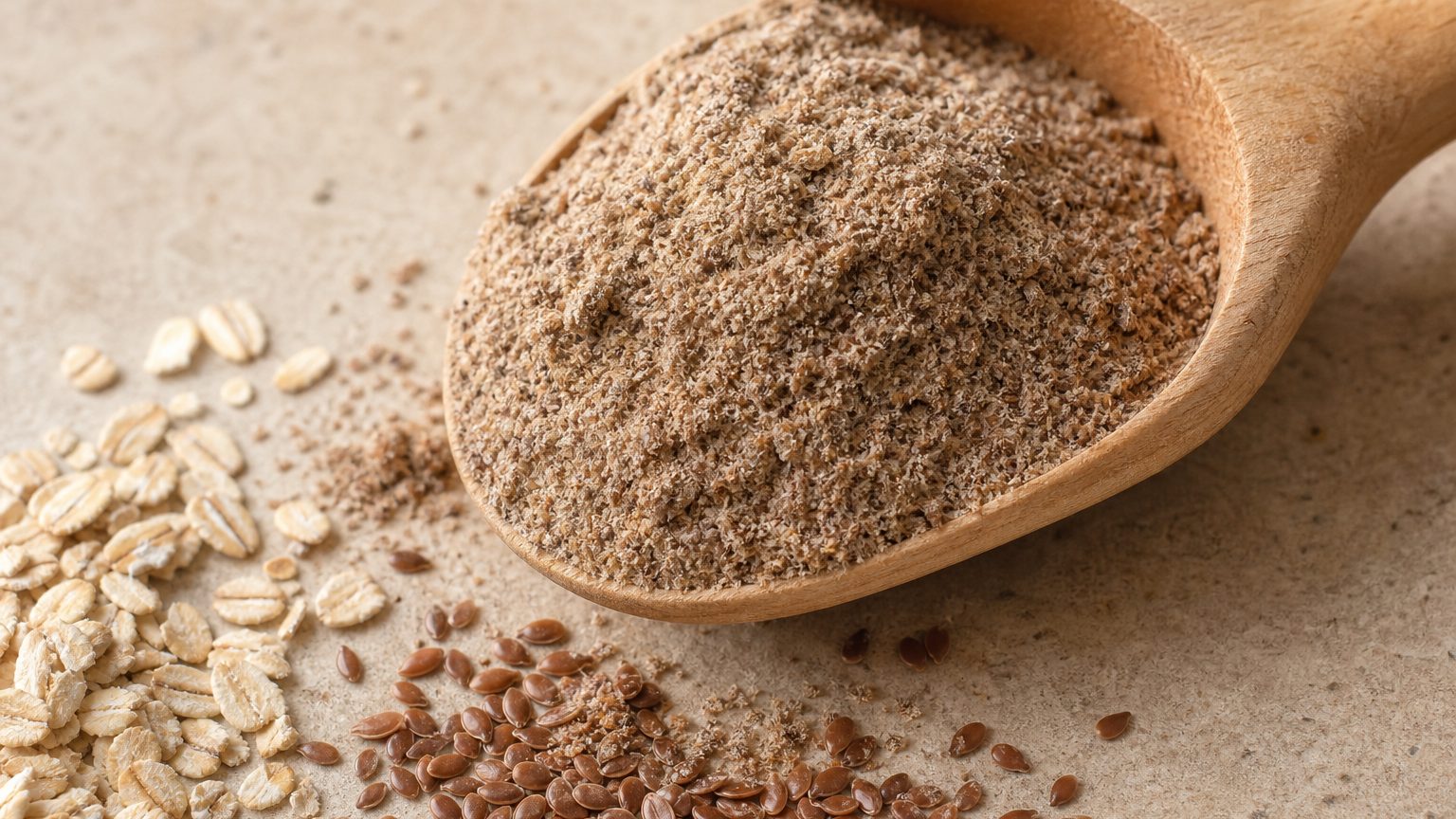
Fiber supplements can support regular bowel habits, beneficial gut microbes, fullness and healthy cholesterol and blood sugar levels. Their effects depend on the type of fiber, how consistently you take it and whether you still eat a varied, fiber-rich diet.
Key Takeaways
- Regularity support: Certain fibers hold water and help produce softer, easier-to-pass stools.
- Different fibers: Solubility, viscosity and fermentation determine what a fiber does in your body.
- Metabolic support: Research on viscous soluble fibers suggests support for healthy cholesterol and post-meal blood sugar responses.
- Gradual changes: Increasing fiber too quickly can cause gas, bloating or cramping.
- Food still matters: Supplements can close an intake gap, but they do not replace varied plant foods.
How Fiber Supplements Work
Dietary fiber is the part of plant food that your digestive enzymes cannot fully break down. It moves into the large intestine, where it may hold water, form a gel or be fermented by gut microbes. Fermentation means microbes use fiber as fuel and produce compounds such as short-chain fatty acids.
The familiar labels "soluble" and "insoluble" provide only part of the picture. Three properties often predict a supplement's effects more accurately:
- Viscosity describes whether fiber forms a thick gel. Psyllium is a common viscous fiber.
- Water-holding capacity describes how much water fiber retains as it moves through your digestive tract.
- Fermentability describes how readily gut microbes consume it. Inulin and certain resistant starches are highly fermentable, while psyllium ferments slowly.
These differences explain why fiber supplements are not interchangeable. A rapidly fermented fiber may nourish certain microbes but cause more gas. A gel-forming fiber may have stronger evidence for stool consistency and healthy cholesterol support. A fiber that dissolves clearly in water is not necessarily viscous enough to deliver the same effects.
This is also why research on one ingredient should not be applied automatically to every powder, gummy or capsule. You need to examine the actual fiber source, grams per serving and serving directions rather than relying on the total carbohydrate number.
1. Supports Regular Bowel Habits
One of the clearest benefits of taking fiber supplements is support for regular bowel movements. Water-holding fibers can increase stool moisture and bulk, which may make stools easier to pass. This can be useful when your usual diet does not consistently provide enough fiber.
Psyllium has particularly good evidence because it forms a gel and retains water throughout the digestive tract. Reviews of research on psyllium report favorable changes in bowel movement frequency and stool consistency among people with irregular or infrequent stools. Coarse wheat bran can also increase stool bulk, although its effect depends on particle size and adequate fluid intake.
More fiber is not always better. Some highly fermentable fibers are consumed by microbes before they can contribute much water-holding material to the stool. They may support the gut microbiome while doing less for stool consistency. A poorly hydrated fiber supplement may also feel uncomfortable rather than helpful.
Look for trends over several days instead of expecting an immediate result from one serving. Stool consistency, ease of passage and regularity are more useful measures than simply counting trips to the bathroom. Persistent pain, bleeding or a sudden change in bowel habits deserves medical attention rather than self-management with a supplement.
2. Nourishes Beneficial Gut Microbes
Some fiber supplements act as prebiotics. A prebiotic is a substance selectively used by certain gut microbes in a way that supports health. Inulin, fructooligosaccharides and galactooligosaccharides are common examples, but not every fiber qualifies as a prebiotic.
When microbes ferment these fibers, they create short-chain fatty acids, including butyrate, acetate and propionate. These compounds help maintain the environment of the colon and provide fuel for cells lining the large intestine. Research also suggests that different fibers encourage different microbial communities, which is one reason variety matters.
The microbiome response is highly individual. Your usual diet, existing microbes, serving size and frequency can all affect what happens. A fiber that causes noticeable gas in one person may be comfortable for another. More gas also does not prove that a product is "working," and no digestive sensation can tell you exactly how your microbiome changed.
For broader microbial diversity, combine a supplement with beans, lentils, whole grains, vegetables, fruit, nuts and seeds as tolerated. These foods provide many fiber structures plus plant compounds that isolated supplements may not contain. The strongest practical approach is not finding one perfect fiber, but regularly giving your gut microbes a range of plant materials.
3. Supports Healthy Metabolic Markers
Viscous soluble fibers form a gel that slows how quickly nutrients mix with digestive enzymes and move through the small intestine. Research on psyllium, beta-glucan and similar fibers suggests this property can support healthy LDL cholesterol levels and a steadier blood sugar response after meals.
The evidence is ingredient-specific. Meta-analyses of controlled trials on psyllium have found favorable changes in LDL cholesterol, while research on oat and barley beta-glucan also supports healthy cholesterol maintenance. Trials studying viscous fibers with meals have reported smaller post-meal blood sugar rises in some groups. These findings should not be generalized to a nonviscous fiber just because its label says "soluble fiber."
Fiber supplements also do not replace prescribed care, movement, sleep or an eating pattern built around minimally processed foods. Their effects tend to be modest and depend on regular use. A serving taken occasionally is unlikely to produce the same pattern seen in studies that use a defined amount consistently for weeks or months.
If you take medication for blood sugar, cholesterol or another existing medical condition, ask your doctor or pharmacist before adding supplemental fiber. Fiber can change the absorption timing of certain medicines, and your clinician can advise you on appropriate separation based on the specific prescription.
4. Promotes Fullness Between Meals
Fiber may help you feel satisfied because certain types absorb water, increase the volume of what is in your digestive tract and slow movement from the stomach. Viscous fibers generally have more consistent evidence for fullness than fibers that dissolve without forming a substantial gel.
Research on fiber and appetite is mixed. Some trials report less hunger or lower food intake after a fiber serving, while others find little meaningful difference. The fiber source, amount, timing, meal composition and individual response all influence the result. Feeling fuller after one serving also does not guarantee a long-term change in body weight.
If fullness is your goal, pay attention to the complete meal. Protein, minimally processed carbohydrates, healthy fats and water all contribute to satisfaction. A fiber drink alongside a low-protein, highly refined meal cannot make up for the meal's overall composition.
Avoid using fiber to skip food or pursue rapid weight loss. Instead, consider it one possible support for a consistent eating routine. Take it only as directed, drink sufficient fluid and evaluate how you feel over time. Sustainable weight management still depends on your overall food pattern, activity, sleep and other personal factors.
5. Helps Close a Fiber Gap
Adult fiber targets vary with age, sex and calorie needs, but a commonly used benchmark is about 14 grams per 1,000 calories. Many people find that consistently reaching an appropriate intake takes planning, especially when meals rely heavily on refined grains or other low-fiber foods.
A supplement offers a measured, convenient amount on days when food intake falls short. This can be useful during travel, busy work periods or gradual dietary changes. Check the Nutrition Facts panel because a scoop of powder, several capsules and a serving of gummies may provide very different amounts of fiber.
Convenience is not nutritional equivalence. Whole plant foods provide combinations of fiber, vitamins, minerals and plant compounds. They also expose your gut microbes to a wider range of fiber structures. Fruit powders and leafy plant powders vary widely in fiber content, so review the serving information rather than assuming every plant-based powder is a high-fiber supplement. Our guides to aronia powder benefits and alfalfa for women explain how to evaluate other plant ingredients without confusing them with dedicated fiber products.
Think of supplemental fiber as gap support. Build meals around varied plant foods where practical, then use a clearly labeled supplement to help maintain consistency.
How to Choose a Fiber
Start with your main reason for using fiber, then match that goal to the ingredient's physical properties. For general regularity and stool consistency, look for a fiber with meaningful water-holding capacity. For healthy cholesterol or post-meal blood sugar support, research is strongest for specific viscous fibers rather than every soluble fiber.
If microbiome support is your priority, look for a clearly identified fermentable or prebiotic fiber. Begin cautiously because rapidly fermented ingredients can produce more gas. Blends may provide several fiber types, but they make it harder to know how much of each researched ingredient you receive.
Use this checklist when comparing products:
- Identify each fiber source rather than accepting a vague "fiber blend."
- Check grams of dietary fiber per serving, not just scoop size.
- Review added sugar, sweeteners and other ingredients.
- Look for testing and manufacturing information actually stated by the brand.
- Choose a format you can use consistently without exceeding label directions.
Powders usually make it easier to consume several grams with fluid. Capsules may require multiple units to provide a comparable amount, while gummies can include added ingredients and relatively little fiber. Organic status describes production standards, not whether a particular fiber will be more effective for your goal.
Most importantly, avoid choosing solely from a headline claim. Evidence for psyllium, inulin or beta-glucan is research on that ingredient, not proof that every finished product will produce the same outcome.
How to Take Fiber
Follow the product label because serving sizes and mixing instructions vary. For a powder, mix it thoroughly with the stated amount of water or another beverage and drink it before it thickens beyond your preference. Maintain normal fluid intake throughout the day unless a healthcare professional has told you to restrict fluids.
Increase your routine gradually rather than making a large jump overnight. Your digestive system and gut microbes need time to adjust. If you experience uncomfortable gas or bloating, return to the last comfortable amount and follow the label rather than repeatedly increasing the serving.
Morning versus night matters less than consistency and tolerance. Some people prefer fiber between meals or before eating because it may promote fullness. Others take it with food to make the routine easier to remember. Avoid taking a thickening fiber immediately before lying down, and never swallow a dry powder.
Fiber can affect how certain medicines and supplements are absorbed. Ask your doctor or pharmacist how to schedule it around prescriptions instead of relying on a universal spacing rule. You should also seek personal guidance if you are pregnant or breastfeeding, have kidney or liver conditions, live with an existing medical condition, or are considering fiber for a child.
If you prefer a multi-source powder, Organic Fiber provides 8 grams of fiber per serving from 10 plant-based sources and is listed as organic, vegan, gluten free and third party tested. Follow its label by mixing one scoop into 6 to 8 ounces of water, juice or a smoothie. Use it between meals or 30 to 60 minutes before eating to support digestion and promote fullness.
Risks and Realistic Expectations
The most common downsides of fiber supplements are gas, bloating, cramping and changes in stool frequency. These effects are more likely when you add a large amount quickly, choose a highly fermentable fiber or do not consume enough fluid. Gradual, label-directed use is usually easier to tolerate.
A dry or insufficiently mixed thickening fiber can present a swallowing risk. Always follow the mixing directions and do not use a product if you have difficulty swallowing unless your doctor has approved it. Stop use and seek medical care for trouble swallowing, severe pain, vomiting, bleeding or another concerning reaction.
Fiber may also interfere with the timing of medication absorption. People with existing digestive conditions, swallowing problems, kidney or liver conditions, or medically required fluid restrictions should speak with a doctor before use. The same applies during pregnancy or breastfeeding and for anything involving children or pets.
Are fiber supplements worth taking? They can be when they solve a clear problem, such as an inconsistent food intake or a need for a specific researched fiber property. They are less useful if you expect one generic product to provide every benefit associated with high-fiber diets.
Give a well-tolerated routine time to become consistent, and judge it by practical outcomes such as stool comfort, regularity and ease of use. Supplements support a daily routine. They do not replace varied food, adequate fluid, physical activity or professional care when symptoms persist.