
Goji Berry Benefits for Women
 Written by Ben Glinsky
Ask AI about this article and Organic Super Reds





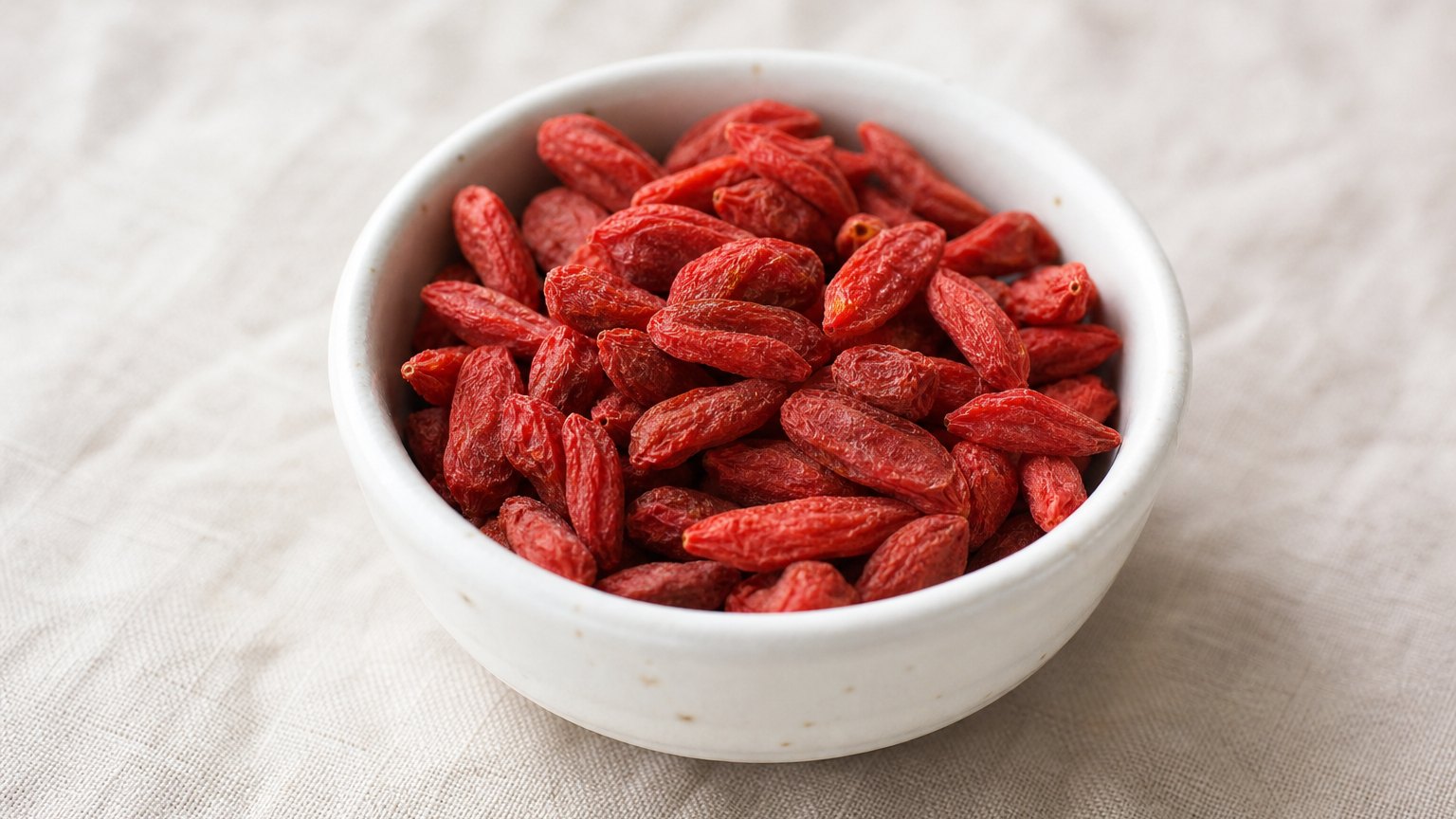
Goji berries can add iron, fiber, vitamin C, and the eye-supporting antioxidant zeaxanthin to your diet. Small human trials also suggest possible benefits for sleep quality and general wellbeing, but those findings are preliminary and do not support the bigger hormone, fertility, or anti-aging claims often used in marketing. Here is what the research actually shows, plus practical ways to eat goji berries safely.
Key Takeaways
- Iron stands out: One ounce of dried goji berries provides about 1.9 milligrams of iron, although plant-based iron is not absorbed as efficiently as iron from meat.
- Zeaxanthin supports the eyes: This colorful antioxidant accumulates in the retina, and small studies suggest goji intake may support macular pigment.
- Sleep evidence is preliminary: One short juice trial found improvements in self-reported sleep quality and wellbeing, not a treatment effect for insomnia.
- Food portions are simplest: Add dried berries to oatmeal, yogurt, trail mix, or smoothies while watching serving size and added sugar.
- Medication interactions matter: Goji has documented interactions with warfarin and may also affect people taking blood pressure or diabetes medication.
What Goji Berries Contain
Goji berries, also called wolfberries, are the orange-red fruits of plants in the Lycium family. They have been eaten in China and other parts of Asia for centuries. In the United States, you are most likely to find them dried, powdered, juiced, or included in tea and supplement blends.
A one-ounce serving of dried goji berries provides roughly 3.6 grams of fiber, 1.9 milligrams of iron, and 13.6 milligrams of vitamin C, according to the USDA food database. Exact amounts vary by growing conditions and brand. Drying also concentrates the fruit's natural sugar and calories, so a small portion contains more than the same weight of fresh fruit.

Dried goji berries offer fiber, iron, vitamin C, and colorful plant compounds in a concentrated serving.
Goji berries also contain carotenoids. These are plant pigments that give red, orange, and yellow produce its color. The most notable carotenoid in goji is zeaxanthin, an antioxidant found in the light-sensitive tissues of your eyes. Beta-carotene, another carotenoid, can be converted into vitamin A as your body needs it.
These nutrients make goji berries a useful food, not a cure-all. There is no good evidence that eating them balances female hormones, improves fertility, reverses aging, or produces dramatic weight loss. Most basic benefits also apply to men, as explained in our guide to goji berry benefits for men. For women, iron deserves extra attention because monthly blood loss can increase iron needs before menopause.
Iron and Why Absorption Matters
Dried goji berries contain more iron than many fruits. One ounce supplies about 1.9 milligrams, a little over 10 percent of the recommended 18 milligrams per day for most menstruating adult women. Needs rise during pregnancy, but goji berries should not be used as a substitute for prenatal care or an iron supplement prescribed by your doctor.
The iron in goji berries is non-heme iron, the form found in plants. Your body generally absorbs it less efficiently than heme iron from meat and seafood. That means the number on a nutrition label does not tell you how much iron ultimately enters your bloodstream.

Pairing plant-based iron sources with vitamin C-rich foods can help your body absorb more iron.
You can improve absorption by pairing goji berries with vitamin C. Try adding them to oatmeal with strawberries, blending them with citrus fruit, or mixing them into yogurt alongside kiwi. Goji berries contain some vitamin C themselves, though amounts can decline with processing and storage.
Tea, coffee, calcium supplements, and compounds called phytates can reduce non-heme iron absorption when consumed at the same time. You do not need to avoid those foods completely. If iron intake is a concern, simply separate tea, coffee, or a calcium supplement from an iron-rich meal by an hour or two.
Fatigue, weakness, shortness of breath, headaches, and feeling unusually cold can occur with iron deficiency, but they can have many causes. Do not assume goji berries will correct them. Ask your doctor about blood testing, especially if you have heavy periods, follow a vegetarian or vegan diet, are pregnant, or have previously had low iron. Food can support your intake, while diagnosed deficiency may require a more targeted plan.
Zeaxanthin and Eye Health
Zeaxanthin is one of goji berries' best-studied compounds. It collects in the macula, the central part of the retina responsible for sharp, detailed vision. Along with lutein, zeaxanthin helps filter some high-energy light and helps protect eye tissues from oxidative stress, which is cell strain caused by unstable molecules.
Goji berries provide zeaxanthin in a form the body can absorb. A small randomized trial involving 27 healthy adults ages 45 to 65 compared dried goji berries with a commercial lutein and zeaxanthin supplement. Participants eating 28 grams of goji berries five times per week for 90 days had an increase in macular pigment optical density, a measure of protective pigment in the macula. The trial was small, so the result needs confirmation in larger and longer studies.
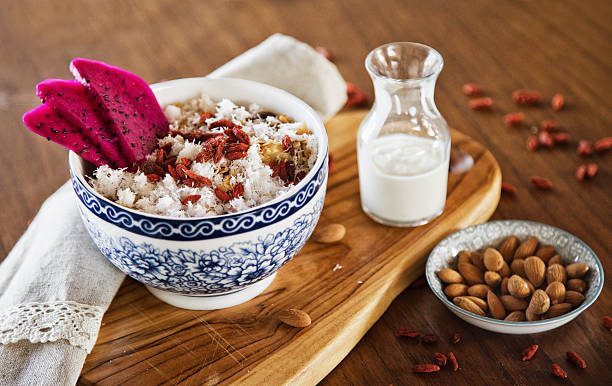
Goji berries contain zeaxanthin, a carotenoid found naturally in the light-sensitive tissues of the eyes.
An earlier 90-day study in healthy older adults also reported changes in blood zeaxanthin and certain macular measurements after daily wolfberry intake. These results suggest a possible role in supporting normal eye health as you age. They do not prove that goji berries prevent glaucoma, macular degeneration, cataracts, or vision loss.
For everyday eye nutrition, variety still matters. Dark leafy greens, eggs, corn, orange peppers, and other colorful fruits and vegetables also provide lutein, zeaxanthin, or related carotenoids. Regular eye exams remain essential, particularly if you have diabetes, a family history of eye disease, sudden visual changes, or an existing eye condition. Goji berries can complement that routine, but they cannot replace professional eye care.
What the Small Trials Measured
Claims about goji berries often jump from an interesting early result to a guaranteed health benefit. The human evidence is much narrower. Most trials have been short, used small groups, or tested a specific goji juice or standardized preparation rather than an ordinary handful of dried fruit.
One frequently cited randomized trial included 34 adults who drank 120 milliliters of goji juice or a placebo each day for 14 days. Participants completed questionnaires about energy, calmness, happiness, mental sharpness, sleep quality, digestive regularity, and general health. The goji group reported improvements in several of these subjective measures, including sleep quality and feelings of wellbeing.
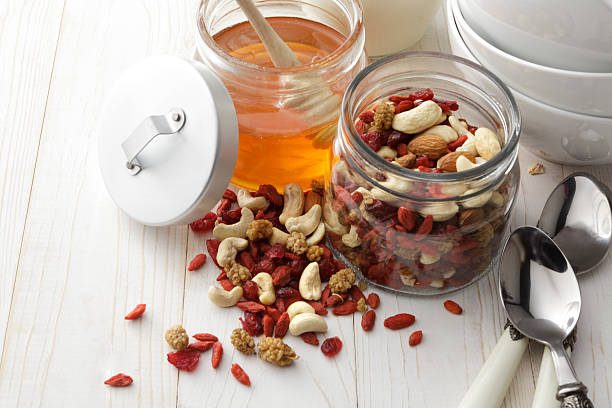
Small trials have measured self-reported wellbeing and sleep quality, but larger studies are still needed.
Subjective means the participants described how they felt. The study did not use overnight sleep monitoring, diagnose sleep disorders, or show that goji treats insomnia, anxiety, or depression. It was also brief and involved a commercial juice, so the findings cannot automatically be applied to dried berries, tea, powder, or every goji product.
The eye trials measured blood carotenoids, macular pigment, and visible characteristics of the macula. They did not establish that goji prevents eye disease. Laboratory and animal studies have explored immune activity, skin responses, blood sugar, and other outcomes, but those experiments cannot tell us whether typical food portions produce the same effects in women.
The fair conclusion is modest. Goji berries are a nutrient-containing fruit with promising early research around eye health and self-reported wellbeing. Better independent studies are needed before making stronger claims. Consistent eating habits, adequate sleep, movement, and medical care matter far more than any single berry.
How to Use Them
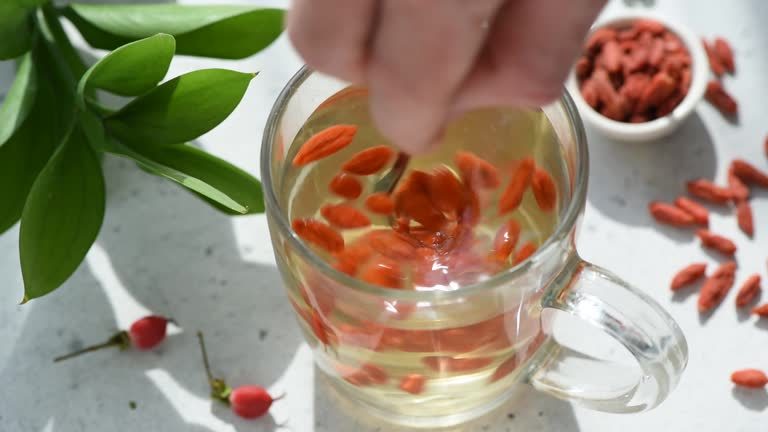
Dried goji berries taste mildly sweet and tart, with a chewy texture similar to raisins. You can eat them directly or soak them in warm water for 10 to 15 minutes to soften them. Add the soaked fruit and liquid to oatmeal, chia pudding, yogurt, or a smoothie so you do not discard the flavor and nutrients left in the water.
A practical food serving is the amount listed on the package, often around one ounce. There is no established therapeutic daily dose. The 28-gram portions used in an eye study provide research context, not a personal recommendation. Start with a smaller amount if you are not accustomed to dried fruit or fiber, especially if larger portions cause gas or loose stools.
Dried goji berries can be added to oatmeal, yogurt, trail mix, salads, and smoothies.
Goji berries also work in trail mix, grain bowls, salads, muffins, and homemade snack bars. Check packaged products for added sugar because the fruit is already naturally sweet. If you use a powder, juice, extract, or capsule, follow its label directions rather than trying to convert a study serving yourself. Concentrated products may not behave exactly like whole fruit.
Goji berries are naturally caffeine-free, but a tea or drink containing them may include green tea, black tea, guarana, or another source of caffeine. Read more in do goji berries have caffeine. There is no proven best time to eat them. Breakfast and afternoon snacks are convenient, while people prone to reflux or digestive discomfort may prefer not to eat a large portion near bedtime.
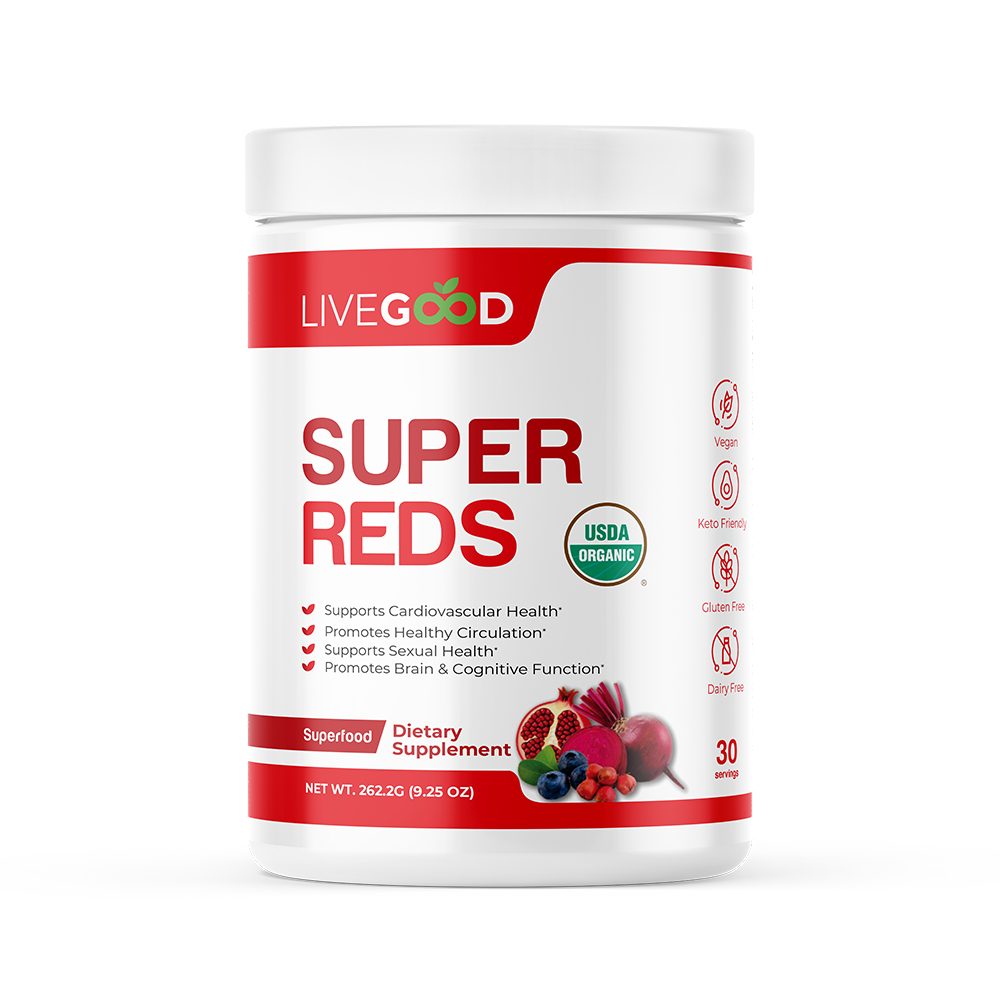
LiveGood Organic Super Reds is a great-tasting red fruit and vegetable extract powder formulated to support the body's production of nitric oxide and promote healthy blood circulation. Mix it with water or a smoothie according to the label directions. It is popular before a workout or as an afternoon pick-me-up. Members pay $19.95 versus $34.95 retail, supporting LiveGood's mission to "Provide the highest quality supplements in the world, at the lowest prices possible."
Interactions and Who Should Avoid Them
Goji berries can interact with warfarin, a prescription blood thinner. Published case reports describe raised INR after goji juice, tea, or other goji products were added to a patient's routine. INR is a blood test that shows how long clotting takes. A high result can increase bleeding risk. If you take warfarin, do not start goji without talking to your doctor or anticoagulation clinic.
Goji may also affect blood sugar or blood pressure. Human evidence is limited, but concentrated goji products could add to the effects of diabetes or blood pressure medication. That could make glucose or blood pressure fall lower than intended. Talk to your doctor or pharmacist before using goji regularly if you take either type of medicine. Do not change your medication based on a food or supplement claim.
Medication use, pregnancy, breastfeeding, and existing health conditions call for professional guidance before regular goji use.
Pregnancy requires added caution. Goji has traditionally been avoided during pregnancy, and reliable safety research in pregnant people is lacking. That is not proof that a normal food exposure causes harm, but there is not enough evidence to give broad clearance. Ask your obstetrician or midwife before eating goji berries regularly or using goji tea, juice, extracts, or supplements. Use the same approach while breastfeeding.
Avoid goji if you have previously had an allergic reaction to it. People with allergies to related plants may also want to be cautious. Stop using it and seek urgent care for trouble breathing, facial swelling, or widespread hives.
If you have kidney disease, liver disease, an existing medical condition, or an upcoming procedure, talk to your doctor before taking concentrated goji products. Whole berries can fit many balanced diets, but more is not automatically better. The safest routine is a moderate food portion, label-directed use for supplements, and professional guidance when medications or health conditions are involved.
Frequently Asked Questions
What are the benefits of goji berries for women?
Goji berries provide iron, fiber, vitamin C, and zeaxanthin, an antioxidant that supports eye tissues. Their iron may be particularly relevant for menstruating women, although plant iron is not absorbed as efficiently as iron from animal foods. Early human research also suggests possible support for macular pigment and self-reported wellbeing, but fertility, hormone-balancing, and dramatic anti-aging claims are not established.
Do goji berries help with sleep?
Goji berries may support perceived sleep quality, but the evidence comes from one small, short trial. Adults who drank goji juice for 14 days reported better sleep quality than a placebo group. Researchers did not use overnight sleep testing or study people with diagnosed insomnia. Goji should therefore be treated as a food, not as a sleep treatment or replacement for medical care.
Can you eat goji berries while pregnant?
You should ask your doctor or midwife before eating goji berries regularly during pregnancy. Goji has traditionally been avoided during pregnancy, and strong human safety evidence is not available. Occasional food exposure is different from concentrated tea, juice, extracts, or supplements, but there is not enough research to provide general clearance. Seek individualized advice during pregnancy and breastfeeding.
How many goji berries a day?
There is no established number of goji berries that everyone should eat each day. A packaged serving of dried fruit is often around one ounce, or 28 grams, but you should check the product label and consider your overall dried-fruit intake. Begin with less if fiber causes digestive discomfort. Research serving sizes are study context, not a prescription for personal use.
Do goji berries interact with medication?
Yes, goji berries can interact with medication, most notably warfarin. Case reports describe increased INR, which can raise bleeding risk, after people consumed goji products while taking this blood thinner. Goji may also add to the effects of blood pressure or diabetes drugs. If you use prescription medication, talk to your doctor or pharmacist before making goji a regular habit.