
Gut Health Supplements That Actually Help
 Written by Nauder Khazan
Ask AI about this article and Probiotic Gut Support





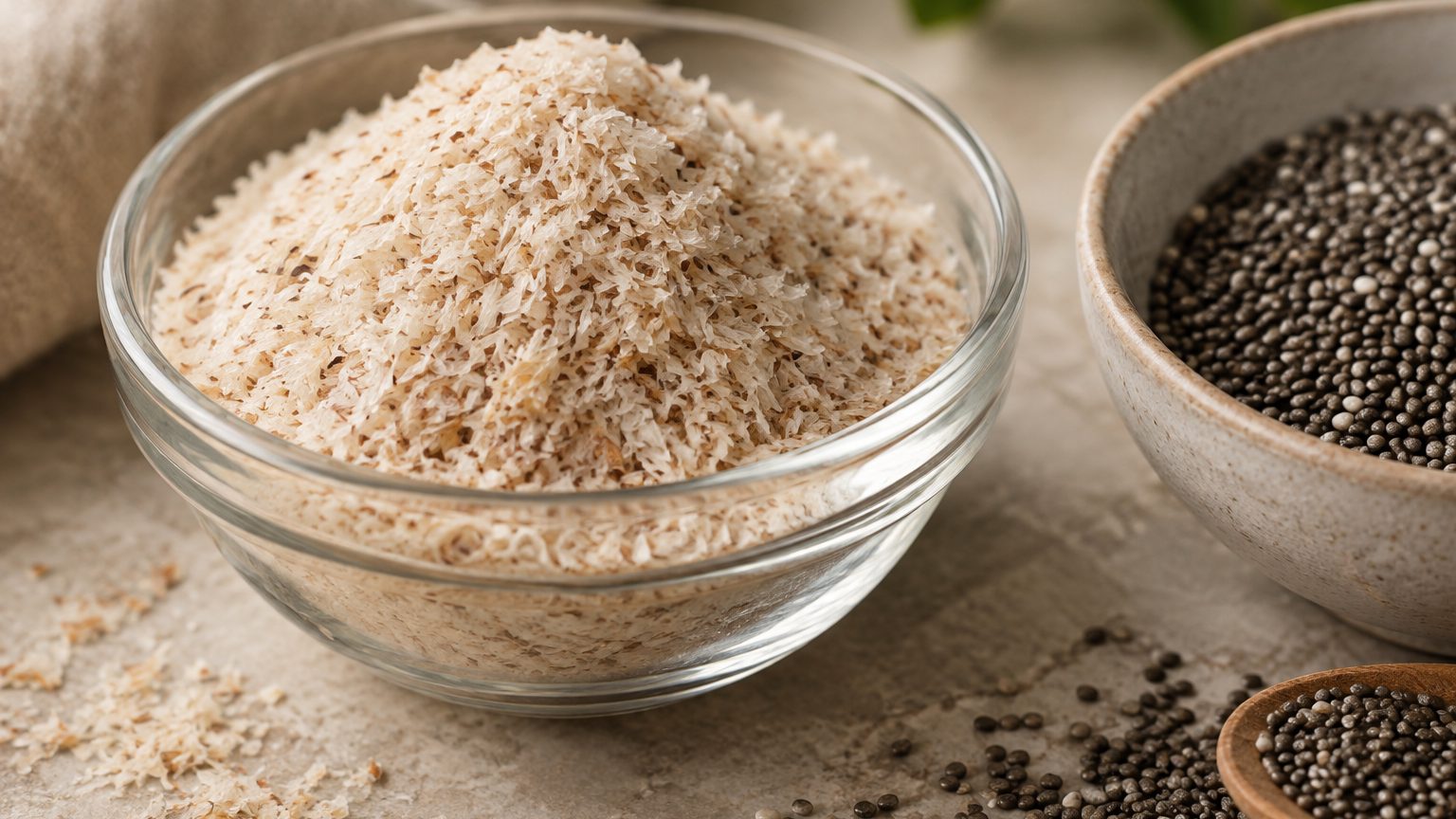
The gut health supplements with the strongest practical case are fiber first, followed by carefully chosen probiotics for specific goals. Prebiotics, digestive enzymes and L-glutamine can have supporting roles, but none repairs every digestive complaint. The best approach starts with food, adds one supplement at a time and measures whether it actually helps.
Key Takeaways
- Start with fiber: Fiber has the broadest evidence for supporting regularity, microbial activity and digestive health.
- Match the supplement: Probiotics, prebiotics and digestive enzymes do different jobs and are not interchangeable.
- Check probiotic details: Benefits depend on the strain, amount, storage and outcome being studied.
- Build gradually: Add one product at a time so you can tell what helps and what causes discomfort.
- Know the limits: Persistent symptoms and digestive red flags need medical evaluation, not a larger supplement stack.
What Gut Health Means
Gut health is not a single score. In practical terms, it includes comfortable and reasonably predictable bowel movements, manageable gas and bloating, and the ability to digest a varied diet without frequent disruption. The gut microbiome, the community of microorganisms living in your digestive tract, is part of the picture, but it is not the whole picture.
Microbiome diversity is often used as a marker in research. Greater diversity may reflect a varied diet and a resilient microbial community, but more diversity is not automatically better in every person. Stool tests also capture only part of the digestive tract, and many consumer microbiome reports cannot tell you which supplement you personally need.
Useful measures are usually simpler. Track bowel movement frequency and consistency, digestive comfort, foods that seem to trigger symptoms and whether a change lasts. A supplement that changes a laboratory-style microbiome score without improving how you feel may not be practically valuable.
This is why lists of the best supplements for gut health can be misleading. Fiber, a probiotic and an enzyme may all appear on the list, but they address different needs. Before buying a stack, identify the outcome you want to support, such as regularity, lactose digestion or comfort after certain meals. That gives you a way to judge whether the routine is working.
Fiber Comes First
Fiber has the broadest and most consistent evidence among common gut health supplements. It adds bulk, holds water and gives certain intestinal microbes material to ferment. Fermentation produces short-chain fatty acids, small compounds that help maintain the colon's lining and local environment.
Different fibers behave differently. Insoluble fiber generally adds bulk and helps food move through the digestive tract. Soluble fiber absorbs water, and some forms create a gel that can support stool consistency. Fermentable fibers such as inulin feed gut bacteria, but they may also produce gas, especially when you increase them quickly.
Food should provide much of your fiber through vegetables, fruit, beans, whole grains, nuts and seeds. General nutrition guidance commonly uses about 14 grams per 1,000 calories, although individual needs and tolerance vary. Our guide to how much fiber per day explains the targets and how to increase intake gradually.
A fiber supplement can help close a consistent gap, but more is not always better. Increase fiber gradually, drink adequate fluid and observe how your body responds. Psyllium is relatively gel-forming and less rapidly fermented than inulin, while inulin has a stronger prebiotic effect and may cause more initial gas. Blends can provide both actions, but they are harder to troubleshoot if you react to one component.
LiveGood Organic Fiber supplies 8 grams of fiber per scoop from ten organic plant sources. The label lists agave inulin at 5,250 mg, psyllium and pea fiber at 1,500 mg each, plus baobab, chia, apple cider vinegar, Ceylon cinnamon, lemon, ginger and turmeric. It is Organic, Third Party Tested, Vegan and Gluten Free. The listed price is $14.95 for members and $29.95 retail. For a closer comparison of formats, see the benefits of fiber supplements.
Probiotics Have Specific Jobs
Probiotics are live microorganisms that may provide a benefit when consumed in adequate amounts. They do not permanently repopulate every person's gut, and a high colony-forming unit count, usually shortened to CFU, does not guarantee a better result. Many probiotic organisms pass through temporarily, so consistency and strain selection matter more than dramatic label numbers.
Research on probiotics is strain-specific. Two products containing Lactobacillus rhamnosus may not be equivalent if they use different strains, meaning genetically distinct versions within the same species. Evidence for one strain, amount and outcome should not automatically be applied to another. This is one reason generic top 10 probiotic lists often overstate certainty.
Effects in studies are usually modest and depend on the population and goal. Some people notice better digestive comfort or regularity, while others notice no meaningful difference. A temporary increase in gas can occur when starting, but worsening or persistent symptoms are a reason to stop and reassess. Our probiotics and gut health pillar covers strain selection, CFU counts and research limitations in more depth.
The Probiotic Gut Support label lists two delayed-release capsules per serving and a ten-species probiotic complex providing 60 billion CFU at manufacture. Each species is listed at 6 billion CFU, including Lactobacillus plantarum, L. bulgaricus, L. acidophilus, L. casei, L. salivarius, L. rhamnosus, Streptococcus thermophilus, Bifidobacterium longum, B. lactis and B. bifidum. Delayed-release capsules are designed to carry those organisms past stomach acid, and the formula adds prebiotics and digestive enzymes in the same serving.
The product is Third Party Tested, GMP Certified, Vegan, Gluten Free and Non GMO. Its listed price is $17.95 for members and $34.95 retail. These label features describe the formula and quality records, but they do not establish that the complete combination produced a particular clinical outcome.
Prebiotics And Enzymes Differ
Prebiotics are substrates that gut microorganisms use. Many are fermentable fibers, including inulin and fructooligosaccharides. They differ from probiotics, which supply live microorganisms. A synbiotic combines probiotics and prebiotics, ideally so the components complement each other rather than simply appearing together on a label.
The practical difference in probiotics vs prebiotics is straightforward. A probiotic introduces selected organisms temporarily, while a prebiotic feeds microbes already present. Prebiotics can support microbial fermentation and short-chain fatty acid production, but rapid increases may cause gas or bloating. The Probiotic Gut Support label includes a 150 mg organic prebiotic complex, split between 75 mg of blue agave inulin and 75 mg of Jerusalem artichoke root. Many prebiotic studies use amounts measured in grams, so that distinction matters when comparing a combination product with a dedicated fiber powder.
Digestive enzymes break larger food components into smaller parts that your body can absorb. Protease acts on protein, amylase on starch and lipase on fat. Lactase helps break down lactose, the sugar in dairy foods. Supplemental enzymes have the clearest rationale when a person has difficulty producing enough of a relevant enzyme or needs help digesting a specific meal component.
They are not universal gut cleansers, and taking more enzymes does not necessarily improve a normally functioning digestive system. Probiotic Gut Support provides a 200 mg enzyme complex containing protease, papain, amylase, lipase, cellulase, lactase, maltase, glucoamylase and bromelain. The label does not provide activity units for each enzyme. Activity units show how much work an enzyme can perform, so they are often more informative than total milligrams when comparing digestive enzymes.
The Supporting Ingredients
L-glutamine is an amino acid used by many tissues, including cells lining the intestine. Small trials have examined L-glutamine and gut permeability, which describes how selectively the intestinal barrier allows substances to pass through. Some studies in specific groups report changes, but the evidence is not consistent enough to call L-glutamine a general gut-repair solution.
Study amounts also vary widely. Probiotic Gut Support contains 500 mg of L-glutamine per serving. That label amount should not be treated as equivalent to every amount used in research, and research on L-glutamine does not establish that the complete product delivers the same outcome.
The formula also includes 100 mg each of licorice root, marshmallow root and slippery elm, plus 50 mg of a 200:1 aloe vera extract. These botanicals are commonly included in digestive formulas for soothing support. However, human evidence for specific outcomes is more limited than the evidence supporting adequate dietary fiber. Botanicals can also interact with medicines, so ask your doctor or pharmacist before use if you take a prescription.
Peppermint oil is another ingredient often discussed in supplements for digestion, although it is not listed in this formula. Research on enteric-coated peppermint oil, a form designed to open in the intestine, has reported modest short-term improvements in digestive comfort among certain adults. It can also cause heartburn or a peppermint taste, and the findings do not make it a universal answer for unexplained symptoms.
Ginger and turmeric have also been studied for digestive effects, but marketing often moves beyond the evidence. Treat these ingredients as supporting options, not the foundation of a gut health stack. Food variety, sufficient fiber, hydration and regular eating patterns still do more of the daily work.
Build A Simple Gut Stack
Start with the smallest routine that addresses your goal. A complicated gut health stack makes it difficult to identify what helped, and several fermentable ingredients introduced together can increase gas. Keep your diet reasonably steady while testing one change.
First, build a food base. Include a variety of plant foods across the week and fermented foods if you tolerate them. Regular movement, enough fluid and consistent meal patterns also support normal digestion. Supplements work best as gap-fillers rather than replacements for these habits.
Second, address fiber. If food intake regularly falls short, add a fiber supplement according to its label and increase your overall intake gradually. LiveGood Organic Fiber directions say to mix one scoop into 6 to 8 ounces of water, juice or a smoothie. The label recommends using it between meals or 30 to 60 minutes before eating, with a full glass of water.
Third, consider a probiotic if you have a defined reason to try one. Choose based on the organisms, available strain information, storage instructions and the outcome you want to support, not CFU count alone. Probiotic Gut Support directions are two capsules daily with a glass of water. Delayed-release capsules are designed to postpone opening until later in the digestive tract, but that feature does not replace strain-specific evidence.
Introduce one supplement before adding another. Track stool consistency, frequency, gas and general comfort for a reasonable trial period based on the label supply. If nothing meaningfully changes, adding more products may not be the answer. You may need to reconsider the ingredient, your goal or whether an underlying issue needs professional evaluation. For common misconceptions that can distort this process, review these probiotic myths and facts.
If you want a two-part routine, Organic Fiber provides 8 grams of fiber per scoop; mix one scoop into 6 to 8 ounces of liquid and take it 30 to 60 minutes before a meal with a full glass of water. Probiotic Gut Support is taken as two delayed-release capsules daily with water and is formulated to support digestion. Introduce one product at a time and track comfort and regularity.
Know When To Get Help
Supplements are not the right first response to every digestive change. Blood in the stool, unexplained weight loss, persistent or severe abdominal pain, or a new change in bowel habits after age 50 needs medical evaluation. Seek prompt care rather than trying to cover those signs with fiber, probiotics or botanicals.
You should also speak with your doctor if symptoms keep returning, wake you at night or interfere with eating and daily activities. A food diary can help the conversation, but highly restrictive elimination diets should not be continued without professional guidance. Removing many foods can reduce nutrient and fiber intake while making the original issue harder to interpret.
Ask your doctor or pharmacist about prescription interactions before starting a supplement. This is especially relevant for formulas containing multiple botanicals, concentrated extracts or fiber that may affect how medicines are taken. People who are pregnant or breastfeeding, have kidney or liver conditions, or live with an existing medical condition should get individualized advice. Children should use supplements only with guidance from an appropriate healthcare professional.
Finally, pay attention to direction of change. Mild gas after increasing fermentable fiber may settle as your routine adjusts, but steadily worsening pain, bowel changes or discomfort is not a sign that a supplement is working harder. Stop, reassess and seek medical advice when needed. A useful supplement should make your routine more manageable, not give you a reason to ignore persistent symptoms.
Frequently Asked Questions
Are gut health supplements good for you?
Gut health supplements can be useful when they address a specific need, but they are not automatically beneficial for everyone. Fiber has the strongest general case when dietary intake is low, while probiotic effects depend on the strain and goal. Choose one change at a time, follow label directions and judge it by sustained improvements in comfort or regularity.
What are the best supplements for gut health?
The best starting option for many adults is fiber, particularly when food intake does not meet daily needs. A strain-appropriate probiotic may offer additional support for a defined goal. Prebiotics can feed beneficial microbes, while digestive enzymes are more targeted to specific food components. No single product is best for every digestive concern.
What is the difference between probiotics and prebiotics?
Probiotics provide live microorganisms, while prebiotics provide fermentable material that existing gut microbes can use. Their effects depend on the specific organisms or fibers involved. A product containing both is called a synbiotic, but simply combining the two does not prove that the formula has been clinically studied or that its components work better together.
How do you fix an unhealthy gut?
There is no single supplement that fixes an unhealthy gut. Start with varied plant foods, adequate fiber, hydration, regular movement and consistent eating habits, then address specific gaps. Track comfort and bowel patterns rather than relying on a consumer microbiome score. Persistent symptoms, blood in stool, unexplained weight loss or significant pain require medical evaluation.
Should I take probiotics with minocycline?
Ask your prescribing doctor or pharmacist before combining a probiotic with minocycline. Minocycline is a prescription antibiotic, and the appropriate product and timing depend on why it was prescribed, your health history and the rest of your medicines. Do not change how you take the prescription based only on general probiotic advice.
Should I take a probiotic after diarrhea?
A probiotic may be considered in some situations, but the cause, duration and severity matter. Research findings are strain-specific, so any probiotic is not automatically appropriate. Speak with a healthcare professional if diarrhea is persistent, severe, associated with blood, pain or dehydration, or began after a prescription medicine. Hydration and medical assessment may be more urgent than supplementation.