
Healthy Coffee Creamer: What to Look For
 Written by Nauder Khazan
Ask AI about this article and PEAK Coffee Enhancer





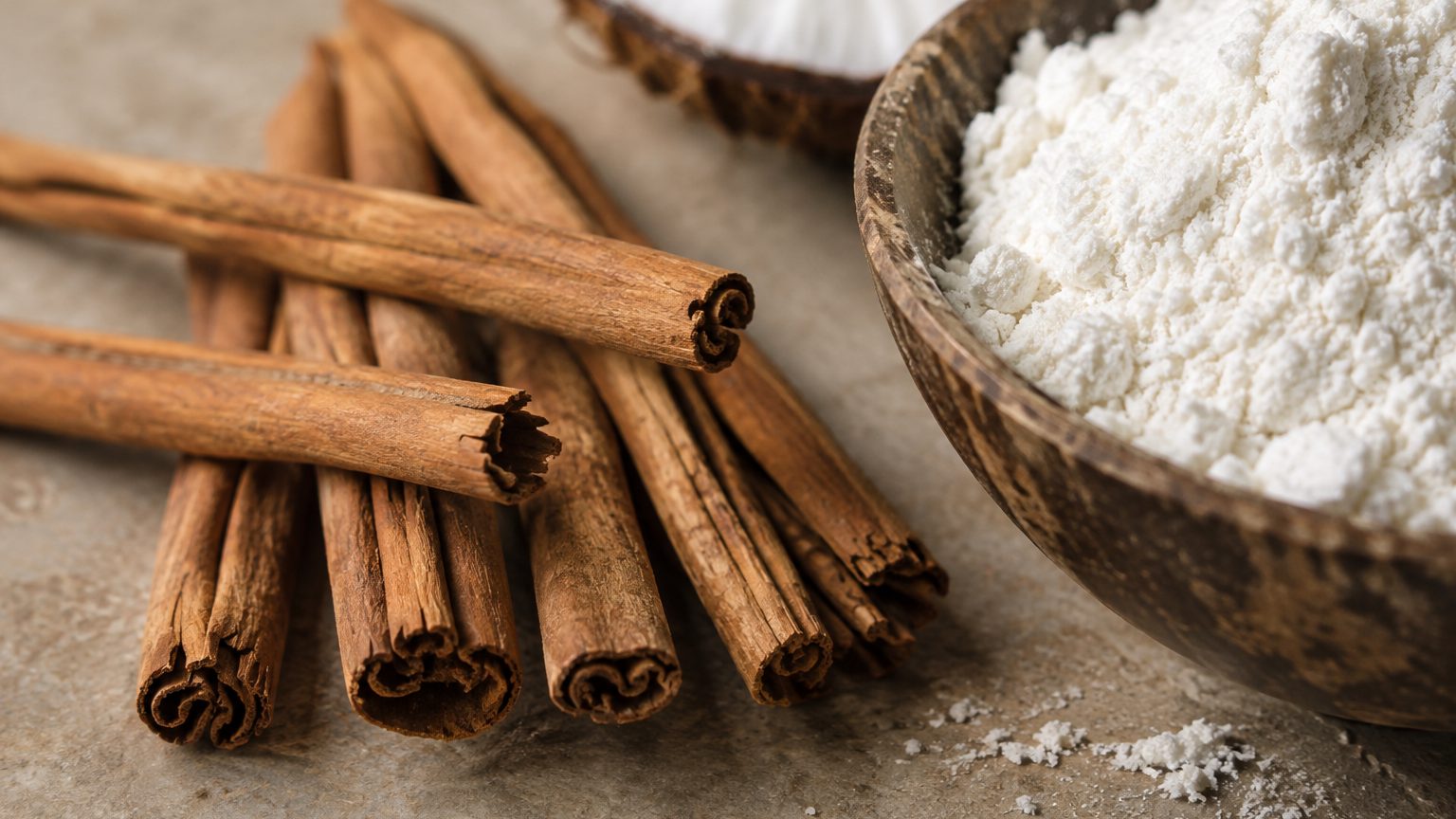
A healthy coffee creamer should fit your actual serving size, keep added sugar modest and use ingredients you understand and tolerate. The healthiest choice depends on whether you value fewer calories, dairy-free ingredients, simple flavor or added functional ingredients.
Key Takeaways
- Measure your pour: Compare nutrition using the amount you actually add, not only the printed tablespoon.
- Check added sugar: A small serving can contain several grams, which adds up across multiple cups.
- Read past claims: Sugar free, plant-based and natural do not automatically mean nutritionally better.
- Consider simple alternatives: Milk, half and half, unsweetened plant milk, cinnamon and vanilla can all replace conventional creamer.
- Question functional claims: Look for named ingredients, disclosed amounts and realistic support language rather than dramatic promises.
What Typical Creamers Contain
Coffee creamer can be a simple mixture of milk and cream, or a highly formulated product designed to stay smooth, sweet and shelf-stable. A typical flavored dairy creamer may contain milk derivatives, sugar or corn syrup solids, vegetable oils, gums and flavoring ingredients. A leading option runs about 35 calories, 5 grams of sugar and 1.5 grams of fat per tablespoon.
Powdered non-dairy creamers often rely on corn syrup solids and vegetable oil for sweetness and body. Some use hydrogenated vegetable oil. Fully hydrogenated and partially hydrogenated oils are not identical, so read the exact wording rather than treating every hydrogenated ingredient as the same. Partially hydrogenated oil is the term associated with artificial trans fat.
Gums, lecithins and carrageenan help keep ingredients mixed or create a thicker texture. Their presence does not automatically make a product unhealthy or toxic. However, some people find certain thickeners less comfortable to digest, and a long list may be unnecessary if you simply want a splash of creaminess.
Natural flavors are also commonly misunderstood. The term describes the source and regulatory category, not the ingredient's nutritional value. It does not tell you how sweet, minimally processed or personally tolerable a creamer will be.
Serving size creates the biggest comparison problem. Many labels use one tablespoon, while people may pour two, three or more tablespoons without measuring. That mismatch is not necessarily a label trick, but it can make the calories and sugar look less significant. Measure your normal pour once or twice, then multiply the label values by that real amount.
Five Label Checks
Use this checklist to compare creamers without assuming that the shortest ingredient list always wins.
-
Sugar per real serving: Start with added sugar, then calculate it for your normal pour. Five grams per tablespoon becomes 10 grams if you use two tablespoons. A sugar free coffee creamer may use stevia, monk fruit, sucralose or sugar alcohols instead, so decide whether you like the taste and tolerate the sweetener.
-
Type of oil: Look for the specific oil rather than stopping at vegetable oil. Coconut, sunflower, canola and palm oils have different fat profiles. Also distinguish partially hydrogenated oil from fully hydrogenated oil instead of treating those terms as interchangeable.
-
Calories you actually use: Calories are not inherently bad, but repeated unmeasured pours can change what your coffee contributes to the day. Compare equal volumes whenever possible. A powder measured by scoop cannot be compared fairly with a liquid measured by tablespoon unless you use each product's stated serving.
-
Thickeners and emulsifiers: Gums, carrageenan, acacia gum and lecithin help with texture and mixing. An emulsifier is an ingredient that helps fat and water remain evenly combined. These ingredients serve practical purposes, but you can choose a simpler product if that better suits your preferences or digestion.
-
Sweetener type: No sugar added does not necessarily mean unsweetened, and sugar free does not mean free of sweetness. Check for stevia, monk fruit, sugar alcohols or high-intensity sweeteners. The healthiest coffee creamer for you is one whose sweetness, ingredients and serving size work in your regular routine.
Whole-Food Creamer Alternatives
If you are deciding what to put in coffee instead of creamer, begin with ingredients already in the refrigerator or pantry. These options make it easier to control sweetness and portion size.
Milk adds creaminess, natural milk sugar and protein. Half and half is richer, with about 20 calories and under 1 gram of sugar per tablespoon. It can be a practical choice when a smaller amount delivers the texture you want, although its saturated fat content is worth checking on the label if you use several servings.
Unsweetened oat milk typically provides about 15 calories per two tablespoons, though formulations vary. Unsweetened coconut milk beverages can also work, but do not confuse refrigerated coconut beverages with canned coconut milk, which is usually much richer. Soy milk tends to contribute more protein than many oat, almond or coconut beverages.
Cinnamon and vanilla add flavor without requiring a heavily sweetened creamer. Research on cinnamon suggests it contains antioxidant compounds and may support normal glucose metabolism, but evidence varies by cinnamon type, amount and study design. These cinnamon in coffee benefits should not be treated as proof that a small sprinkle produces a specific health outcome. Ceylon cinnamon has a different composition from the cassia cinnamon commonly sold in supermarkets.
Collagen powder can add protein, but it does not create the same richness as fat-containing milk or cream. It may also change the texture. If you use multiple powders, this guide to mixing collagen and protein powder explains what to consider. Follow each product's directions, and ask your doctor about supplements if you are pregnant, breastfeeding, managing a medical condition or taking prescriptions.
Functional Creamers And Enhancers
A functional creamer or enhancer includes ingredients intended to support something beyond sweetness and texture. Common examples include protein, medium-chain triglycerides, mushrooms, botanicals or amino acids. Functional does not guarantee that an ingredient is present in a meaningful amount, so the label still matters.
L-theanine is an amino acid naturally found in tea. Research on L-theanine and caffeine suggests the combination may support attention and a calm, focused feeling in some people. Results depend on the amounts used, timing and individual caffeine response. Trials on an ingredient do not prove that every finished product containing it will deliver the same result. You can read more about pairing L-theanine and caffeine.
Ceylon cinnamon provides flavor and plant compounds, but it should not be presented as a cure or shortcut. The same caution applies to mushroom blends and other trending ingredients. If those interest you, first check what is actually in mushroom coffee.
Avoid products that promise dramatic weight changes, instant mental performance or disease-related results. Be cautious with proprietary blends, which list a combined blend weight without disclosing how much of each ingredient is present. Prefer named ingredients, specific amounts, realistic language and clear directions. You should also check caffeine from the entire drink, not just the creamer or enhancer.
If you want a measured healthy coffee creamer powder, PEAK Coffee Enhancer combines organic coconut milk powder, organic Ceylon cinnamon and organic green tea extract standardized to 98% L-theanine, with no added sugar. Add one scoop to hot or iced coffee, then stir or blend well. It is USDA Organic, vegan, dairy free, non-GMO, gluten free and third-party tested. Follow the label directions.
Creamer Comparison Table
The table below uses typical label values for common categories. Formulas differ, so use it as a screening tool rather than assuming every product in a category is identical. Values also reflect different printed serving sizes, which is why your real pour matters.
| Option | Stated serving | Calories | Sugar | Fat | Notable ingredients or additives |
|---|---|---|---|---|---|
| Flavored dairy creamer | 1 tablespoon | About 35 | About 5 g | About 1.5 g | May contain corn syrup solids, oils, carrageenan or gums |
| Powdered non-dairy creamer | Check label | Varies | Varies | Varies | Many are based on corn syrup solids and hydrogenated vegetable oil |
| Half and half | 1 tablespoon | About 20 | Under 1 g | Check label | Primarily milk and cream, though formulations vary |
| Unsweetened oat milk | 2 tablespoons | About 15 | Check label | Check label | May include oil, gums or stabilizers depending on the brand |
| PEAK Coffee Enhancer | 1 scoop, about 3 g | 10 | No added sugar; sweetened with stevia and monk fruit | 0.5 g | Coconut milk powder, Ceylon cinnamon, green tea extract, vanilla, acacia gum, sunflower lecithin, stevia and monk fruit |
PEAK's label also lists 2 grams of carbohydrate, 2.2 grams of organic coconut milk powder, 100 milligrams of organic Ceylon cinnamon and 50 milligrams of organic green tea extract standardized to 98% L-theanine per scoop. One container provides 30 servings. The listed price is $13.95 for members and $23.95 retail.
For someone focused on calorie and sugar intake, half and half, unsweetened oat milk and PEAK all provide fewer calories than the typical flavored dairy creamer at their stated servings. That comparison does not promise weight loss. Your total amount, number of cups and the rest of your eating pattern matter more than a single label number.
Taste And Mixing Tips
Fat, sweetness and temperature all affect how a creamer tastes. Half and half gives coffee a rich mouthfeel, while oat milk tends to taste lighter and slightly grain-like. Coconut milk powder can add a mild coconut note, and high-intensity sweeteners such as stevia or monk fruit may leave an aftertaste for some people.
For hot coffee, add liquid creamer gradually while stirring. If a refrigerated milk or plant beverage separates, warming it slightly before adding it can help. Separation does not always indicate spoilage, but discard a product that smells sour, has passed its safe storage period or shows other signs of deterioration.
Powders need more agitation. Put the powder in the cup first and mix it with a small amount of hot coffee to make a smooth paste, then add the remaining coffee. A handheld frother or blender can reduce clumps. For iced coffee, dissolve the powder in a small amount of warm liquid before adding ice, or blend it directly with the full drink.
PEAK's directions are to add one scoop to hot or iced coffee and stir or blend well. Avoid adding extra scoops simply because your mug is large. If you want a ready-made option rather than pairing brewed coffee with an enhancer, Organic Coffee mixes one scoop into hot or cold water and contains approximately 100 milligrams of caffeine. That amount makes morning a practical time for many adults, especially if later caffeine disrupts their normal sleep schedule.
Taste preferences often change when you reduce sweetness gradually. Instead of replacing a very sweet creamer overnight, try mixing a smaller amount with milk or an unsweetened alternative for several days. This keeps the routine familiar while helping you identify how much sweetness and creaminess you actually enjoy.
Frequently Asked Questions
What is the healthiest creamer to use in your coffee?
The healthiest creamer is usually one that fits your real serving, keeps added sugar modest and uses ingredients you tolerate. Plain milk, a measured amount of half and half, or unsweetened plant milk are straightforward choices. A functional enhancer may also fit, but check its ingredient amounts and avoid assuming added botanicals guarantee a particular result.
What is the healthiest non-refrigerated coffee creamer?
A shelf-stable powder with little or no added sugar, clearly named oils and a transparent ingredient list can be a practical choice. Many conventional powders are based on corn syrup solids and hydrogenated vegetable oil, so compare labels carefully. Also check the printed serving against the number of scoops you actually use.
Are sugar free coffee creamers healthy?
Sugar free coffee creamers can fit a healthy routine, but the claim does not evaluate the whole product. Check calories, fat, oils, serving size and the sweeteners used. Stevia, monk fruit, sucralose and sugar alcohols have different flavors, and some people tolerate them better than others. Sugar free also does not necessarily mean unsweetened.
What are some good non-toxic coffee creamers?
No standard label defines a coffee creamer as non-toxic, so focus on specific concerns instead. Look for transparent ingredients, modest added sugar, clearly identified oils and additives you tolerate. Gums and natural flavors are not automatically harmful, but you can choose plain milk, half and half or unsweetened plant milk if you prefer fewer ingredients.
What is the best coffee creamer when trying to lose weight?
Compare calories and sugar using the amount you actually pour. Typical flavored dairy creamer has about 35 calories and 5 grams of sugar per tablespoon, while half and half has about 20 calories and under 1 gram of sugar. Unsweetened oat milk typically has about 15 calories per two tablespoons. No creamer alone produces weight loss.
Can cinnamon replace coffee creamer?
Cinnamon can replace some flavor and sweetness perception, but it will not provide the creamy texture of milk, cream or coconut powder. Try a small sprinkle with unsweetened milk or plant milk. Research on cinnamon suggests potential support for normal glucose metabolism, but results vary and a small amount in coffee should not be expected to produce a specific outcome.