
Adding CBD Oil to Dog Food: Practical Guidance
 Written by Ben Glinsky
Ask AI about this article and CBD Oil - For Pets (500mg Beef)





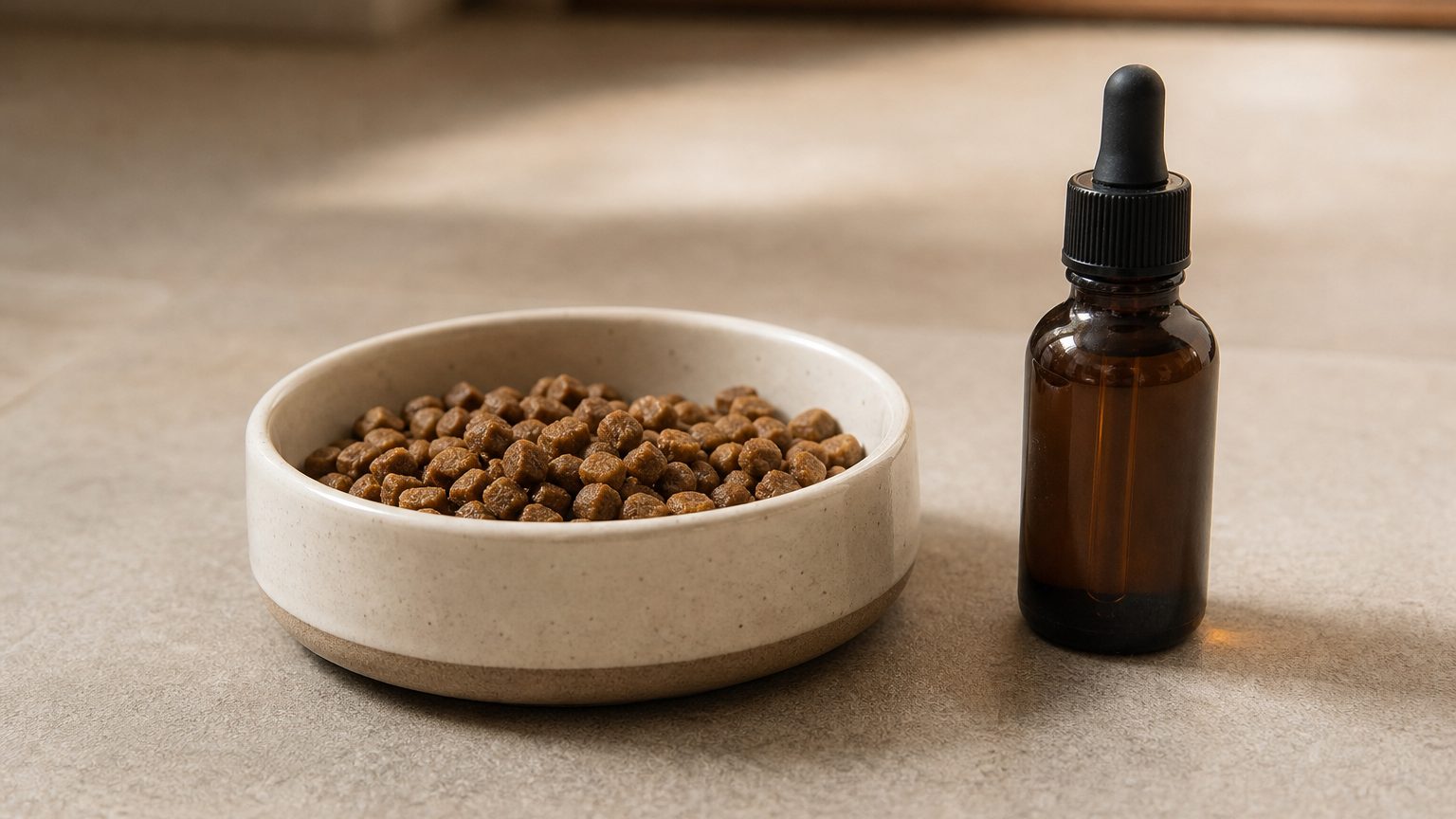
You can add CBD oil to dog food by measuring the label-directed amount, mixing it into a small portion of wet food, and confirming your dog eats all of it before serving the rest of the meal. A little dietary fat may help with absorption, but food can make the onset slower than direct oral dosing. Here is the practical method, followed by the safety checks that matter most.
Key Takeaways
- Use a small food portion: Mix the oil into a few bites first so you can confirm your dog consumes the entire serving.
- Choose wet or fatty food: Cannabinoids dissolve in fat, so wet food or a dog-safe fatty carrier can help distribute the oil.
- Keep it away from heat: Add CBD after cooking and once the food has cooled.
- Check every ingredient: Never give a dog a human tincture containing xylitol, which is toxic to dogs.
- Ask your veterinarian first: CBD research in dogs is limited, and CBD may interact with prescription medications.
Why Mixing With Food Changes Things
Mixing CBD oil into food is usually easier than trying to place oil directly into a dog's mouth. It avoids a struggle with the dropper, covers some of the hemp flavor, and makes the supplement part of an existing routine. This can be especially helpful with dogs that dislike having their mouths handled.
The tradeoff is timing. When CBD is mixed with a meal, it must move through the digestive system with that food. This usually makes the onset less direct and potentially slower than placing oil in the mouth, although a dog may still swallow most directly administered oil. Digestion, meal size, food composition, and the individual dog can all affect what happens next. There is no dependable minute-by-minute timeline for pet CBD.
Food also makes it harder to know how much was consumed if your dog walks away halfway through dinner. Rather than mixing the oil throughout a full bowl, put it into a small portion first. Watch your dog finish that portion, then offer the remaining meal. If food remains, do not guess how much CBD was eaten or immediately add more. Contact your veterinarian for guidance.
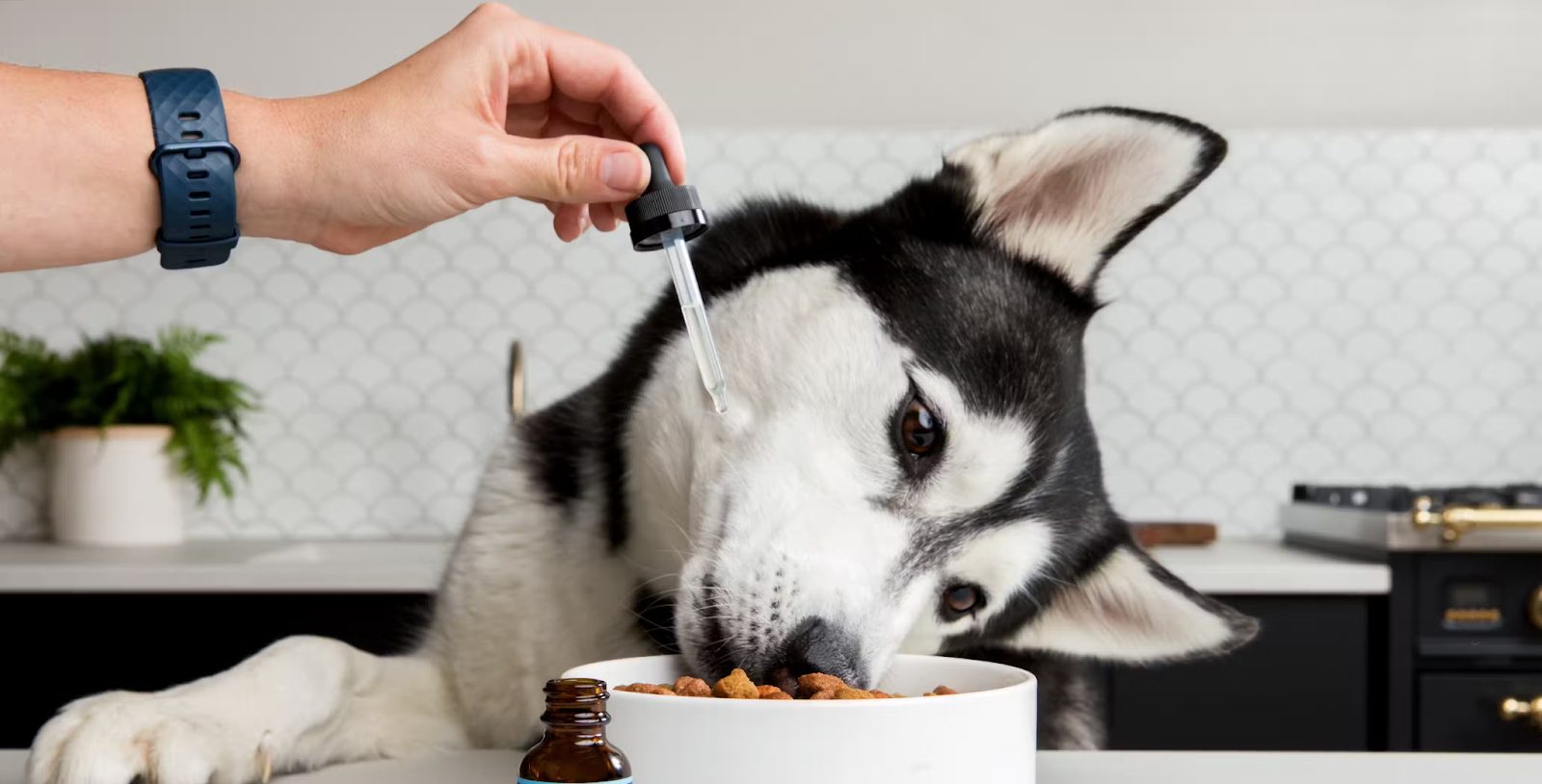
Mix CBD oil into a small, separate food portion so you can confirm your dog consumes it.
Keep dogs separated during CBD-containing meals. A housemate that steals food could consume a product not intended for them, while the intended dog may receive only part of the serving. Wash the bowl afterward, close the bottle securely, and store it where pets and children cannot reach it.
CBD oil and hemp seed oil are also not interchangeable terms. Hemp seed oil is made from seeds and generally contains little or no CBD unless CBD has been added. Read the amount of CBD and the serving directions on the actual label.
Wet Food, Fat and Why It Helps
Cannabinoids, including CBD, are fat soluble. That means they dissolve more readily in fat than in water. Mixing the oil with wet dog food or a small dog-safe bite containing some fat can help it spread through the food and may support absorption during digestion.
The simplest method is to place a small spoonful of your dog's normal wet food in a clean bowl. Add the amount directed on the pet product's label and approved by your veterinarian. Stir thoroughly so the oil does not remain in one slick on top. Offer this small portion first, confirm it is finished, and then serve the rest of the meal.
Wet dog food makes it easier to distribute CBD oil evenly through a small serving.
For a dog that eats dry kibble, you can mix the oil into a spoonful of wet food and use that as a topper. Another option is a small amount of plain, dog-safe food that your veterinarian has approved. You do not need to add a large or unusually rich snack. Extra fat can cause digestive upset and adds calories, so your dog's regular food is usually the better starting point.
Avoid dripping oil over a large bowl of kibble without mixing. It may coat only a few pieces, settle against the bowl, or be left behind. Stirring the oil into a moist bite gives you better control.
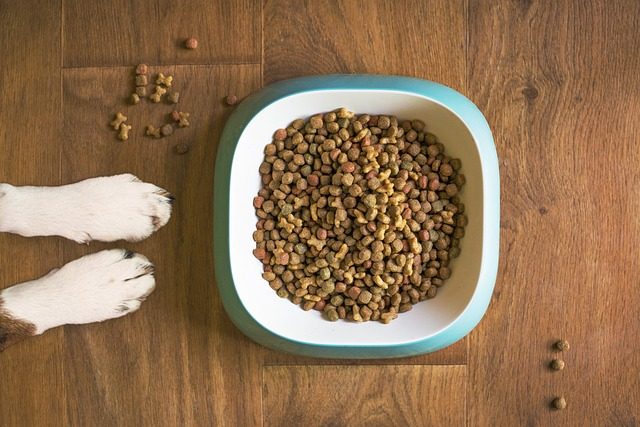
A moist topper can help keep CBD oil from collecting on dry kibble or the bowl.
Use the same approach each time. Give it with a similar-sized meal, use the same product, and record when it was offered. Consistency makes it easier to notice appetite changes, unusual sleepiness, vomiting, diarrhea, or unsteady movement. These observations are safety information, not proof that CBD is producing a particular wellness result.
Do not adjust the amount based on internet charts or another dog's routine. CBD concentrations vary widely between bottles, and veterinary evidence has not established one universal amount for every dog. Follow the product label only after discussing the plan with your veterinarian. For more context, see our weight-based CBD guide for dogs, then take dosing questions to your dog's veterinary team.
Heat Degrades Cannabinoids
Do not cook, bake, microwave, or simmer CBD oil into your dog's food. Cannabinoids and some of the plant's aromatic compounds can change or degrade when exposed to high heat. That can make the amount remaining in the finished meal less predictable.
Instead, prepare the food normally and let it cool to a comfortable serving temperature. Add the CBD oil immediately before serving, then mix it thoroughly. If you batch-cook dog food under veterinary guidance, keep the CBD separate from the cooking process and from hot storage containers.
Add CBD oil only after cooked food has cooled to a comfortable serving temperature.
Warm food is not automatically a problem. The practical distinction is between gently warm food that is ready to eat and food that is still being cooked or is hot enough to steam. If you would not comfortably touch the food, wait before adding the oil.
Freezing is also unnecessary. Repeated temperature changes, moisture, light, and air exposure can affect product quality over time. Follow the storage directions on the bottle. In most cases, that means closing the cap tightly and keeping the oil away from direct sunlight, excess heat, and humidity. Do not leave it beside the stove or in a hot car.
Keep the dropper clean while preparing the meal. Dispense the oil above the food without touching the dropper to your dog's mouth, tongue, or used bowl. Saliva and food residue can introduce bacteria into the bottle. If contact occurs, follow the manufacturer's cleaning guidance rather than placing a contaminated dropper straight back into the oil.
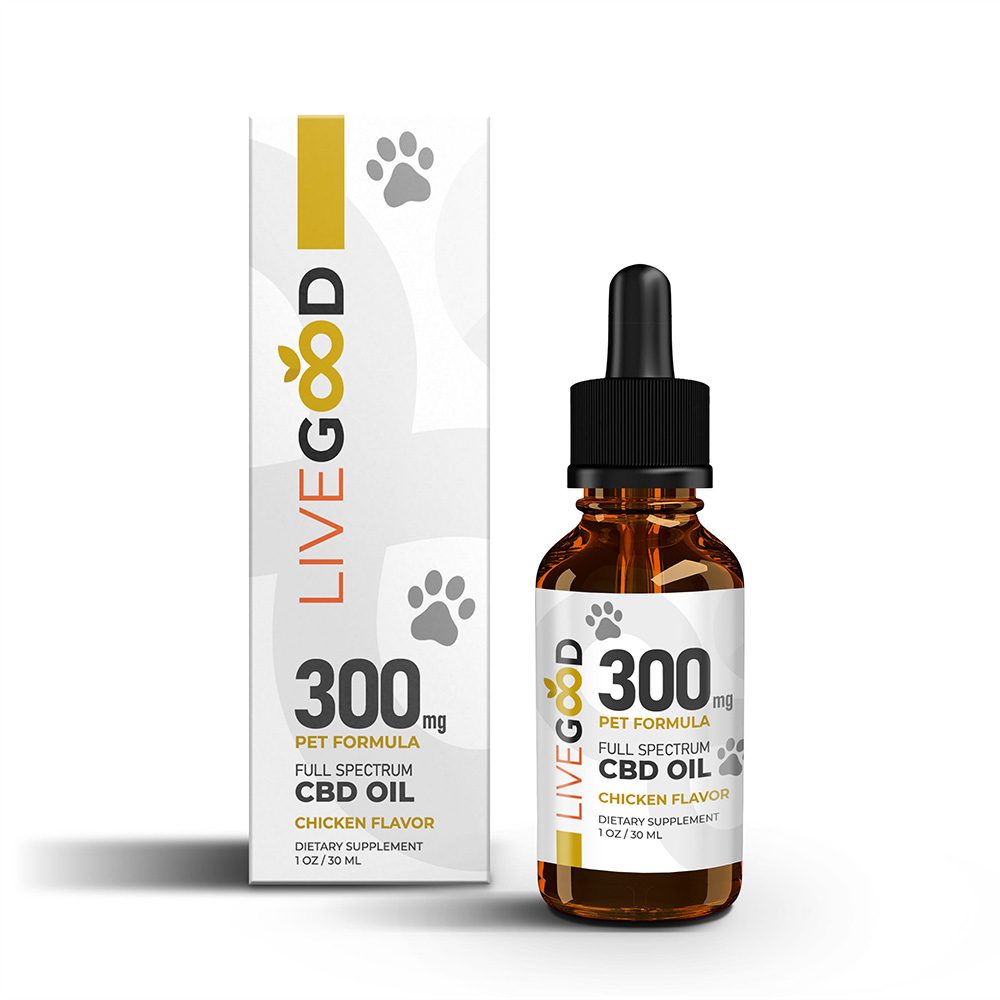
LiveGood CBD Oil - For Pets (500mg Beef) is a beef-flavored, full-spectrum pet formula made with the same highest quality ingredients and processes as the human formulas. Add it to cooled food, follow the weight-based directions on its label, and start low and go slow with veterinary guidance. It is $12.95 for members and $24.95 retail, reflecting LiveGood's mission: "Provide the highest quality supplements in the world, at the lowest prices possible."
What Not to Mix It With
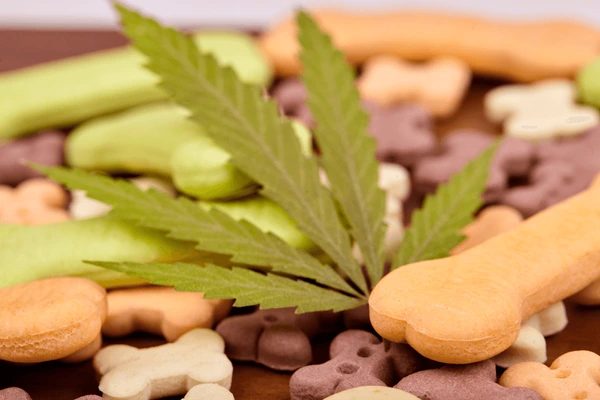
Never mix CBD oil into food that is unsafe for dogs. Xylitol deserves special attention. This sweetener can cause life-threatening poisoning in dogs and may appear in human tinctures, sugar-free peanut butter, candy, baked goods, toothpaste, and other products. Check the complete ingredient list, not just the front label.
Human CBD products can also contain flavorings, essential oils, alcohol, caffeine, or other ingredients that are unsuitable for pets. A product being labeled "natural" does not establish that it is safe for a dog. Read our discussion of human CBD oil and pets before considering any product not specifically formulated for animals.
Do not use chocolate, grapes, raisins, onions, garlic, alcohol, caffeinated foods, or macadamia nuts to disguise the taste. Avoid heavily seasoned leftovers as well. If you want to use peanut butter, verify that it is xylitol-free and ask your veterinarian whether its fat and calorie content fit your dog's diet.
Check every ingredient before mixing CBD oil with human foods or flavored products.
CBD should not be stirred into a shared water bowl. Oil does not blend evenly with water, so you cannot tell which pet consumed it or how much remained on the bowl. Do not mix it into an entire bag or large storage container of food either. That prevents accurate serving and exposes the oil to air for longer.
Product quality matters as much as the food. Independent testing has repeatedly found that some CBD products contain more or less CBD than their labels claim. Some may also contain unexpected THC or contaminants. Look for a recent third-party certificate of analysis, often called a COA. It should match the product's batch number and report cannabinoid content, pesticides, heavy metals, microbes, and residual solvents.
Full-spectrum CBD includes multiple hemp compounds and can contain trace THC. THC can be harmful to dogs at sufficient exposure. It may also matter in settings where animal drug testing applies, including certain competitions or working-dog programs. Keep all cannabis products secured, and contact a veterinarian or animal poison service promptly after accidental exposure.
Talking to Your Vet First
Talk to your veterinarian before adding CBD to your dog's food, especially if your dog takes prescription medication or has an existing medical condition. CBD is processed partly by liver enzymes in the cytochrome P450 system, usually shortened to CYP450. These enzymes also process many medications. CBD may change how quickly another substance is broken down, potentially affecting its level in the body.
Give your veterinarian a complete list of medications, supplements, preventives, and occasional products your dog receives. Include a photo of the CBD label and its current certificate of analysis. Ask whether the ingredients are appropriate, whether medication monitoring is needed, and what signs should prompt you to stop using it.

Bring the product label and certificate of analysis when discussing CBD with your veterinarian.
Veterinary research on CBD is still early. A limited number of dog studies have been published, and their products, methods, durations, and outcomes differ. Findings from one formulation cannot automatically be applied to every oil sold for pets. CBD supplements are not approved animal medicines, and they should not replace a veterinary diagnosis or treatment plan. Epidiolex is an FDA-approved prescription CBD medicine for specific human seizure disorders, not an approval of over-the-counter pet CBD products.
Veterinarians in some jurisdictions also face legal or professional restrictions on recommending or discussing cannabis-derived products. If your regular veterinarian cannot advise you, ask whether they can refer you to a veterinary professional familiar with your local rules. Do not interpret a restricted conversation as proof that a product is safe or unsafe.
Stop giving the product and contact your veterinarian if your dog develops unusual sleepiness, repeated vomiting or diarrhea, loss of coordination, marked agitation, or other concerning changes. Seek urgent help after suspected THC exposure or ingestion of xylitol. Bring the package or label so the veterinary team can identify the ingredients and concentration.
Keep a simple written record of the product, batch number, meal, time, and any observed changes. That helps your veterinarian make a safer assessment without assuming CBD caused every normal variation in behavior.
Frequently Asked Questions
Can you put CBD oil in dog food?
Yes, you can mix a pet-specific CBD oil into your dog's food after consulting your veterinarian. Stir it into a small amount of wet food first, make sure your dog finishes that portion, and then serve the rest of the meal. Follow the label rather than estimating, and never use a formula containing xylitol or another dog-unsafe ingredient.
Does food affect how CBD works in dogs?
Yes, food can change how CBD is absorbed and how quickly it moves through digestion. Because CBD is fat soluble, a meal containing some fat may help its absorption, but the effect varies among dogs and products. Giving it with food may also produce a slower, less predictable onset than direct oral administration, so do not redose because nothing seems to happen quickly.
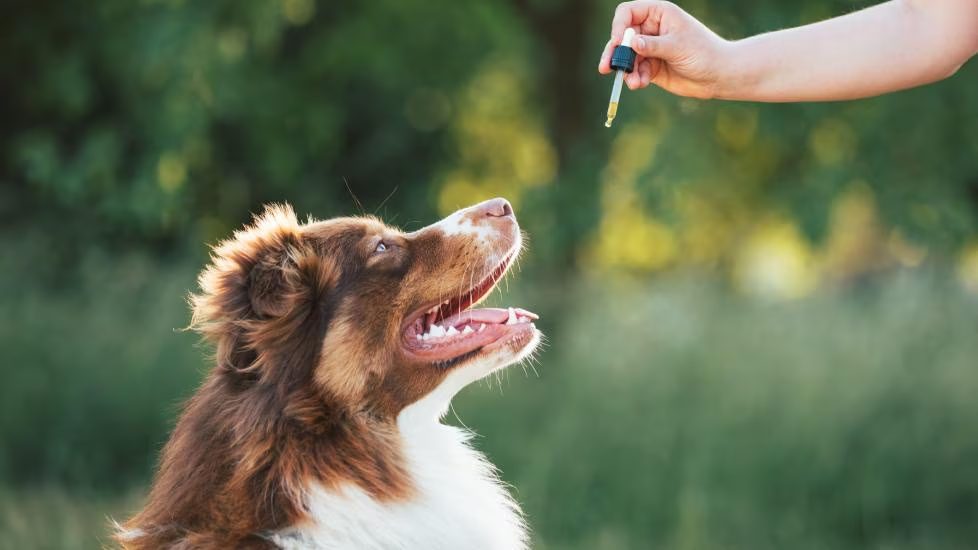
Food is a practical option when a dog resists direct administration from a dropper.
Can you heat CBD oil?
CBD oil should not be cooked or added to very hot dog food. High temperatures may degrade cannabinoids and make the amount in the finished meal less predictable. Cook or warm the meal first, let it cool to a safe eating temperature, and stir in the oil just before serving. Store the bottle according to its label and away from heat and sunlight.
Is it better to give CBD directly or in food?
Neither method is best for every dog. Direct oral administration may be faster in some cases, but many dogs resist a dropper and swallow the oil immediately anyway. Food is often easier and more consistent, provided your dog eats the complete portion. Ask your veterinarian which route fits the product, your dog's health, and any medications your dog receives.
What should you avoid mixing CBD with?
Avoid human tinctures containing xylitol, alcohol, unsuitable essential oils, or unverified flavorings. Do not use chocolate, grapes, raisins, onions, garlic, caffeine, macadamia nuts, or sugar-free foods to hide the oil. CBD can also interact with prescription medications through liver enzymes, so do not combine it with your dog's medicine unless the prescribing veterinarian has reviewed the plan.