






For most people, parasite cleanses have not been shown to remove parasites or confirm that an infection existed. Herbal formulas may support normal digestion, but digestive symptoms alone cannot tell you whether you have a parasite. If exposure or persistent symptoms concern you, testing and clinician-guided care are more reliable than guessing.
Key Takeaways
- Evidence is limited: Most commercial parasite cleanse formulas have not been tested in high-quality human trials.
- Symptoms overlap: Bloating, fatigue and bowel changes have many possible causes, so they cannot confirm a parasite.
- Testing matters: The appropriate test depends on your symptoms, travel, food and water exposure, and the organism suspected.
- Die-off is unreliable: Feeling worse, seeing strings in stool or having diarrhea does not prove that parasites are leaving.
- Safety comes first: Ask your doctor about persistent symptoms, prescription interactions, health conditions, pregnancy or breastfeeding.
What The Evidence Shows
So, do parasite cleanses work? Current research does not establish that over-the-counter herbal cleanse programs reliably remove intestinal parasites from people. This does not mean every plant compound is biologically inactive. It means laboratory findings, traditional use and individual testimonials are not the same as evidence from controlled human trials.
Some herbs used in cleanse formulas have been studied in test tubes or animals. These experiments can help researchers identify interesting compounds, but they cannot show that a swallowed supplement produces the same effect in the human digestive tract. The amount absorbed, how the body processes it, the organism involved and the safety of repeated use can all change the outcome.
Commercial formulas create another evidence gap because they may combine several ingredients at different amounts. Research on one isolated ingredient does not prove that a multi-ingredient product has the same result. This is the same distinction discussed when asking whether nootropics actually work: evidence quality, formula and measured outcome all matter.
The word "cleanse" also lacks a standard clinical definition. It may refer to increased bowel movements, dietary restriction, herbal supplementation or general digestive support. None of those outcomes confirms parasite removal. A convincing study would need to identify an organism before use, compare the formula with an appropriate control and use validated testing afterward. That evidence is generally missing for retail parasite cleanses.
Parasites Require Specific Answers
"Parasite" describes many different organisms, not one digestive problem. Protozoa are microscopic single-celled organisms, while helminths are worms. Different organisms have different life cycles, exposure routes, locations in the body and clinical care requirements.
That variety is why no universal food, herb or cleanse can be assumed to address every parasite. A person exposed to untreated water may need a different evaluation from someone with recent international travel, undercooked food exposure or itching around the anus at night. Even two people with diarrhea may not need the same test.
Risk depends on context. Relevant details include where you traveled, whether you drank untreated water, what you ate, contact with contaminated soil, household symptoms and the timing of any digestive changes. Pets can carry some organisms, but seeing a worm in a pet does not establish that a person has the same organism. Children and pets also require their own professional evaluation rather than a supplement intended for adults.
This specificity helps explain why routine cleansing on a fixed calendar is not an evidence-based substitute for diagnosis. The absence of symptoms does not prove that an organism is absent, but vague symptoms do not prove one is present either. Your doctor can use your exposure history to decide whether testing is warranted and which type is most informative.
Symptoms Cannot Confirm Parasites
Possible intestinal parasite symptoms can include ongoing diarrhea, abdominal discomfort, nausea, appetite changes, unexplained changes in body weight or visible material in stool. Some people have few noticeable symptoms. The difficulty is that these experiences also occur with dietary changes, medication effects, food intolerance, stress and many other digestive issues.
Bloating and fatigue are especially nonspecific. In medicine, "nonspecific" means a symptom can have many potential explanations. If you assume that these common experiences indicate parasites, you may spend time on a cleanse while overlooking another cause that needs attention.
What you see in the toilet is not a dependable home test. Mucus, plant fibers and partially digested food can look string-like. Cleanse products that increase bowel movements can make these materials more noticeable, but appearance alone cannot identify an organism. Photographs and online symptom checklists cannot replace laboratory identification.
Seek prompt medical care for severe or worsening abdominal pain, persistent vomiting, dehydration, blood in stool, high fever, fainting or significant unexplained weight change. Contact your doctor about symptoms that persist, recur after travel or affect other people in your household. If you are pregnant, breastfeeding, managing an existing medical condition, or have kidney or liver concerns, speak with your doctor before using any supplement.
Testing Changes The Next Step
A useful evaluation starts with exposure history rather than a generic cleanse. Your doctor may ask about travel destinations, untreated water, raw or undercooked food, outdoor exposure, household contacts, pets, symptom timing and recent medications. These details narrow the range of organisms and other digestive causes worth considering.
Testing is not one-size-fits-all. Depending on the situation, a clinician may request a stool antigen test, a molecular test that looks for genetic material, microscopy or another targeted test. Traditional stool ova and parasite microscopy looks for parasite eggs and organisms, but it does not detect every species equally well. Because some organisms are shed intermittently, more than one sample may occasionally be requested.
Testing before taking a cleanse has two practical advantages. First, it reduces the chance that a laxative effect or temporary dietary change will be mistaken for success. Second, identifying a specific organism allows a clinician to select an evidence-based next step rather than relying on a broad formula.
Searches for ivermectin or albendazole as a "parasite cleanse" can blur the line between supplements and prescription drugs. These are not universal cleansing agents, and the appropriate prescription depends on the organism, personal health factors and local medical guidance. Do not use veterinary products or someone else's prescription. Ask your doctor or pharmacist about prescription interactions and any follow-up testing that may be needed.
Make A Safe Decision
Start by separating two goals: supporting everyday digestion and responding to a suspected infection. A supplement may be part of a consistent wellness routine, but it should not be used to diagnose a parasite or replace testing when symptoms or exposure raise concern.
If you have persistent symptoms, recent high-risk travel, untreated water exposure or a household member with a confirmed organism, contact your doctor before beginning a cleanse. Write down the timing of symptoms, recent destinations, foods, water sources, medications and supplements. That record is more useful than trying to interpret changes in stool after starting several products at once.
If you are considering a wellness supplement despite having no suspected infection, review the full label and follow its directions. Avoid stacking multiple cleanse, laxative or stimulant products. Introduce only one change at a time so you can recognize unwanted effects. Stop and seek professional advice if you develop severe pain, repeated vomiting, signs of dehydration or an allergic reaction.
For a practical overview of label use and routine planning, see how to do a parasite cleanse. Talk with your doctor first if you take prescriptions, are pregnant or breastfeeding, have kidney or liver conditions, manage another medical condition, or are considering a product for a child. Ask a veterinarian about pets rather than sharing human products with them.
If you still choose a supplement for digestive wellness, LiveGood Parasite Cleanse is designed to support gut health and whole-body wellness. Follow the label directions: take 2 capsules daily with a full glass of water, preferably in the morning on an empty stomach, or as directed by your healthcare professional. Treat that routine as daily support, not proof that a parasite was present or removed.
Why Cleanse Signals Mislead
Many cleanse stories rely on signs such as diarrhea, cramping, fatigue, headache or unusual stool material. These changes may feel persuasive because they happen after the product is taken, but timing alone does not establish the cause. Ingredients that stimulate bowel movements can produce visible and physical changes without affecting a parasite.
The commonly used phrase "die-off reaction" is not a reliable way to judge an over-the-counter cleanse. Feeling worse does not prove that organisms are dying, and feeling better does not prove that they were removed. Symptoms may fluctuate naturally or change because of hydration, diet, sleep, stress, placebo effects or the product's effect on bowel habits.
A better outcome measure depends on the original goal. If a clinician identified an organism, follow-up should use the plan that clinician recommends, which may involve symptom review or targeted testing. If your goal was general digestive support, track relevant measures such as bowel regularity, comfort, food intake and adverse effects without interpreting them as evidence of parasite removal.
Timelines also deserve skepticism. Claims that everyone should feel a particular effect within hours or complete a cleanse within a fixed number of days ignore differences in formulas and individuals. Supplement timing questions require the same careful distinction explained in how long beetroot takes to work: an immediate sensation, a gradual supportive effect and a clinically verified outcome are not interchangeable.
Support Digestion Without Guesswork
You do not need to assume you have parasites to support normal digestion. A consistent routine built around adequate fluids, varied fiber sources, regular meals, movement and sufficient sleep provides a clearer foundation than repeated restrictive cleanses. Increase fiber gradually if your usual intake is low, since a sudden increase can temporarily add gas or bloating.
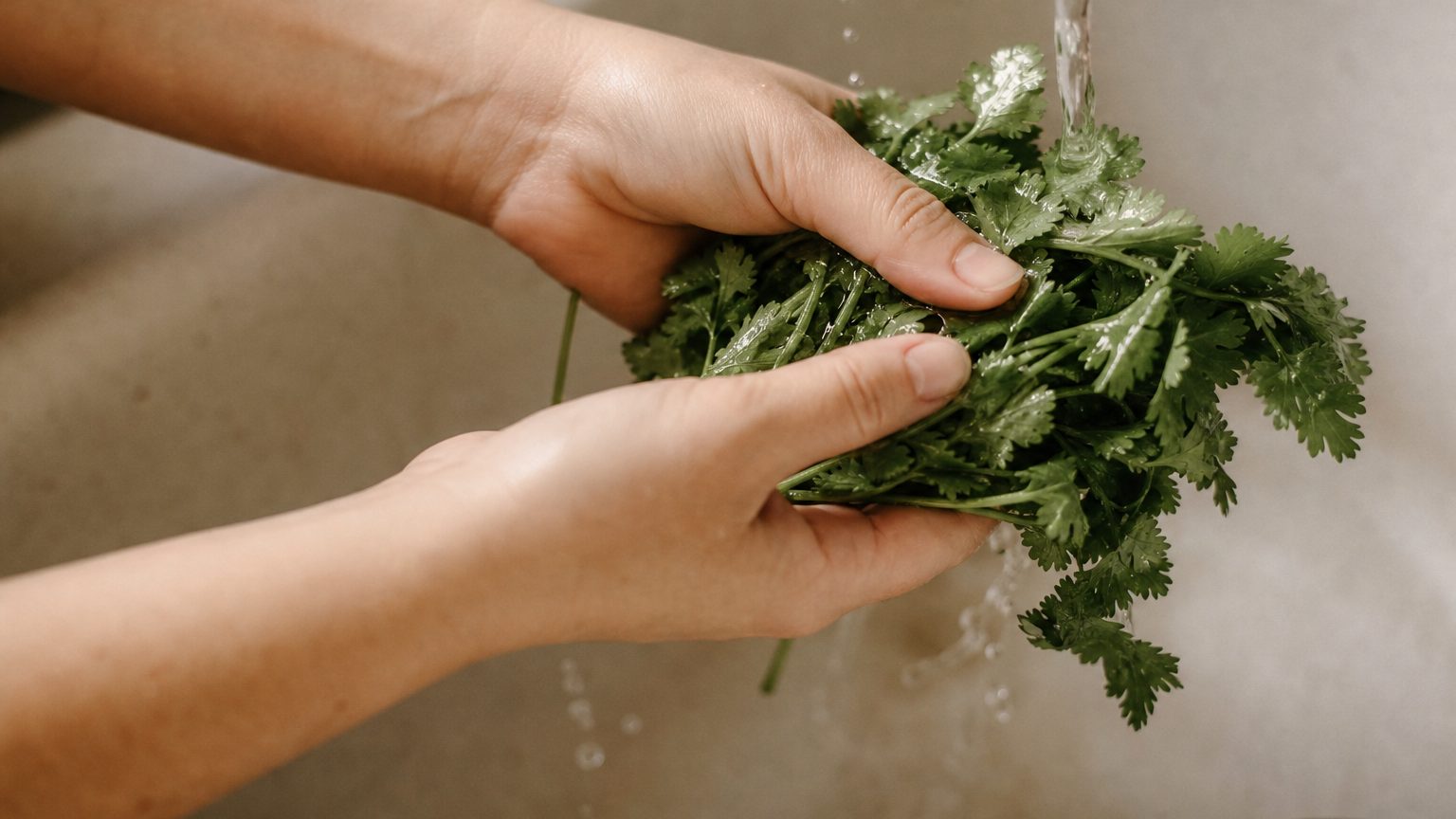
Food safety and water hygiene also matter. Wash produce, cook meat and seafood appropriately, avoid untreated water, and follow destination-specific guidance while traveling. Wash your hands after using the bathroom, gardening, handling animal waste and before preparing food. These habits are more targeted than trying to compensate later with a broad cleanse.
Be cautious with claims that a particular food "kills parasites." Garlic, pumpkin seeds and various herbs can be nutritious foods, but eating them does not confirm or resolve an infection. Laboratory activity is not the same as a demonstrated result in people. Very restrictive diets can also reduce nutrient variety and make it harder to understand what is driving your symptoms.
Finally, give ordinary routine changes enough time to evaluate them, while not delaying care for concerning symptoms. Keep a simple log of meals, bowel patterns and discomfort rather than changing several variables daily. Supplements can support a routine, but testing answers the parasite question more reliably than a reaction to a cleanse.