
Is Plant Protein Good for Recovery?
 Written by Nauder Khazan
Ask AI about this article and Organic Complete Plant-Based Protein





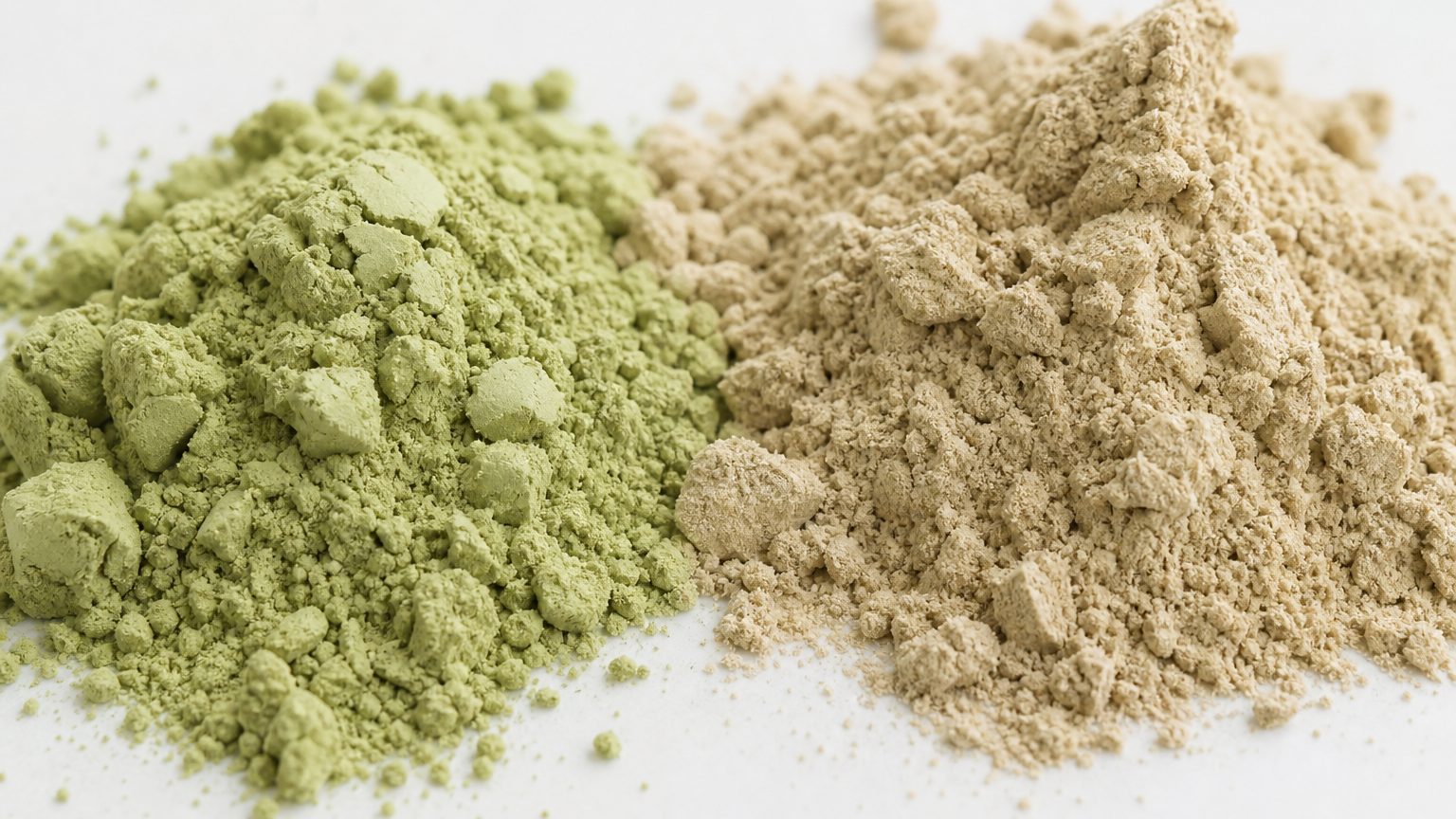
Yes, plant protein is good for recovery when you get enough total protein and enough leucine, an amino acid that helps start muscle repair. Because many single plant proteins contain less leucine than whey, you may need a slightly larger serving or a well-designed blend. Here is how to close that gap without overcomplicating your routine.
Key Takeaways
- Total intake comes first: Your daily protein intake matters more than choosing plant or animal protein.
- Leucine helps start repair: Most plant proteins provide less leucine than whey gram for gram.
- A larger serving can help: Roughly 25-40 grams of plant protein after training is a practical range for many active adults.
- Blends improve balance: Combining complementary sources can provide a stronger essential amino acid profile.
- Matched trials are reassuring: When protein intake is sufficient, plant and animal proteins can support similar gains in muscle and strength.
What Recovery Actually Requires
Exercise creates small amounts of muscle damage and uses stored carbohydrate for energy. Recovery is the process of repairing that tissue, replacing fuel, restoring fluids, and adapting so your body is better prepared for the next session.
Protein contributes amino acids, the small building blocks your body uses to repair and build muscle tissue. Nine of these are called essential amino acids because your body cannot make them. You must get them through food or supplements. After training, these amino acids support muscle protein synthesis, which is the process of assembling new muscle proteins.
That process depends on more than the shake you drink after a workout. Your total protein across the day is one of the strongest dietary factors. Spreading protein across three to five meals or snacks also gives your muscles several opportunities to use those amino acids.
Protein is only one part of recovery. Carbohydrates help replace glycogen, the stored carbohydrate used during demanding exercise. Water and electrolytes replace fluid lost through sweat. Sleep supports many of the hormonal and tissue-repair processes that happen between workouts. A plant protein shake cannot make up for chronically poor sleep, inadequate calories, or dehydration.
Soreness is not a perfect recovery score, either. Delayed soreness can reflect a new exercise, more volume, or unfamiliar movement. Feeling sore does not automatically mean your protein intake was too low. Look instead at patterns such as stable energy, normal appetite, improving performance, and the ability to complete your next planned workout.
The Leucine Gap and How to Close It
Leucine is one of three branched-chain amino acids, commonly called BCAAs. It acts partly as a signal that tells muscle cells amino acids are available. Think of it as helping turn on the repair process. Your body still needs all nine essential amino acids to complete the work, so leucine alone is not a replacement for complete protein.
Whey is naturally rich in leucine and is digested quickly. Many single plant proteins contain a smaller percentage of leucine or are digested somewhat less efficiently. This means 20 grams of one plant protein may not produce the same immediate muscle protein synthesis response as 20 grams of whey.
That difference is real, but it is also manageable. You can close the gap in three practical ways:
- Eat a slightly larger serving of plant protein.
- Choose a source that is relatively rich in leucine, such as soy or pea protein.
- Use a blend that combines complementary plant proteins.
Sports nutrition research commonly uses about 2-3 grams of leucine in a meal or post-workout serving. This is a useful research-based reference, not a precise threshold that works identically for everyone. Body size, age, training status, meal composition, and the protein's digestibility all affect the response.
Older adults may need a larger high-quality protein serving to stimulate the same response seen in younger adults. You do not need to count every milligram, however. A varied diet, adequate daily protein, and a substantial protein serving after training are more practical targets than chasing a perfect leucine number.
What Matched-Intake Trials Found
The fairest way to compare plant and animal protein is to match the amount people actually consume. When studies compare small equal servings, whey often creates a stronger short-term muscle protein synthesis response. Its higher leucine content and rapid digestion help explain why.
The picture changes when researchers provide enough plant protein, match total daily intake, or use leucine-rich plant sources and blends. Recent resistance-training trials have reported similar improvements in muscle size and strength between plant-based and animal-based groups when both groups consumed sufficient protein. Studies of soy, pea protein, and multi-source plant diets are especially reassuring.
That does not mean every powder is identical. A low-protein rice drink and a leucine-rich pea blend should not be treated as interchangeable simply because both come from plants. The serving size, amino acid profile, digestibility, total diet, and training program still matter.
There are also limits to what this research tells us. Many trials are relatively short and include healthy younger adults. Fewer studies examine older adults, elite athletes, people eating too few calories, or recovery from very high training volumes. Muscle size and strength are also long-term training outcomes. They do not directly prove that every participant felt less sore or recovered faster after each workout.
The honest headline is still encouraging. Plant protein can support comparable training adaptations when intake is planned well. You do not need whey to build muscle, but you do need enough usable protein and a progressive exercise routine. Consistency over weeks matters far more than whether one shake produces a slightly higher laboratory response on one afternoon.
Blends Beat Single Sources
A protein is often called complete when it provides all nine essential amino acids in useful proportions. Many plant foods contain all nine, but one or more may be present in relatively small amounts. That lower amino acid is sometimes called the limiting amino acid because it can limit how efficiently the protein is used.
Legumes such as peas are rich in lysine but relatively lower in methionine. Grains and seeds often provide more methionine but less lysine. Combining complementary sources creates a more balanced profile. Pea and rice is a familiar example. Pea and hemp can also complement each other while adding different nutrients and textures.
You do not have to combine proteins at every meal. Your body maintains a circulating pool of amino acids, so eating varied plant foods throughout the day generally works well. Beans at lunch, whole grains at dinner, and nuts or seeds as a snack can all contribute. Our overview of complete and incomplete proteins explains why the old rule about pairing foods at every sitting is too rigid.
Blending is especially useful in protein powders because it improves amino acid balance within one convenient serving. It may also improve texture and make it easier to reach a meaningful protein amount without relying on a single source.
Soy and pea isolates can work alone when the serving is sufficient. Hemp is nutritious but usually contributes less protein per scoop and has a lower lysine content, so serving size and food pairings matter. If hemp is your preferred source, see whether you can realistically gain muscle with hemp protein and how to build the rest of your diet around it.
Practical Serving Sizes
For active adults, sports nutrition research often places daily protein needs around 1.2-1.6 grams per kilogram of body weight. People completing very demanding resistance training or eating fewer calories may sometimes use amounts closer to 2.0 grams per kilogram under professional guidance.
For a 70-kilogram, or 154-pound, adult, 1.2-1.6 grams per kilogram equals about 84-112 grams per day. That total includes protein from meals, snacks, drinks, and powders. You do not need to get it all from supplements.
A practical post-workout target is about 25-40 grams of plant protein. Smaller people or those eating a full meal soon after training may fall near the lower end. Larger adults, older adults, or anyone using a lower-leucine source may benefit from the higher end. Always follow the serving directions on a supplement label rather than adding extra scoops simply to match a general range.
Timing is flexible. Eating protein within roughly two hours after exercise is convenient, but there is no tiny 30-minute window that closes if you miss it. If you ate a protein-containing meal shortly before training, your body is still digesting and using those amino acids afterward. Daily intake and regular meal distribution matter more than racing to your shaker bottle.
You can improve a recovery meal by pairing protein with carbohydrates. Try a plant protein smoothie with fruit and oats, tofu with rice, lentil pasta with vegetables, or beans in a whole-grain wrap. Keep eating enough protein on rest days, since muscle repair continues between sessions.
If you have kidney or liver disease, another existing medical condition, take prescription medication, or are pregnant or breastfeeding, talk to your doctor before making a major protein change or using a dietary supplement.
For a convenient option, Organic Complete Plant-Based Protein is a vanilla powder built on organic pea protein, which provides all nine essential amino acids plus BCAAs, and organic hemp protein. It also includes 26 vitamins and minerals to support everyday nutrition. Mix it with water or blend it into a smoothie any time of day, following the label directions. It is $39.95 for members versus $49.95 retail. That access reflects LiveGood's mission: "Provide the highest quality supplements in the world, at the lowest prices possible."
Frequently Asked Questions
Is plant protein as good as whey for recovery?
Yes, plant protein can support recovery as effectively as whey when total protein and essential amino acid intake are sufficient. Whey usually contains more leucine per gram, so an equal small serving may stimulate muscle protein synthesis more strongly. A larger serving of pea or soy protein, or a complementary plant blend, can narrow that difference.
How much plant protein do you need?
Many active adults need about 1.2-1.6 grams of total protein per kilogram of body weight each day. A post-workout serving of roughly 25-40 grams of plant protein is practical for many people, depending on body size, age, diet, and protein source. Follow the product label, and ask your doctor before increasing protein if you have a kidney or liver condition.
Which plant proteins are highest in leucine?
Soy and pea protein are among the more leucine-rich plant options commonly used in powders. Beans, lentils, pumpkin seeds, peanuts, and some grains also contribute leucine, although they provide less concentrated protein per serving. Check the label for total protein and amino acid information when available, since formulas and serving sizes vary.
Should you blend plant proteins?
Blending plant proteins is helpful but not always required. Combining sources such as pea and rice, or pea and hemp, can improve the balance of essential amino acids in one serving. If you eat a varied diet and meet your daily protein needs, you do not have to pair complementary foods at every meal.
Is pea protein complete?
Yes, pea protein contains all nine essential amino acids, so it is commonly described as complete. However, it is relatively lower in methionine than some other sources. A sufficient serving can still support muscle recovery, while pairing pea with grains, seeds, hemp, or another complementary protein can create a more balanced amino acid profile.