
Sea Moss Benefits: What Research Shows
 Written by Nauder Khazan
Ask AI about this article and Himalayan Shilajit & Organic Sea Moss





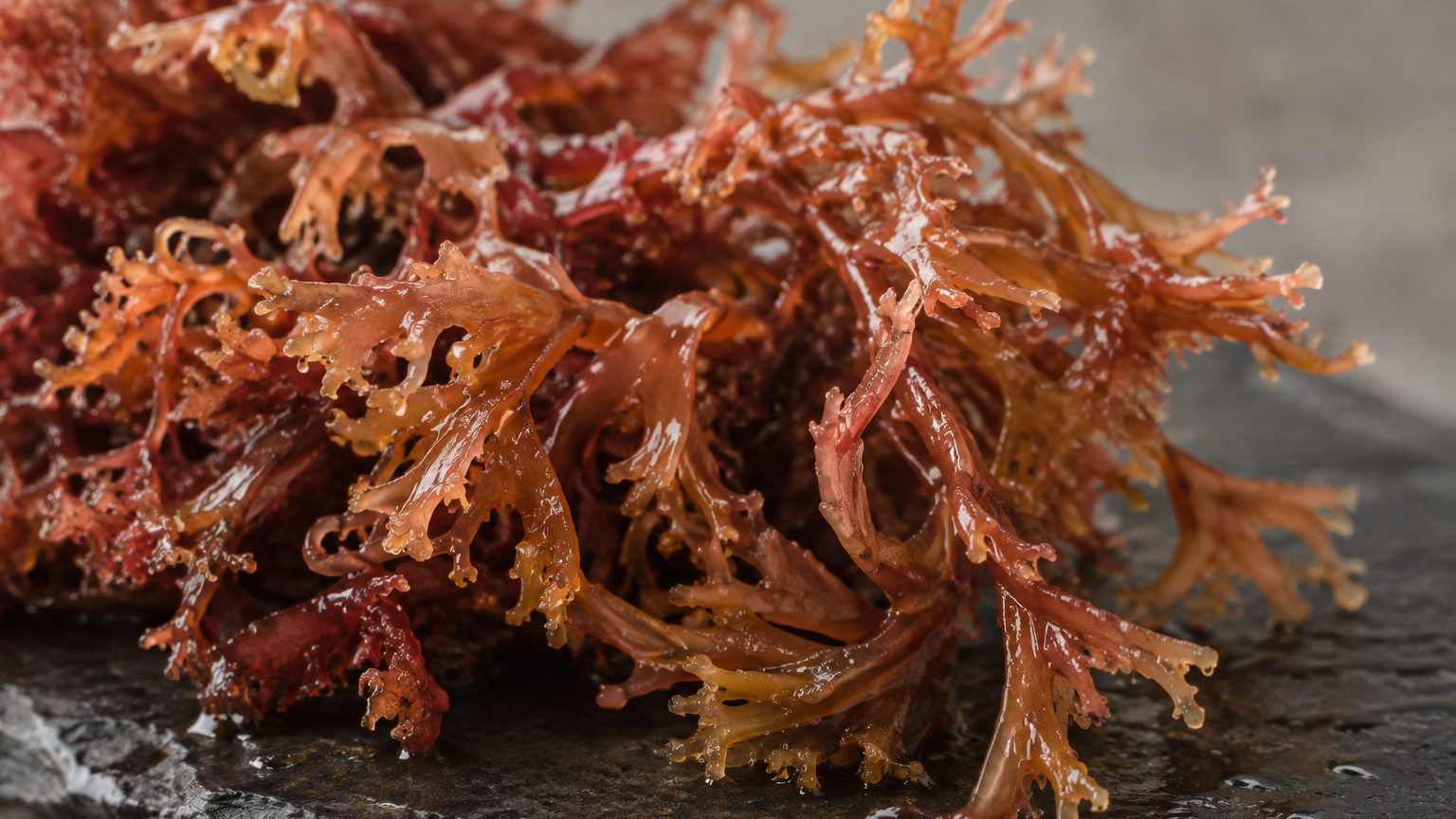
Sea moss benefits may include nutritional iodine support and soluble-fiber-like compounds, but human research on sea moss itself remains limited. Here is what it contains, what the evidence suggests, how people take it, and where safety matters.
Key Takeaways
- Iodine matters: Sea moss supplies iodine, but the amount can vary widely by species, location, and harvest.
- Fiber-like compounds: Its carrageenan-type polysaccharides form a gel and may interact with gut bacteria.
- Forms differ: Gels and powders offer flexibility, while capsules provide a convenient, premeasured serving.
- Testing is valuable: Seaweed can accumulate heavy metals from its environment, making careful sourcing and testing important.
What Sea Moss Is
Sea moss is a type of red seaweed. Irish sea moss usually refers to Chondrus crispus, a red alga that grows along rocky Atlantic coasts in Europe and North America. Some products marketed simply as sea moss use related Gracilaria species, so the species name gives you more useful information than the front-label wording alone.
Fresh or dried sea moss contains gel-forming carbohydrates called polysaccharides. A polysaccharide is a long chain of sugar molecules that can behave like soluble fiber. In Chondrus crispus, these include carrageenan-type compounds that absorb water and create the familiar thick texture of sea moss gel.
Sea moss appears in three main forms. Sea moss gel is made by soaking and blending dried seaweed with water. Powder is dried seaweed milled into a fine form for mixing into foods or drinks. Sea moss capsules contain a measured amount of powder or extract and avoid the preparation and short refrigerated life of homemade gel.
The term "Irish moss" can also refer to seaweed traditionally used to thicken desserts and drinks. That culinary history does not establish every modern wellness claim. When people ask what sea moss is good for, the strongest starting points are its iodine content, mineral profile, and fiber-like polysaccharides, not long lists of promised outcomes.
What's Actually in Sea Moss
Sea moss contains iodine, carbohydrates, small amounts of protein, and varying levels of minerals such as magnesium, calcium, potassium, and iron. The exact profile changes with the species, season, water conditions, processing method, and harvest location. A nutrition result from one sample should not be treated as a universal sea moss profile.
Iodine is the most nutritionally significant component. Your body needs iodine to make thyroid hormones, which help regulate normal metabolism and development. The National Institutes of Health iodine overview explains that both inadequate and excessive iodine intake can create problems, so more is not automatically better.
Sea moss also contains carrageenan-type polysaccharides. These gel-forming compounds are part of the whole seaweed matrix and should not automatically be equated with every processed carrageenan ingredient used in food manufacturing. They contribute texture and may function as fermentable material for gut microbes, although direct human evidence for sea moss remains sparse.
You may see claims that sea moss contains 92 minerals. Seaweed can take up many elements from seawater, but there is no standardized assay showing that every sea moss product consistently contains 92 nutritionally meaningful minerals. Detecting an element also does not mean it occurs in a useful amount. A species-specific label and transparent testing provide more practical information than a large mineral count.
What Research Suggests
Research on sea moss itself is early. Reviews of edible seaweeds describe promising nutrients and bioactive compounds, but they also emphasize major differences among species and products. That makes it difficult to transfer a result from one seaweed directly to Chondrus crispus or to a particular supplement.
For gut health, laboratory and animal studies suggest that seaweed polysaccharides can interact with gut bacteria. These compounds may behave like prebiotics, which are substances used by beneficial microbes. However, researchers have not yet established a specific sea moss serving or a reliable digestive outcome in large human trials. If this is your main interest, it helps to understand how seaweed research differs from the stronger human evidence behind certain probiotics and gut health applications.
For thyroid nutrition, sea moss can provide iodine that supports normal thyroid hormone production. This is a nutrient function, not proof that sea moss improves thyroid function in every person. Because iodine concentrations vary substantially, sea moss is not interchangeable with a precisely measured iodine supplement.
Topical sea moss gels are often promoted for skin moisture. Their water-binding texture may feel hydrating on the skin, but good human trials on sea moss itself are lacking. Evidence for isolated seaweed compounds or cosmetic formulas cannot confirm the effects of a homemade gel.
Laboratory studies also examine seaweed compounds in relation to immune activity and oxidative stress. These findings can help researchers identify future study questions, but they do not show that taking sea moss prevents illness or produces the same effects in people. Claims about Irish sea moss benefits should therefore stay focused on nutritional support rather than disease outcomes.
Sea moss for women follows the same evidence. There is no convincing research showing unique hormonal, fertility, or weight benefits for women. Pregnancy and breastfeeding also change iodine needs and safety considerations, so a doctor should review sea moss use during those periods.
Forms and How to Take It
How to take sea moss depends on the form and your routine. Gel can be stirred into smoothies, oatmeal, soups, or other foods. Powder can be blended into drinks or recipes. Sea moss capsules are swallowed with water and offer a premeasured amount without soaking, blending, refrigeration, or changes in gel thickness.
Gel is not automatically more effective because it looks less processed. Its concentration depends on how much dried seaweed and water were used, so a spoonful from one batch may not match a spoonful from another. Homemade gel should be prepared with clean equipment, refrigerated, and discarded if its smell, color, or texture changes unexpectedly.
Powders are convenient for food use, but measuring them consistently requires attention to the product directions. Capsules simplify that step. Whichever form you choose, follow the label rather than combining multiple iodine-containing products without considering your total intake.
A practical routine matters more than chasing an exact time of day. If a capsule label recommends taking the product on an empty stomach, use that direction unless your clinician advises otherwise. If it causes digestive discomfort, stop using it and ask a healthcare professional before trying it again.
Look for the species, serving amount, other ingredients, and evidence of contaminant testing. Seaweed can absorb substances from its growing environment, so sourcing and heavy metal testing deserve attention. A transparent label also makes it easier to compare products without relying on broad claims about mineral counts.
Sea Moss With Shilajit
Sea moss and shilajit bring different components to a combined formula. Sea moss contributes iodine, trace minerals, and gel-forming polysaccharides. Shilajit is a mineral-rich natural substance containing fulvic acid, a mixture of organic acids formed as plant material breaks down over time.
Research on the two ingredients should be evaluated separately. Evidence involving shilajit does not prove a sea moss effect, and findings from seaweed research do not establish a shilajit outcome. You can review the ingredient's background in this evidence-based guide to shilajit benefits.
A combination may appeal to you if you prefer one daily serving rather than managing separate products. The most useful comparison points are the named sea moss species, amount of each ingredient, shilajit standardization, capsule materials, contaminant testing, and serving count. Fully disclosed amounts help you understand what you are taking each day.
You should also consider your overall routine. Combining ingredients does not replace adequate food, sleep, movement, or medical care. If you take other supplements, check for duplicate iodine sources and review the broader considerations in shilajit and sea moss before buying.
For a premeasured routine, Himalayan Shilajit and Organic Sea Moss provides 500 mg of organic Irish sea moss and 500 mg of shilajit standardized to 50% fulvic acid per 2-capsule serving. Take 2 capsules daily with a glass of water, preferably on an empty stomach, following the label. The vegan formula is third-party tested, heavy metal tested, and GMP certified, with 30 servings at $15.95 member price or $34.95 retail.
Side Effects and Safety
Sea moss side effects can include nausea, bloating, loose stools, or stomach discomfort, particularly when larger amounts of gel or powder are introduced suddenly. Stop taking it if you develop persistent symptoms. Anyone with an existing medical condition should ask a doctor before adding it to a routine.
Iodine is the central safety consideration. Sea moss iodine levels can differ substantially among species and harvest sites, and excess iodine can disrupt normal thyroid function in some people. If you have a thyroid condition, take thyroid medication, or use another iodine-containing supplement, ask your doctor before using sea moss. Do not change prescription medication based on supplement use.
Pregnant or breastfeeding women should also speak with a doctor first. Iodine is essential during these stages, but requirements and upper limits still matter. A variable seaweed source should not replace individualized prenatal guidance. There is also no established general sea moss dose for children, so parents should consult a pediatric healthcare professional.
If you take a blood thinner or another prescription medicine, have your doctor or pharmacist check the product before use. Seaweed composition varies, and supplement ingredients may not fit every medication plan. The same precaution applies to kidney or liver conditions.
Contaminants are another reason to choose carefully. Seaweed can accumulate arsenic, cadmium, lead, mercury, or other substances from surrounding water. Levels vary by location and species, so testing is more meaningful than assuming all wild or organic material is contaminant-free. Heavy metal testing does not turn limited benefit research into stronger evidence, but it does address an important product-quality concern.
Sea moss can fit a consistent wellness routine when you choose a clearly identified, tested product and follow its label. Its most defensible role is as a source of seaweed-derived nutrients and polysaccharides, not as a quick fix for weight, hormones, skin concerns, or general health.
Frequently Asked Questions
What is sea moss good for?
Sea moss is mainly useful as a source of iodine, small amounts of minerals, and fiber-like polysaccharides. Iodine supports normal thyroid hormone production, while seaweed polysaccharides may interact with gut bacteria. Human trials on sea moss itself remain limited, so claims involving weight, hormones, immunity, or skin go beyond the current evidence.
Who should not drink sea moss?
People with thyroid conditions or those taking thyroid medication should not use sea moss without first asking their doctor. The same applies during pregnancy or breastfeeding, with kidney or liver conditions, while taking blood thinners or other prescriptions, and for children. Sea moss iodine content varies, which makes individualized guidance important.
Does sea moss reduce belly fat?
No good evidence shows that sea moss specifically reduces belly fat. Its polysaccharides may add some fiber-like material to a diet, but that does not establish targeted fat loss. Sustainable weight management depends on overall food intake, activity, sleep, and other long-term habits rather than one seaweed ingredient.
What does sea moss do for women?
Sea moss offers women the same basic nutrients it offers other adults, including iodine and seaweed-derived polysaccharides. Research has not established special benefits for female hormones, fertility, or weight. Women who are pregnant, breastfeeding, managing a thyroid condition, or taking medication should ask a doctor before using it.
Is sea moss better than collagen?
Sea moss is not a substitute for collagen because the two provide different compounds. Sea moss supplies iodine, minerals, and polysaccharides, while collagen supplements provide specific amino acids and peptides derived from animal sources. The better choice depends on your goal, dietary preferences, current nutrient intake, and advice from your healthcare professional.
What are the top 10 benefits of sea moss?
Research does not support a dependable list of 10 sea moss benefits. Its clearest nutritional features are iodine, small amounts of minerals, and gel-forming polysaccharides. Gut, skin, immune, weight, and hormone claims are still based largely on laboratory research, animal studies, broader seaweed evidence, or marketing rather than strong sea moss trials.