
Greens Powder vs Protein Powder: Different Jobs
 Written by Nauder Khazan
Ask AI about this article and Organic Super Greens





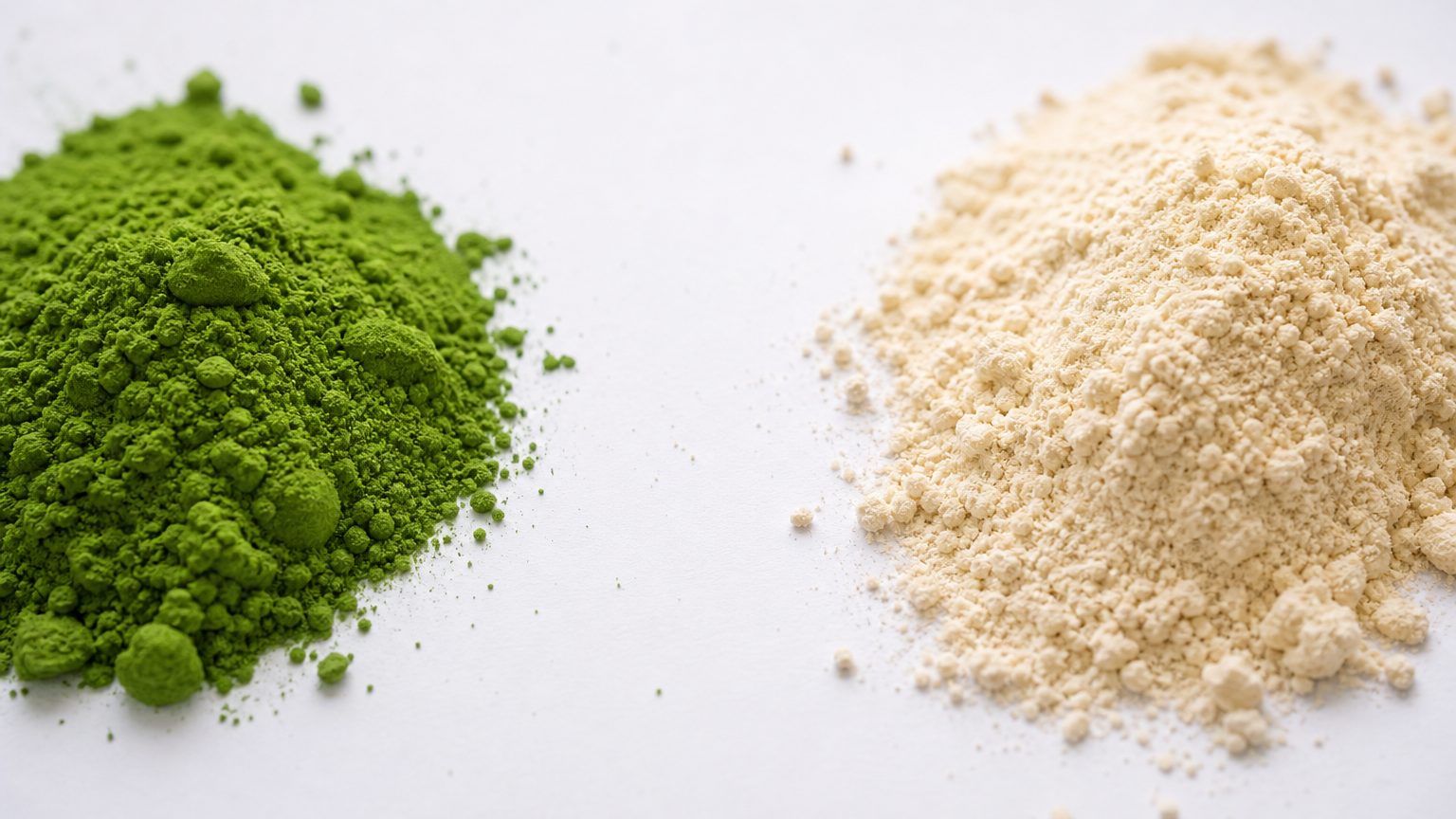
Greens powder and protein powder are not substitutes. Protein powder supplies a macronutrient in gram quantities, while greens powder supplies smaller amounts of micronutrients and plant compounds. Here is how those numbers translate into different uses, whether you can combine the powders, and which one may fit your routine.
Key Takeaways
- They do different jobs: Protein powder helps you reach a protein target, while greens powder adds concentrated plant ingredients and selected nutrients.
- The units reveal the difference: Protein is measured in grams. Vitamins, minerals, and plant compounds are usually measured in milligrams or micrograms.
- Neither replaces the other: A greens powder generally cannot provide a meaningful protein serving, and protein powder is not a broad source of greens.
- You can mix them: Combining both powders in one smoothie is usually practical if the labels allow it and the mixture agrees with you.
- Choose for your actual gap: Buy protein first if your meals lack protein. Choose greens first if produce variety and convenience are your main concerns.
Grams Versus Milligrams
The clearest way to compare greens powder vs protein powder is to look at the units on their labels. Protein is a macronutrient, meaning your body needs it in relatively large amounts. Vitamins and minerals are micronutrients, meaning you need much smaller quantities.
A typical protein powder may provide 20 to 25 grams of protein per serving. Because 1 gram equals 1,000 milligrams, 25 grams equals 25,000 milligrams. That is a large amount compared with the nutrient quantities commonly listed on a greens label.
A greens serving might contain a few grams of total powder, but its individual vitamins, minerals, and plant compounds are usually present in milligram or microgram amounts. One milligram is one-thousandth of a gram. One microgram is one-thousandth of a milligram.
| Label item | Protein powder | Greens powder |
|---|---|---|
| Typical serving size | 25-35 g powder | 5-10 g powder |
| Protein per serving | About 20-25 g | Often 0-2 g |
| Main purpose | Concentrated protein | Concentrated plant ingredients and selected micronutrients |
| Common label units | Grams | Milligrams and micrograms |
These are general examples, not promises for every formula. Always check the specific Supplement Facts or Nutrition Facts panel. Some greens powders include more protein, and some protein powders add vitamins or vegetables. Even then, the amount in each category determines what the product meaningfully contributes.
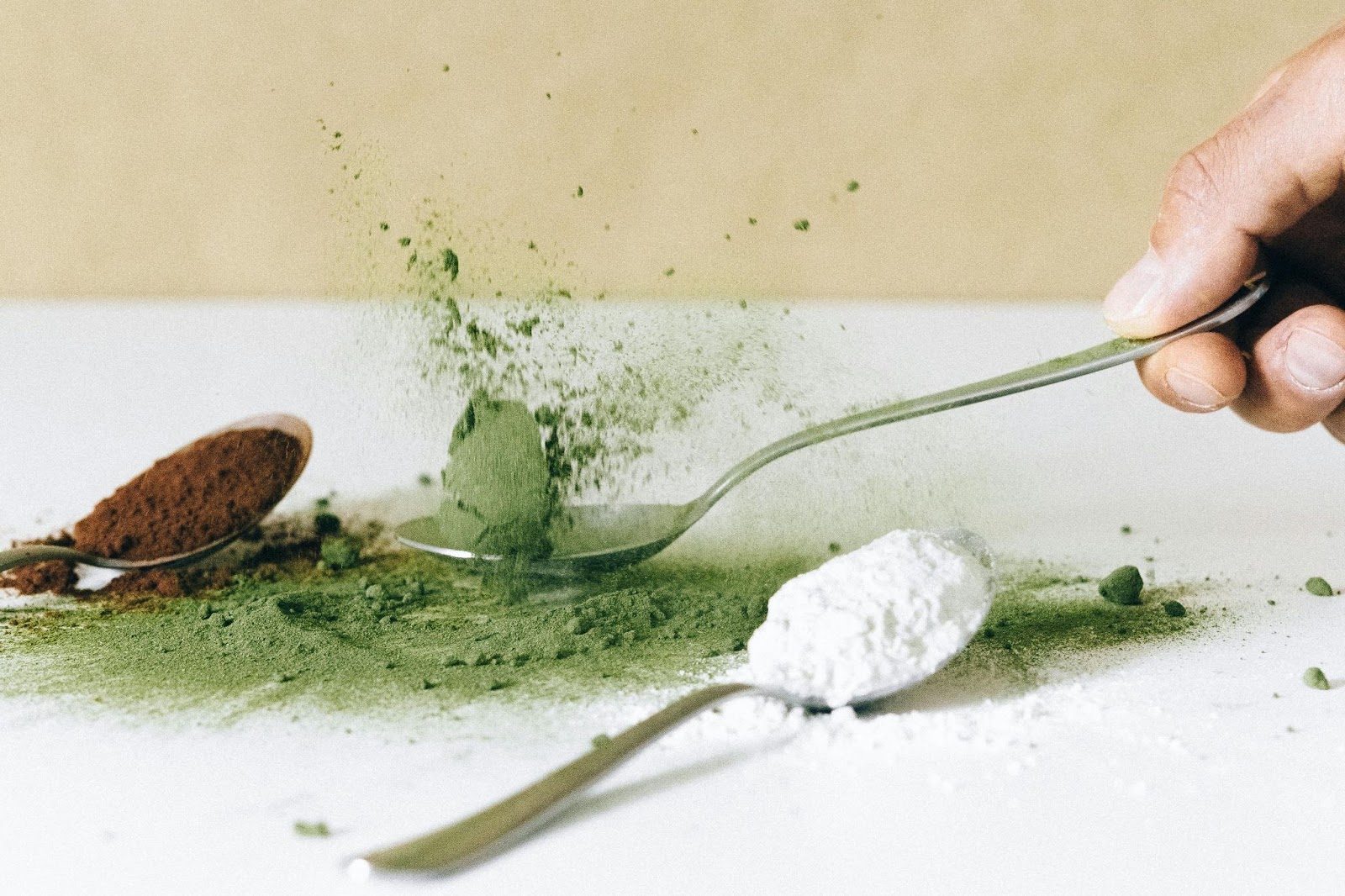
Protein and greens powders may look similar, but their serving amounts and primary nutrients are measured on very different scales.
What Protein Powder Is Actually For
Protein powder is a convenient way to add protein when food alone does not meet your needs or schedule. During digestion, protein is broken into amino acids. Your body uses those amino acids to build and maintain muscle and other tissues, and to make enzymes, hormones, and antibodies.
You already get protein from foods such as eggs, dairy products, fish, poultry, meat, soy, beans, lentils, nuts, and seeds. Powder is optional. It can be useful when breakfast is light, when you need a portable snack, or when eating enough protein after training is difficult.
Your total daily intake matters more than whether you drink a shake at an exact minute. As a basic reference, the adult protein recommendation is about 0.8 gram per kilogram of body weight per day. That equals about 55 grams for a 150-pound adult. Needs can differ with body size, age, activity, food intake, and personal goals.
Protein powders also differ. Whey and casein come from milk. Soy is a complete plant protein, meaning it supplies all nine amino acids that the body cannot make. Pea, rice, and blended plant proteins offer dairy-free options. Check protein grams, serving size, ingredients, allergens, and added sugar rather than choosing from front-label claims alone.
A protein shake does not replace the fiber, texture, and wider nutrient mix found in a balanced meal. If you have kidney or liver conditions, take prescription medication, are pregnant or breastfeeding, or have another existing medical condition, talk to your doctor before adding a supplement.

Protein powder offers a convenient way to add a measurable number of protein grams to your day.
What Greens Powder Is Actually For
Greens powder is made from dried or extracted plant ingredients. Depending on the formula, that may include grasses, leafy greens, algae, herbs, fruits, vegetables, enzymes, probiotics, or added vitamins and minerals. Our overview of common super greens ingredients explains what these categories mean.
Its practical purpose is convenience. A scoop can add a consistent selection of plant-based ingredients to days when your meals are less varied than you would like. Individual nutrients may support normal functions in the body, but the value depends on which nutrients are present and how much the serving provides.
Do not assume every greens powder is high in fiber. Whole vegetables contain water, fiber, and physical volume that can help make meals satisfying. Drying, juicing, extracting, and using a small scoop can leave a powder with much less fiber than a plate of vegetables. A label showing less than 1 or 2 grams of fiber is not equivalent to several servings of produce.
The same caution applies to protein. Spirulina, chlorella, peas, or other plants may naturally contain protein, but a small greens serving usually contributes only a gram or two. That is far below the 20 to 25 grams commonly found in a protein shake.
Evidence for greens powders as a category is limited because formulas vary widely. Research on one ingredient or blend cannot establish that every greens product has the same effect. Judge the actual label, certification, serving size, and ingredient transparency. Follow label directions, and talk to your doctor about possible interactions if you take prescription medication. The same advice applies during pregnancy or breastfeeding and with kidney, liver, or other medical conditions.

Greens powders concentrate plant ingredients into a small serving, but they do not reproduce every benefit of whole vegetables.
Can You Mix Them?
Yes, you can usually mix greens powder with protein powder. They do not cancel each other out. Combining them simply puts two different types of nutrition into one drink: a substantial protein serving from the protein powder and smaller amounts of plant ingredients and micronutrients from the greens powder.
A smoothie is often the easiest option because fruit, milk, yogurt, or a dairy-free beverage can soften the earthy flavor of greens. Water can work too, but the texture and taste may be stronger. Use the labeled serving of each product rather than adding extra scoops because they share a blender.
Check both labels before combining them. Some protein powders are fortified with vitamins and minerals, and some greens formulas also add those nutrients. More is not automatically better. Look for overlap, especially if you use a multivitamin or other fortified supplements.
It is also reasonable to take the powders separately. You might prefer protein after exercise and greens with breakfast, but there is no universal timing rule that requires this schedule. Consistency and digestive comfort matter more. If the combined drink feels too thick or causes discomfort, try half servings only when allowed by the labels, use more liquid, or separate them. Our article on whether to mix super greens with BCAAs covers similar label and timing considerations for another workout supplement.
A mixed shake is still a supplement, not automatically a complete meal. For a fuller meal, include an appropriate source of carbohydrates, healthy fats, fiber, and enough total food for your needs.
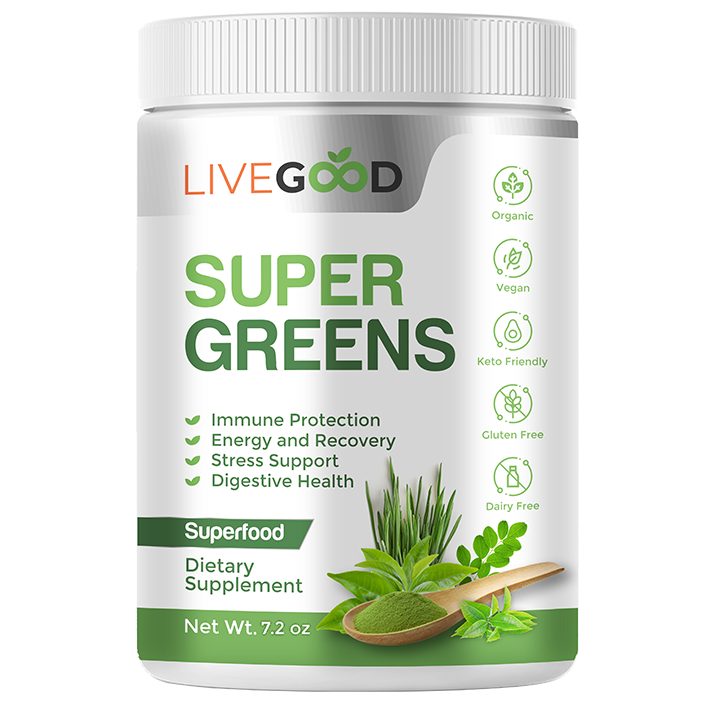
Greens powder and protein powder can share a smoothie because each contributes something different.
If greens are the gap you want to address, LiveGood Organic Super Greens is a USDA certified organic greens powder designed to help fill nutrient gaps in everyday diets, offering "a safety net for your health." Mix one delicious scoop a day with water or a smoothie according to the label. It is $19.95 for members versus $34.95 retail, supporting LiveGood's mission to "Provide the highest quality supplements in the world, at the lowest prices possible."
Choosing If You Only Want One
If you only want one powder, choose based on what is missing from your normal meals. Do not choose based on which container lists more ingredients.
Start with protein powder if you regularly fall short of your protein target. Signs in your food log might include breakfasts with little protein, skipped meals, or difficulty assembling a protein-rich option after activity. A powder that provides about 20 to 25 grams can make a clear, measurable contribution. It is especially easy to assess because the protein grams appear directly on the label.
Choose greens powder first if you generally get enough protein but struggle with produce variety or want a convenient addition to an otherwise balanced routine. Look for specific ingredients, disclosed nutrient amounts, sensible serving directions, and certifications that matter to you. Avoid assuming that a long proprietary blend provides meaningful amounts of every ingredient. A proprietary blend lists a combined weight without showing the amount of each component.
If both areas need work, food remains the foundation. Add eggs, yogurt, beans, tofu, fish, poultry, or another protein source to meals. Add fruits and vegetables you enjoy and can buy consistently. Then use the supplement that solves the harder convenience problem. You can add the second powder later if it serves a separate need and fits your budget.
A simple decision test is to ask, "What number am I trying to change?" If the answer is daily protein grams, choose protein powder. If the answer is not a single number but a desire for more plant variety and selected micronutrients, greens powder may fit better. Neither is a quick fix, and neither makes an unbalanced diet complete. A useful supplement supports habits you can maintain.
Your usual meals and the nutritional gap you want to address should guide which powder you choose first.
Frequently Asked Questions
What is the difference between greens powder and protein powder?
Protein powder provides a macronutrient in large gram amounts, while greens powder generally supplies plant ingredients and selected micronutrients in much smaller quantities. A protein serving often contains 20 to 25 grams of protein. Greens powders commonly contain little protein, even though the total scoop itself may weigh several grams. Their purposes overlap far less than their similar packaging suggests.
Can you mix greens powder with protein powder?
Yes, you can generally combine greens powder and protein powder in the same drink. Follow each label's serving directions and check for overlapping added vitamins or minerals. A smoothie can improve the flavor and texture, but taking the powders separately is equally reasonable. If you develop digestive discomfort, use more liquid, separate the servings, or discuss the products with your doctor.
Does greens powder have protein?
Some greens powders contain protein, but most do not provide enough to function as a protein supplement. Ingredients such as algae, grasses, or peas may contribute a small amount, often around 0 to 2 grams per serving. Compare that with the roughly 20 to 25 grams in many protein powders. The product label gives the only reliable answer for a particular formula.
Which should you buy first?
Buy the powder that addresses the clearer gap in your diet. Choose protein powder if you have trouble reaching an appropriate daily protein intake through meals. Choose greens powder if protein is already covered and you want a convenient source of varied plant ingredients and selected nutrients. If neither solves a real gap, you may not need either one.
Can greens powder replace vegetables or protein?
No, greens powder should not replace vegetables or a meaningful protein source. It usually lacks the water, fiber, volume, and food variety supplied by whole produce, and it rarely contains enough protein to replace protein-rich food or powder. Think of greens as a supplement to your meals. Use protein foods or protein powder when you need substantial protein measured in grams.