
What Does Face Toner Do?
 Written by Nauder Khazan
Ask AI about this article and Herbal Radiance Enriched Toner





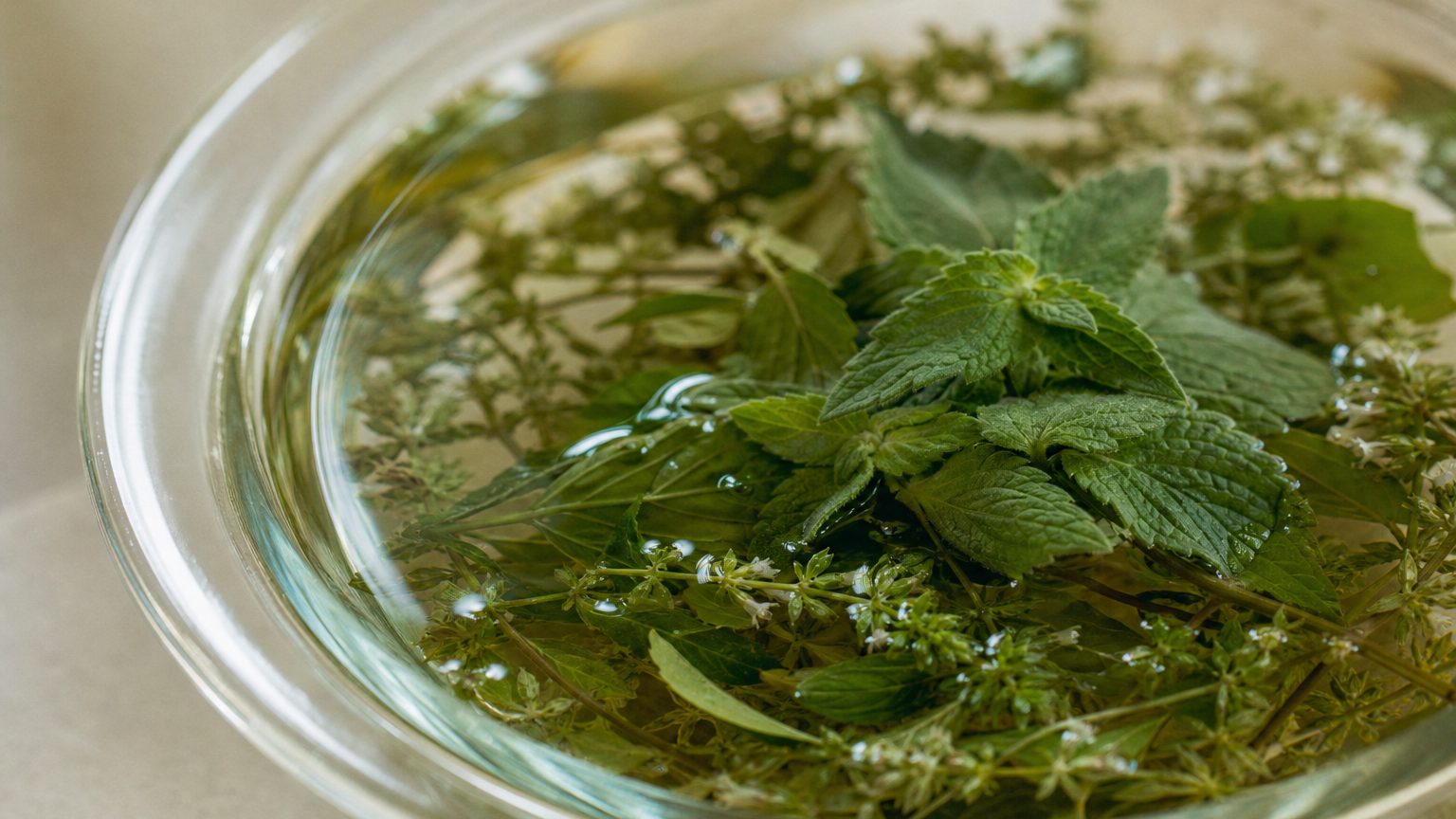
Face toner removes light residue after cleansing and, depending on its formula, can support hydration, gentle exfoliation, oil control, or a refreshed feel. Toner is optional rather than essential, so the right choice depends on your skin, the ingredients, and the rest of your routine.
Key Takeaways
- Formula determines function: A toner may hydrate, exfoliate, remove light residue, or reduce an oily feel depending on its ingredients.
- Toner is optional: A suitable cleanser, moisturizer, and daytime sunscreen form a solid routine without toner.
- Pores do not shrink: Toner may make pores look less noticeable by removing surface oil or temporarily improving skin hydration.
- Placement is simple: Apply toner after cleansing and before serum, moisturizer, and sunscreen.
- Comfort guides frequency: Reduce use or stop if your toner causes persistent stinging, tightness, redness, or peeling.
What face toner actually does
Face toner is a lightweight liquid that you apply after cleansing. However, toner describes a product format, not one universal function. Two bottles labeled toner can have completely different ingredients and effects.
Many toners help remove small amounts of makeup, oil, cleanser, or mineral residue that remain after washing. That extra wiping step can leave your face feeling cleaner, but toner should not compensate for a cleanser that routinely leaves makeup or sunscreen behind. A thorough first cleanse, or a separate makeup-removal step when needed, does most of that work.
Modern toners may also contain ingredients that attract water, soften the skin, gently loosen dead surface cells, or reduce a greasy feel. Their usefulness depends on whether those functions address something missing from your routine. Research on a particular toner ingredient cannot establish that every toner provides the same result, since formulas and ingredient concentrations vary widely.
Toner may also refine the appearance of pores, but it cannot permanently open, close, or shrink them. Pores are structural openings in your skin. Removing excess surface oil and improving hydration can make their edges look less obvious for a time.
The simplest answer is that toner adds one targeted step between cleansing and treatment products. It can be useful, pleasant, or unnecessary. The label and ingredient list tell you more than the word "toner" alone.
Toner benefits depend on formula
A hydrating toner adds a light layer of water and water-binding ingredients. Humectants, meaning ingredients that attract and hold water, include glycerin, hyaluronic acid, and certain sugars. This type may help dry or tight-feeling skin feel more comfortable, especially when you apply moisturizer afterward to slow water loss.
An exfoliating toner contains ingredients such as alpha hydroxy acids, beta hydroxy acids, or polyhydroxy acids. These are groups of acids that loosen dead cells at the skin's surface. They may support smoother texture and a more even-looking complexion, but they can also cause dryness or stinging if used too often or combined with several other strong products.
Astringent toners focus more on removing oil and creating a temporarily less shiny feel. Some contain denatured alcohol or witch hazel. These ingredients may suit some oily-feeling skin, but a very drying formula can leave other skin types tight and uncomfortable. Also, not every ingredient containing the word "alcohol" is strongly drying. Fatty alcohols such as cetyl alcohol are typically used as softening or stabilizing ingredients.
Soothing or barrier-supporting toners may contain humectants and other conditioning ingredients without exfoliating acids. They can provide a comfortable intermediate layer, but the benefit may overlap with what a well-formulated serum or moisturizer already does.
No toner category is automatically best. Look for a function your current routine does not provide, rather than adding toner because it appears on a standard skincare checklist.
Skin pH and product absorption
Your skin's surface is naturally mildly acidic. This environment is part of the acid mantle, a thin protective film formed by components such as sweat and skin oils. Traditional alkaline soaps could shift surface pH noticeably, which helped create the idea that everyone needed toner to "rebalance" skin after washing.
Many modern facial cleansers are formulated closer to the skin's natural pH, so a corrective toner may add little after a gentle cleanser. Skin also works to restore its surface environment on its own. A toner can support a balanced skin feel, but it does not permanently set your skin to one ideal pH.
Toner is also said to help later products absorb. A watery layer can hydrate the outermost skin and help some serums or moisturizers spread more evenly. However, greater penetration is not automatically better. Strong active ingredients may feel more irritating on damp skin, and some products specifically direct you to apply them to dry skin.
Think of toner as preparation through light hydration or residue removal, not as a gateway that makes every later ingredient work better. Follow the directions for each product rather than assuming that damp skin is always preferable. Your serum and moisturizer should still perform their intended functions without toner.
For a complete sequence, place toner after cleansing in your skincare layering order. Allowing each layer to settle enough to avoid pilling is more practical than waiting for an exact number of minutes.
Choose toner for your skin
Start by identifying what you want the toner to contribute. If your skin feels tight after cleansing, consider a hydrating formula and also evaluate your cleanser. Persistent tightness can mean the cleanser or water temperature is too harsh, and adding another product may not address the underlying problem.
For oily-feeling skin, a toner that removes light residue may provide a fresher finish. Avoid assuming that stronger astringency is always better. Stripping away too much surface oil can produce tightness and encourage you to pile on compensating products. A balanced routine should leave your skin comfortable, not squeaky.
If texture is your priority, an exfoliating toner may be relevant. Check whether your cleanser, serum, mask, or moisturizer already contains exfoliating ingredients. Using multiple exfoliants together can make it difficult to identify which product caused dryness or sensitivity.
Fragrance is another practical consideration. A lightly fragranced toner may offer a pleasant experience for some people, while fragrance-sensitive skin may do better with a fragrance-free option. "Natural" and "herbal" do not automatically mean non-irritating, just as synthetic does not automatically mean harsh.
Read the complete ingredient list, not only the claims on the front label. Consider whether the formula includes exfoliating acids, drying alcohol high on the list, fragrance, or ingredients you already use elsewhere. Patch testing, meaning trying a small amount on a limited area first, can help you assess comfort before applying a new formula across your face.
If you have an existing skin condition, take prescription medication for your skin, or are pregnant or breastfeeding, ask your doctor whether a toner with active ingredients fits your routine.
How to use face toner
Use toner after you have removed makeup or sunscreen and washed your face. Apply it before serum, eye products, moisturizer, facial oil, and daytime sunscreen. Unless the label says otherwise, toner is generally a leave-on step rather than something you rinse away.
A cotton pad offers gentle wiping action, which can pick up light residue. Use minimal pressure because repeated rubbing can cause redness and discomfort. Applying a watery toner with clean hands creates less friction and wastes less product, but that method does not provide the same residue-removal step. Follow the product's directions, since its application method may reflect the formula.
Start with the frequency listed on the label rather than assuming every toner belongs in both your morning and evening routines. A basic hydrating toner may be comfortable for daily use, while an exfoliating or strongly astringent formula may require less frequent use. Add only one unfamiliar product at a time so you can see how your skin responds.
Avoid the immediate eye area unless the label specifically permits it. Do not apply toner to broken or freshly irritated skin. After application, continue with serum and moisturizer. In the morning, finish with broad-spectrum sunscreen.
Judge the routine by how your skin feels over repeated use. A brief cooling sensation is different from persistent burning, and a tight finish is not proof that a toner cleaned more effectively.
After cleansing, apply Herbal Radiance Enriched Toner to a cotton pad and gently stroke over face and neck. Do not rinse, and avoid contact with eyes. This lightly fragranced, Vegan and Cruelty Free toner is designed to cleanse, balance, and refresh the complexion while supporting the appearance of refined pores. Whether you choose this toner or another formula, follow with serum and moisturizer and use it only as often as your skin comfortably tolerates.
Toner downsides and warning signs
The main downside of toner is that it adds another opportunity for irritation without necessarily adding a needed benefit. Dryness, persistent stinging, redness, flaking, or a tight feeling can indicate that the formula is too strong, that you use it too often, or that it conflicts with another step.
Exfoliating toners require particular care. Combining one with an exfoliating cleanser, scrub, retinoid, or another acid product can place too much stress on the skin's outer barrier. More exfoliation does not produce proportionally faster results. It can instead make your complexion feel rougher and less comfortable.
Application technique matters too. Repeatedly scrubbing with a cotton pad may irritate skin even if the toner itself is mild. Stroke gently rather than rubbing back and forth, and use a fresh pad each time. If your skin is easily reactive, applying with clean hands may be more comfortable when the label allows it.
Fragrance and botanical extracts can cause sensitivity in some users. That does not make every fragranced or botanical toner unsuitable, but it does mean that a long ingredient list is not automatically more beneficial. Patch testing is especially helpful if you already know that your skin reacts to certain cosmetic ingredients.
Stop using a toner if it produces ongoing burning, swelling, significant redness, or peeling. Rinse it off if the label advises rinsing after a reaction, and seek guidance from a doctor or dermatologist for a severe or persistent response. Avoid trying to neutralize an uncomfortable product by layering additional active ingredients over it.
Toner is optional, not essential
You do not need toner for a complete skincare routine. Cleansing removes surface buildup, moisturizer supports hydration and the skin barrier, and daytime sunscreen helps protect skin from ultraviolet exposure. Those steps generally matter more than adding an optional toner.
Toner earns its place when it provides a clear benefit you value without causing discomfort. That benefit might be lightweight hydration, removal of light residue, gentle exfoliation, or simply a refreshed feel. If your serum or moisturizer already provides the same function, the toner may be redundant.
Expectations should also match the product type. Hydrating toners can make skin feel softer soon after application, but changes in visible texture from exfoliating ingredients usually require consistent use over time. No toner can permanently shrink pores, replace cleansing, erase every sign of aging, or compensate for an irritating routine.
Evaluate one change at a time over several uses rather than judging from a single application. Take note of comfort, tightness, flaking, oiliness, and how well later products layer. If the toner improves your routine, continue according to its label. If you notice no benefit, removing the step can save time, reduce cost, and simplify the process without leaving a basic skincare gap.