
What Does Facial Cleanser Do?
 Written by Nauder Khazan
Ask AI about this article and BioCleanse Facial Cleanser





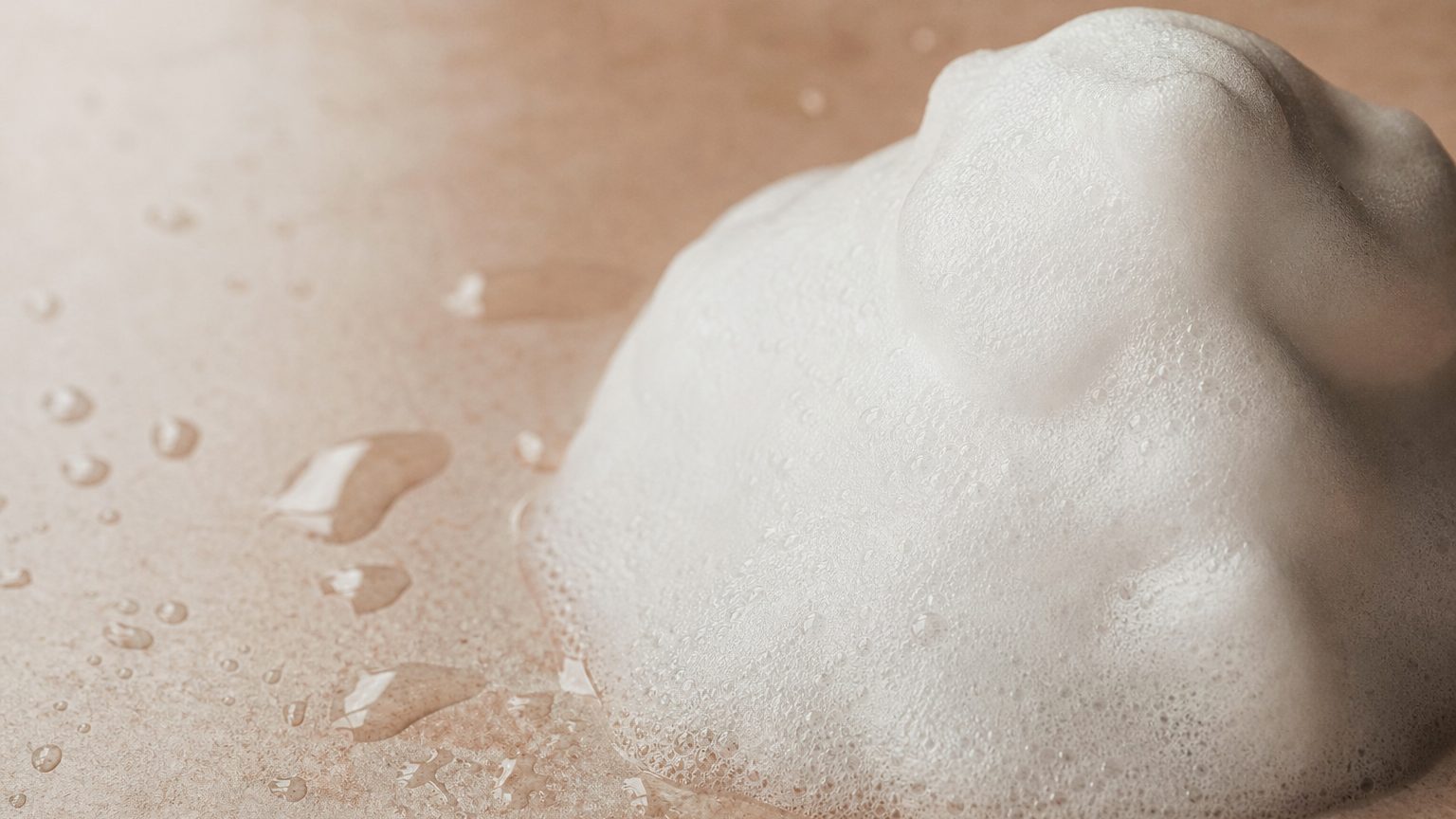
A facial cleanser removes excess oil, sweat, sunscreen, makeup and everyday debris from your skin so the rest of your routine starts with a clean surface. A well-matched formula does this without leaving your skin tight, dry or uncomfortable.
Key Takeaways
- Surface cleaning: Facial cleanser lifts oil-soluble and water-soluble material so you can rinse it away.
- Barrier balance: The right cleanser cleans effectively without leaving your protective skin barrier feeling stripped.
- Product differences: Creams, gels, oils and foams vary in texture and cleansing strength, but the name alone does not determine gentleness.
- Short contact: Most everyday cleansers need only a brief, gentle massage before rinsing.
- Routine placement: Cleanser normally comes first, followed by products that remain on your skin.
What Cleanser Actually Removes
Facial cleanser removes material that builds up on the outermost surface of your skin. That includes excess sebum, which is your skin's natural oil, along with sweat, environmental particles, sunscreen and makeup. Water alone can rinse away some sweat and loose debris, but it does not remove oily material as effectively.
Cleansing also washes away some loosely attached dead skin cells. However, an ordinary cleanser is not automatically an exfoliant. Exfoliation removes or loosens dead surface cells more deliberately, while cleansing primarily removes material sitting on or mixed with the surface oils. A cleanser should not be expected to produce the same effects as an exfoliating acid or scrub.
Cleanser can make pores look less congested by removing surface oil and residue, but it does not physically open, close or shrink pores. Pores do not have muscles that work like doors. Their appearance can vary with oiliness, accumulated debris, skin texture and genetics.
For acne-prone skin, cleansing can remove oil, makeup and other residue that you do not want sitting on the surface. It does not address every factor involved in acne, and more washing is not necessarily better. Persistent or painful breakouts deserve guidance from a dermatologist, especially if you use prescription products that could affect how your skin tolerates a cleanser.
How Facial Cleanser Works
Most facial cleansers rely on surfactants, ingredients that help water mix with substances it normally cannot carry away easily. A surfactant molecule has one region attracted to water and another attracted to oil. During cleansing, these molecules surround oily material, allowing it to be suspended in the rinse water.
This is why massage and rinsing both matter. Gentle movement spreads the cleanser across areas where oil, sunscreen and makeup collect. Rinsing then carries away the cleanser and the material it has lifted. Scrubbing harder does not make this chemistry work better and can increase friction on your skin.
Cleansers vary because manufacturers can use different surfactants, concentrations and supporting ingredients. Amino acid-based surfactants are cleansing agents made using amino acid components. They are often selected for formulas intended to provide effective cleansing with a comfortable skin feel, although the complete formula matters more than any single ingredient category.
Your skin's outer barrier contains cells and lipids, or fats, that help retain moisture and protect the surface. Very aggressive cleansing can remove more oil than you need, contributing to a tight or rough feeling. The goal is not to remove every trace of natural oil. It is to clear unwanted buildup while maintaining a comfortable, balanced-feeling surface.
Cleanser Versus Face Wash
Facial cleanser and face wash are overlapping terms rather than strictly regulated categories. Brands often use "face wash" for a foaming gel and "cleanser" for a creamier or less foamy product, but that naming pattern is not universal. You can usually use either as the cleansing step in your routine.
Foam also does not tell you exactly how well or gently a product cleans. Some low-foam formulas remove sunscreen effectively, while some modern foaming formulas are designed to feel mild. Judge a formula by how it performs on your skin, not by the size of its bubbles or the words printed on the label.
Cleansing oils and balms work a little differently in texture, but they serve the same broad purpose. Their oily base helps dissolve long-wearing makeup, water-resistant sunscreen and sebum. Many contain emulsifiers that allow the mixture to rinse away when water is added.
If you wear heavy or water-resistant products, you may prefer double cleansing. This means using an oil-based cleanser first and a water-based cleanser second. It is optional rather than a requirement, and one effective cleanser may be enough for lighter sunscreen, minimal makeup or bare skin.
Choosing a Suitable Cleanser
Choose a facial cleanser according to your skin's current behavior, what you need to remove and how your skin feels after rinsing. Skin type labels can provide a starting point, but comfort and performance are more useful than automatically choosing the strongest formula marketed for a concern.
Cream and lotion cleansers often suit skin that feels dry or easily uncomfortable. Gels and foams can feel refreshing on oilier skin, while oils and balms are useful for dissolving water-resistant products. These are general tendencies, not guarantees. A carefully formulated foam may feel gentler than a heavily fragranced cream.
Look at the entire routine as well. If you use exfoliating acids, retinoids or other potentially drying products, a simple cleanser may help you avoid stacking several intense steps. If you use a prescription topical product, ask your healthcare professional how to combine it with cleansing and other skincare.
Your skin's response offers practical clues. A suitable cleanser should leave your face clean but comfortable after rinsing. Ongoing tightness, stinging, flaking or a squeaky feeling suggests that the formula, water temperature, washing frequency or massage time may not suit you.
Do not assume that more oil requires the harshest cleanser. Removing too much surface oil can leave skin uncomfortable without changing the underlying factors that influence oil production. A consistent, tolerable routine is generally more useful than repeatedly switching between strong products.
How to Use Cleanser
Use facial cleanser with damp skin unless the product directions tell you otherwise. Dispense the label-directed amount into clean hands, spread it over your face and gently massage with your fingertips. Pay attention to the hairline, sides of the nose and jaw, where sunscreen and makeup can be missed.
Keep the pressure light and avoid rough washcloths or aggressive scrubbing. Most everyday cleansers need only a short massage, rather than several minutes of contact. The instructions may differ for cleansing balms, makeup removers or formulas containing active ingredients, so follow the specific label.
Rinse thoroughly with lukewarm water. Very hot water can contribute to dryness and discomfort, while incomplete rinsing may leave residue around the hairline or nose. Pat your face dry with a clean, soft towel instead of rubbing it.
Many people cleanse in the evening to remove the day's sunscreen, makeup, oil and debris. Morning cleansing depends more on your skin, overnight products and preferences. Some people appreciate a full morning cleanse, while others with dry or sensitive-feeling skin may prefer a lighter cleanse. Follow the product directions and reduce frequency if your skin repeatedly feels stripped.
For a simple twice-daily option, LiveGood BioCleanse Facial Cleanser is an amino acid-based foaming cleanser designed to gently cleanse while supporting hydration, comfort and the skin's protective barrier. Apply 1-2 pumps to damp skin, massage over your face and neck in circular motions to create a soft, creamy foam, then rinse with lukewarm water and pat dry. Use it morning and evening as directed. It is Cruelty Free.
Common Cleansing Mistakes
Overcleansing is one of the most common mistakes. Washing repeatedly, using too much pressure or combining a strong cleanser with frequent exfoliation can leave your skin feeling dry and reactive. Feeling squeaky clean is not proof of a better result.
Another mistake is treating cleanser as a leave-on product. Unless the label specifically directs otherwise, rinse it away thoroughly. A longer contact time does not automatically provide a deeper clean, and facial skin does not need prolonged scrubbing to release ordinary daily buildup.
Using body soap on your face can also be uncomfortable. Traditional soap may have a higher pH, a measure of how acidic or alkaline something is, than the skin's naturally acidic surface. Not every bar is the same, but a product formulated for facial use gives you a better chance of matching the needs of facial skin.
Watch for changes rather than judging a cleanser after one dramatic wash. Tightness immediately after rinsing, repeated stinging, new roughness or persistent flaking can indicate that you should reassess the formula or frequency. Stop using a product if you develop a significant reaction and contact a healthcare professional for persistent symptoms.
Finally, do not expect cleansing alone to accomplish every skincare goal. A cleanser has brief contact with your skin and is rinsed away. Its main job is to clean effectively and comfortably, creating a suitable starting point for the leave-on products that follow.
Where Cleanser Fits
Cleanser usually comes first because oil, makeup and residue can interfere with the even application of leave-on products. After cleansing, pat your skin dry and apply the next steps according to their directions. Some hydrating products can go onto slightly damp skin, while other formulas call for completely dry skin.
A basic morning routine may include cleanser, moisturizer and broad-spectrum sunscreen. At night, cleansing is followed by any targeted products you use and then moisturizer. You do not need a long routine for cleansing to be worthwhile.
If you use multiple products, the broader skincare layering order can help you organize the steps without asking your cleanser to do work that belongs to a serum, moisturizer or sunscreen. The central distinction is simple: cleanser is a rinse-off preparation step, while most products that follow are designed to remain on your skin.
Give a new cleanser enough time to judge everyday comfort, but do not push through ongoing irritation in the hope that your skin will adjust. A good cleanser should make your routine easier to maintain. Consistent, comfortable cleansing is more valuable than chasing an intense sensation or an instant transformation.