
Greens Powder and Digestion: What to Expect
 Written by Ben Glinsky
Ask AI about this article and Organic Super Greens





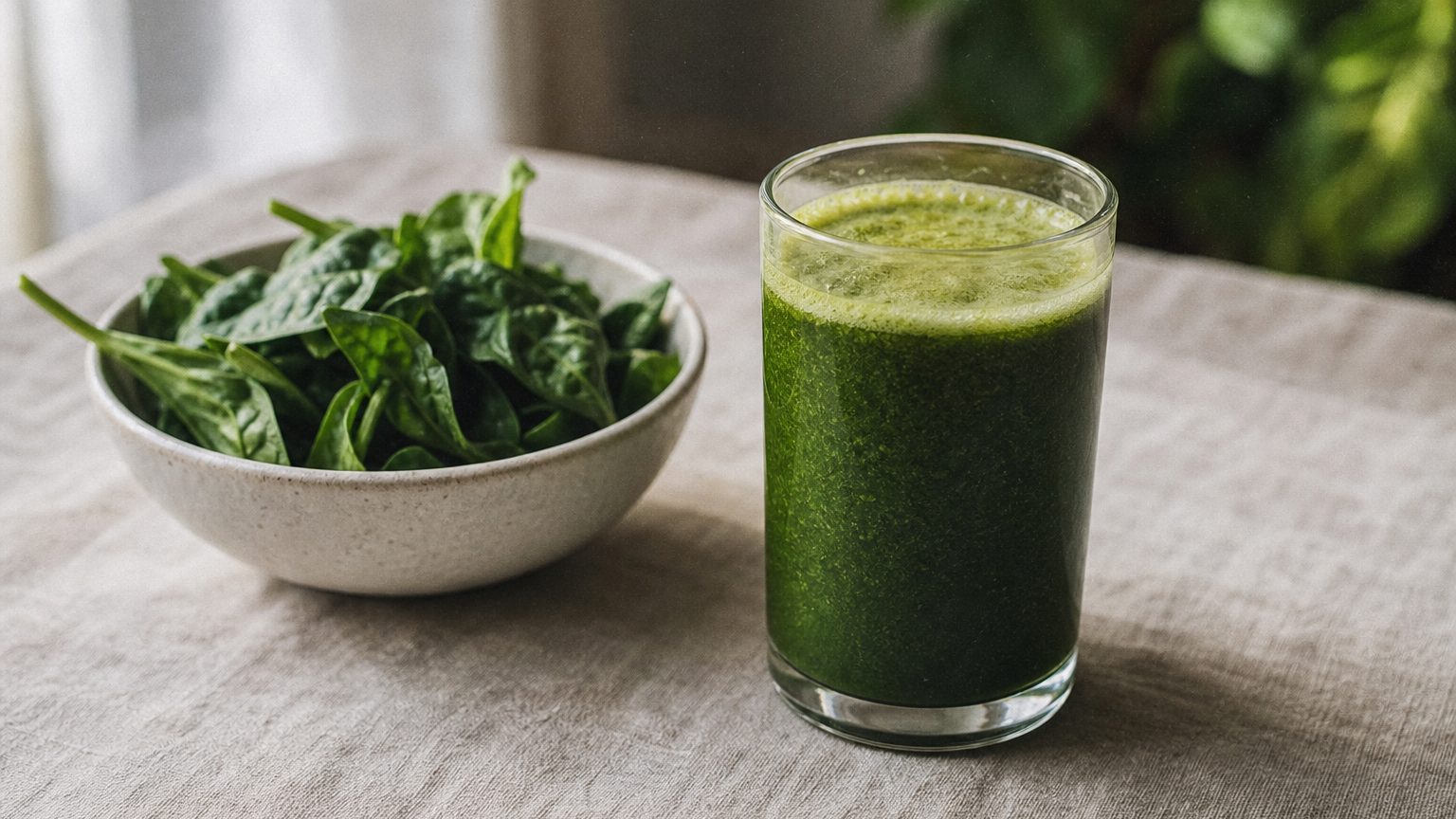
Greens powders can support digestion, but their value depends on the formula. Most contain very little fibre, so any digestive support is more likely to come from added prebiotics, probiotics, or enzymes than from the powdered vegetables themselves. Here is how to read the label, understand gas or stool changes, and keep real fibre in your routine.
Key Takeaways
- Check the fibre first: Most greens powders contain little fibre per serving and should not be treated as fibre supplements.
- Look beyond the greens: Added prebiotics, probiotics, and digestive enzymes are often the ingredients most directly related to digestion.
- Expect possible gas from inulin: Gut bacteria ferment this prebiotic fibre, which can produce gas, especially when your intake changes suddenly.
- Keep eating whole plants: Vegetables, fruit, beans, whole grains, nuts, and seeds provide fibre and food structure that powders usually lack.
- Judge the exact formula: Ingredients and amounts vary widely, so the label matters more than broad promises about greens powders.
The Fibre Gap Nobody Mentions
The biggest misconception about greens powders is that a scoop provides the same digestive benefits as a bowl of vegetables. Usually, it does not. Many products supply only a small amount of dietary fibre per serving, and some supply almost none.
Whole vegetables contain fibre within their natural cell structure. That includes insoluble fibre, which adds bulk to stool, and soluble fibre, which absorbs water and can be fermented by gut bacteria. Both types contribute to a varied diet and normal digestive function.
Processing changes that picture. Some greens powders are made from juices or extracts after much of the fibrous plant material has been removed. Even when a product uses dried whole plants, the serving may be only a few grams. That leaves limited room for meaningful amounts of fibre alongside all the other ingredients.
Turn the package around and check the Nutrition Facts panel. Find the line for dietary fibre rather than assuming that spinach, kale, broccoli, or grasses automatically make the powder high in fibre. A long ingredient list does not tell you how much fibre reaches your glass.
This does not make greens powders useless. They can offer a convenient way to supplement certain nutrients when your diet is inconsistent. But they are not usually fibre supplements, and they do not duplicate the digestive value of eating intact plant foods. That distinction matters if regular fibre intake is your main goal.
What Is Actually in There for Digestion
If most greens powders are low in fibre, why do some people notice digestive changes? The answer is often found outside the main greens blend. Manufacturers may add ingredients specifically associated with digestion, including prebiotics, probiotics, and digestive enzymes.
Prebiotics are ingredients that certain gut bacteria use as food. Common examples include inulin, chicory root fibre, fructooligosaccharides, and acacia fibre. These ingredients can add fermentable fibre even when the powdered vegetables contribute very little. They may also be the reason you notice more gas after starting a product.
Probiotics are live microorganisms included in some formulas. Their effects are specific to the strain, which is the precise type of microorganism listed on the label. A generic claim such as probiotic blend tells you less than a label that identifies individual strains and provides a viable organism count.
Digestive enzymes are proteins that help break food into smaller parts. For example, proteases act on protein, lipases act on fat, and amylases act on starch. The body already produces these enzymes, and adding them to a greens powder does not guarantee a noticeable difference.
Vitamins, minerals, algae, grasses, and plant extracts may help supplement overall nutrient intake, but that is not the same as directly changing digestion. When comparing products, separate general nutrition ingredients from ingredients specifically included for digestive support. Then check amounts, strain names, enzyme activity units, allergens, and serving directions instead of relying on the front label.
Why Inulin Causes Gas for Some People
Inulin is a soluble, fermentable fibre found naturally in foods such as onions, garlic, asparagus, and chicory root. In a supplement, it may appear as inulin, chicory root fibre, or chicory fibre. It is added because it acts as a prebiotic, meaning certain bacteria in the large intestine can use it as fuel.
That fermentation process produces gases. This is normal biology, but the amount you feel can vary. One person may notice nothing, while another may experience rumbling, pressure, flatulence, or a change in stool pattern. Your usual fibre intake, gut bacteria, meal pattern, and the amount of inulin in the product can all affect your response.
A sudden increase in fermentable ingredients is more likely to be noticeable than a familiar part of your diet. Follow the product label, and avoid combining several new prebiotic supplements at once. Introducing multiple products together also makes it difficult to identify which ingredient caused the change.
If a greens powder makes you uncomfortable, read the ingredient list before blaming the greens themselves. Inulin, other added fibres, sugar alcohols, magnesium, probiotics, or concentrated plant ingredients may be involved. Our guide to possible super greens side effects covers this topic in more detail.
Stop using a product and seek medical guidance if symptoms are severe, persistent, or accompanied by vomiting, significant pain, swelling, or signs of an allergic reaction. A greens powder should not be used to manage an ongoing digestive condition without guidance from a qualified healthcare professional.
Probiotics and Enzymes in Greens Blends
Probiotics and digestive enzymes can make a greens formula sound more complete, but their presence alone does not prove that the blend will noticeably change your digestion. Quality, identity, amount, storage, and your individual needs all matter.
For probiotics, look for named strains rather than only a total blend name. Different strains can behave differently, so evidence about one microorganism cannot automatically be applied to another. The label may list colony-forming units, often shortened to CFU. This estimates the number of viable microorganisms. Ideally, that count should apply through the product's shelf life, not only when it was manufactured.
Storage matters too. Some probiotic strains remain stable at room temperature, while others are more sensitive to heat and moisture. Follow the package directions and keep the container tightly closed. More CFU is not automatically better, and research on multi-ingredient greens powders remains limited.
For enzymes, look for specific names and activity units. Activity units describe how much work an enzyme can perform, which is more informative than weight alone. Even then, an enzyme must remain active during storage and encounter the right conditions in the digestive tract. A list of enzymes without activity information is difficult to evaluate.
If you are pregnant or breastfeeding, take prescription medication, or have an existing medical condition, including a kidney or liver condition, talk to your doctor before adding a greens supplement. The same advice applies if you are considering daily use alongside other supplements. You can also review whether drinking super greens every day makes sense for additional practical checks.
Getting Real Fibre Instead
If fibre is your priority, start with food. Whole vegetables, fruit, beans, lentils, whole grains, nuts, and seeds provide much more than isolated nutrients. They also provide water, different types of fibre, and a physical food structure that helps make meals satisfying.
A practical approach is to add a fibre-containing food to meals you already eat. Put berries, oats, chia seeds, or ground flaxseed into breakfast. Add beans or lentils to soup and salad. Choose whole fruit rather than juice. Keep frozen vegetables available for meals when washing and chopping fresh produce feels unrealistic. The USDA's MyPlate guidance offers a simple visual goal, make fruits and vegetables a substantial part of your plate.
Increase fibre-rich foods in a way your body can tolerate, and drink enough fluid for your needs. A large, sudden change can lead to temporary gas or stool changes, even when the fibre comes from nutritious foods. Variety is useful because different plant foods contain different fibres that interact with the digestive system in different ways.
A smoothie can combine convenience with intact fibre. Blend a greens powder with whole fruit, leafy greens, oats, or seeds rather than assuming the powder supplies the fibre. Check the labels on every ingredient, since some premade smoothie products contain juice concentrates or added sweeteners but little fibre.
Greens powders fit best as a nutrition backup, not a replacement meal or a shortcut around vegetables. Consistency matters more than chasing an immediate digestive effect. If your bowel habits change unexpectedly or remain uncomfortable, speak with a healthcare professional instead of continually adding new supplements.
If you want a convenient greens option alongside fibre-rich meals, LiveGood Organic Super Greens is a USDA certified organic greens powder designed to help fill nutrient gaps, serving as a practical 'safety net for your health.' Mix one delicious scoop a day into water or a smoothie. It is $19.95 for members versus $34.95 retail, supporting accessible daily wellness. Highest Quality. Lowest Prices. Every Day.
Frequently Asked Questions
Are greens powders good for digestion?
Greens powders may support digestion when they contain useful amounts of prebiotics, probiotics, or digestive enzymes. The powdered vegetables alone may contribute nutrients, but most blends provide too little fibre to function like a serving of whole vegetables. Check the label for dietary fibre, named probiotic strains, prebiotic ingredients, and clearly identified enzymes before deciding what a product is likely to offer.
Do greens powders have fibre?
Many greens powders contain some fibre, but the amount is often quite small. Processing may remove much of the original plant fibre, and scoop sizes are usually modest. Read the dietary fibre line on the Nutrition Facts panel rather than judging by the vegetable list. If you want substantially more fibre, whole plant foods or a clearly labeled fibre supplement are more dependable choices.
Can greens powder cause gas and bloating?
Yes, a greens powder can cause temporary gas or bloating, particularly when it contains inulin, chicory root fibre, other prebiotics, or probiotics. These ingredients can be fermented by gut bacteria, producing gas. Follow the label and check for overlapping ingredients in other supplements. Stop using the product and contact a healthcare professional if discomfort is severe, persistent, or otherwise concerning.
Do greens powders replace vegetables?
No, greens powders do not replace vegetables. Whole vegetables provide more fibre, water, volume, and food structure than most powdered blends. A powder may help supplement nutrient intake when your meals fall short, but it should remain a backup to a varied diet. Frozen, canned, and fresh vegetables can all contribute to that foundation, depending on what is practical and available.
How long before greens powder affects digestion?
Digestive changes may appear within hours or several days, but there is no standard timeline. Gas from fermentable ingredients can begin relatively quickly, while any effect from probiotics may be subtler and varies by strain and person. Some people notice no digestive change at all. Evaluate the product over time as directed on its label, and stop if it repeatedly causes significant discomfort.