
Beef Tallow for Skin: What It Does
 Written by Nauder Khazan
Ask AI about this article and Whipped Tallow Balm





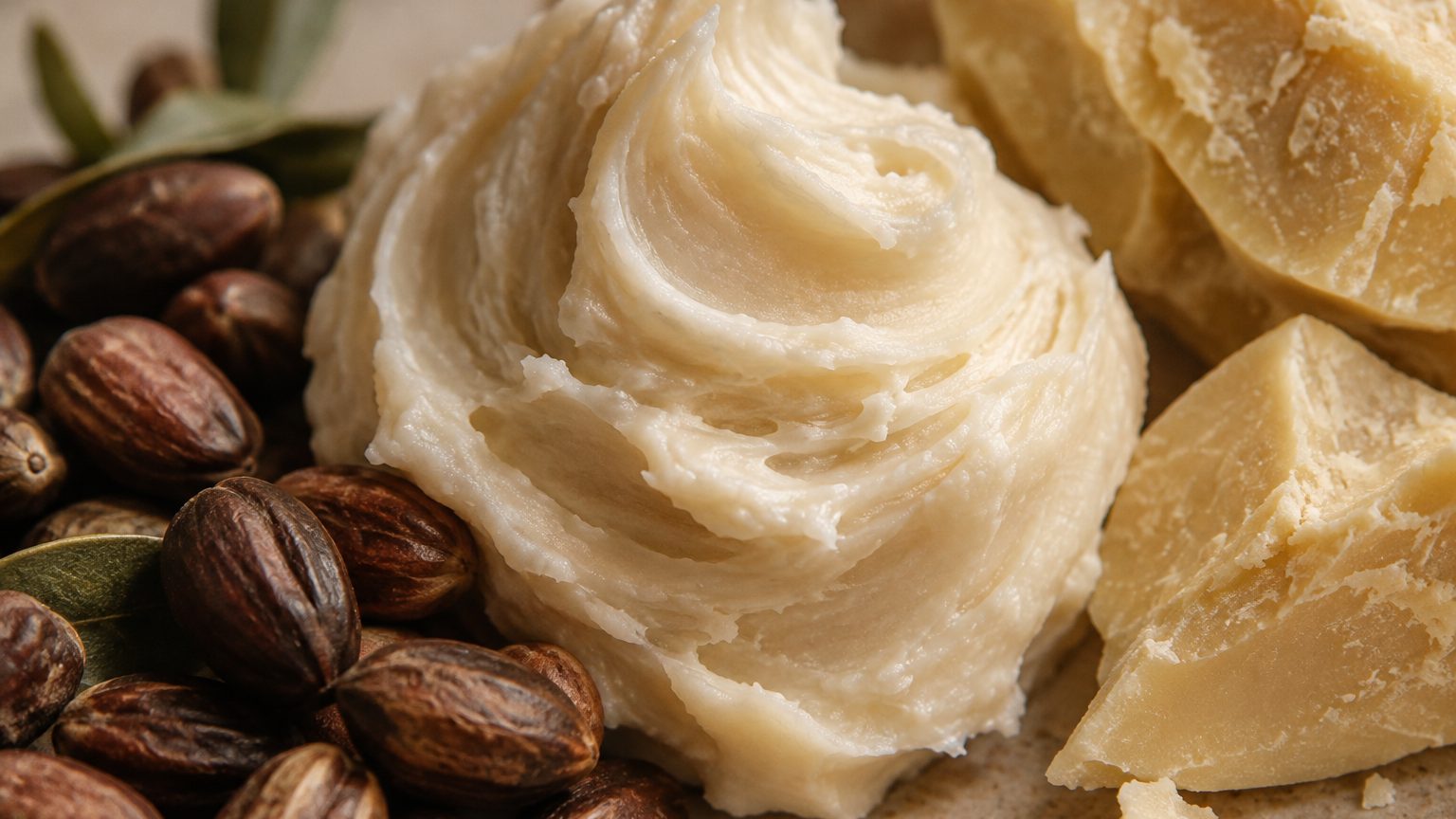
Beef tallow for skin mainly works as a rich moisturizer that helps reduce water loss, especially on dry areas. Its fatty acids resemble some found in human skin oils, but research does not show that tallow removes wrinkles, outperforms retinol or produces the dramatic results often shown on social media.
Key Takeaways
- Main benefit: Beef tallow forms a moisture-sealing layer that can support softer, more comfortable skin.
- Evidence has limits: Most dramatic beef tallow skin before and after claims come from personal stories, not controlled trials.
- Start cautiously: Rich tallow balm may feel too heavy or contribute to clogged pores on oily or acne-prone skin.
- Use very little: Warm a pea-sized amount between your fingers and press it onto slightly damp skin.
- Read the label: Look beyond the word "tallow" to see the source, added oils, fragrance and preservatives.
What Beef Tallow Is
Beef tallow is rendered beef fat. Rendering uses controlled heat to separate purified fat from water, connective tissue and other solids. After cooling, the finished tallow has a firm, balm-like texture that softens with body heat.
Some skincare products use suet, the firm fat found around the kidneys, while others may use fat trimmed from different parts of the animal. Suet is often selected for balm because its composition produces a stable, smooth texture. The source matters for consistency, although research has not established that suet-based skincare produces better skin results than properly rendered trim fat.
Interest in tallow skincare partly comes from its fatty acid profile. Tallow contains oleic, palmitic and stearic acids, which overlap with fatty acids found in sebum, the oily substance naturally produced by your skin. This overlap may help explain why a small amount spreads easily and functions as an emollient, meaning an ingredient that fills spaces between surface skin cells and makes skin feel smoother.
Tallow can also contain the fat-soluble vitamins A, D, E and K. However, their amounts depend on factors such as the animal's diet, and their presence does not establish a clinically meaningful topical dose. The vitamin A in tallow should not be treated as equivalent to a formulated retinoid.
Grass-fed and grass-finished sourcing may affect the fat's nutrient and fatty acid composition. Those terms can be useful sourcing details, but they do not prove that a balm will deliver a particular cosmetic result. Formula quality, rendering, storage and the other ingredients also matter.
What Research Actually Supports
The clearest potential benefit of beef tallow for skin is occlusion. An occlusive is an ingredient that forms a surface layer and slows transepidermal water loss, the movement of water from within your skin into the surrounding air. Research on animal fats supports this moisture-sealing function, which can help maintain softness when skin feels dry or exposed to cold, wind or frequent washing.
That does not mean tallow adds water to skin by itself. It works best over slightly damp skin or over a water-based moisturizer because it helps retain moisture that is already present. This distinction can explain why one person finds tallow comfortable while another finds it heavy without feeling fully hydrating.
A 2025 review of beef tallow skincare claims circulating on social media found that most claimed benefits were anecdotal. Anecdotal evidence means personal reports rather than controlled research designed to separate an ingredient's effect from lighting, camera settings, other products and normal changes over time.
Beef tallow skin before and after photos therefore cannot establish cause and effect. They may show a temporary improvement in surface dryness or the appearance of dehydration lines, but they do not demonstrate long-term changes in collagen or skin structure.
There is also no clinical trial showing that tallow is better than retinol or a prescription product for wrinkles. Research does not support claims that tallow gets rid of wrinkles or acts as a remedy for a skin condition. The evidence supports a much narrower conclusion: tallow can function as a rich emollient and occlusive moisturizer.
Who Should Be Careful
Tallow balm will not suit every skin type. Its rich, water-free texture may be comfortable on dry hands, lips or body areas but feel too heavy on oily or acne-prone facial skin. There is also a concern that a heavy layer could contribute to blocked pores for some people, although individual reactions vary and simple comedogenic ratings do not predict everyone's experience.
Fragrance-free does not mean non-comedogenic. Fragrance-free means a formula contains no added fragrance, while non-comedogenic generally means it was designed or evaluated with clogged pores in mind. Even a short ingredient list can cause breakouts or irritation in a person who reacts to one of its ingredients.
Patch test before applying tallow across your face. Place a small amount on a limited area, such as along the jaw or inner arm, and observe the area for a day or two. Stop using it if you notice persistent redness, itching, swelling, burning or a pattern of new clogged pores.
Do not apply a cosmetic tallow balm to broken or actively irritated skin unless a qualified healthcare professional has advised you to do so. The product directions should specify external use only, and you should avoid getting the balm in your eyes.
If you have an existing skin or medical condition, ask your doctor or dermatologist whether tallow fits your routine. That is especially useful if you are using prescription topical products, since an occlusive layer can sometimes change how another product feels or behaves on your skin.
How To Use Tallow Balm
Begin with clean hands and clean skin. If you need help choosing or using that first step, see what a facial cleanser does. Leave your skin slightly damp rather than completely dry, since tallow is better at retaining existing moisture than supplying water.
Start with approximately a pea-sized amount for the face. Warm it between your fingertips, then press or gently massage a thin layer over the skin. If your face looks or feels greasy several minutes later, use less next time rather than trying to make a thick coating absorb.
In a layered routine, apply water-based toner, serum or moisturizer first, then use tallow as one of the final steps. Sunscreen remains the final daytime skincare step. This skincare layering order explains where different textures generally fit.
You can also use a small amount on dry hands, elbows, lips or other body areas. Hair use requires particular restraint, since a trace amount may help smooth dry ends while too much can weigh hair down. Avoid transferring balm from your lips or body back into the jar, and use clean, dry fingers or a clean applicator.
A 1.3 oz jar contains about 37 grams, but there is no reliable fixed number of applications because a "pea-sized" amount varies. With thin, face-only use, it may last several weeks or a few months. Applying it to your body, lips and hair will use the jar faster. Follow the label direction to apply as needed rather than assuming that more balm will produce better results.
For a ready-made option, LiveGood Whipped Tallow Balm contains grass fed and finished beef tallow, organic jojoba seed oil and organic cocoa seed butter. After cleansing, warm a pea-sized amount between your fingers and massage a thin layer onto slightly damp skin as needed to support moisture. The 1.3 oz, fragrance-free and preservative-free balm is $14.95 for members and $29.95 retail and is intended for external use only.
How To Read The Label
Start by checking what kind of tallow the product uses. "Grass-fed" describes the animal's diet during at least part of its life, while "grass-finished" indicates that it remained on a grass-based diet through finishing. Suet identifies the fat source, usually the firm fat around the kidneys. These details improve sourcing transparency, but none guarantees that the balm will work for your skin.
Next, read the entire ingredient list. A pure tallow product may contain one ingredient, while a tallow balm can combine tallow with oils or butters that change its glide, firmness and skin feel. Jojoba seed oil is technically a liquid wax rich in wax esters, which can make a formula easier to spread. Cocoa seed butter adds firmness and emollience.
The LiveGood formula lists only grass fed and finished beef tallow, organic jojoba (Simmondsia chinensis) seed oil and organic cocoa (Theobroma cacao) seed butter. It contains no fragrance or preservatives. The tallow comes from suet, and the finished formula is whipped for a lighter, creamier texture. The product is also listed as Cruelty Free, Gluten Free, GMP Certified, Non GMO, Soy Free, Grass Fed, Pasture Raised, Preservative Free, Made in USA, No Parabens and Fragrance Free.
Added fragrance may be worth avoiding if your skin is sensitive to scented products. Preservatives are not automatically undesirable, however. Water-based cosmetics need an effective preservation system for safety, while a water-free balm may be formulated without one. Do not assume that every "chemical-free" or "preservative-free" claim makes a product better.
Similarly, "seed oil" is too broad a category to judge as uniformly good or bad. Focus on the named ingredients and your own skin response. Whipped tallow balm and solid tallow can have similar basic moisturizing roles. Whipping mainly changes texture and application rather than creating a new active ingredient.
Tallow Versus Conventional Moisturizer
Tallow and conventional moisturizers can support moisture in different ways. Tallow is primarily an emollient and occlusive. A conventional cream may combine an occlusive with emollients and humectants, which are ingredients such as glycerin that attract and hold water within the upper layers of skin.
That combination can make a conventional moisturizer more practical if your skin feels dehydrated, you prefer a lightweight finish or you wear makeup during the day. Lotions and gels also tend to spread more easily over large areas. Products labeled non-comedogenic may be a more comfortable starting point if you are prone to clogged pores, although the label is not an absolute guarantee.
Tallow may make more sense if you want a rich, water-free balm for dry areas, cold weather or the final moisture-sealing step in an evening routine. It may also appeal to you if you prefer a short ingredient list and do not mind a denser texture. You can read a more focused discussion of whether tallow balm is good for your face before using it as a facial product.
Neither option is inherently superior for everyone. Your skin type, climate, routine and tolerance matter more than whether an ingredient is traditional or currently popular. Tallow also should not be treated as a substitute for evidence-backed wrinkle ingredients. The comparison between anti-aging supplements and creams further explains why moisturizing the surface and supporting longer-term skin structure are different goals.
Judge a moisturizer by consistent comfort, softness and compatibility with the rest of your routine. If tallow repeatedly causes clogged pores, irritation or excessive greasiness, a lighter conventional moisturizer is the more sensible choice.
Frequently Asked Questions
Is beef tallow actually good for your skin?
Beef tallow can be useful as a rich moisturizer, particularly for dry areas. Its emollient and occlusive properties help smooth the surface and reduce moisture loss. Evidence does not establish the broader benefits often attributed to it online, and its heavy texture may contribute to clogged pores for some people.
Why don't dermatologists like beef tallow?
Dermatologists do not universally oppose beef tallow, but many are cautious because direct clinical research is limited. Social media claims often go well beyond evidence, and rich animal-fat formulas may cause irritation or clogged pores in some users. Dermatologists may favor moisturizers that include well-studied humectants, barrier-supporting ingredients and non-comedogenic testing.
Does tallow get rid of wrinkles?
No evidence shows that tallow gets rid of wrinkles. By reducing dryness, a balm may temporarily soften the appearance of fine dehydration lines and make skin look smoother. That cosmetic effect is different from changing collagen or deeper skin structure, and there are no controlled trials demonstrating that tallow produces long-term wrinkle reduction.
Is tallow better than retinol?
No, research has not shown that tallow is better than retinol. The ingredients serve different purposes: tallow primarily moisturizes and seals in water, while retinol has substantially more research for supporting skin renewal and the appearance of photoaged skin. Retinol can cause irritation, so product choice should reflect your goals and tolerance.
Can you use tallow balm every day?
You can use tallow balm daily if your skin tolerates it, following the product label. Begin with a small amount on slightly damp skin and watch for irritation, excessive greasiness or clogged pores. Dry areas may tolerate daily use better than oily facial areas, and you may need less during warm or humid weather.
What should you look for when buying tallow balm?
Look for a complete ingredient list, clear sourcing details and a texture suited to where you plan to apply it. Check whether the tallow is grass-fed, grass-finished or sourced from suet, but do not treat those terms as proof of better results. Added fragrance, oils, butters and preservatives can all affect tolerance and texture.