
Is Tallow Balm Good for Your Face?
 Written by Nauder Khazan
Ask AI about this article and Whipped Tallow Balm





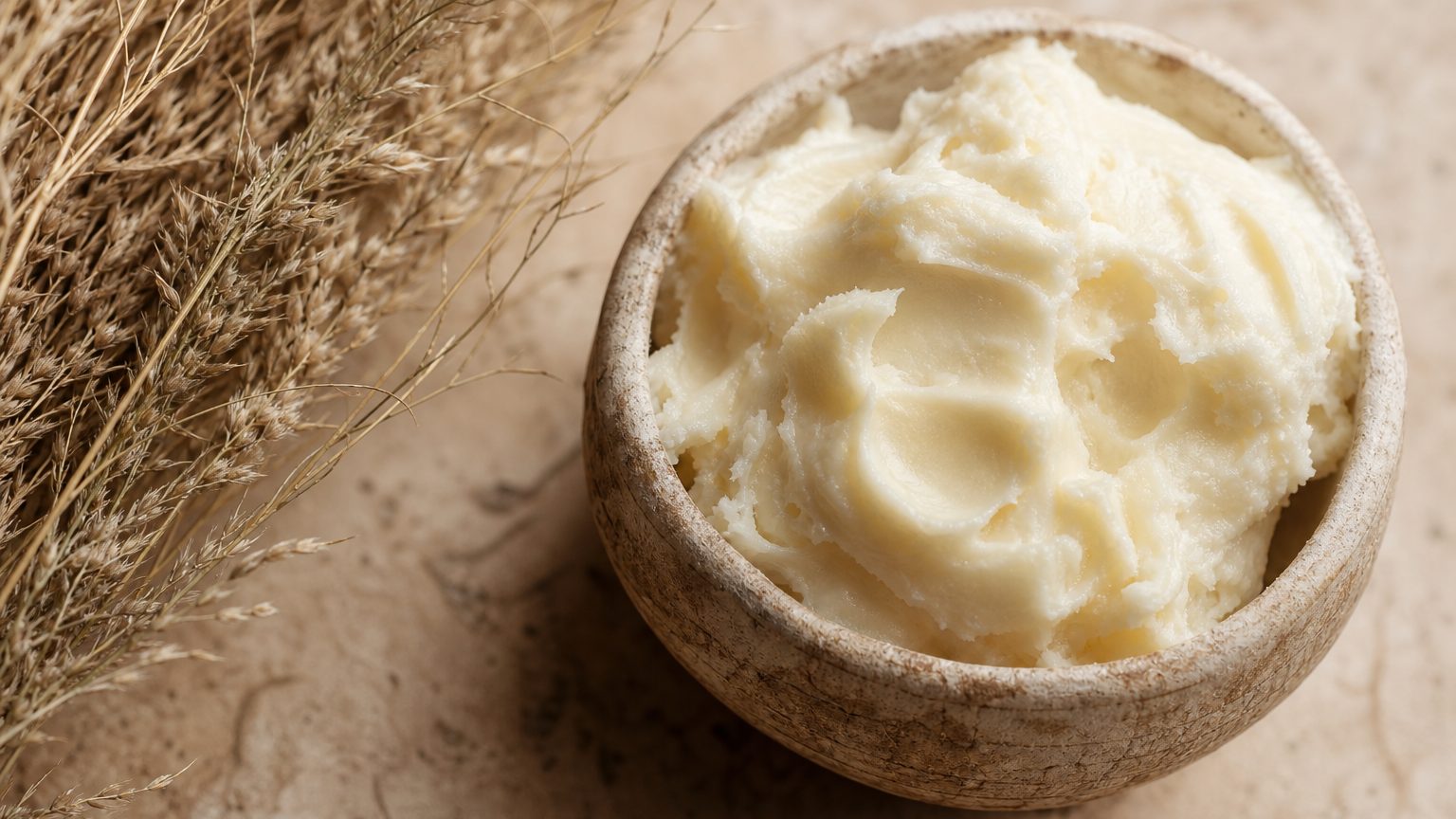
Tallow balm can be good for your face if your skin is dry and tolerates rich moisturizers, but it is not an ideal choice for everyone. It can help reduce moisture loss, yet strong clinical evidence for facial benefits is lacking, and some people experience clogged pores or irritation.
Key Takeaways
- Rich moisturizer: Tallow forms a protective layer that can help dry skin retain moisture.
- Limited evidence: Researchers have not established that tallow outperforms conventional facial moisturizers.
- Pores may clog: Its rich texture may not suit oily, breakout-prone or easily congested skin.
- Patch test first: Test a small area for several days before applying tallow across your face.
- Honey adds complexity: Honey-containing balms need careful formulation because mixing water-based and oil-based ingredients affects stability.
What Tallow Does on Skin
Beef tallow is rendered fat, meaning fat that has been slowly heated and filtered to remove water and solid material. A tallow balm uses that fat as a rich moisturizing base, sometimes with oils, waxes, honey or fragrance added.
Tallow contains fatty acids such as oleic, palmitic and stearic acids. Fatty acids contribute to the soft texture of a balm and help form an occlusive layer, which is a surface layer that slows water loss. This can leave dry skin feeling softer and more comfortable, especially in cold or low-humidity environments.
However, similarity between some tallow fatty acids and fats naturally found in skin does not prove that tallow is uniquely compatible with your face. Your skin barrier has a complex arrangement of ceramides, cholesterol and fatty acids. A tallow balm may reduce moisture loss, but it does not reproduce that complete structure.
Tallow may also contain fat-soluble vitamins, but amounts can vary with the animal's diet, processing and storage. The presence of vitamin A, for example, does not make tallow equivalent to a standardized retinoid skin care product. Ingredient content alone cannot establish a visible result.
So, is beef tallow balm good for your face? Its clearest potential role is as a heavy moisturizer. Claims that it transforms skin, clears blemishes or reverses visible aging go beyond the available evidence.
Who May Tolerate Tallow
Dry skin is most likely to appreciate tallow's rich, moisture-sealing texture. You may also find it useful on small facial areas that feel rough, such as around the lips, rather than across your entire face. Climate matters too. A balm that feels comfortable in a dry winter may feel too heavy during a humid summer.
Oily or breakout-prone skin requires more caution. Tallow is not automatically pore-clogging for every person, and simple online comedogenic ratings do not reliably predict what will happen on your face. Those ratings often come from older testing methods or assessments of isolated ingredients rather than a finished balm.
Still, a dense layer can trap oil, sweat and other products against the skin. Some users notice small bumps, blackheads or increased congestion after repeated use. If that happens, stop applying the balm and return to a lighter, noncomedogenic moisturizer, meaning one formulated to minimize pore blockage.
Sensitive skin may tolerate a simple fragrance-free tallow balm, but natural does not mean irritation-free. Added essential oils, botanical extracts, fragrances or bee-derived ingredients can create additional variables. Even a short ingredient list can cause a reaction in an individual user.
If you have an existing skin condition, persistent irritation or widespread breakouts, ask a dermatologist before changing your routine. Consult your doctor about use during pregnancy or breastfeeding, particularly if the balm contains active ingredients beyond plain tallow.
What the Evidence Shows
Direct human research on tallow as a facial moisturizer remains limited. There are reasonable explanations for why a fatty balm can reduce moisture loss, but that is not the same as clinical evidence showing that tallow improves facial skin more effectively than established moisturizers.
Most enthusiastic claims come from personal reviews, before-and-after photos or comparisons based on fatty acid composition. Those sources can help describe texture and user experience, but they cannot separate tallow's effects from changes in cleansing, weather, makeup, diet or the rest of a person's routine. Photos are especially sensitive to lighting, camera settings and how recently moisturizer was applied.
Research on basic skin care supports the broader value of occlusive ingredients for maintaining hydration. Conventional options such as petrolatum and formulas containing ceramides have a much larger evidence base and more standardized composition. This does not mean tallow cannot moisturize. It means claims of superiority are not established.
The evidence is also insufficient to say tallow is good for wrinkles or an aging face specifically. Better hydration can temporarily make dry surface lines look less noticeable because hydrated skin appears smoother. That effect does not show that tallow changes the biological aging process or produces lasting changes in deeper wrinkles.
A realistic expectation is softer-feeling skin after application, provided your skin tolerates the balm. Judge it as a moisturizer over several weeks, not as a quick fix for every facial concern.
How to Use Tallow Balm
Patch test before putting tallow across your face. Apply a very small amount near the jawline or behind the ear once daily for several days. Watch for persistent redness, itching, burning, bumps or increased congestion. Stop if the area becomes uncomfortable.
If the patch test goes well, cleanse your face and leave it slightly damp. Warm a rice-grain-sized amount between clean fingertips, then press a thin layer onto the driest areas. Starting small matters because applying more balm does not necessarily improve hydration, and a heavy coating can feel greasy or increase congestion.
Use it as the last moisturizing step in your evening routine. Water-based products generally go first, followed by creams and then occlusive balms. This follows the basic logic explained in our skincare layering order. During the day, facial balm does not replace broad-spectrum sunscreen.
Begin two or three evenings per week rather than introducing daily use immediately. This makes it easier to notice whether the balm suits your skin. Avoid introducing several unfamiliar products at the same time because you will not know which one caused a change.
For a ready-made option, Whipped Tallow Balm has a light, whipped texture and is designed to support deep hydration without a greasy feel. After cleansing, massage a small amount into your face as the final moisturizing step, preferably beginning at night. Follow the label because a little goes a long way. It is fragrance free, preservative free, grass fed, pasture raised and made in the USA.
Tallow and Honey Balms
Is tallow and honey balm good for your face? It may feel moisturizing, but its suitability depends on the full formula, the way the honey is incorporated and your individual sensitivity. The combination is not automatically better than plain tallow.
Tallow is primarily fat, while honey contains sugars and some water. These ingredients do not naturally form a stable mixture without careful formulation. A professionally made product may use emulsifiers, which help oil-based and water-based ingredients stay mixed, along with an appropriate preservation system. Without them, a balm may separate or become less stable.
Honey also makes broad claims about a tallow balm difficult to evaluate. Research on a specific type of prepared honey cannot automatically be applied to every cosmetic containing a small or undisclosed amount. The finished formula, concentration, processing and contact time all matter.
If you are considering a tallow honey balm, read the complete ingredient list. Look for clear storage instructions and avoid products with an unusual odor, visible separation or changes in color and texture. People sensitive to honey, pollen, beeswax or other bee-derived ingredients should be especially cautious.
A tallow and honey balm may suit someone who enjoys a rich texture and passes a patch test. It is less appealing if you want a minimal formula, have easily congested skin or cannot confirm how the product was preserved. There is not enough comparative research to say that honey makes tallow more effective for routine facial moisturizing.
Making Tallow Balm Safely
If you want to know how to make beef tallow balm for your face, start with fully rendered, filtered tallow intended for cosmetic use. Kitchen drippings are not a suitable substitute because they may contain salt, food particles, moisture and cooking residue. Rendering quality also affects odor and stability.
Use clean, completely dry tools and containers. Gently soften or melt the tallow over indirect low heat, then let it cool until it begins to firm. Whipping at that stage can create a lighter texture, although it does not change the amount of fat applied to your skin. Transfer the balm to a clean, dry jar and avoid dipping wet fingers into it.
Keeping a homemade balm water-free simplifies the process. Do not stir water, aloe gel or fresh plant material into plain tallow without understanding emulsification and preservation. Water-based additions can make microbial growth more likely. Make small batches, store them away from heat and direct light, and discard the balm if its odor, color or texture changes unexpectedly.
Adding honey is more complicated than mixing a spoonful into melted tallow. Honey and fat can separate, and a home mixture has not undergone stability or microbial testing. If you specifically want a tallow and honey formula, a properly manufactured cosmetic is more predictable than an improvised blend.
Patch test every homemade batch. Ingredient sourcing, rendering and storage can vary, so tolerating one batch does not guarantee that another will feel the same.
Choosing a Facial Tallow Balm
Choose a tallow balm based on formula quality rather than broad claims about natural skin care. A short ingredient list can make it easier to identify potential triggers, but it does not prove that a product will suit your pores or remain stable.
For facial use, fragrance-free options are a practical starting point. Check whether the product contains essential oils, coconut oil, beeswax or botanical extracts, especially if you already know you react to any of them. Packaging that limits repeated contact with wet hands can also help maintain product quality.
Texture matters. A whipped balm may spread more easily than solid tallow, but whipping mainly incorporates air. Use the smallest amount that leaves your skin comfortable rather than judging the product by how rich it feels in the jar.
Claims such as grass fed, pasture raised, cruelty free, non-GMO or made in the USA describe sourcing or production attributes. They do not establish that a balm will work for your skin type. Likewise, the absence of parabens or fragrance does not guarantee that you cannot experience irritation.
The practical answer to whether tallow balm is good for your face is personal but testable. If a thin layer improves comfort without causing bumps or irritation, it may fit your moisturizing routine. If your skin becomes congested, greasy or uncomfortable, a lighter facial moisturizer is the better choice. Consistent cleansing, moisturizing and sun protection matter more than following a skin care trend.