
Can You Use Essential Oils for Food?
 Written by Nauder Khazan
Ask AI about this article and Essential Oils (Therapeutic Grade)





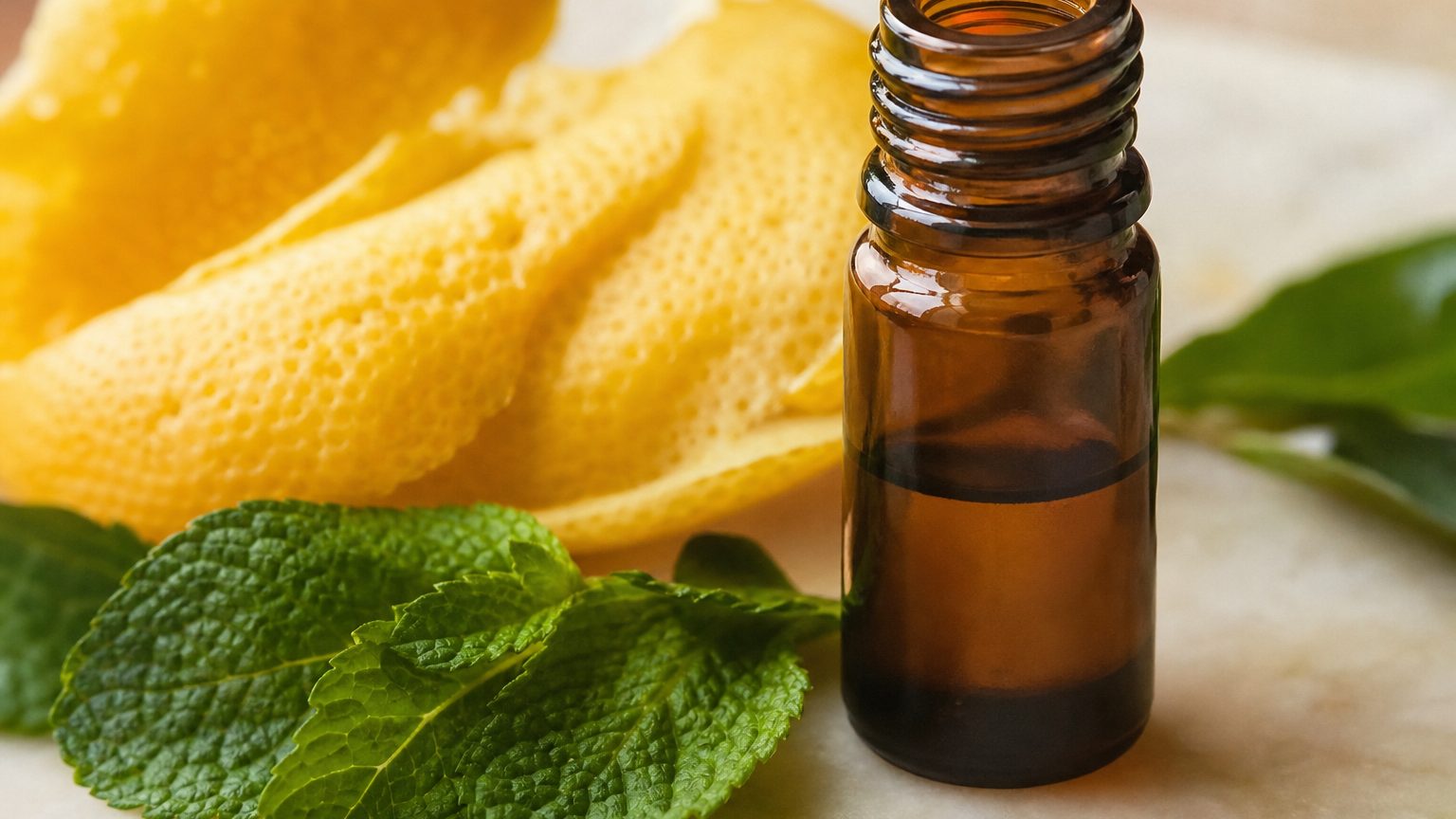
You can use some essential oils for food, but only when the specific product is expressly labeled and directed for culinary use. Plant name, purity claims, and phrases such as "therapeutic grade" do not make an essential oil edible. Because these oils are highly concentrated, the safest approach is to follow the exact label or choose a conventional extract, herb, or zest instead.
Key Takeaways
- Check the label: Only use an essential oil in food when that specific bottle provides clear culinary directions.
- Ignore broad claims: Terms such as "pure," "natural," and "therapeutic grade" do not establish that an oil is edible.
- Respect concentration: Essential oils can contain far more aromatic compounds than the original plant material.
- Keep oils separate: Essential oils do not dissolve evenly in water, so adding them directly to drinks can create concentrated droplets.
- Choose easier options: Culinary extracts, citrus zest, herbs, and spices usually provide more forgiving ways to add flavor.
The Short Answer
Essential oils are concentrated mixtures of aromatic plant compounds produced through processes such as distillation or cold pressing. They are not the same as the plant, herb, juice, or spice from which they came. A small bottle may contain the aromatic components from a substantial amount of plant material.
That concentration explains why the answer is not simply yes or no. Some manufacturers sell particular oils as food flavorings and provide directions for culinary use. Other essential oils are intended only for diffusion, diluted topical use, fragrance, skincare, or household applications. You should not transfer directions from one product to another, even if both bottles say peppermint, lemon, or lavender.
In the United States, a flavoring substance may be considered GRAS, meaning "generally recognized as safe," under specific conditions of use. That status does not mean every retail bottle containing that plant oil is safe to swallow. The intended amount, manufacturing specifications, composition, and final application all matter.
The practical rule is straightforward: if a bottle does not expressly identify food as an intended use and provide suitable directions, do not add it to food or drinks. Do not rely on a blog recipe, social media post, or the fact that the source plant is commonly eaten.
For non-food applications, see how to use essential oils and follow the directions supplied with your particular product.
Labels Matter More Than Names
A familiar plant name does not establish food safety. Peppermint leaves, for example, are commonly used in tea, while peppermint essential oil is a far more concentrated preparation. Lavender flowers may appear in culinary recipes, but that does not make every bottle of lavender essential oil edible.
Look for a label that identifies the product as a food flavoring or otherwise expressly directs culinary use. It should provide instructions appropriate to that specific product. A Nutrition Facts or Supplement Facts panel alone should not be interpreted beyond the use described on the package.
Several common label phrases do not answer the ingestion question:
- "100% pure" describes composition, not an approved route of use.
- "Natural" does not mean safe to swallow.
- "Therapeutic grade" is not a standardized government category for edible oils.
- "Third-party tested" is meaningful only in relation to what was tested and does not automatically establish culinary suitability.
- "Organic" concerns production standards, not whether the bottle has food-use directions.
- "Food grade" should be supported by specific culinary labeling, formulation details, and directions rather than appearing as an isolated marketing phrase.
Botanical identity matters too. Common names can refer to more than one plant species, and different plant parts may produce oils with different compositions. A careful label may list the Latin botanical name and plant part, but those details still do not replace food-use instructions.
Also check for added carrier oils, fragrances, or other ingredients. Never assume that an aromatherapy blend is suitable for food simply because one or more of its named plants are edible.
Why Small Amounts Still Matter
Essential oils are potent because distillation or cold pressing concentrates volatile compounds, meaning compounds that evaporate readily and create aroma. This can make them useful in tiny, professionally controlled amounts, but it also leaves little room for casual measuring.
Drops are not standardized units. The amount released depends on the bottle opening, dropper design, oil thickness, temperature, and how the bottle is held. A drop-based instruction copied from a different brand may therefore deliver a different quantity. Adding an extra drop because the flavor seems weak is not a sound way to adjust a concentrated ingredient.
Water creates another problem. Essential oils are lipophilic, meaning they mix more readily with fats than with water. Stirring oil into tea, sparkling water, or a smoothie does not necessarily distribute it evenly. Small droplets may float on the surface or contact the mouth and throat in concentrated form. Shaking the drink briefly does not change the oil's underlying solubility.
Heating is not a reliable safety step either. Heat may evaporate or alter some aromatic compounds, changing the flavor and composition, but it does not turn an oil that is unsuitable for ingestion into a culinary ingredient.
Potential reactions depend on the oil, amount, concentration, and person. Certain oils can irritate tissues, and some plant compounds may interact with prescription medicines. Wintergreen, pennyroyal, camphor-rich oils, wormwood, and some eucalyptus preparations are examples that should never be treated as casual food flavorings. This is not a complete avoidance list, which is why bottle-specific directions matter more than a generic list online.
How To Use Them Safely
If you want to cook with an essential oil, begin with the product rather than the recipe. Confirm that the exact bottle is sold for culinary use and includes food directions. A recipe calling for "lemon essential oil" is not enough because lemon products can differ in manufacturing, concentration, ingredients, and intended route.
Follow the labeled quantity exactly. Do not substitute one essential oil for another, estimate a serving from aroma, or use directions written for a different brand. If the amount is too small to measure reliably with ordinary kitchen tools, choose a flavoring that is easier to control rather than improvising.
Keep the oil in its original container so its identity, lot information, warnings, and directions remain available. Store it as the label instructs and away from children and pets. Do not transfer essential oils into an unmarked kitchen bottle, where someone could mistake them for an extract or cooking oil.
If you take prescription medicines, are pregnant or breastfeeding, have kidney or liver conditions, or have another existing medical condition, ask your doctor before intentionally consuming a concentrated botanical product. Parents should consult a pediatrician before giving any essential oil product to a child. Ask a veterinarian about any use involving pets.
If someone swallows an oil that was not intended for ingestion, do not induce vomiting unless a qualified professional directs you to do so. In the United States, contact Poison Control at 1-800-222-1222 for case-specific guidance. Call emergency services for severe symptoms such as trouble breathing, loss of consciousness, or seizures.
If your goal is scent rather than flavor, Essential Oils are Therapeutic Grade Premium Essential Oils whose supplied use tips cover aromatherapy, diluted topical application, and skincare, not adding the oils to food. Follow each bottle's label for its intended route, dilute topical applications as directed, and keep culinary decisions separate: only use an oil in a recipe when that specific bottle expressly provides food-use directions.
Cooking, Drinks, And Daily Use
Baking with a culinary essential oil does not make measurement concerns disappear. Some aromatic compounds evaporate during cooking, while others remain. The resulting flavor can vary based on temperature, cooking time, recipe fat content, and when the flavoring is added. Use only a recipe and amount appropriate to the particular food-use product.
Drinks require extra caution because essential oils do not dissolve in water. A commercial beverage manufacturer may use specialized emulsifiers and controlled mixing to disperse flavoring. An emulsifier helps oil and water remain distributed together. That professional process is different from placing a drop of oil in a home water bottle.
Daily use deserves the same label-based approach. A product's acceptability as a flavoring under certain conditions does not automatically support repeated, open-ended consumption. More frequent use can increase overall exposure, and concentrated plant compounds may not be appropriate for everyone. Follow the labeled serving and frequency rather than making an essential oil part of every meal or drink by default.
You should also distinguish food use from food-surface cleaning. An essential oil included in a homemade cleaner is not automatically safe to leave on cutting boards, counters, dishes, or produce. Use cleaning products according to their directions, including any required rinsing, and never use culinary suitability as a shortcut for evaluating a cleaning formula.
Finally, do not assume that a pleasant smell predicts a pleasant or safe flavor. Aromatherapy exposes you primarily through inhalation, while eating introduces the material through the digestive tract. These are different routes with different considerations.
Easier Ways To Add Flavor
Most home cooks do not need essential oils to create concentrated flavor. Culinary extracts are generally easier to measure because they are formulated and labeled for food. Peppermint extract, vanilla extract, orange blossom water, and food flavoring preparations can deliver strong flavor with clearer kitchen directions.
Whole-food ingredients provide other options. Citrus zest adds fragrant oils along with plant material, while fresh mint, rosemary, basil, thyme, and culinary lavender offer flavor in a less concentrated form. Ground spices and infused cooking oils can also be easier to distribute throughout a recipe.
These alternatives are not interchangeable in every recipe, but they provide more room for adjustment. You can usually taste a dish and add a small amount of zest or herb without dealing with the same degree of concentration found in an essential oil.
If a recipe specifically requires a food-use essential oil, check that it was developed for the product you have. Otherwise, look for a version written with an extract or whole ingredient. This may slightly change the liquid balance or flavor profile, but it reduces the temptation to guess at an essential oil amount.
The central distinction is not whether a plant can be eaten. It is whether the exact concentrated product in your hand was manufactured, labeled, and directed for food use. When that information is absent, choose another flavoring and reserve the oil for its labeled purpose.